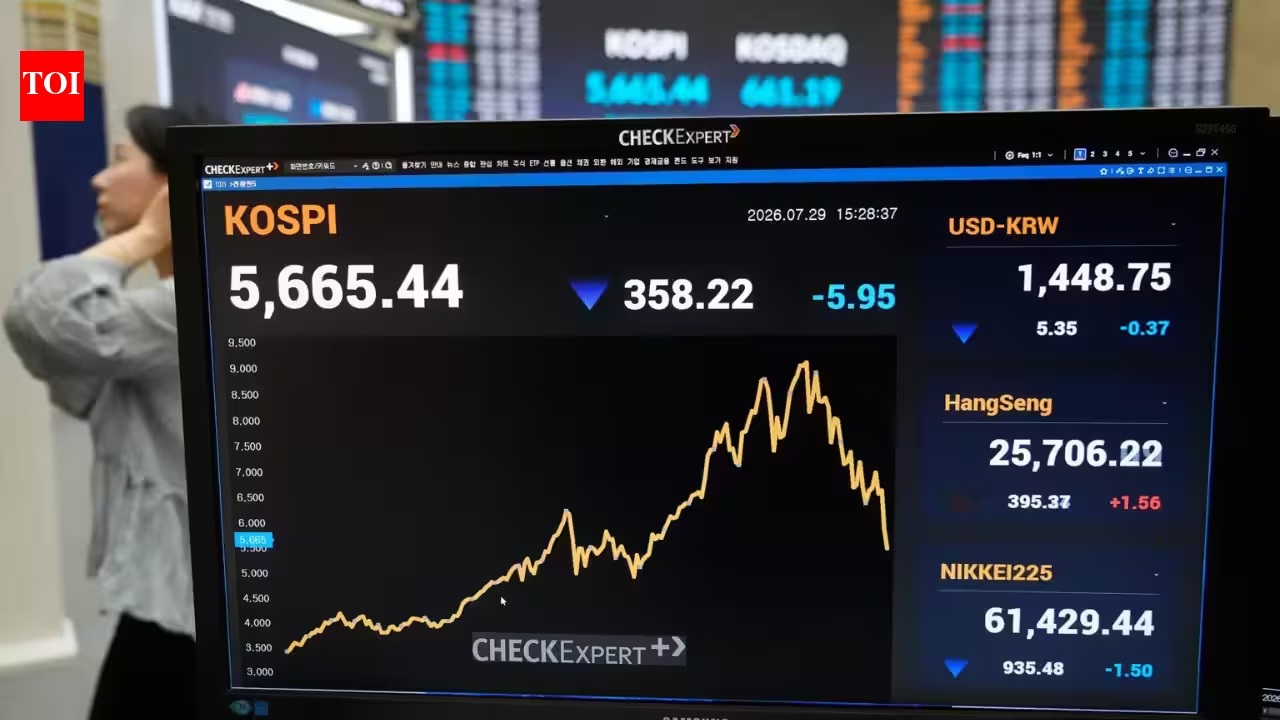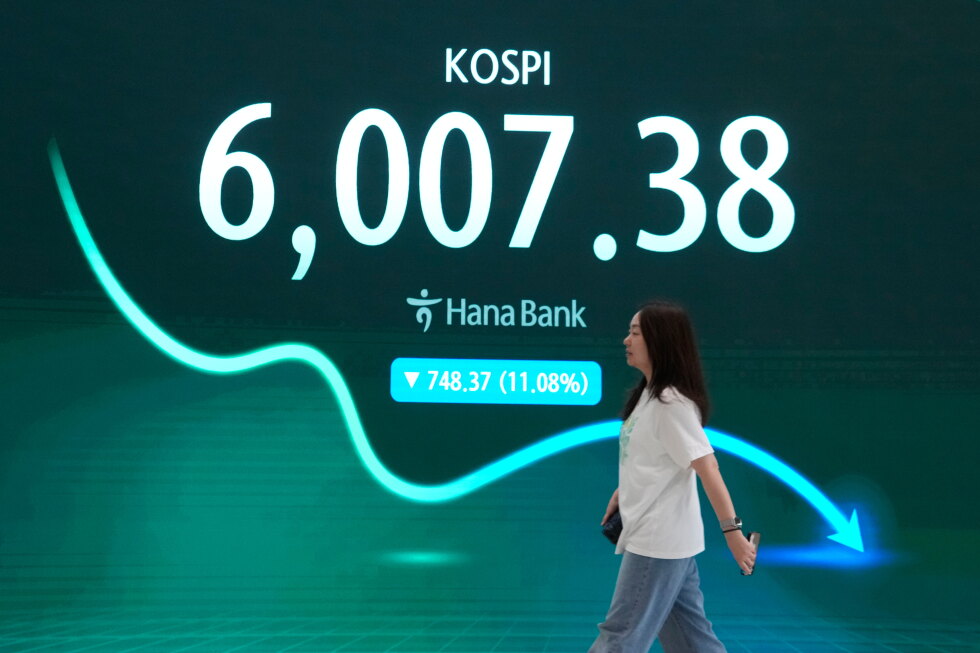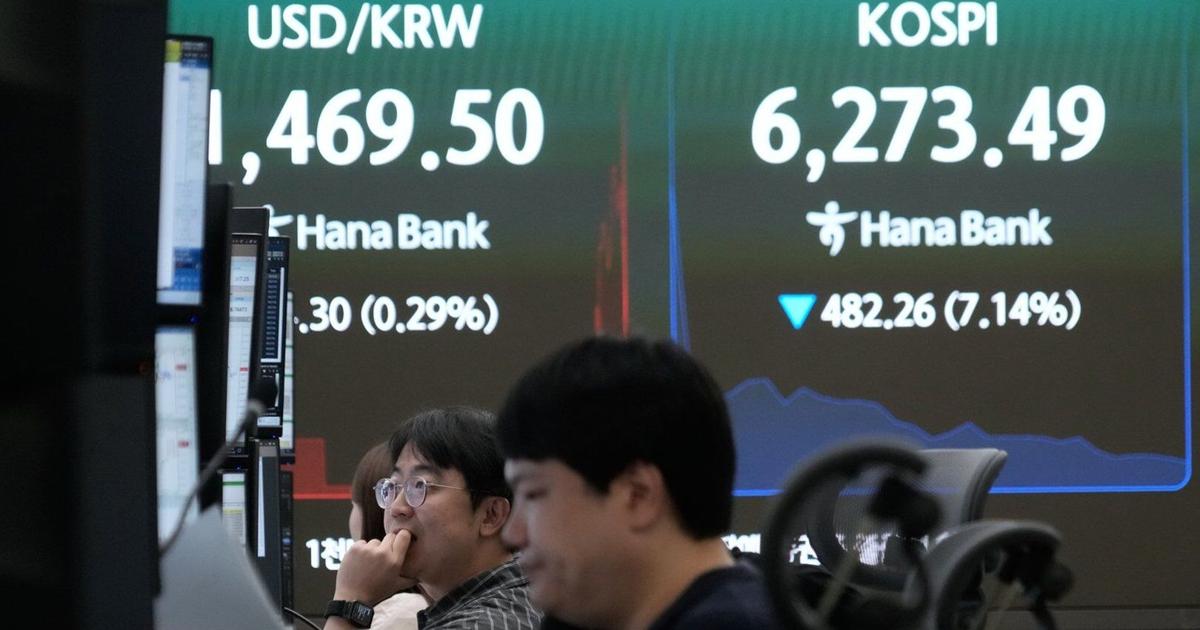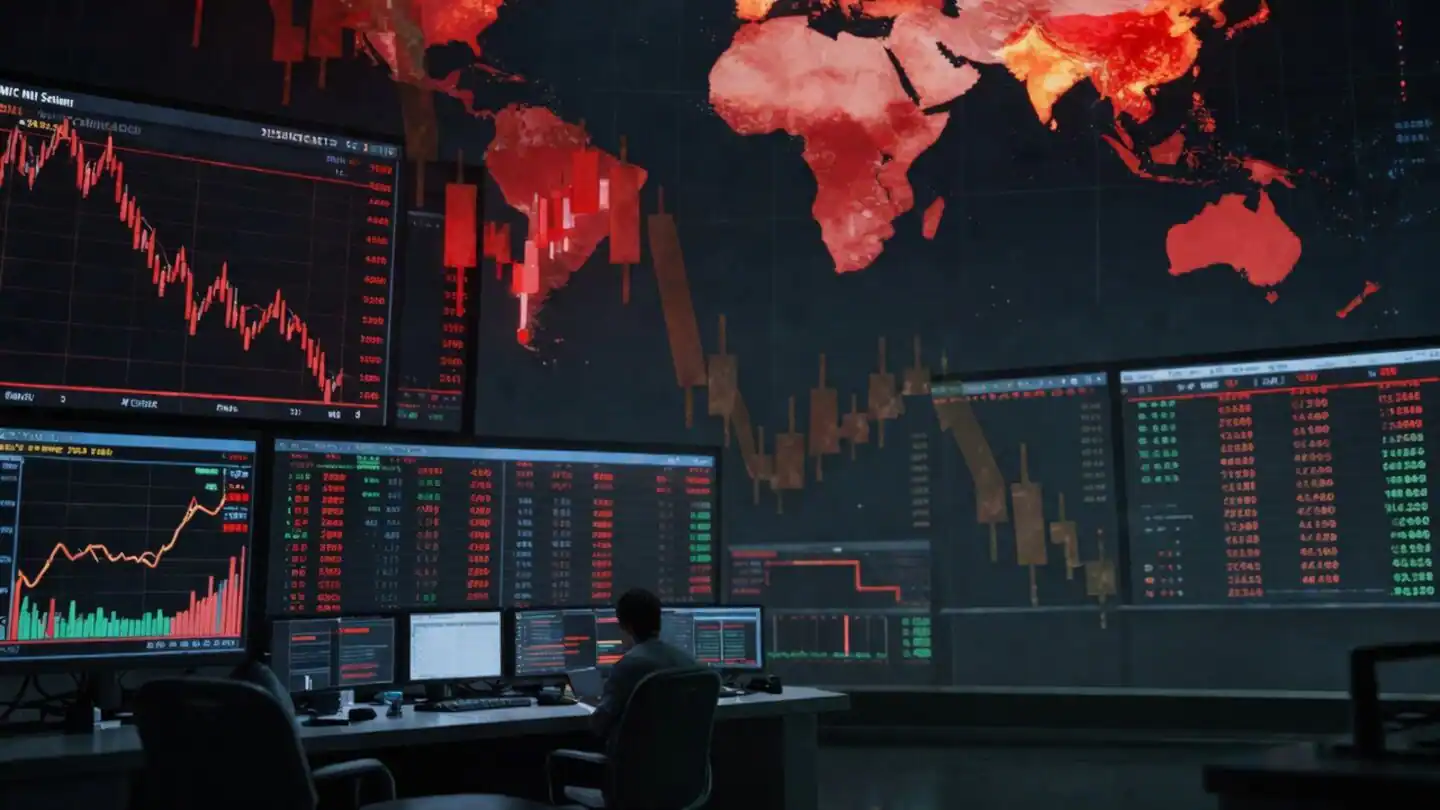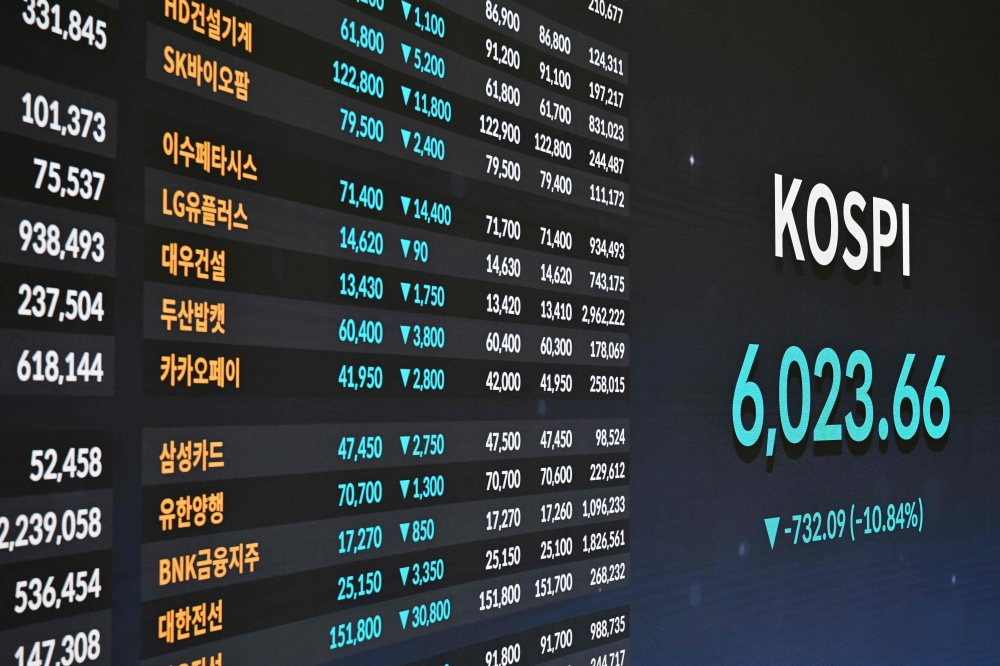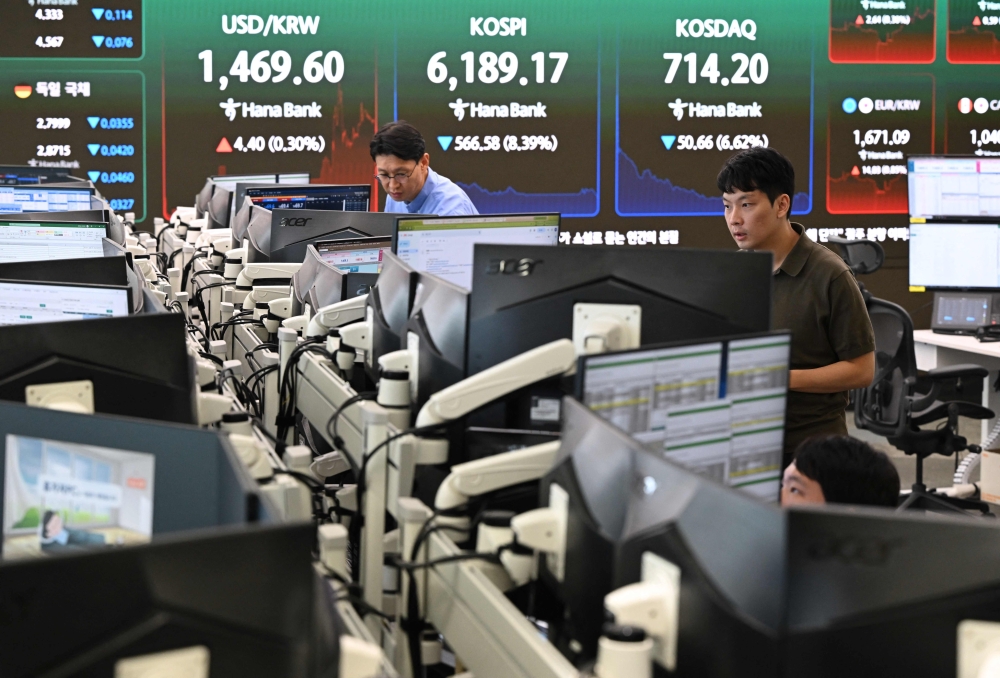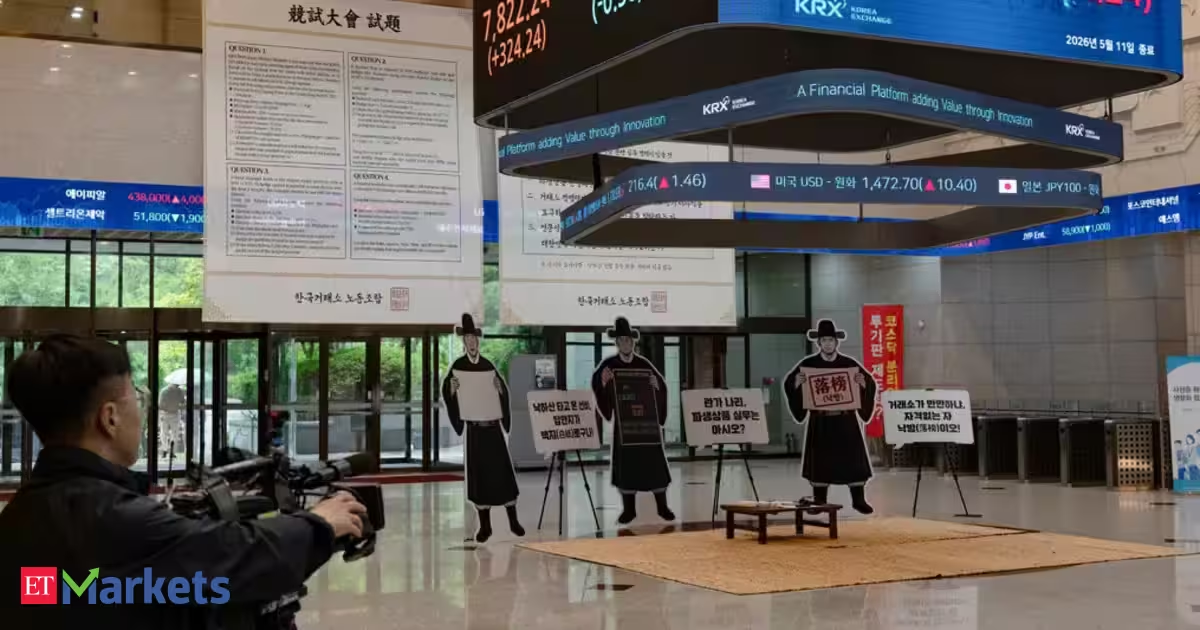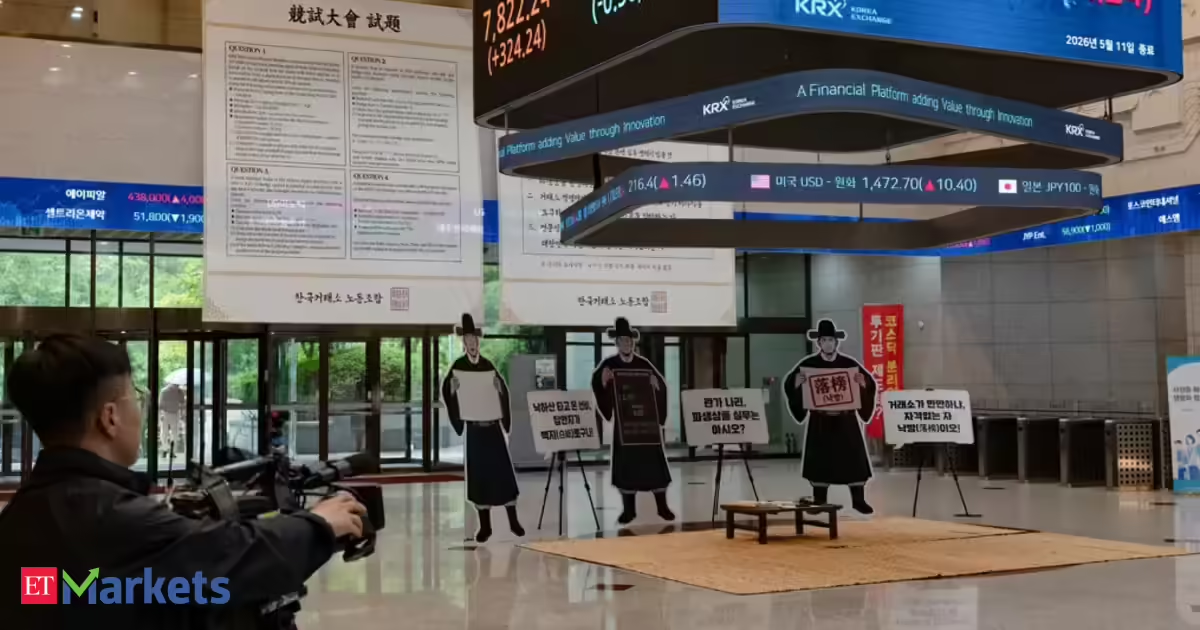
South Korea's Kospi, which grabbed headlines earlier this year for its skyrocketing rally, crashed more than 11% on Wednesday and continued to wipe out massive sums of investor wealth as heavyweight chipmaker SK Hynix’s earnings failed to impress the market.Kospi dropped to 5,311.77 on Wednesday morning, marking a more than 43% crash from its June peak of 9,386 to confirm its position in technical bear market territory. Despite the recent crash, South Korea’s stock market continues to be Asia's best performer.Today’s sharp crash in Kospi triggered a 20-minute trading halt, as has become routine during volatility this year. This comes after SK Hynix reported a six-fold earnings jump, partly driven by a $44 billion asset-value gain, but fell short of high market estimates fuelled by the AI boom.SK Hynix shares tumbled over 14%, while Samsung Electronics shares crashed 10%. These two chip giants together account for nearly half of the index’s weight and have contributed roughly two-thirds of its gains this year. As these stocks crashed, so did Kospi.South Korean government scrambles to save 'unstable' stock marketSouth Korea’s government has been scrambling to implement measures to protect investors’ wealth from the crashing stock market. Finance minister Koo Yun-cheol on Wednesday said that the government is reviewing market stabilisation measures, including adjusting regulations related to single-stock leveraged ETFs. Some analysts have said the products exacerbate market volatility.Earlier this month, the finance ministry said market swings have intensified due to foreign and institutional investor profit-taking, portfolio rebalancing, and changing expectations around the global artificial intelligence sector. “Increasing concentration in the semiconductor sector has become a factor raising financial market volatility, with the impact of fluctuations in the chip sector on the whole stock market growing,” the ministry said in a statement.South Korea’s President Lee Jae Myung recently said, “Our domestic stock market is quite unstable.” He noted that since the country’s stock market experienced a historically unprecedented massive surge in such a short period, it would require time and fluctuation to stabilise.Also read | Is Korean stock market turning into open casino? How retail leverage is fueling wild swingsAuthorities earlier this month moved to cool the speculative fever, announcing a ban on new listings of leveraged exchange-traded funds tied to individual stocks. The abrupt intervention comes just two months after regulators initially approved the vehicles.What lies ahead?Nomura believes that the heavy correction in South Korea’s equity market was driven by heavy selling by foreign investors, slowing institutional support, and volatility due to the rapid growth in leveraged ETFs and newly launched single-stock leveraged products.“We believe these factors led to amplified volatility despite resilient corporate fundamentals. As market ‘deleveraging’ progresses and foreign selling pressure eases, the next leg of Korea's rerating is likely to be supported by corporate share buybacks and treasury-share cancellations, particularly from large-cap companies, in our view,” the international brokerage said, adding that this should become a new structural source of demand and help Kospi re-rate toward a 10,000-11,000 target."Seoul will learn to live with stock market volatility," analysts from Eurasia Group wrote in a research note, cited by Reuters. "Large daily fluctuations are mostly divorced from market fundamentals, though; corporate profits remain at record highs,” they added.Citi recently downgraded South Korea’s stock market to a neutral stance after keeping it overweight for the past year, citing heightened volatility in AI-linked chip stocks. Despite the downgrade, Citi said it remains structurally positive on the long-term artificial intelligence investment theme. According to Reuters, the bank has opted to reduce its tactical exposure to South Korea while keeping an overweight position on Taiwan and upgrading China to an overweight in its emerging markets allocation.Also read | AI boom, market correction risks emerge as major credit threats: Fitch(With inputs from agencies)(Disclaimer: Recommendations, suggestions, views and opinions given by the experts are their own. These do not represent the views of The Economic Times)
Kospi crashes 12% after SK Hynix earnings; best performing Asian market of 2026 plunges 43% in a month. What’s ahead?
South Korea's Kospi index crashed over 11% on Wednesday, extending its drop to 43% from its June peak into technical bear market territory. The sharp plunge, triggered by earnings from chipmaker SK Hynix that missed lofty AI-fueled market estimates, prompted government reviews into market stabilisation measures.
TL;DRAI
SK Hynix earnings miss sparks 12% Kospi crash, deepening 43% June plunge; chip stocks are 50% of index weight. Semiconductor sector concentration and leveraged ETF speculation drive volatility; stabilization requires foreign selling slowdown and corporate buyback support.
640 words~3 min read