(Image credit: Tom's Guide)
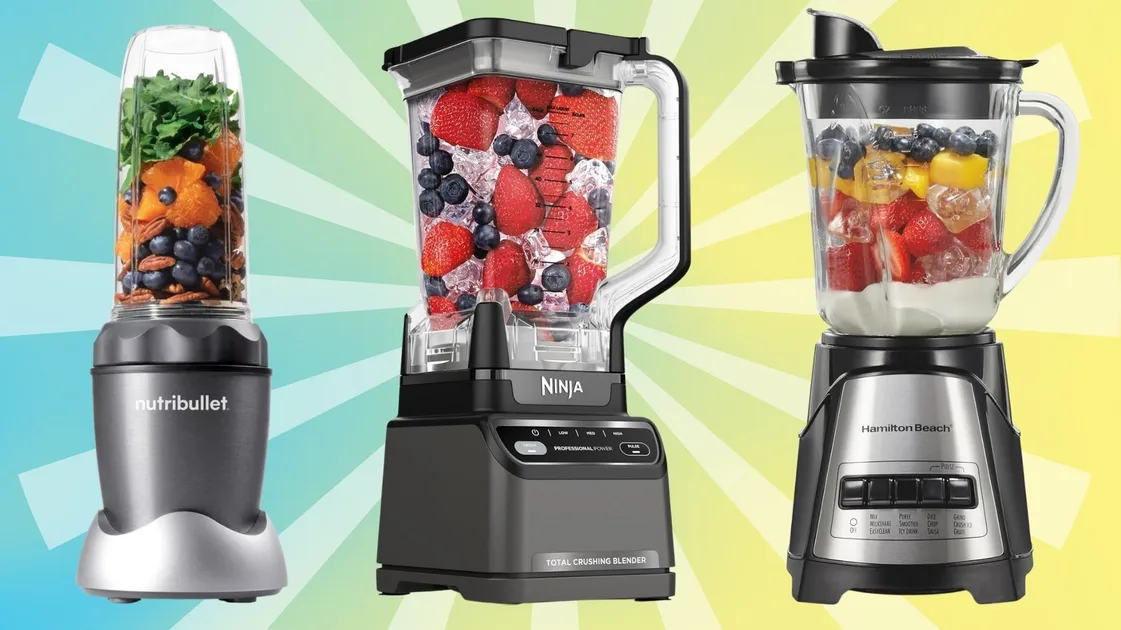
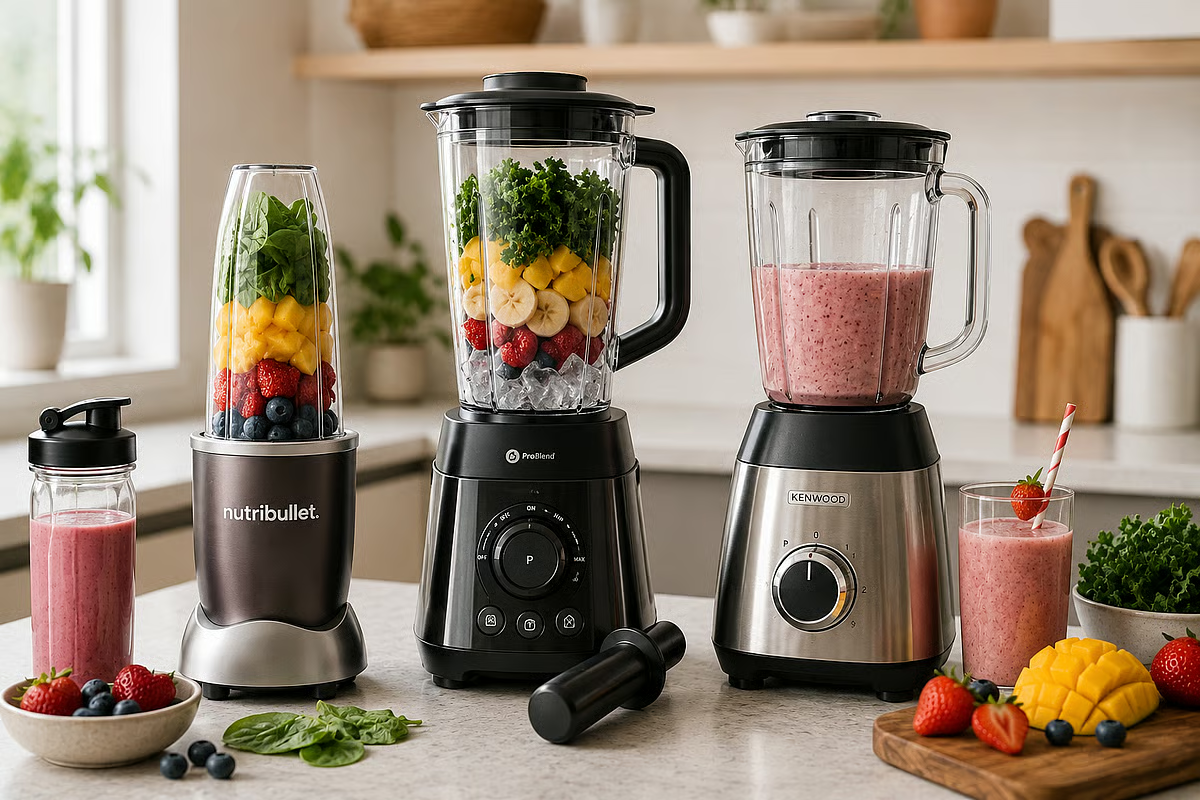
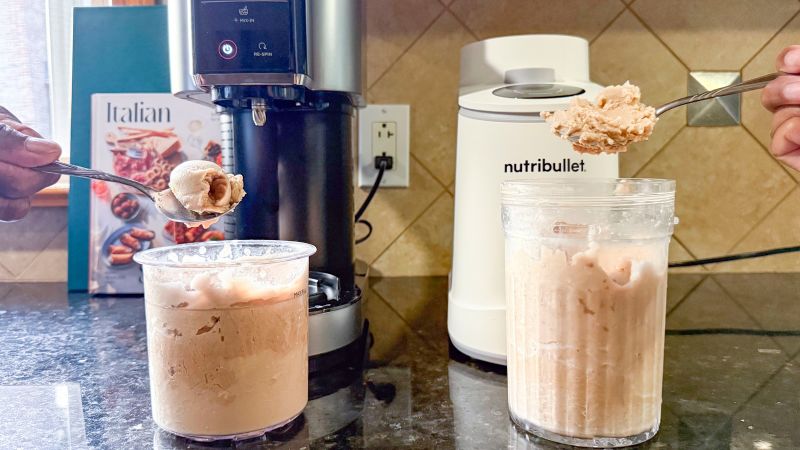
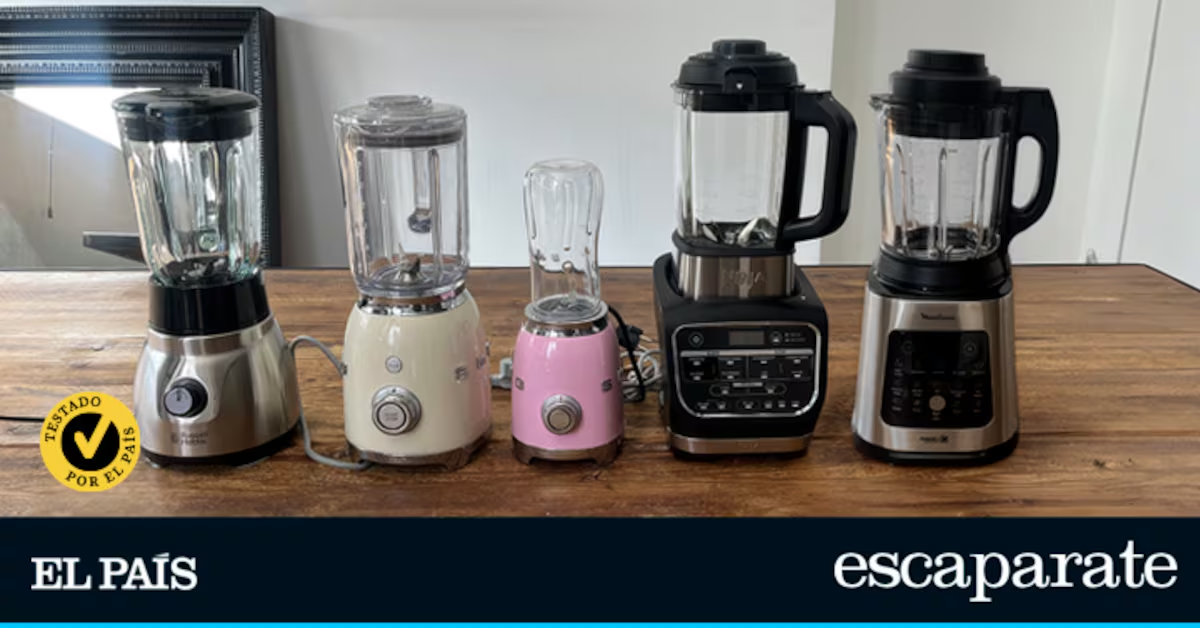
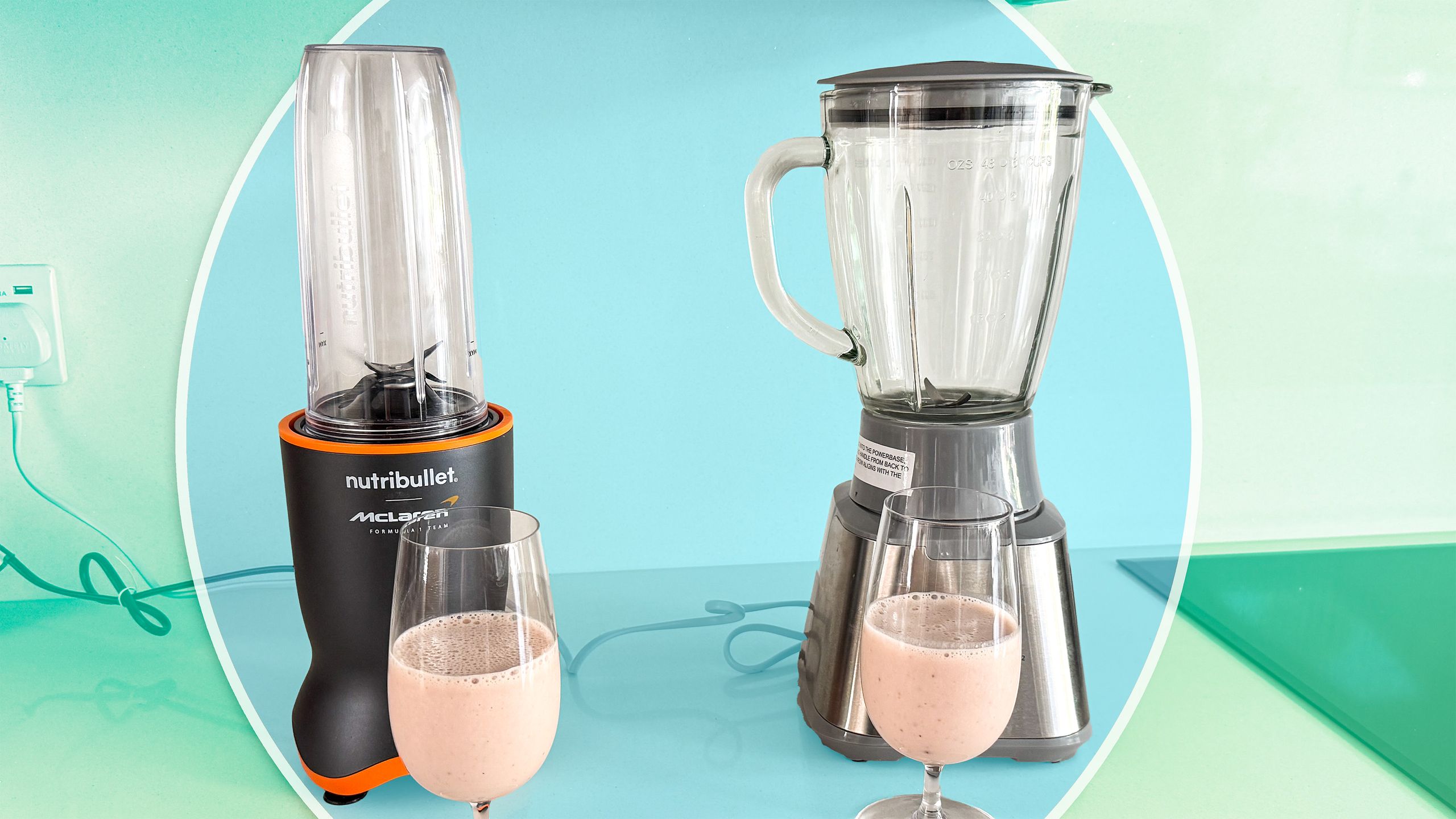
At the start of the year, I upgraded our household blender from a regular non-brand contraption we picked up at the local Aldi to a Nutribullet Ultra 1200. The benefits were that it was easier to clean, looked a lot nicer, and blends your ingredients straight into the shaker you can drink from.Over six months later, I decided to return to the pair of them (we haven't got rid of the old one; it's good to have a spare) to put a little bit more testing on the table.Part of this, I admit, is due to selfishly wanting to mix up my smoothie game. I'm guilty of going back to the same old recipe time and time again and, with summer here, I'm feeling the need for a change.Secondly, although I swapped to the Nutribullet without a second thought — was I giving my old blender its due? What if I fed both machines the exact same ingredients and measured them directly in a head-to-head? Which would really come out on top?There are a ton of things the Nutribullet does better: it's objectively smaller, lighter, simpler to use and comes with a better warranty. But I was surprised at a couple of outcomes from this experiment if I'm being totally honest. I'll spoil the big one for you now: I couldn't tell the difference when it came to tasting the final product.But we're getting ahead of ourselves. Read on to discover just what I found out from my budget vs. premium experiment.The recipeThe wonderful thing about smoothies is they're uncomplicated. Pick stuff you like, throw it inside one of the best blenders, and chances are it'll come out alright. But this test had to be scientific, so here are the exact ingredients I used with both machines:Get instant access to breaking news, the hottest reviews, great deals and helpful tips.100g strawberries (~1 cup, yields a thick texture and rich color)50g ripe banana (~1/2 medium banana, sliced)100g strawberry flavored Greek yogurt (~½ cup)180ml milk (~¾ cup)1 tbsp of honeyNote that both of these machines are blenders and not bespoke juicers. Here's a complete rundown of the differences, but in a nutshell, juicers squeeze and extract the juice from fruits and vegetables. A juicer breaks down the fruit by separating the pulp, peel/skin, and seeds from the fruit, as the juice flows out through a sieve.Blenders, on the other hand, pulverize all of the ingredients together. Think of them as a sledgehammer rather than a scalpel.The blendForget just throwing the above ingredients into the pot without a care. This is the process I followed with both blenders — just to make sure I did what I could to make the experiment fair.Add liquids and soft ingredients first: Pour in the milk and spoon in the Greek yogurt. Placing liquid at the bottom helps the blender blades turn smoothly without getting stuck on the fruit.Layer in solids and the fruit: Next in went the banana slices, chopped strawberries, and finally I added the honey.Blend on high power for 30 seconds (I used my trusty Casio stopwatch to make sure they each got the same time)Pour out and enjoyThe result