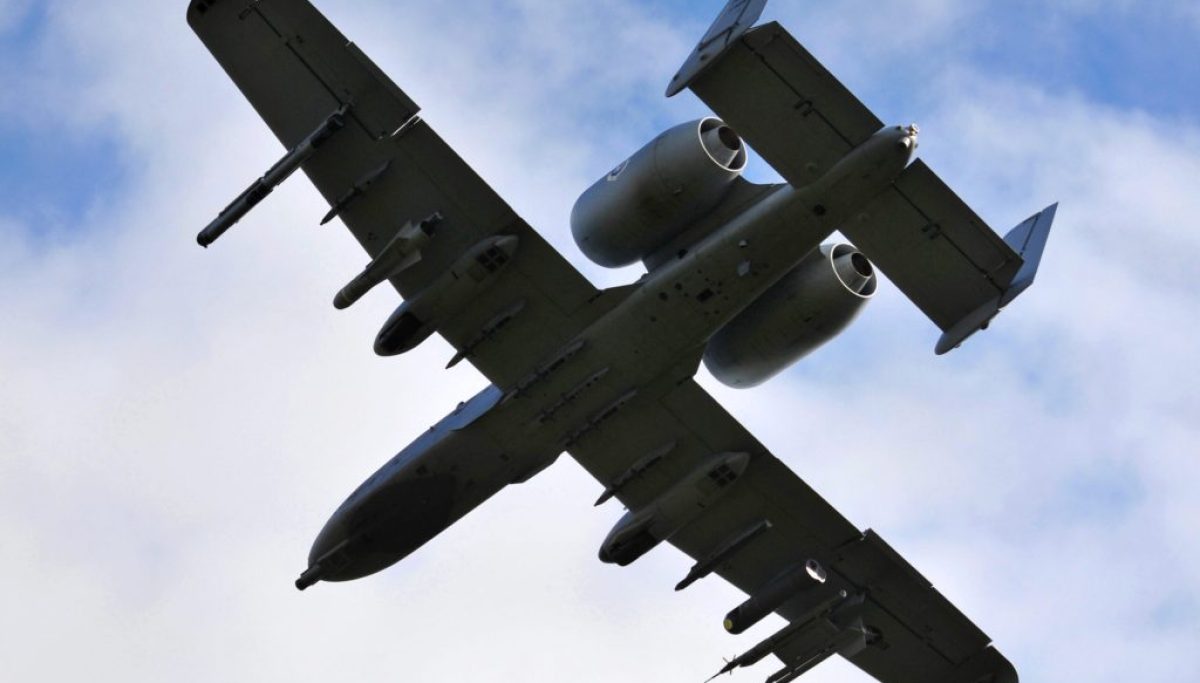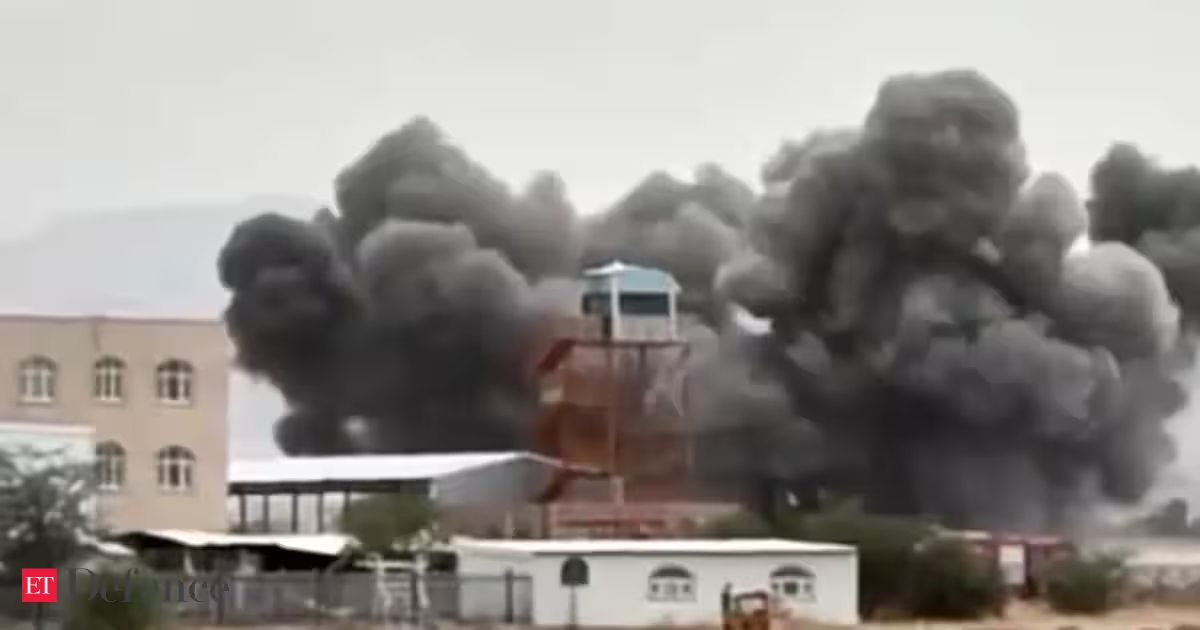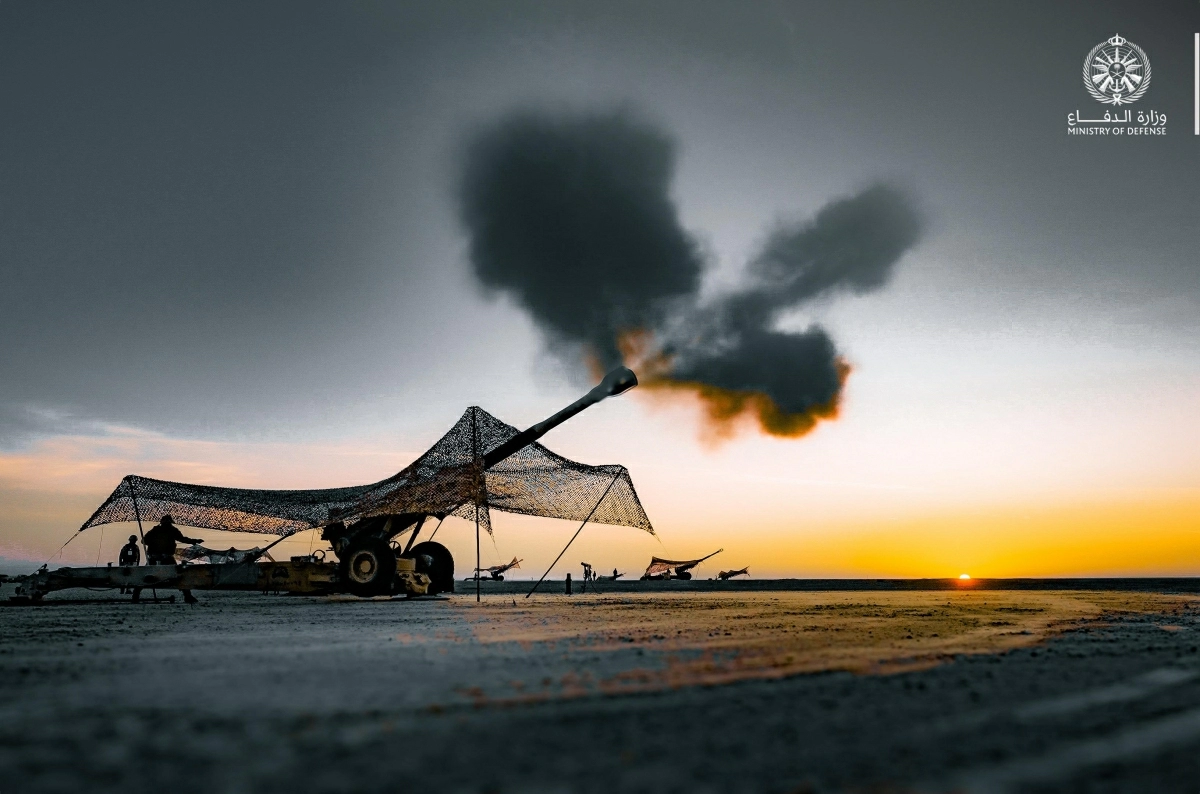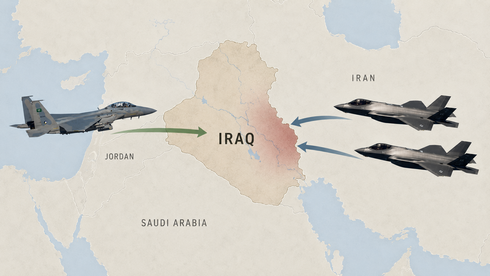
CENTCOM says the joint airstrikes targeted weapons and logistics sites after Iran launched ballistic missiles at a US base in Jordan and directed more than 30 drone attacks in 72 hours; Washington separately rejected an Omani proposal for voluntary payments in the Strait of HormuzThe United States and Saudi Arabia carried out joint precision strikes against Iran-aligned militias in Iraq on July 28, U.S. Central Command said, after a series of attacks targeting American forces and Saudi energy infrastructure.“U.S. Central Command and the Saudi Arabian Armed Forces conducted precision strikes in Iraq, July 28, against Iran-aligned terrorists that the Islamic Revolutionary Guard Corps (IRGC) directed to attack U.S. forces and Saudi energy infrastructure,” CENTCOM said in an official statement posted on X.The United States and Saudi Arabia joint strikeThe joint operation came about two hours after the IRGC launched several ballistic missiles from Iranian territory toward a U.S. base in Jordan. CENTCOM said all the missiles were successfully intercepted and that American forces remained vigilant and on high alert.“U.S. and Saudi fighter aircraft struck multiple terrorist logistics and weapons sites across eastern Iraq in a strong response to over 30 IRGC-directed aerial drone attacks in the last 72 hours,” CENTCOM said.“The unwarranted attacks against U.S. forces were not successful.”CENTCOM said the latest strikes followed hundreds of attempted attacks by Iran-aligned militias in Iraq earlier this year.“From February through April 2026, there were more than 600 attempted attacks on U.S. citizens and facilities by Iran-aligned terrorist militias in Iraq,” the statement said“The IRGC and its terrorist proxies must cease these attacks to avoid further U.S. military response.”CENTCOM says the joint airstrikes targeted weapons and logistics sites after Iran launched ballistic missiles at a US base in Jordan An Iranian security official, meanwhile, denied that Tehran was connected to launches carried out from other countries against targets in Saudi Arabia.The official, quoted anonymously by Iran’s state-run IRIB broadcaster, said attributing attacks on U.S. interests in the region to Iran was a “serious mistake.”The IRGC also warned that its campaign would continue.“As long as the threats against the Islamic Republic continue, and the illegal and malicious actions of American forces against our interests persist, the resistance will also continue,” it said.Separately, Yemen’s Iran-backed Houthi rebels claimed they had shot down a Saudi aircraft over Yemen.Houthi military spokesman Yahya Saree said the group had downed a Saudi-owned Karayel reconnaissance aircraft early Wednesday while it was carrying out what he described as hostile operations over Saada province.“Yemen’s forces stress that they will continue to defend the country’s sovereignty and reserve the legitimate right to respond to any violation,” Saree said.The escalation came amid reports that Oman had presented Iran with a new plan for managing the Strait of Hormuz, reportedly backed by Gulf states and involving voluntary payments by vessels passing through the strategic waterway.U.S. President Donald Trump said “good talks” were taking place with Iran following two weeks of strikes, although Tehran has repeatedly denied that it resumed negotiations with Washington.Iranian Deputy Foreign Minister for Legal and International Affairs Kazem Gharibabadi said Tehran had proposed placing one of the strait’s shipping lanes, as well as part of the second lane, under full Iranian control.“This scenario is inevitable, and Iran will not accept any other formula,” he said.Gharibabadi also denied that Tehran had requested negotiations with the United States during the previous 15 days.“The Americans were the ones who asked us to hold talks,” he said. “They also informed us through Oman that they would not carry out military action against us.”Under the reported Omani proposal, Iran would not control the Strait of Hormuz alone, while payments for passage would be voluntary.The mechanism would reportedly resemble the system used in the Strait of Malacca between Malaysia and Indonesia, where those countries and Singapore ask vessels to contribute toward infrastructure maintenance, environmental protection and search-and-rescue operations.Reuters cited a Western diplomat who compared the proposal to voluntary carbon-offset payments offered to passengers when purchasing airline tickets.A senior U.S. official rejected the idea.“There will be no fees or transit taxes for the use of the Strait of Hormuz,” the official told Reuters.The official added that Iran was “overreaching in its demands regarding the strait, demands that Oman, the United States and the international community rightly reject.”
US, Saudi Arabia strike Iran-backed militias in Iraq after attack on American base
CENTCOM says the joint airstrikes targeted weapons and logistics sites after Iran launched ballistic missiles at a US base in Jordan and directed more than 30 drone attacks in 72 hours; Washington separately rejected an Omani proposal for voluntary payments in the Strait of Hormuz
708 words~3 min read