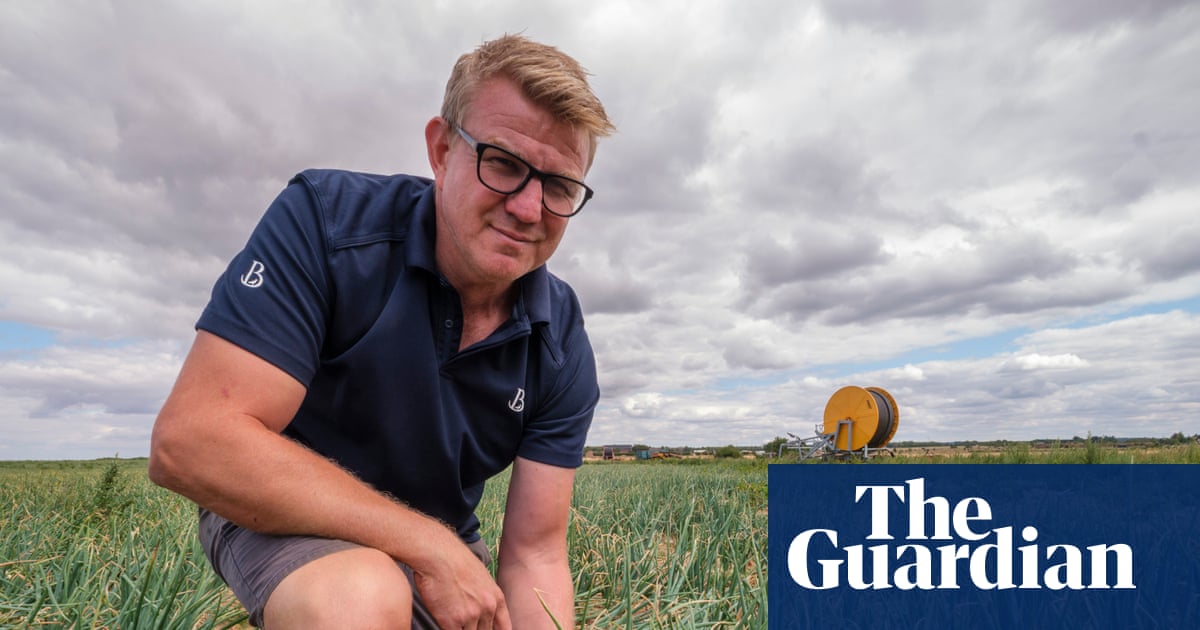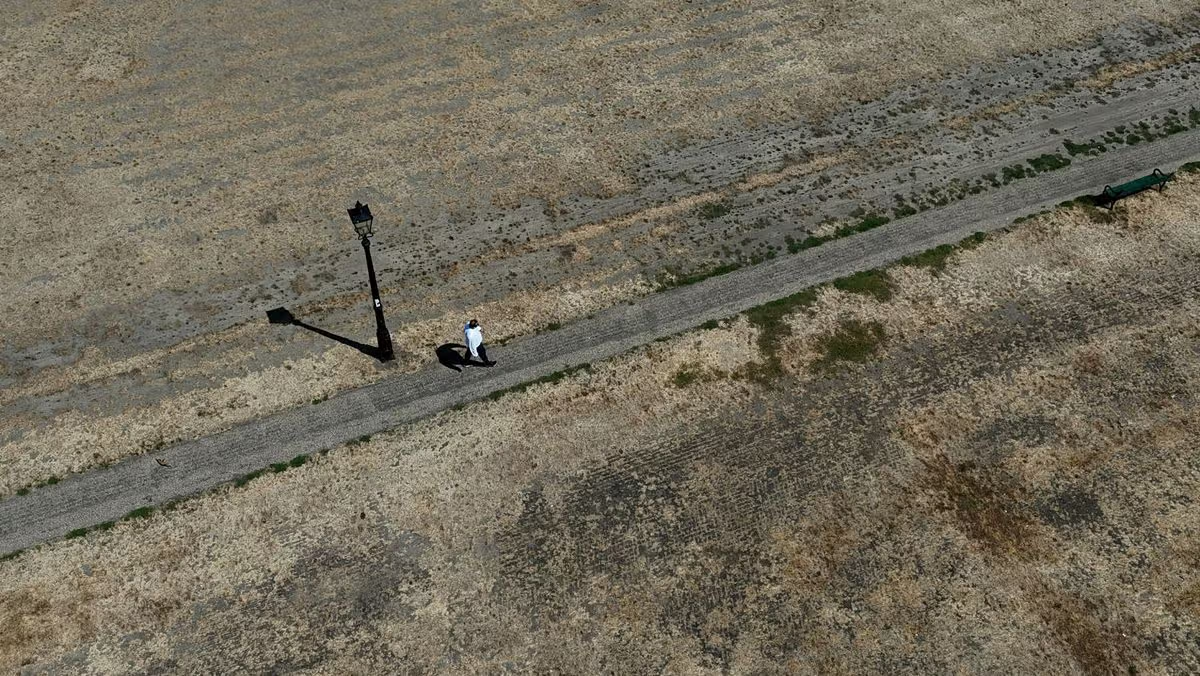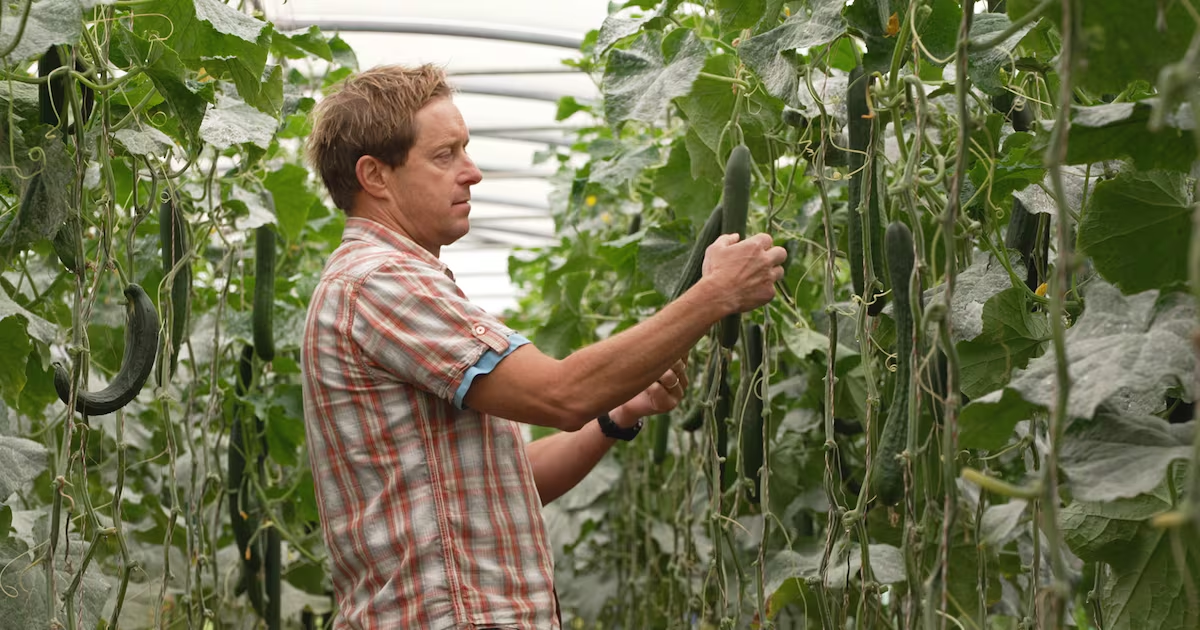
Fruit growers say hot, dry weather has hurt crops and made it more difficult to pick produceOrganic farmer Kenneth Keavey of Green Earth Organics in Co Galway posted a 'desperate' plea on social media for people to come and buy his courgette stock Sarah SlaterWed Jul 29 2026 - 06:00 • 4 MIN READVegetable farmers have been experiencing bumper harvests due to the recent stretch of hot and dry weather – but much of the produce is ending up dumped on compost heaps as consumers shun cooking hearty Irish meals due to the heat.Kenneth Keavey, who runs Green Earth Organics on 40 acres of organic certified land in Corrandulla, north of Galway city, has watched mountains of vegetables build up on his farm in recent weeks as the weather aided growth but hampered sales.Keavey has harvested 20 crops including kale, lettuce, cucumber, broccoli and cabbage over the past three weeks due to the dry and warm weather. He was even moved to post a “desperate” plea on social media for people to come and buy his ballooning courgette stock.His farm relies on sales of the courgette crop to survive financially from July to September, but he says there has been a drop off in orders due to the heat.“We now have a courgette mountain due to the amazing weather, which is fantastic for production, but that brings its own problems,” Keavey says. “All of the vegetable orders are being affected. People don’t want to cook because of the hot weather. So, with the courgettes, if you don’t harvest them in early morning and finish by midday, the vegetable cooks itself because of the heat.”The farm harvested half a tonne of courgettes last week, half of which went to waste. Keavey says this week will be “just as challenging”.“Last year the farm made a loss, and we have been spending the past six to seven months getting the land ready for harvesting from July onwards, hoping to have a good harvest,” he says. “Now we are – thanks to the weather – but people are not cooking. The last thing I want to be doing is dumping the crops on a compost heap. It’s extremely demoralising.”Although the warmer weather has helped some vegetable crops to grow, it has been the opposite story for many fruit growers.Des Jeffares on his blackcurrant farm in Ballykelly, Co Wexford Des Jeffares, who owns and runs Ballykelly Farms in Co Wexford, has been in operation since 1955 and is Ireland’s only remaining commercial blackcurrant producer. The farm has 60 acres dedicated to the fruit, but Jeffares says the crop is “suffering” from the heat.“We sell the blackcurrants for jam-making, juice, yoghurt-makers and the drinks industry,” he says. “Our cropping season would be seven to 10 days ahead of time and it’s down to climate change and a lack of rainfall.”He has attended conferences across Europe over the past number of years, and says the consensus is that a tougher type of blackcurrant grown in the likes of France is what is needed now for crops here to deal with the changes in the weather.“We are no longer getting the winter chill and there is a direct correlation with fruit cropping,” he says. “We are getting through the harvest much too quickly.“Late next week we will be cropping a variety of blackcurrant which is normally left until the middle of August. That is normally our banker crop. But the fruit will fall off if we don’t crop next week.”The entire blackcurrant market is now domestic since the UK-based makers of Ribena decided not to renew contracts to Irish growers in 2013.Philip Little of the Little Irish Apple Co in Piltown, Co Kilkenny, farms 45 acres, 22 of which are dedicated to Bramley cooking apples and the remainder to eating apples. He is one of three growers who supply supermarket chain Aldi. But the fruit, so far, is “looking small”, he says.“The apple trees are 36 years old and are well established. I am concerned about this year due to the heat but we will have to see if we get rain. We will have to get rain eventually. By September – when we harvest – we will know more then.“We would need to look at using irrigation but it is costly. It is a basic principle and there is a real need to install irrigation due to climate change but I can’t afford to do that.”[ Cattle coping with heat spikes, but farmers foresee problems if heat persistsOpens in new window ]Cornelius Traas of the Apple Farm, Cahir, Co Tipperary. Photograph: Patrick Browne Cornelius Traas of the Apple Farm in Cahir, Co Tipperary, is an assistant professor in the department of biological sciences at University of Limerick. His family has been growing fruit since the 1960s.He says fruit has been “trickier” for protected crops, because it can get “very hot” in the tunnels where they are grown.“We were picking at 5am, and getting out before midday,” he says. “Especially the tunnels with cherries and raspberries, which are netted to keep out the birds, can also get very humid, adding to the difficulty.”Traas installed an irrigation system on his farm several years ago. He says the soil is “very dry” while the average soil temperature in May, June and July has been 22 degrees.All the apples on the farm are grown outdoors and soil moisture deficits are “off the charts”. A deficit of 60 indicates plants are suffering from moisture stress, while a deficit of 200 is the maximum recording. “It has maxed out at that some time ago,” Traas says.“Having said that, the leaves are still green and healthy, and the fruit are still growing in size. Some of our orchards are irrigated with trickle irrigation, about five litres per tree per day, and these are doing very well.“But in Ireland the majority of orchards don’t have irrigation, as it would not be justified in most years, and in some locations, wells might not have enough water in a dry summer.”IN THIS SECTION
‘Extremely demoralising’: Veggie farmers say bumper harvest going to waste in hot weather
Fruit growers say hot, dry weather has hurt crops and made it more difficult to pick produce
1,006 words~5 min read