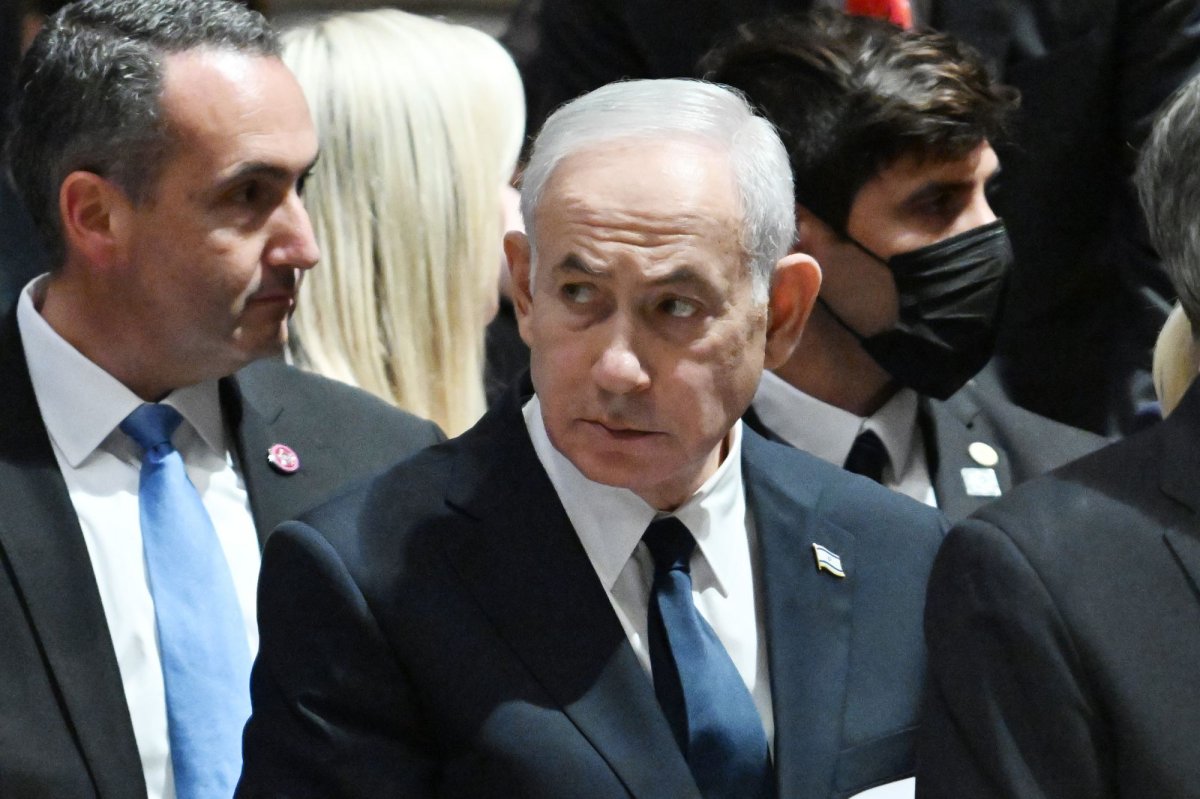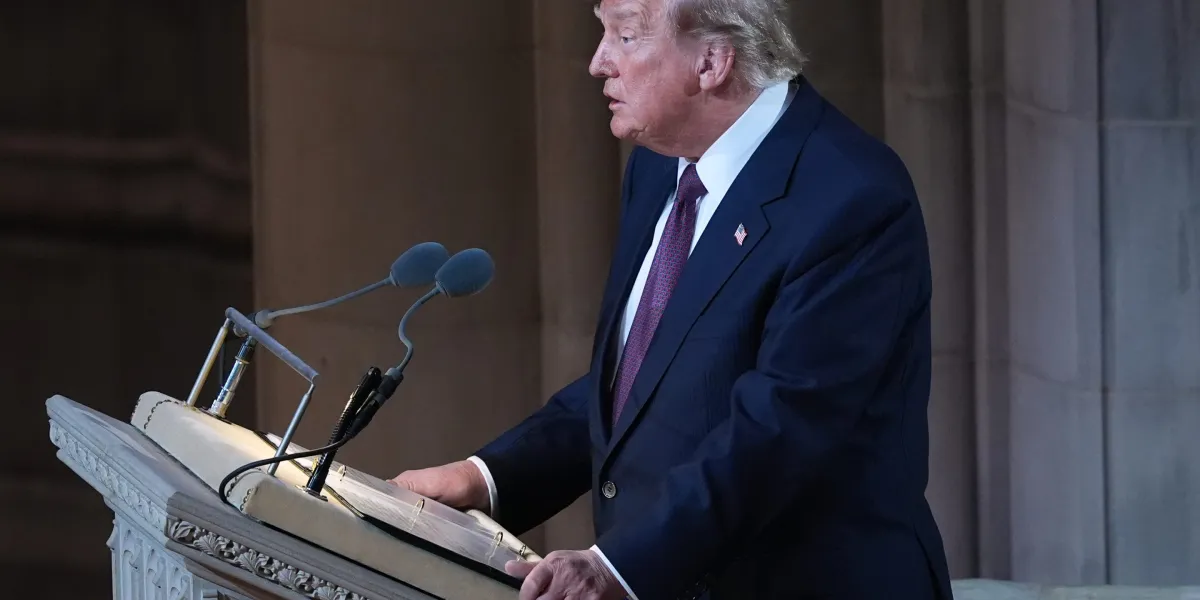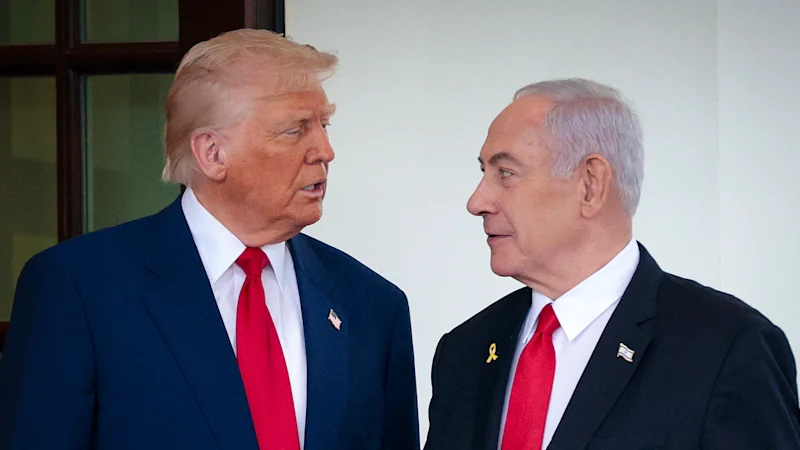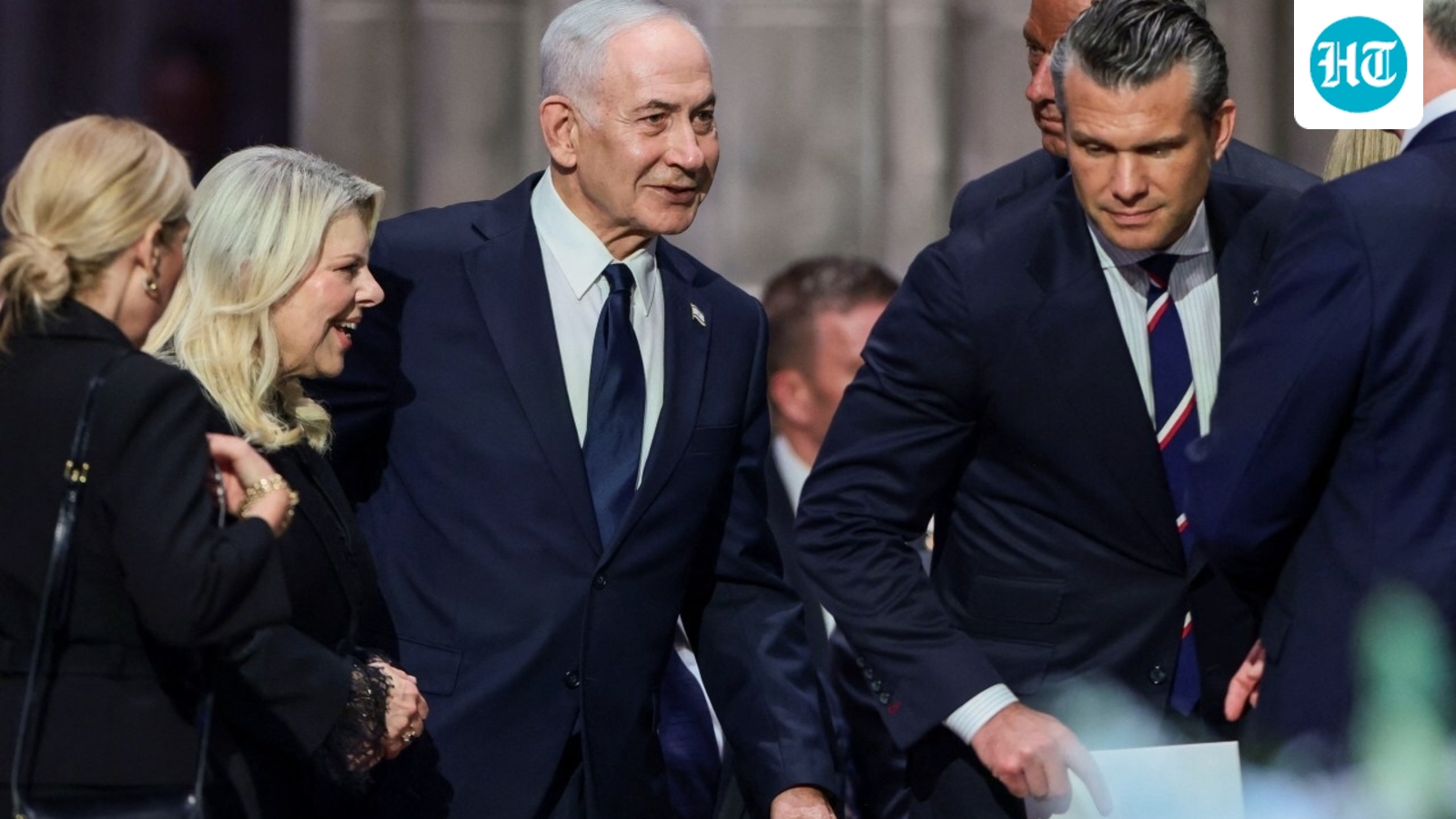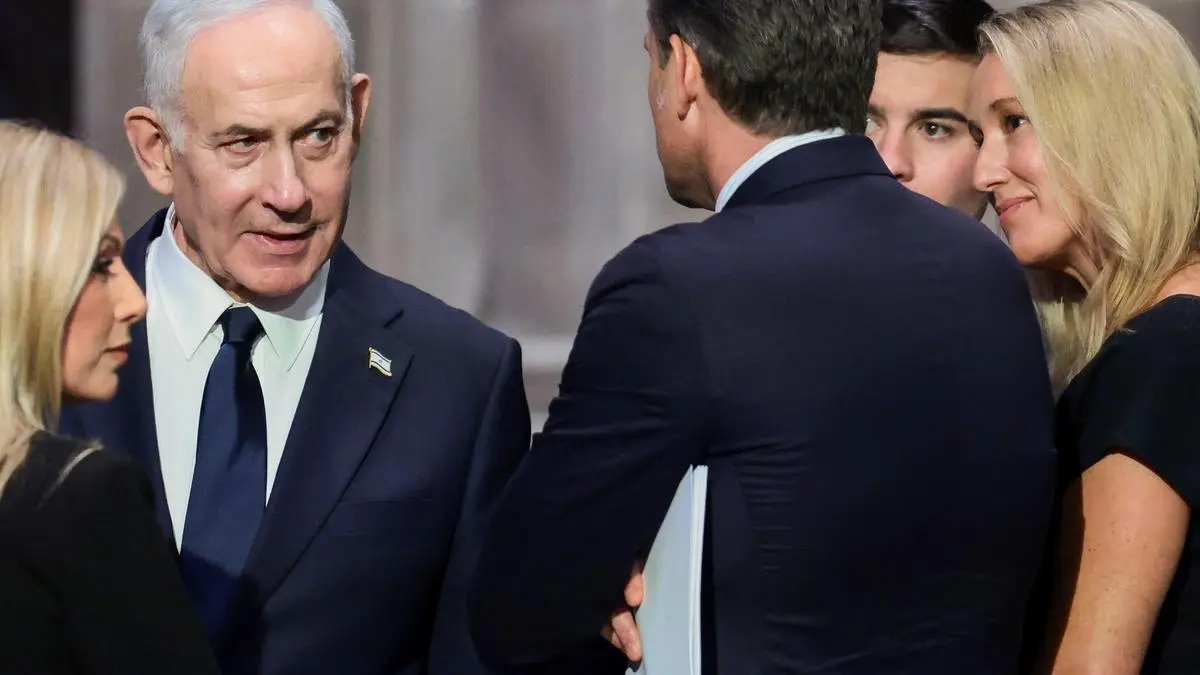
Israeli Prime Minister Benjamin Netanyahu, U.S. Defense Secretary Pete Hegseth and other officials on the day of the funeral service for late U.S. Senator Lindsey Graham (R-SC) at Washington National Cathedral in Washington, D.C., U.S., July 28, 2026.
| Photo Credit:
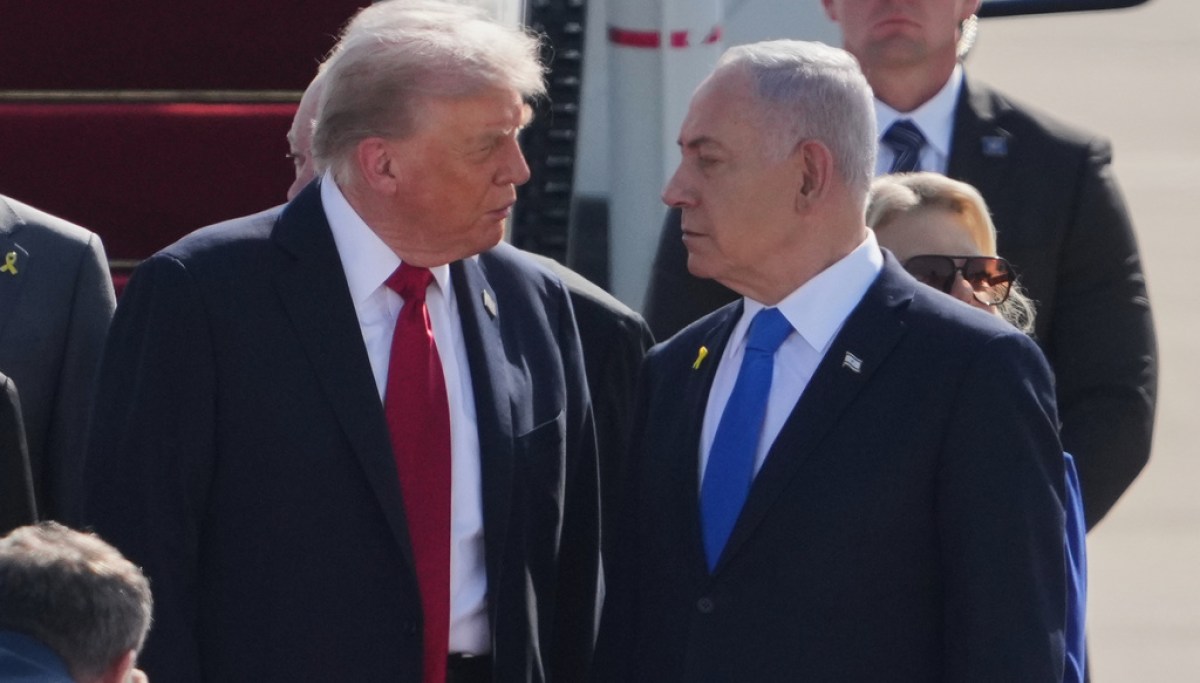
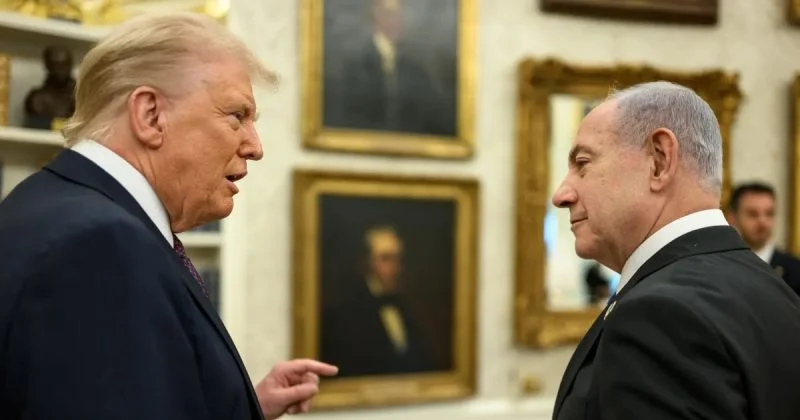
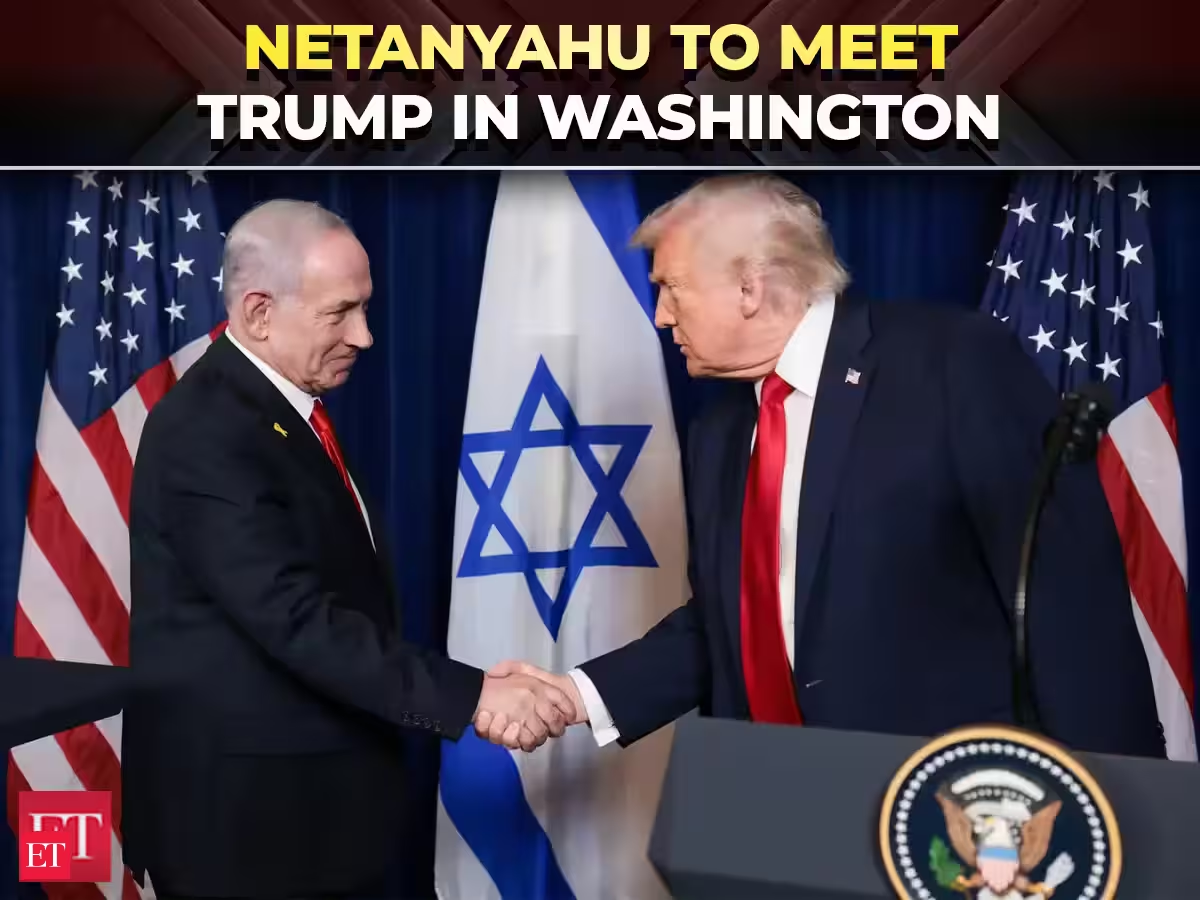
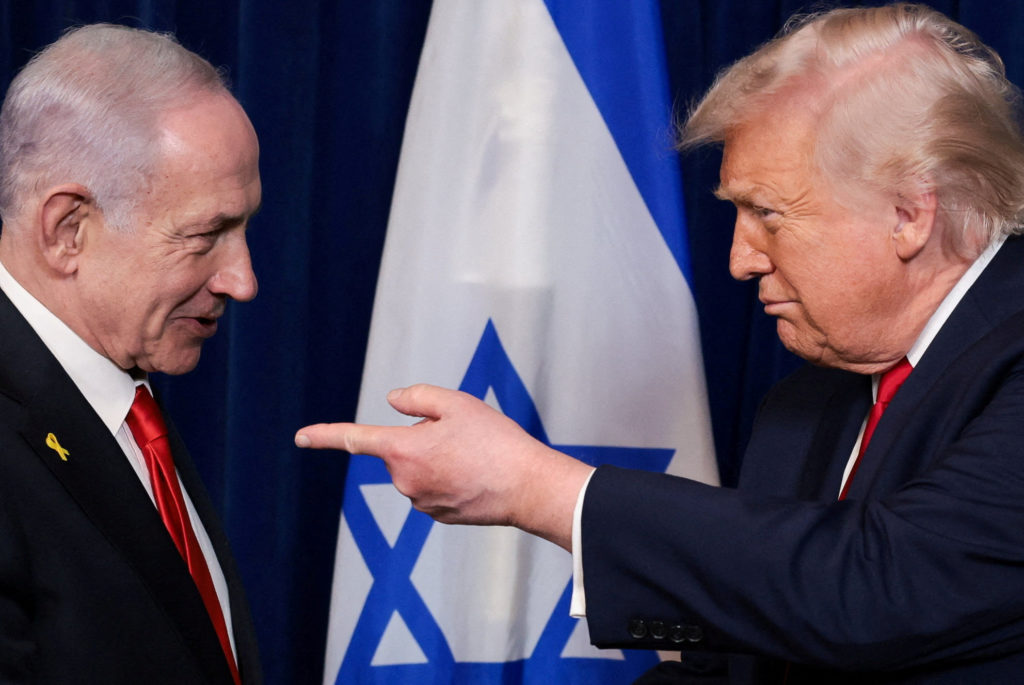
US President Donald Trump welcomed Israeli Prime Minister Benjamin Netanyahu to the White House Tuesday as the US leader sought to avoid renewed bombing in Iran and instead laid the ground for further diplomacy after both sides paused tit-for-tat strikes.“I think we have a very strong position right now,” Trump told Fox News on Tuesday. He reiterated his threat to bomb Iran’s major bridges if no agreement can be reached, but added “if I can avoid doing that, I’d like to do that.”Trump’s comments came four days after the US ended roughly two weeks of strikes on the Islamic Republic. Hostilities had resumed when peace negotiations over the Strait of Hormuz broke down. In turn, Iran paused retaliatory fire on Gulf states. Brent crude oil has plunged to below $84 a barrel since the sides paused skirmishes, down from more than $100 last week following the flare up in fighting.A spokesman said Netanyahu, in Washington for the funeral of longtime Iran hawk Senator Lindsey Graham, had an “excellent” meeting with Trump and backs whatever path Trump decides to pursue with Tehran. Israel “fully supports whatever path the president chooses to take,” Doron Spielman told Bloomberg. “It can either be taken care of the easy way — through negotiations, which everyone would prefer — or the hard way.”A second Israeli official said the prospect of the US selling F-35s to Turkey, which Israel opposes, did not come up in the meeting. Neither did the future of Iran’s Pickaxe Mountain, which the US and Israel suspect is a nuclear site and Trump has threatened to target, Tzipi Hotovely told reporters. Trump also did not pressure Netanyahu to speed up operations in Gaza or withdraw troops from Lebanon, Hotovely said. In the region, negotiators from Iran and Oman are working on an agreement to restart substantial shipping through the Strait of Hormuz, a move the a move that would enable Iran and the US to resume formal negotiations about Tehran’s nuclear program and permanently end their war, according to people familiar with the situation, asking not to be identified speaking on sensitive matters.Omani and Iranian negotiators met in Tehran over the weekend and discussions are ongoing, the people said. Omani officials hope to make an announcement signaling progress in the next few days, the people said. Tehran isn’t satisfied with Oman’s offer for shared control over the strait, an Iranian official told state television.The latest easing in oil prices will likely trigger a fall in US gasoline costs, easing pressure on Trump. Gasoline has spiked during the height of summer driving season, souring Americans on the already unpopular war effort — and Trump’s Republican Party — ahead of November’s midterm elections that will determine control of Congress. Despite the let up in attacks, tensions in the region remain high. Few vessels are moving through the Strait of Hormuz — at least with their transponders turned on — as Iran continues to threaten any that try to transit without its permission.The US has reinstated its own naval blockade to prevent ships docking in Iranian ports. More stories like this are available on bloomberg.comPublished on July 29, 2026