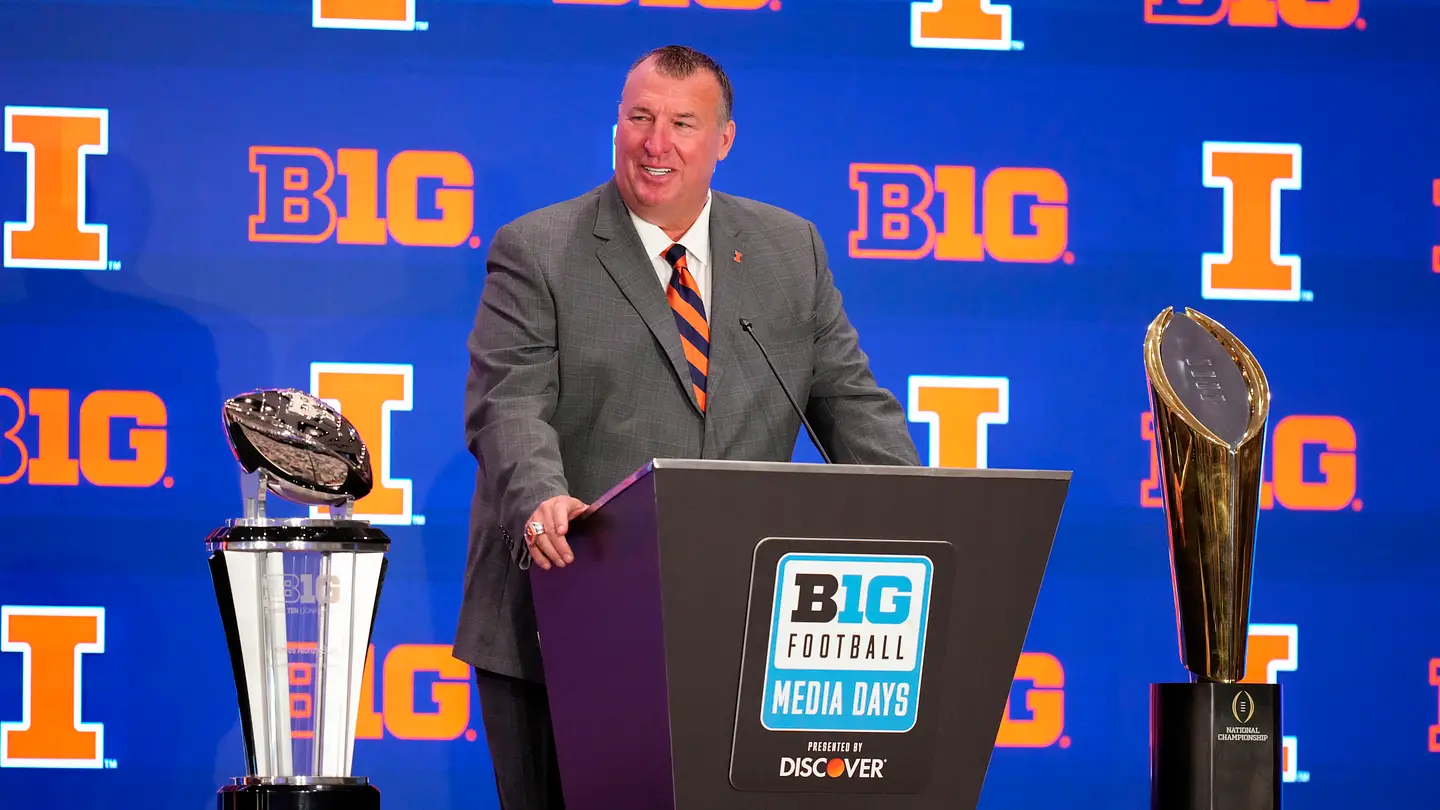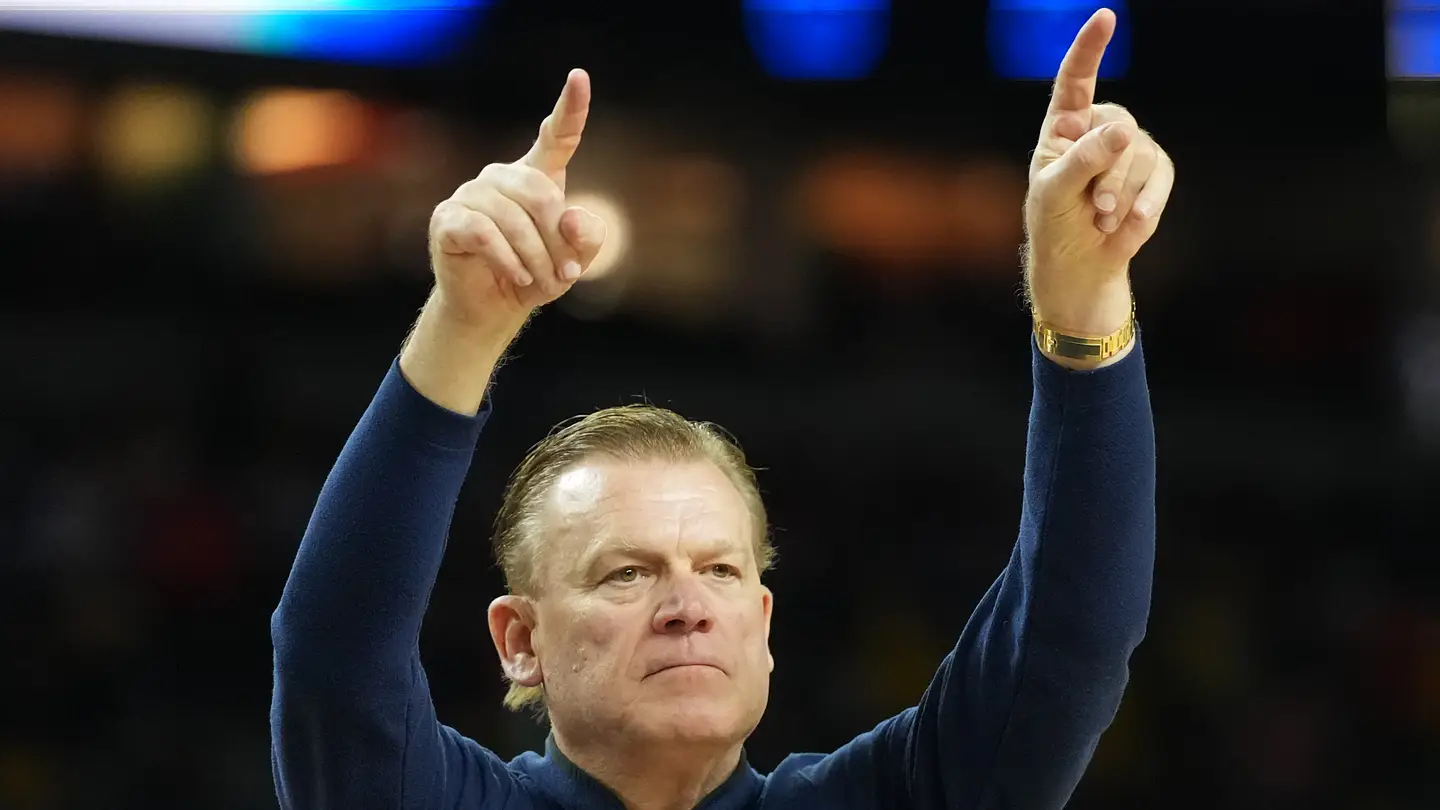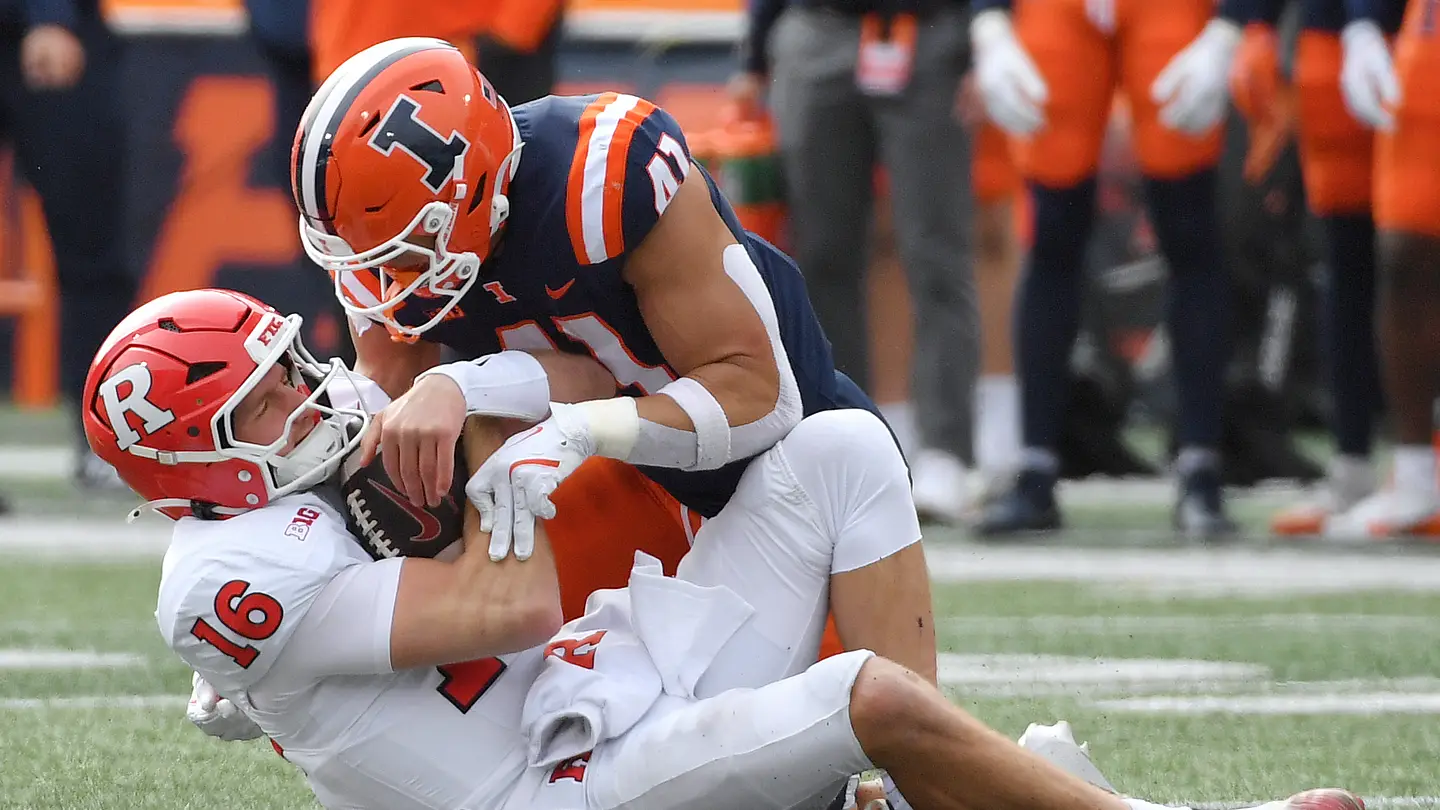
For almost the entirety of Illinois football's 2025 season, no one seemed willing to address the elephant in the room:The Illini couldn't get stops.Which is too bad, because former defensive coordinator Aaron Henry rarely had answers for opposing offenses during the Big Ten season, and given how dire things got, he could have really used a two-ton pachyderm to clog things up inside.A lot has changed in a few months. Out is Henry, and taking his place has been former Montana head coach Bobby Hauck. Also set to make its debut in Champaign in 2026 is Hauck's 3-5-5 defensive scheme, which has been a hot, if misunderstood, topic of the offseason.How much does Bobby Hauck's 3-3-5 alignment really matter?The truth? Not a great deal. The Illini D was clearly crying out for wholesale changes by the end of last season, when it finished 13th in the Big Ten in average first downs allowed (20.1), 12th in scoring defense (23.6) and total offense allowed (344.9 yards), and ninth in turnovers (1.2). But guess which alignment Illinois' defense favored in 2025 more than any other (and by a long shot)?"So last year, structurally, we played a 3-3-5 scheme in 90 percent of our snaps," Illini coach Bret Bielema said Tuesday at Big Ten Football Media Days. "So it's labeled that way. It's a different way of saying it, but this defensive scheme is uniquely different."When the Illini trot their 11 out on the field against opposing offenses this fall, their defensive personnel will likely look pretty familiar. Even where they align – especially initially – may not feel all that different from last season. But the approach? Expect it to look nothing like that under Henry.Hauck's defenses traditionally are characterized by a lot of pre-snap movement, late flooding or dropping out of the box and blitzing from many angles and positions. It's controlled chaos, but if done properly, it can terrify – or at least force mistakes or hesitation from – opposing offenses.Why Bret Bielema was drawn to Bobby Hauck's schemeThe Hauck 3-3-5 sounds exciting on paper, but that excitement can swing both ways. Pre-snap movement demands assignment discipline across the board. A blitz puts pressure on the secondary. Pressuring an offense means potentially exposing areas of a defense. Greater rewards make for higher risk.But Bielema likes what he sees (perhaps especially after Henry's bend-but-don't-break defenses of the past couple seasons featured entirely too much bending – and too often still broke in the end). He believes Illinois' defense had become predictable and too familiar to Big Ten opponents."I think in Big 10 play, to prepare for a unique offense or defensive scheme in a work week is really, really hard," Bielema said. "When I got into the league [in 2021, Bielema's second Big Ten tour], the defense we were running, there were about two or three teams that ran it. Last year, at the end of the year, there were about 12, you could say 13 teams, that ran a variation of our defense more than anything else. So we'd become a really routine prep, and I want to have something a little bit more unique."Beyond its novelty, what Bielema values most from Hauck's scheme is its low barrier to entry. He says it's a defense that allows new players to catch on quickly and make an impact sooner than they might in another scheme. Given his strong feelings about the need to adapt to NIL and the transfer portal, that stands to reason."We played against it a couple years ago when we played Mississippi State in the [2022 ReliaQuest Bowl]" Bielema said. "So there's a few teams that have run it, but it's very unique and different. And I think that the biggest factor for me is, I wanted to get a way that we could play a defense that players could come in and transfer into and play easily. In addition to, build something a little bit unique."Add us as a preferred source on GoogleFollow
What Bret Bielema Expects Out of His New Illinois Defense
The Illini struggled to get opponents off the field the past two years, so they overhauled the defense with specific goals in mind
666 words~3 min read