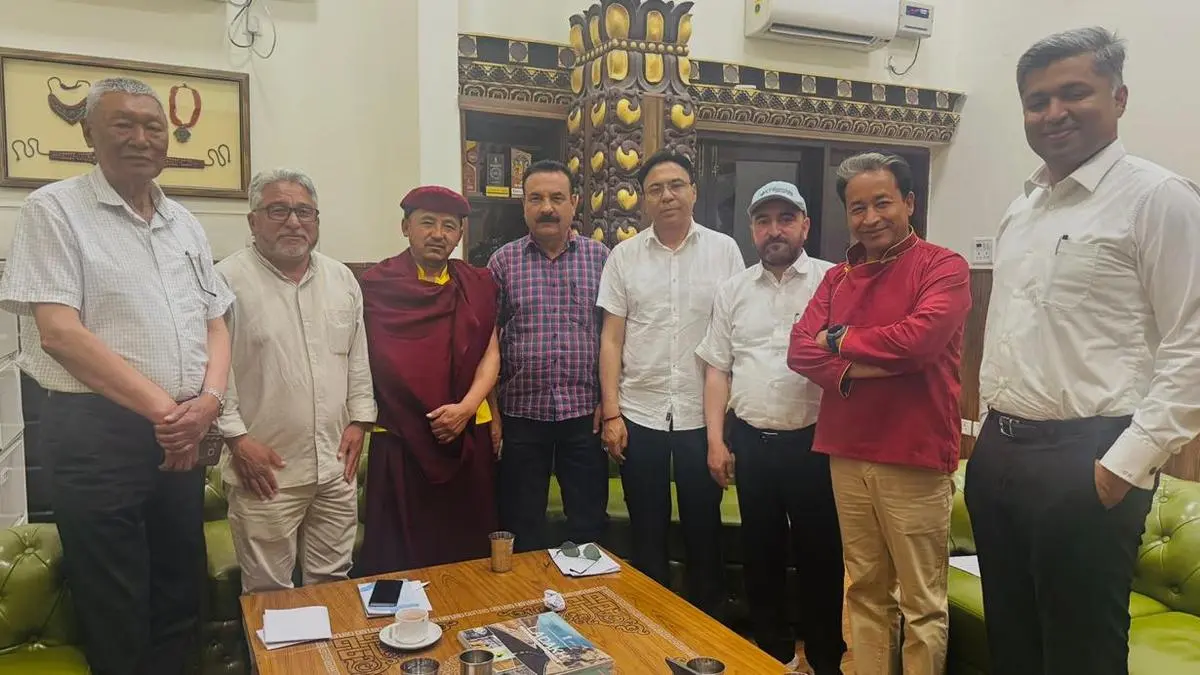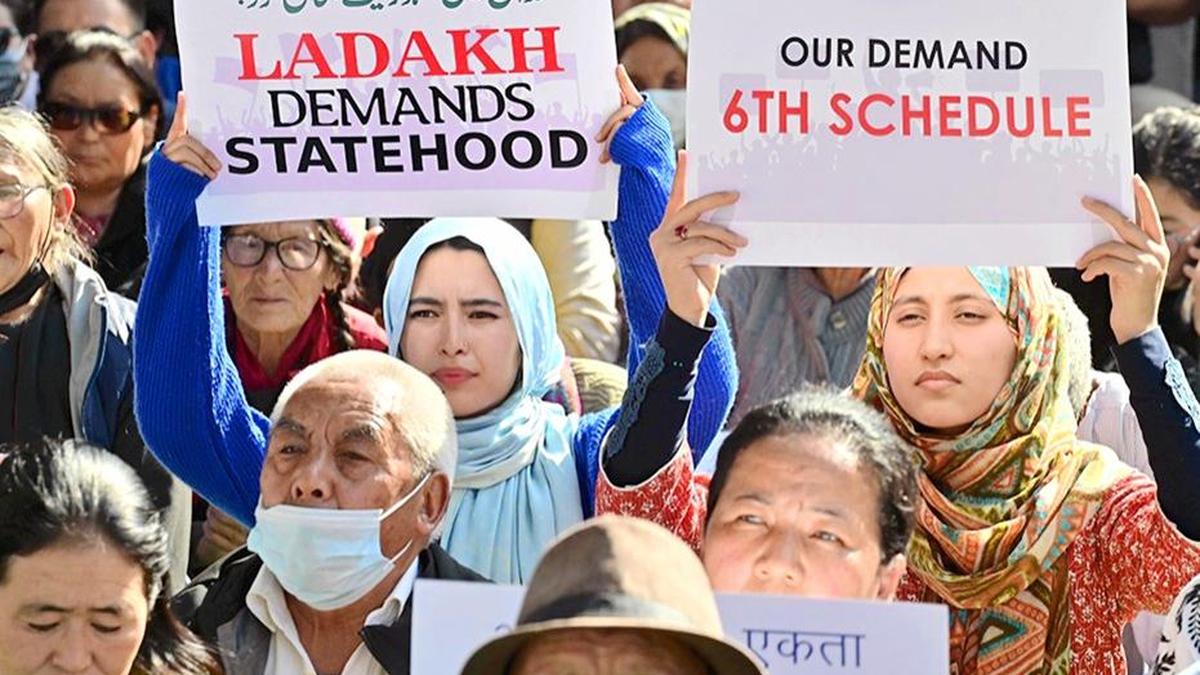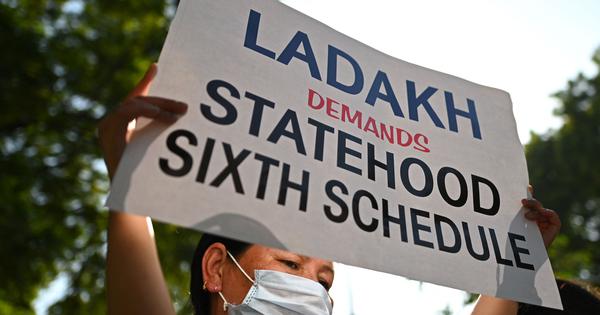
While public attention was justifiably focused on Ladakhi activist Sonam Wangchuk’s fast in Delhi, in support of the demands of the Cockroach Janta Party relating to education, there was quiet movement on the Union Territory of Ladakh’s long-standing demand for Constitutional safeguards.At a meeting in late May between officials of the Central government and representatives of the Ladakh movement, whose minutes were confirmed in early July, there appears to have been a tentative breakthrough.The movement has been demanding statehood and Sixth Schedule status – which would give Ladakhis considerable control over key decisions – for the moment, the agreement is more limited.According to the official minutes: “It was unanimously decided that while statehood would remain the long-term aspiration of Ladakh, in the present situation, as a first step, an appropriate customized model of governance by establishing a UT level elected body with executive, financial and legislative powers would be established.” As part of this, the elected body would have control and supervision of civil servants, including issuing their Annual Performance Appraisal Reports, documents that are crucial for the reputation and promotion chances of bureaucrats.From the minutes, the precise nature of the elected body that will be established is not yet clear. There has been discussion about using Article 371 of the Constitution, under which some states have varying degrees of independent administrative, political and legal powers.Nagaland, for instance, has the power to reject national laws and frame their own, as long as these are Constitutionally valid. Article 371A gives considerable powers to village councils. The minutes state that Ladakh could adopt a “customized sui generis model” and a draft containing details including executive, financial and legislative powers would be prepared.
How Ladakh’s proposed elected governance body can safeguard the region
In their draft to the Centre, the Apex Body Leh and the Kargil Democratic Alliance should pick constitutional provisions for autonomy over land and resources.
1,320 words~6 min read