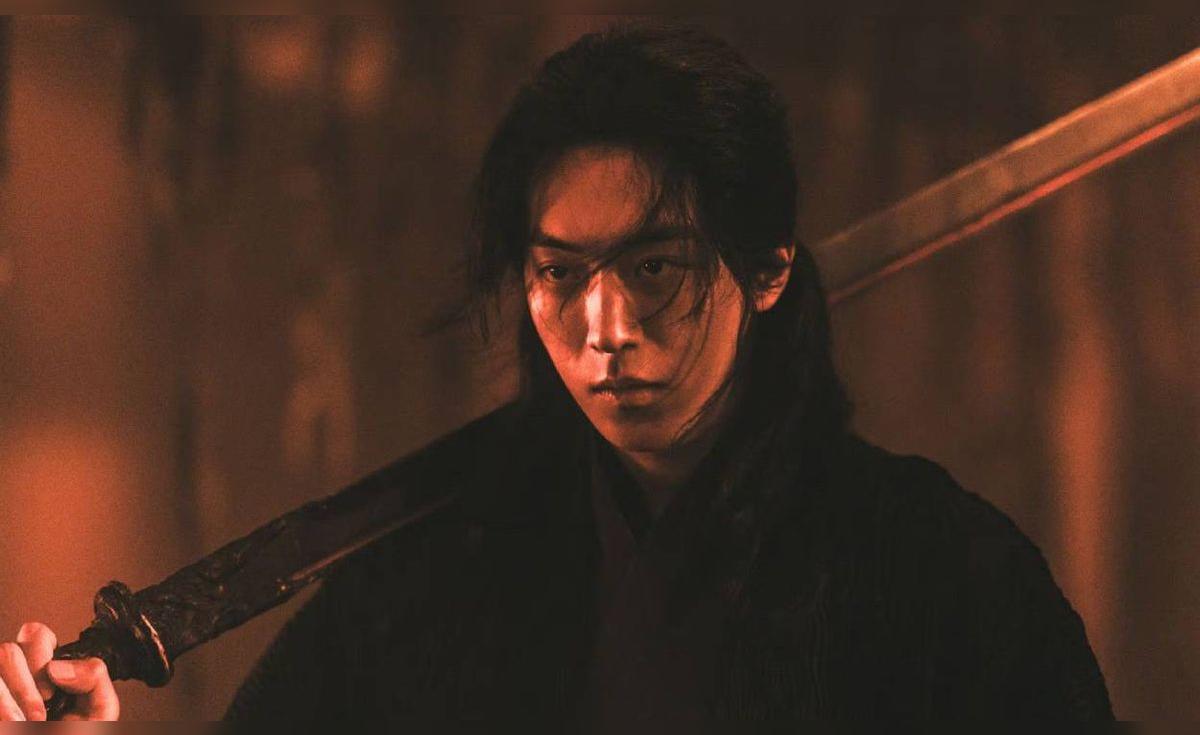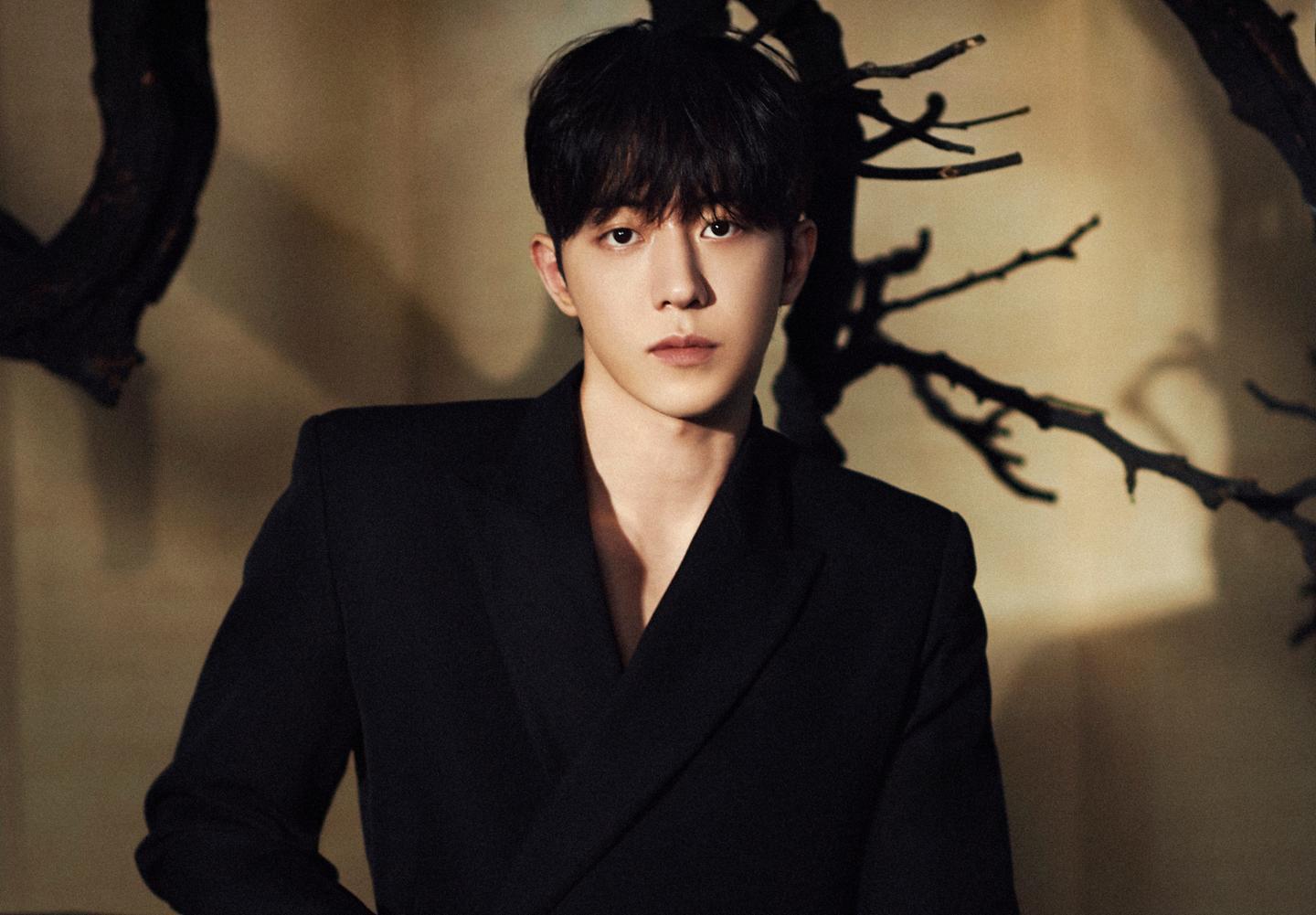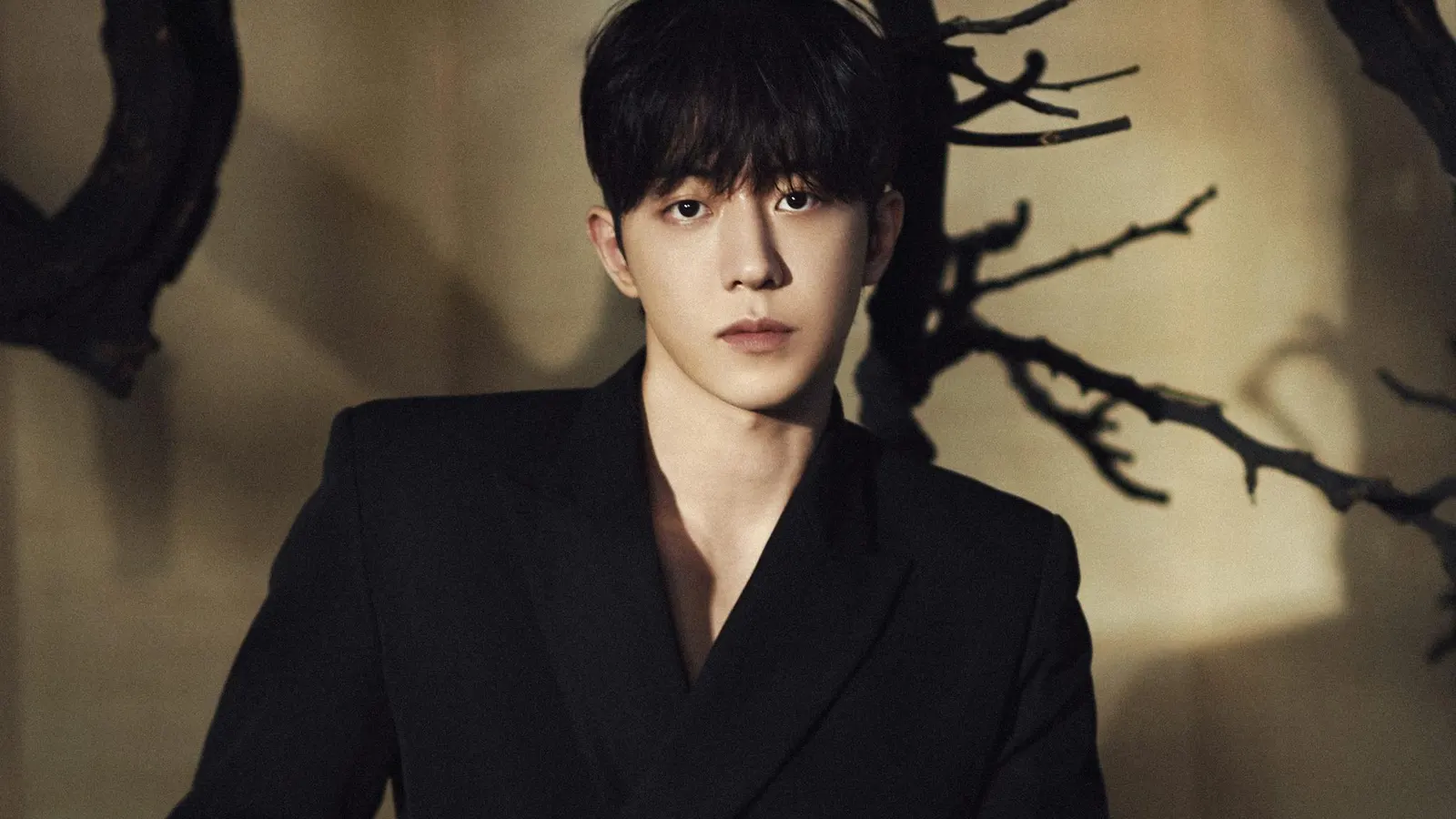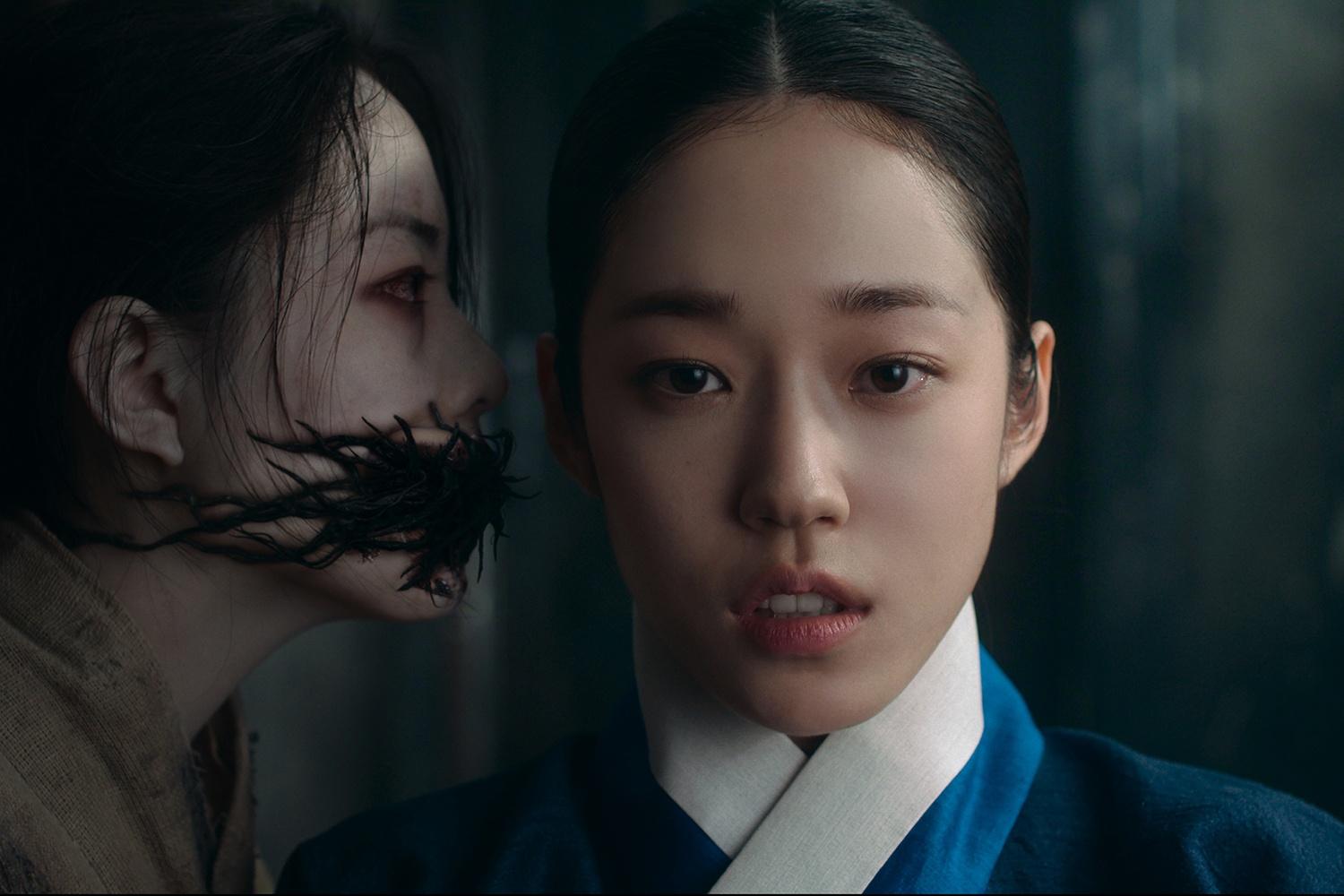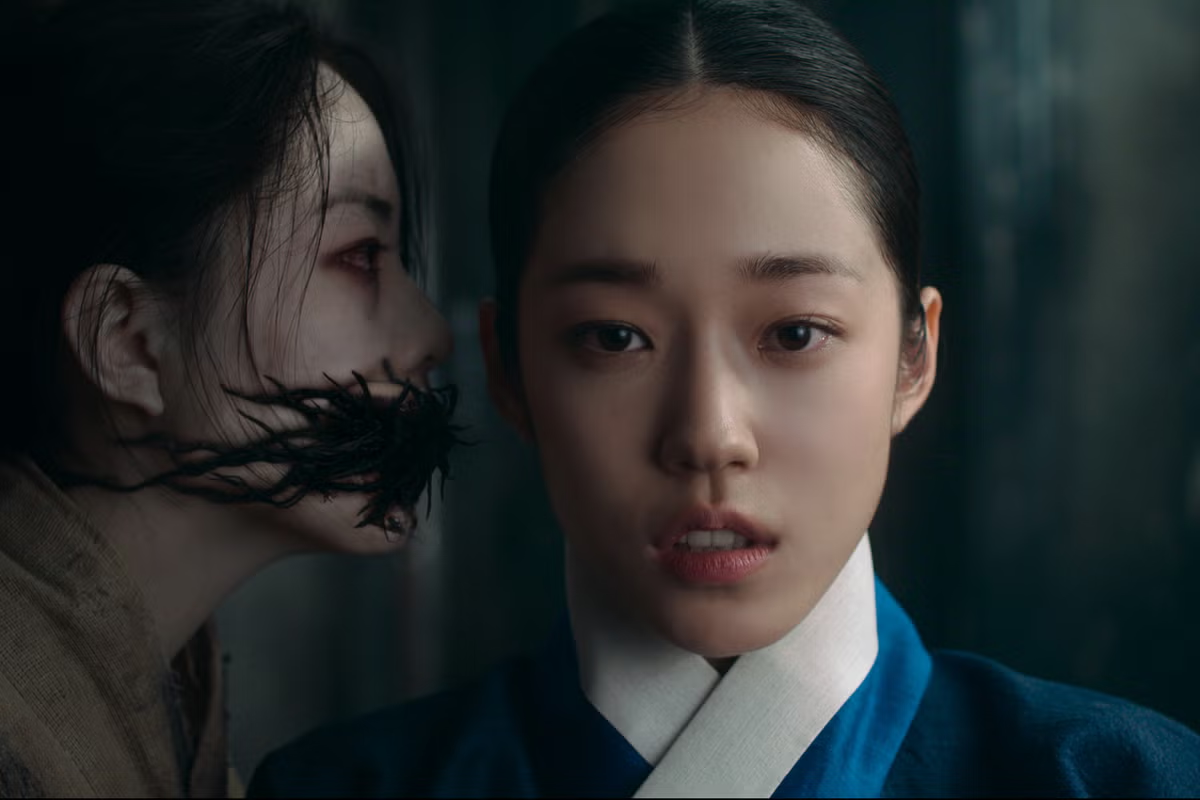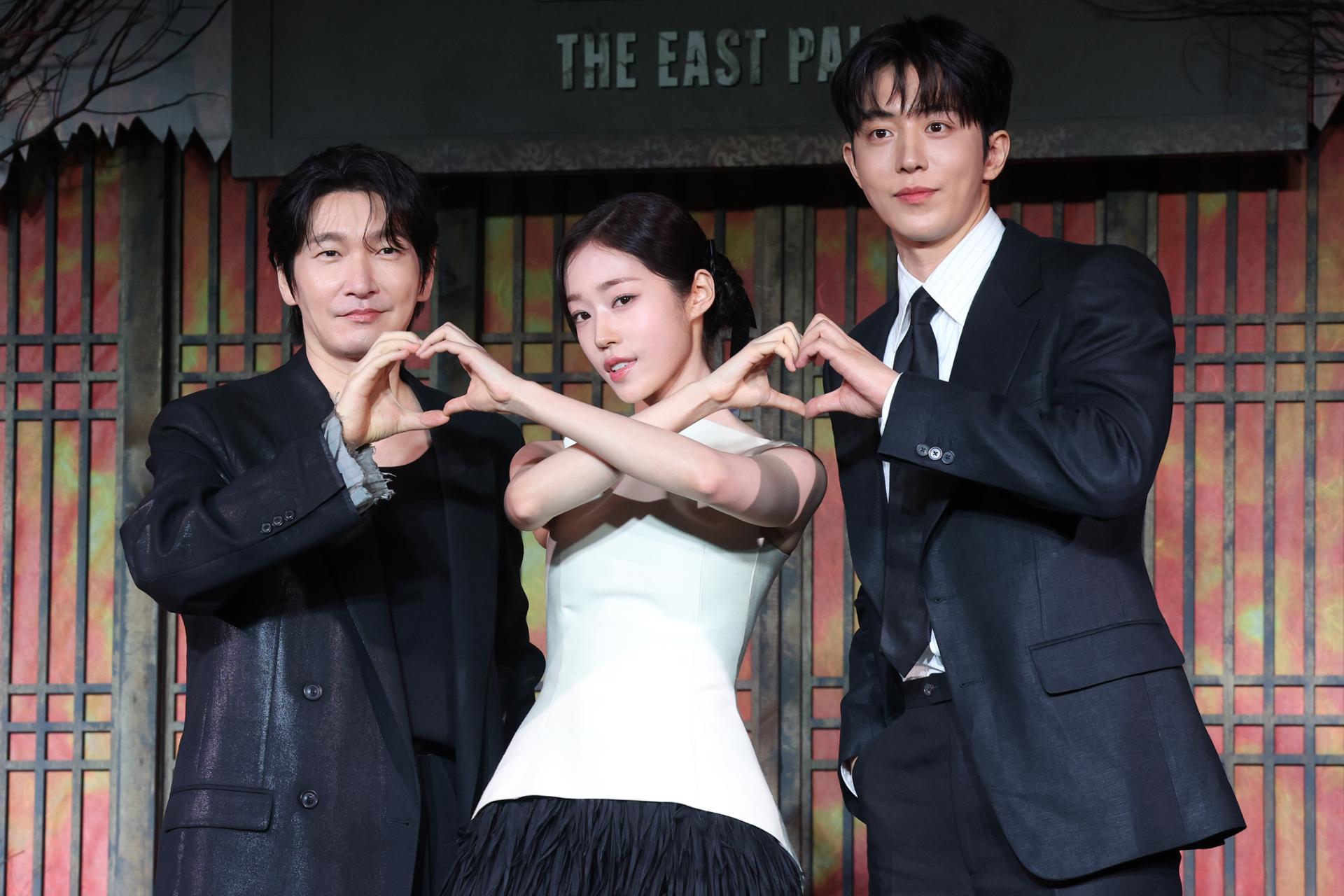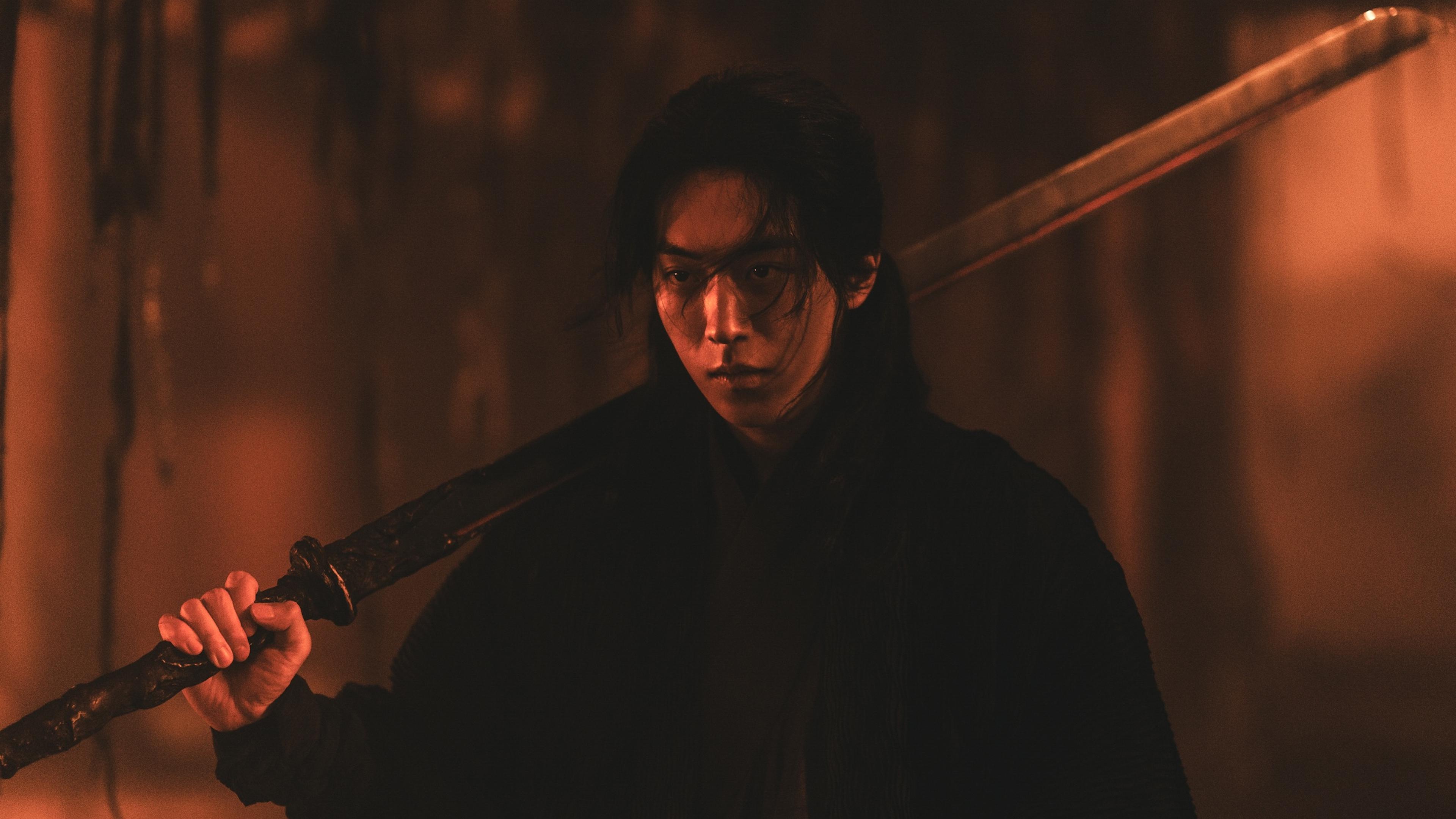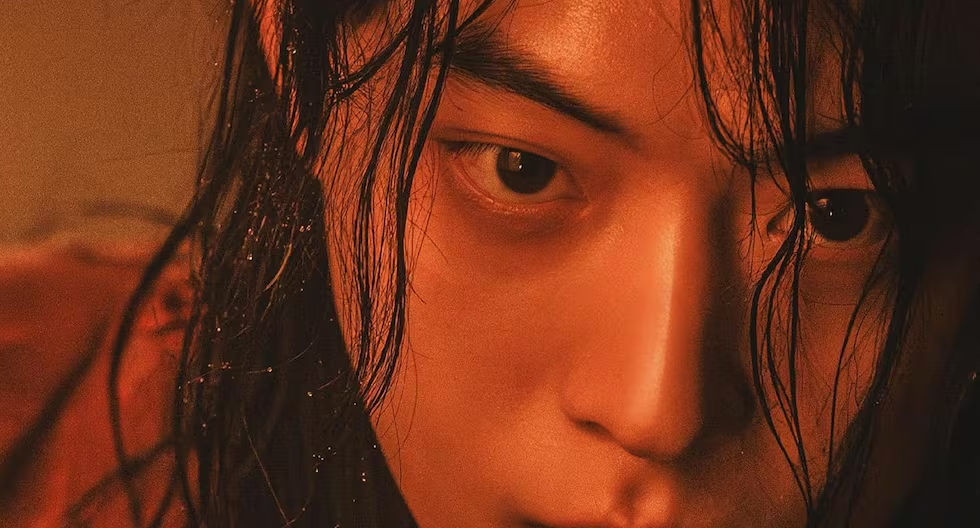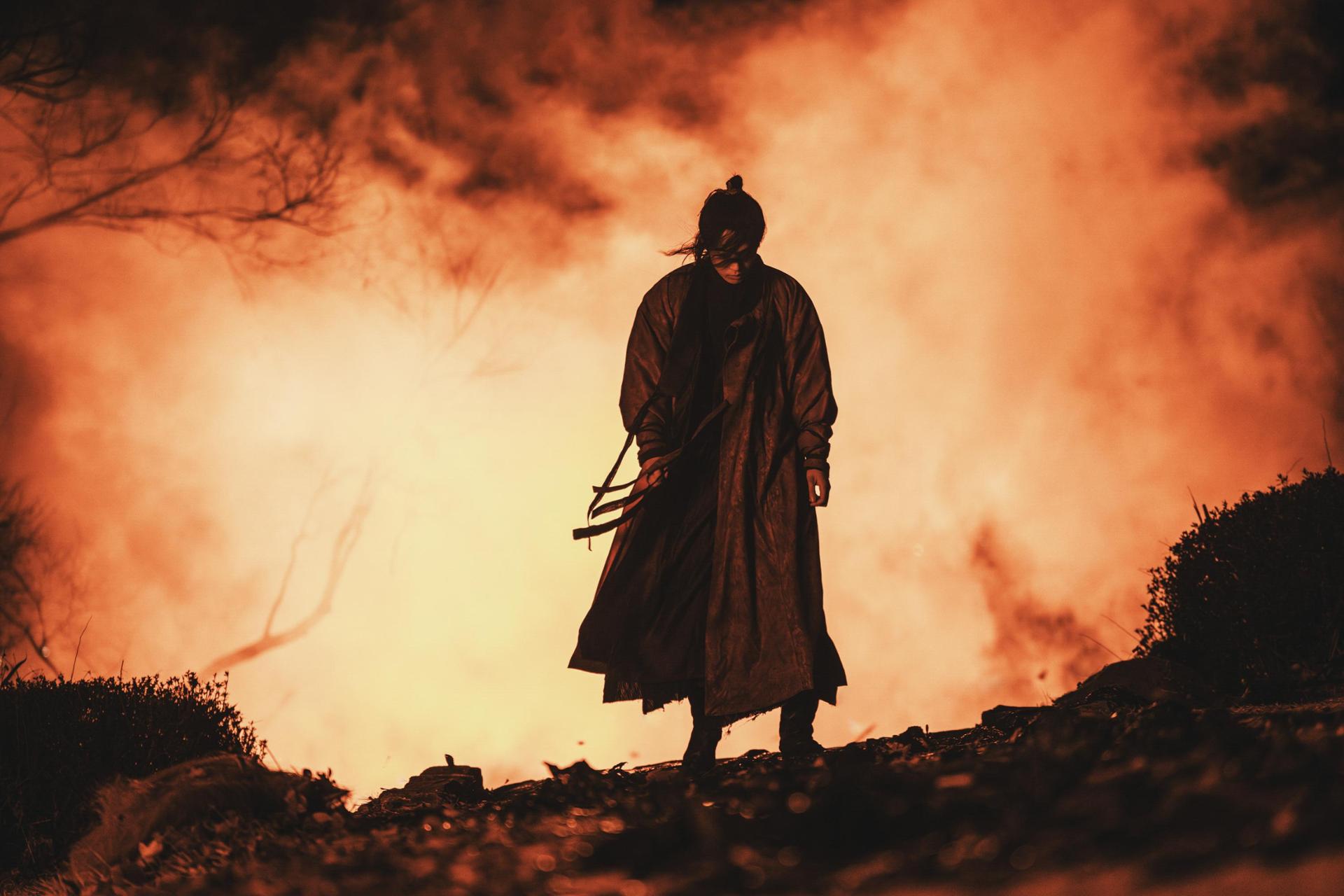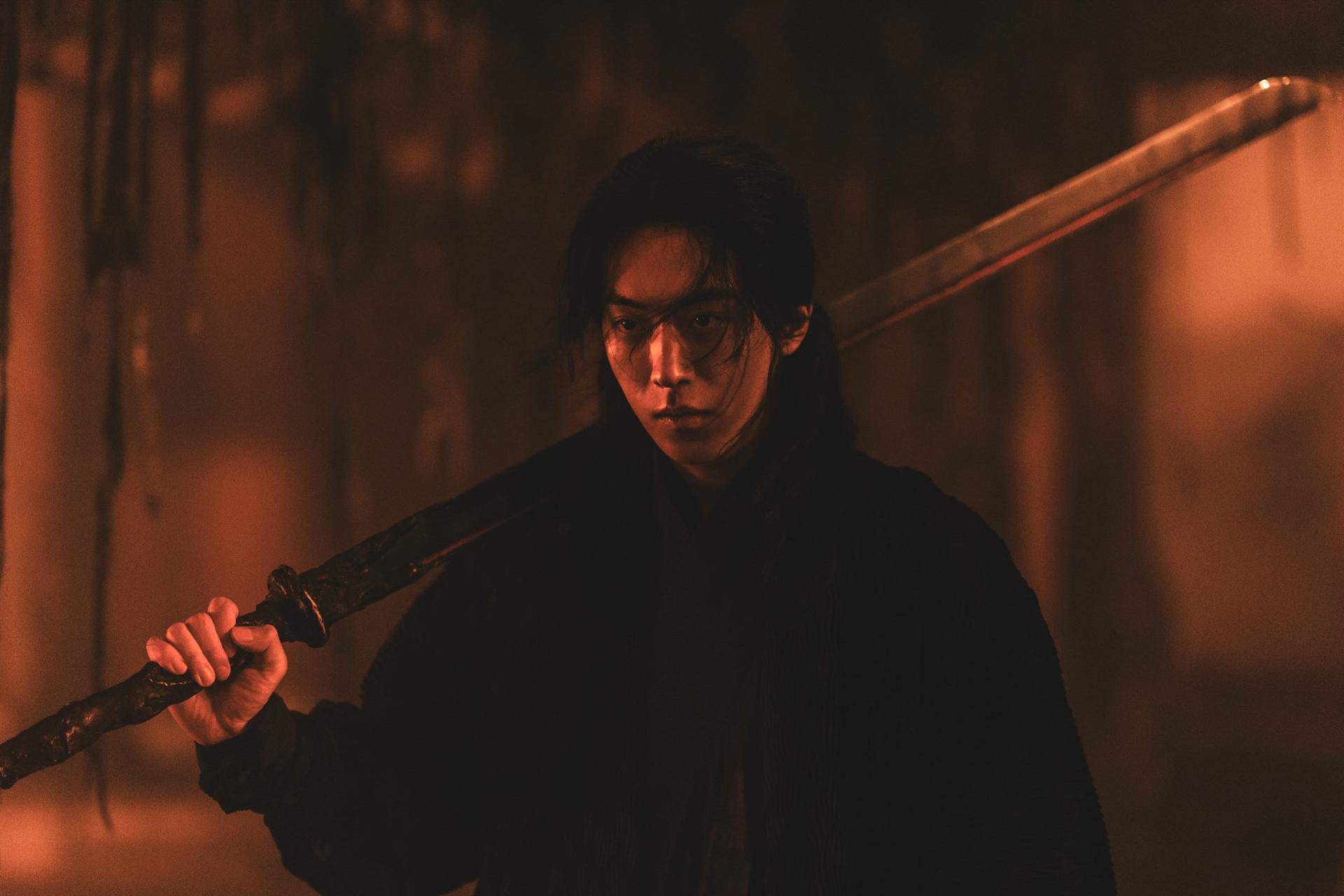
From the Korean 'Groot' Ggeokmeoksali to intricate royal robes, discover the cultural traditions that bring 'The East Palace' to lifeThe Joseon-era mystery drama "The East Palace," starring Nam Joo-hyuk and Roh Yoon-seo, has won over global audiences, nabbing the No. 2 spot on Netflix's non-English TV chart in its second week.The series follows an investigation into spectral presences haunting the royal grounds, spinning a narrative rooted in Korea’s tapestry of history, ritual and supernatural folklore. Understanding the nuanced cultural motifs embedded throughout the series might offer a deeper appreciation of its world.The symbolic significance of the East Palace "The East Palace" (Netflix) In Joseon-era Korea, the name "East Palace," or "Donggung" in Korean, referred to the official residence of the crown prince. Positioned to the east of the primary palace — the seat of the king's governance, enthronement ceremonies and foreign diplomacy — the sanctuary held deep symbolic meaning within the Joseon-era royal court.Aligned with the rising sun, Donggung represented the future ruler charged with carrying the kingdom into a new era. This symbolic ties extended to its alternate moniker, "Chungung," or "Spring Palace," which likened the heir to a season of blooming life and renewal. The Netflix series transforms this sanctuary into an epicenter of terror, where a string of mysterious deaths threatens the royal bloodline.Gwi-mae and its lores "The East Palace," starring Ggeokmeoksali (left) and Nam Joo-hyuk (Netflix) Central to the show's supernatural mystery is the concept of "gwi-mae," a term originating in traditional Korean folklore to describe entities born from anomalous energies in nature. Netflix's "The East Palace" expands this premise into an overarching category for monsters and goblins born from long-festering malice and negative spiritual forces.The series introduces several distinct entities, most notably Ggeokmeoksali, a parasitic creature that drains human vital energy and can induce fear. Though initially appearing to be endearing, it possesses the ability to transform into a terrifying force at will.The creature takes inspiration from oral Korean folklore, where it was depicted as a dark, childlike entity. However, the show's creators reimagined the creature with a distinctly cinematic touch, giving it a stone-like face, oversized eyes and the ability to grow to massive proportions in the spirit realm.On the more overtly hostile end of the spectrum is Jeong-yeo-woo-hoo, a menacing entity that corners Gu-cheon (Nam Joo-hyuk) near a well. Traditionally regarded in historical folklore as a benevolent entity associated with good fortune and divine blessings, often depicted as a bovine spirit inhabiting a well, the show subverts the legends into a lethal threat.Shamanic gut rituals "The East Palace," starring Lee Hong-nae as he performs gut (Netflix) Shamanic traditions serve as a major thematic pillar in "The East Palace," particularly through the depiction of ritual "gut" ceremonies performed by a male shaman attempting to thwart Gu-cheon (Nam Joo-hyuk)'s moves in the spirit realm.Dating back to the ancient Gojoseon period, the indigenous practice of gut remains an active part of contemporary Korean cultural heritage. Spearheaded by shamans — mudang for women and baksu for men — the ceremonies integrate music, rhythmic movement, incantations and theatrical performance to commune with spirits and avert misfortune. Within the show, the sequences capture the flow of traditional rituals — with the shaman summoning deities and presenting offerings while clad in the traditional vestments.Sartorial hierarchy and royal attire "The East Palace," starring Cho Seung-woo (Netflix) Beyond its supernatural elements, "The East Palace" offers a look at Joseon era royal fashion, using wardrobe distinctions to stress the strict power dynamics between the king and his heir.During routine administrative duties, the king wore a vibrant red dragon robe, whereas the crown prince donned a dark indigo variant. Historically, both figures initially wore red until King Seonjo altered the protocol during the late Joseon period to establish a clearer visual hierarchy with Crown Prince Gwanghaegun.The division of power extended to the embroidered dragon insignias on their robes. The monarch's garment displayed a five-clawed dragon, signifying absolute authority, while the prince's robe featured a four-clawed dragon, denoting his status as heir rather than sovereign.For grand state ceremonies and ancestral rites, the sartorial distinctions grew more pronounced through formal "myeonbok," a kind of hanbok, attire. The king donned a nine-strand beaded crown paired with a ceremonial robe adorned with nine symbolic motifs. By contrast, the crown prince wore an eight-strand beaded crown and a robe featuring seven motifs, visually reinforcing the boundaries of royal lineage and rank. "The East Palace," starring Gwak Dong-yeon (Netflix)
A guide to the history and folklore woven into 'The East Palace'
The Joseon-era mystery drama "The East Palace," starring Nam Joo-hyuk and Roh Yoon-seo, has won over global audiences, nabbing the No. 2 spot on Netflix's non-E
740 words~3 min read