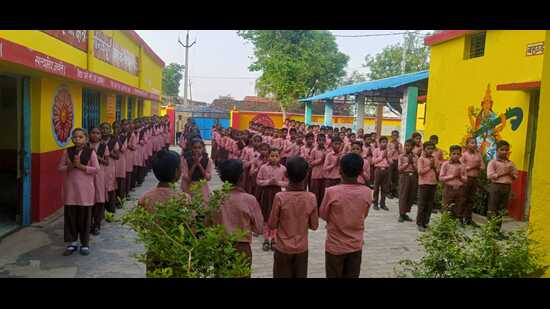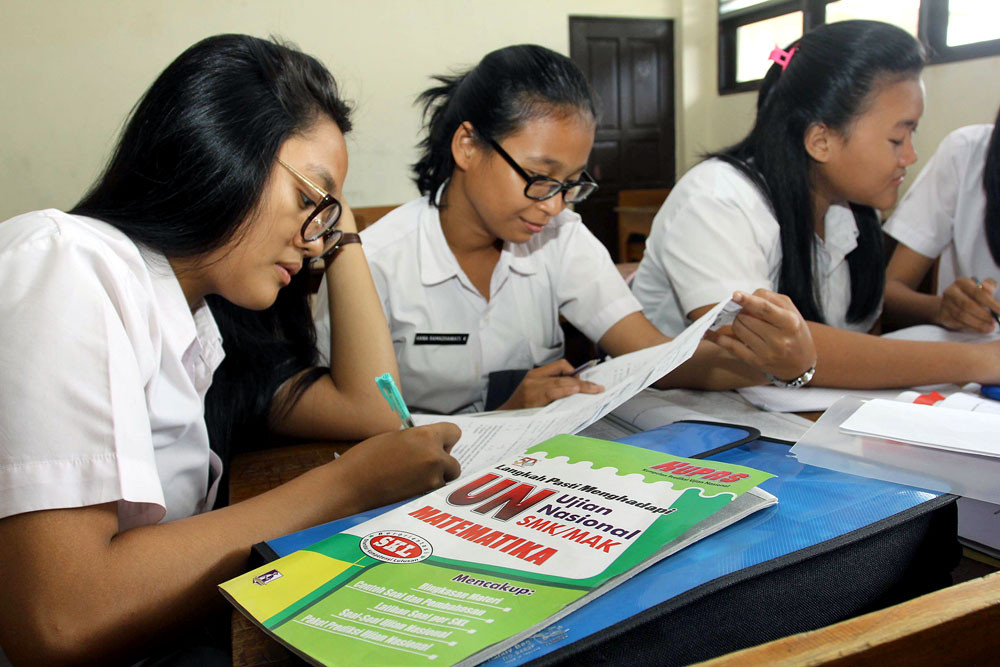
In high-income countries like the U.S. and the U.K., it is well-established that people who live in poorer and marginalised localities are more exposed to pollution than those in wealthier neighbourhoods. According to a recent report, that pattern seems to be reversed in low and middle income countries (LMIC) like India.The report, titled ‘Schools in the Shadow of Toxic Sites: Pollution Proximity in Low- and Middle-Income Countries’, looked at how close 2,840 schools were to toxic sites in 17 countries. It concluded that 10% of schools in LMICs lie within 5 km of a documented toxic site, especially in urban areas.And of all the world’s capital cities, New Delhi topped the list, with more than 90% of its private schools located near a site contaminated with lead, mercury, cadmium, arsenic, and/or pesticides.When exposed to such contaminants, children in particular develop higher risk of heart and kidney diseases as well as of irreversible learning and cognitive disabilities. According to the World Bank, lead exposure during childhood alone costs LMICs $1 trillion a year. ‘Equally exposed to contamination’While lead exists naturally in the deep layers of the earth, no amount of lead exposure is safe for humans. Once it enters the body, it can stay silently stuck to the bones, mimicking calcium. When mixed with blood, it can lead to severe kidney and heart problems. In individuals showing no acute symptoms, it can spike blood pressure and lead to sudden heart attacks.Among children, lead can be a powerful neurotoxin that degrades myelin, the protective outer layer of the brain, and hampers brain cell connections.In the last few decades, more and more studies from both developed and developing countries have linked lead exposure to shortened attention spans, heightened aggression, behavioural disorders, and a permanent drop in IQ.“But we did not know where exactly the problem was,” Lee Crawfurd, the report’s author and a researcher at the Center for Global Development (CGD), London.
Urban Indian private schools at risk of proximity to toxic lead sites: report
A report reveals that urban India's private schools are at risk due to proximity to toxic lead sites, impacting children's health.
957 words~4 min read