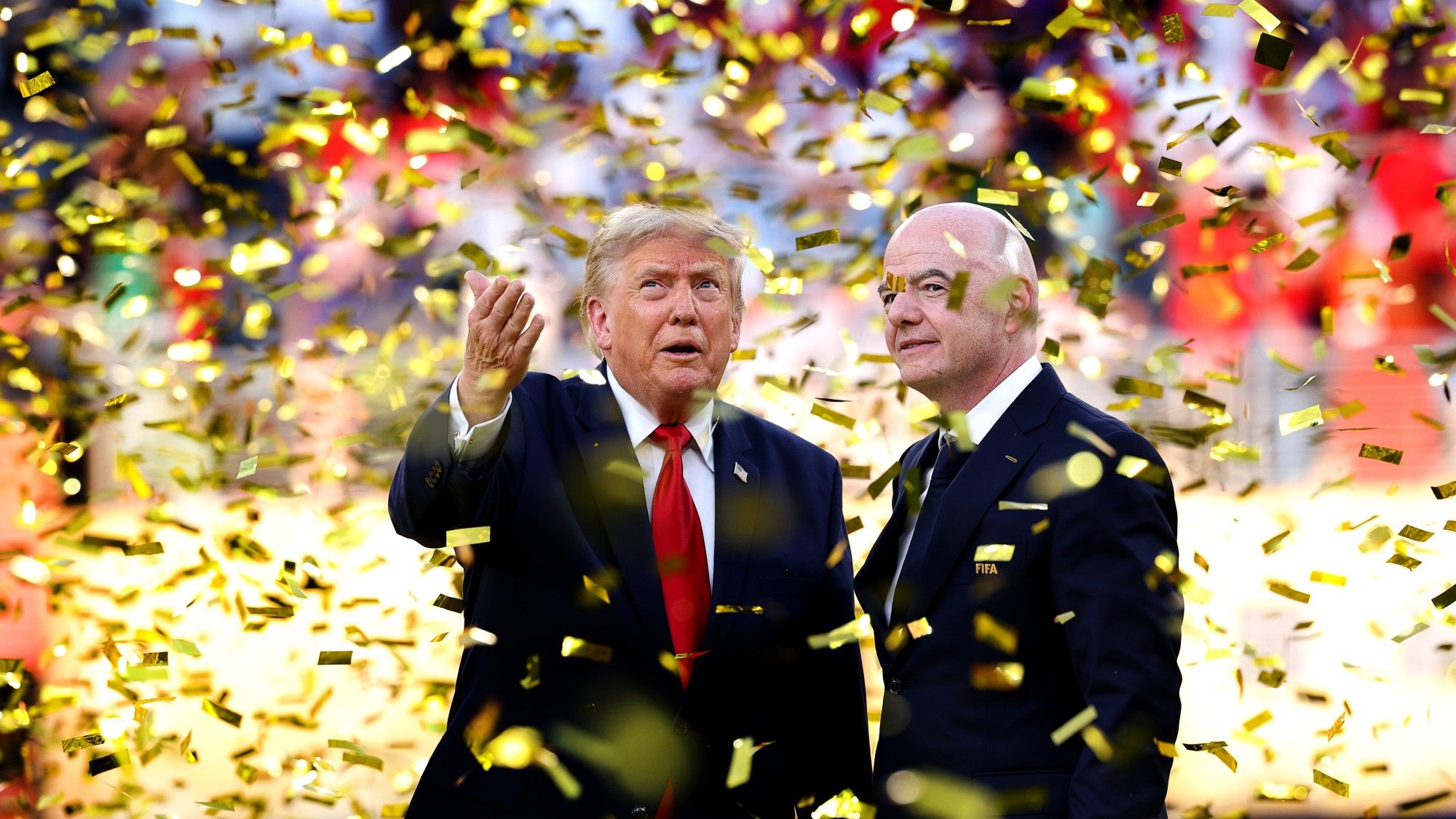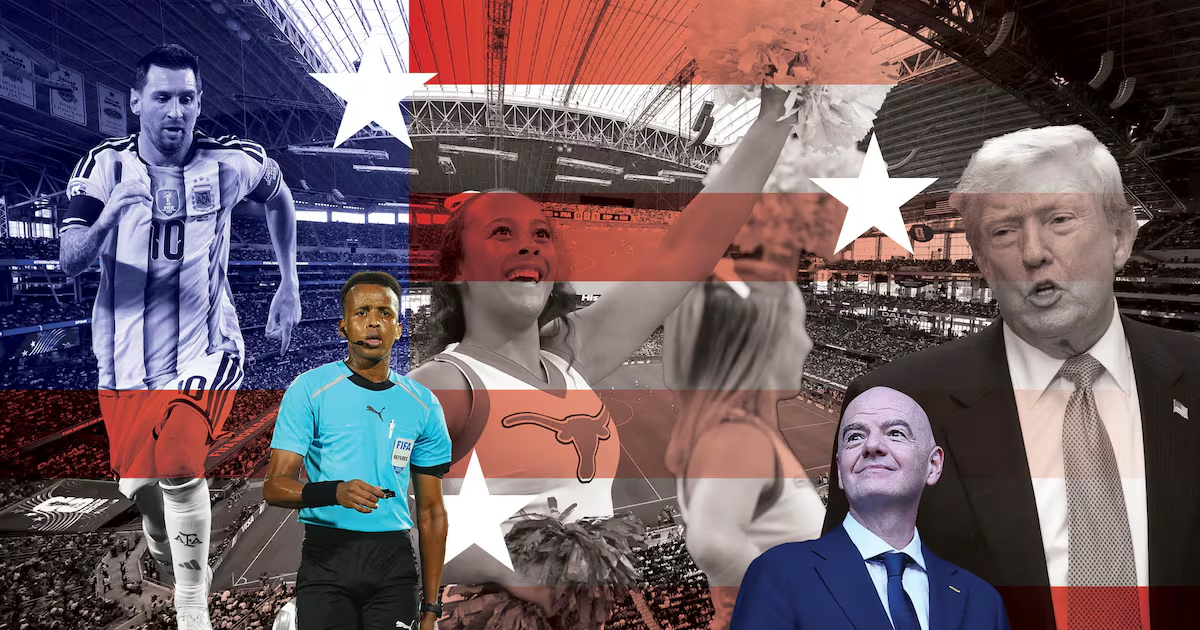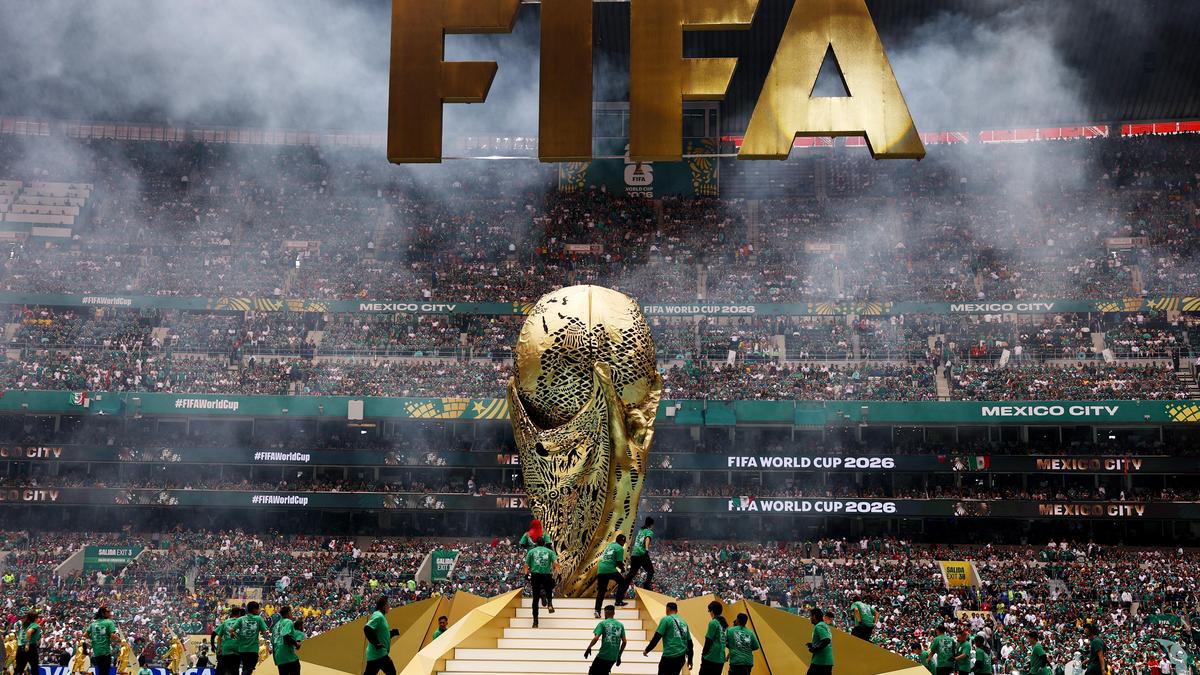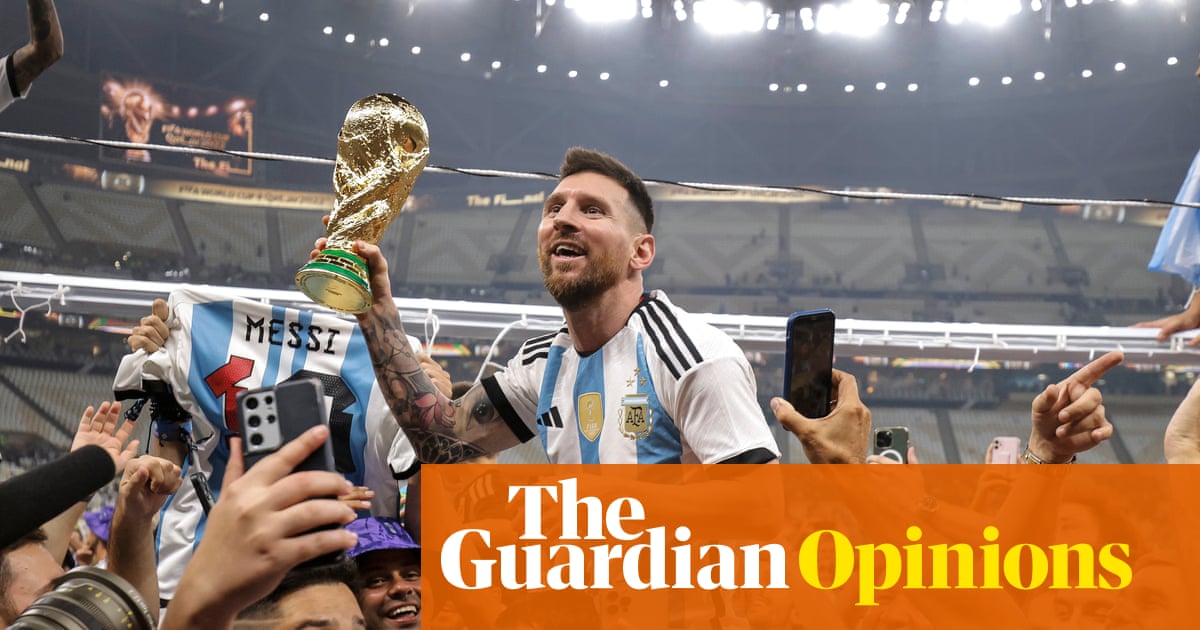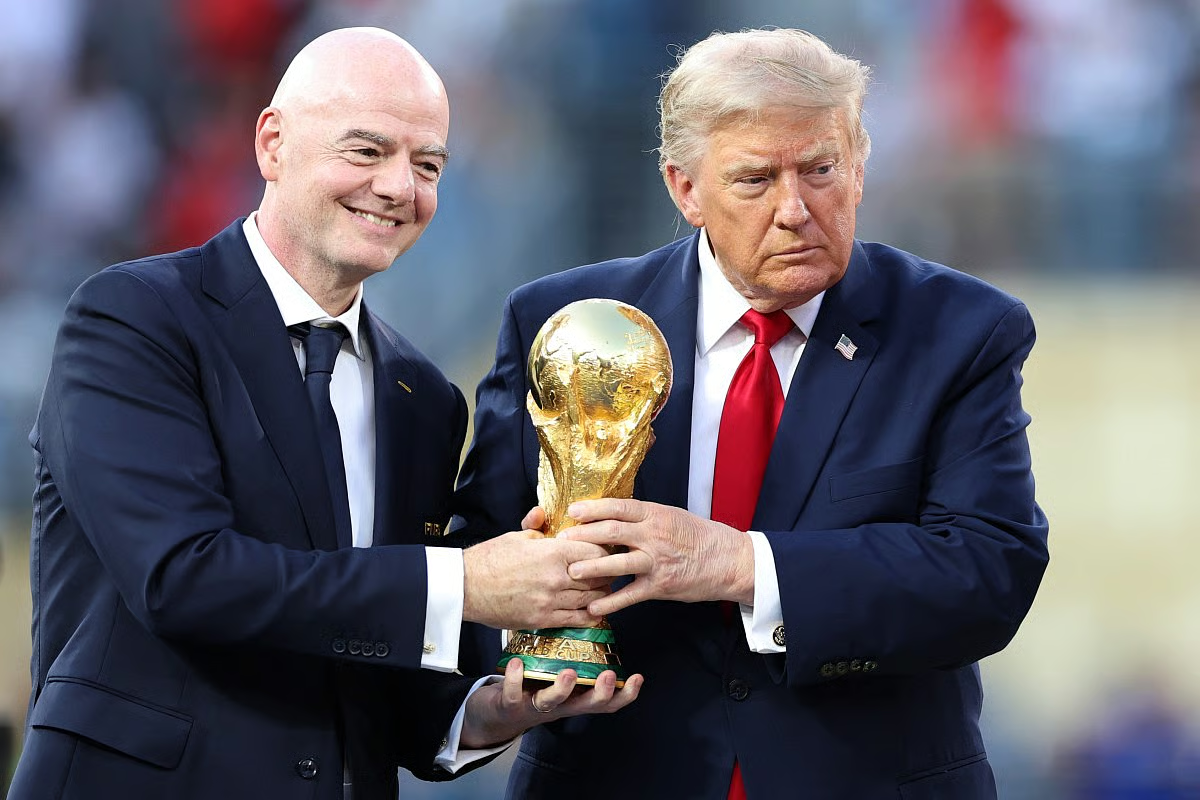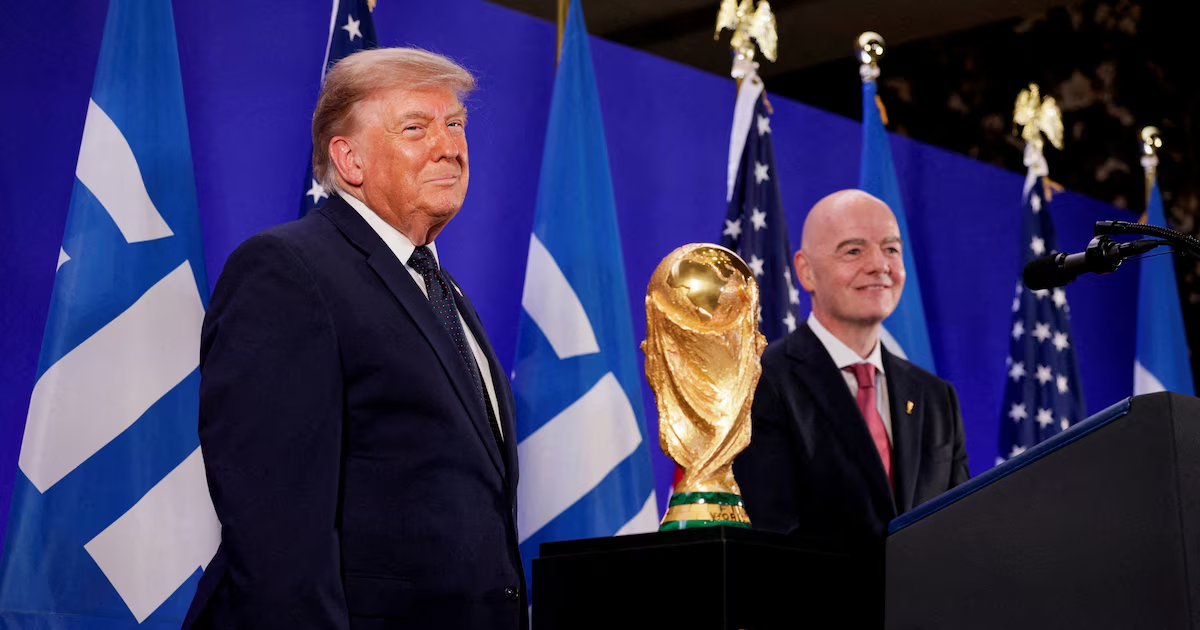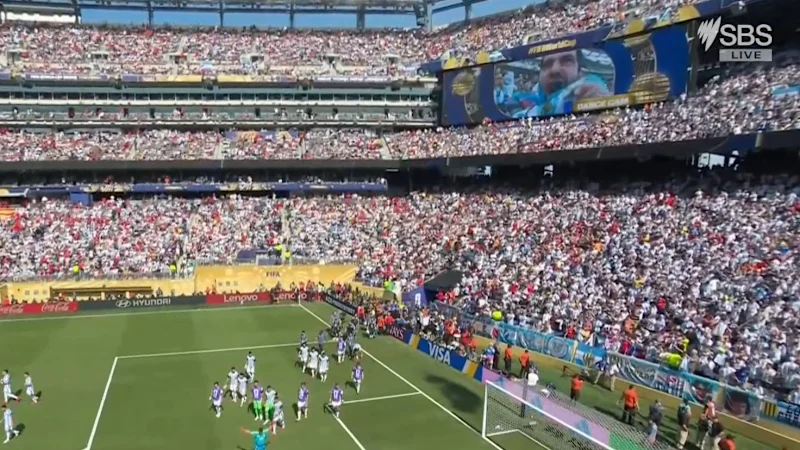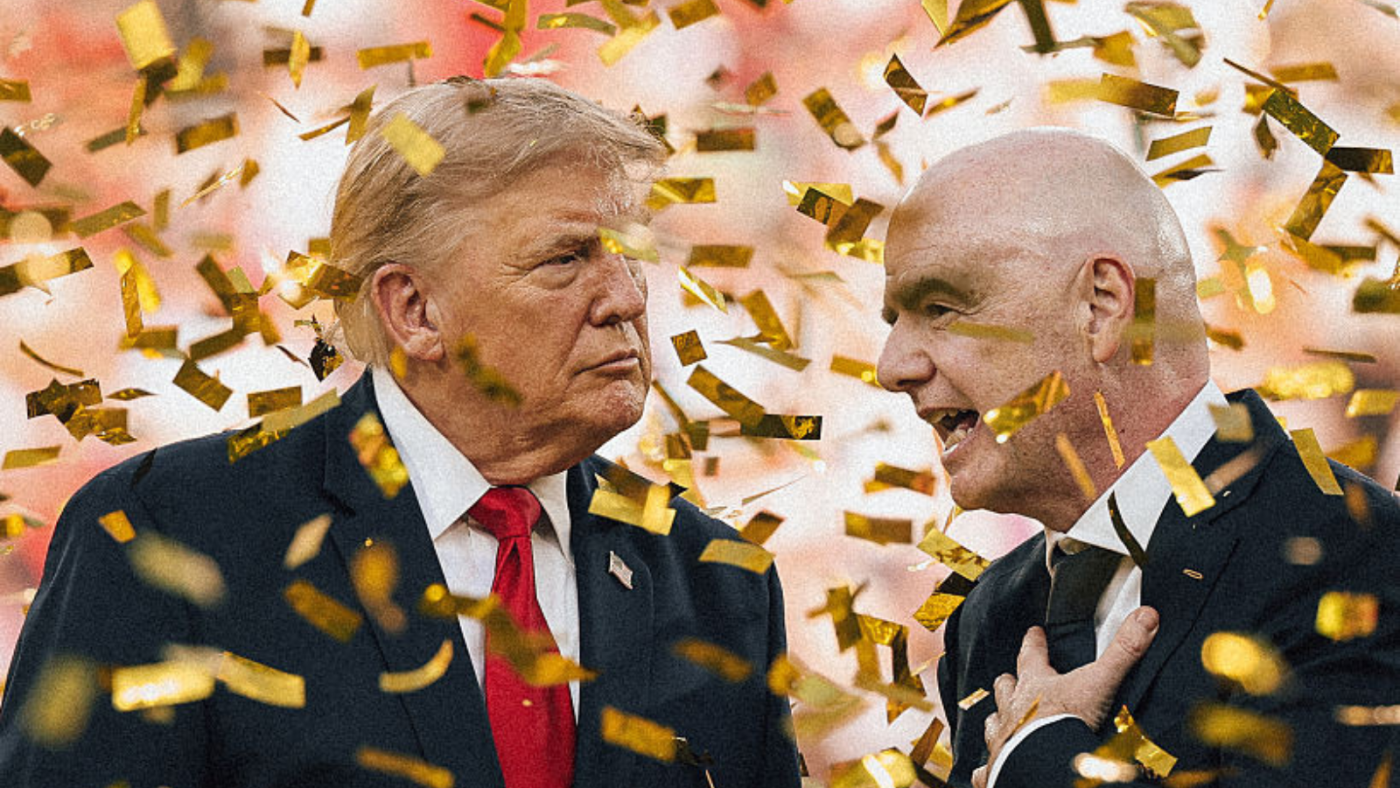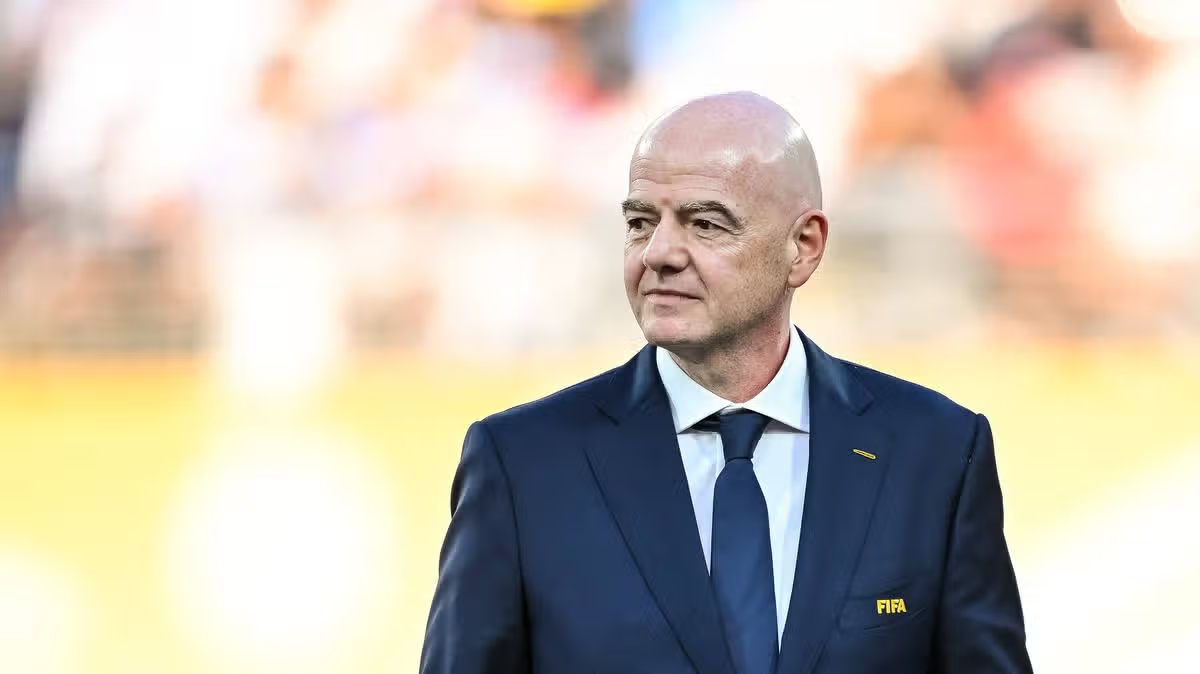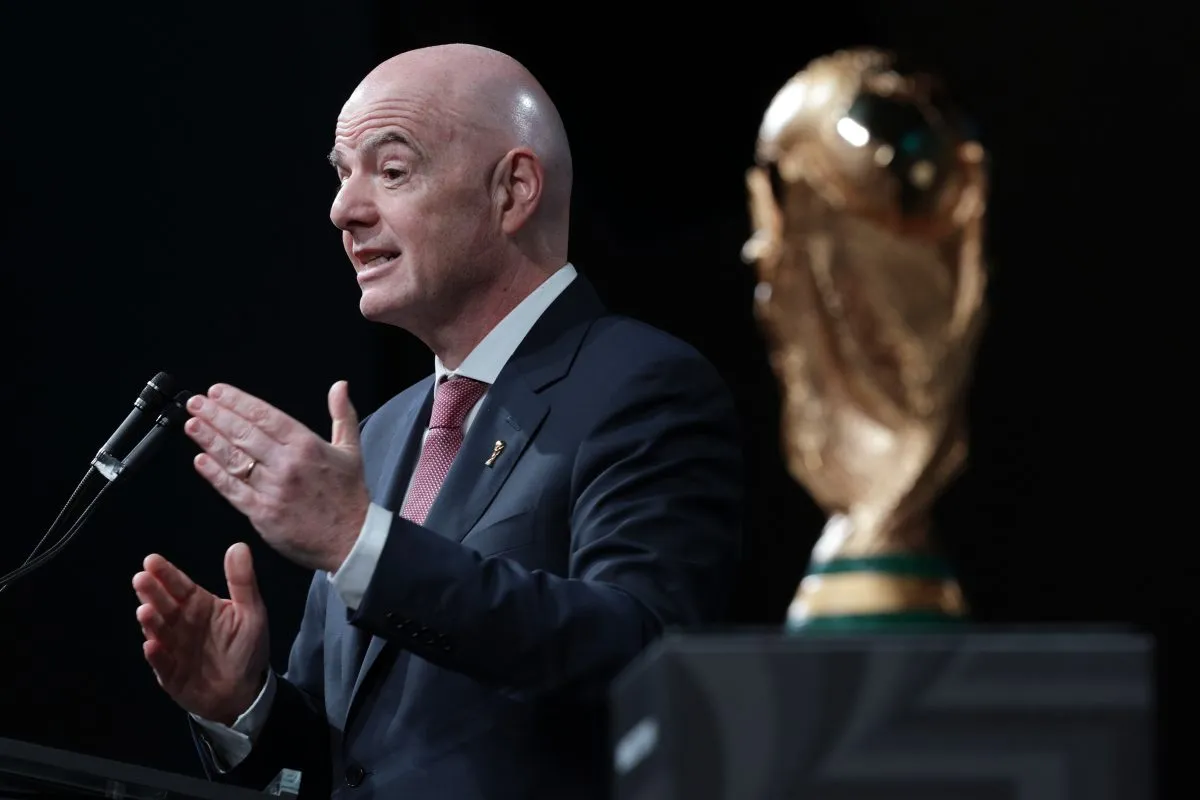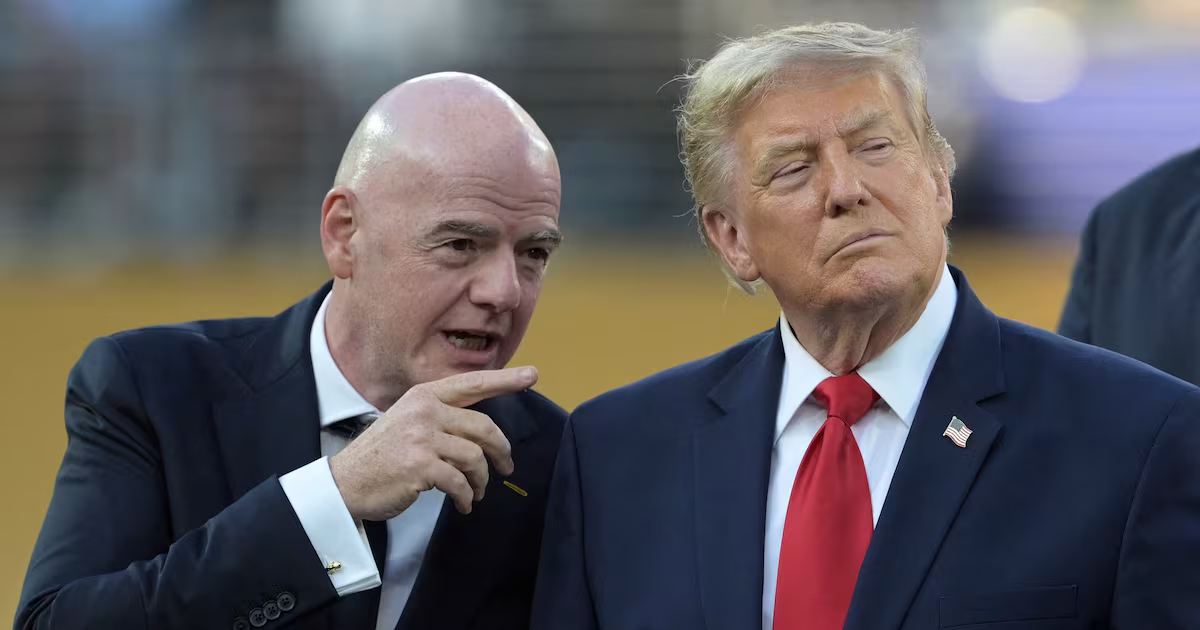
While the world was fixated on the feast of football in the US over the past several weeks, there was a subtle and insidious process under way which ― given the way culture industries deflect attention ― has either been ignored or it has slipped into “common sense”. The 2026 Fifa World Cup seems to have achieved near-complete ideological sportswashing. The organisers’ triumph lay not in concealing likely financial corruption but in convincing the world that the tournament was a pure celebration of colours, cultures, consumer choices ― and freedom. A far more insidious process has been the way Fifa has, stealthily over several decades and more expressly with the 2026 tournament, become a global political force adopting practices traditionally associated with the UN system. For instance, when a body such as the UN Conference on Trade & Development (Unctad) holds a major conference, the host country signs a temporary agreement granting the UN administrative control and “inviolability” over the venue. Provocative as this is, a parallel case can be made ― untidily, granted ― about Fifa’s arrival in the US. The organisers, in effect, established a private “inviolability of premises” across every stadium, a legal status traditionally given to the UN in a member country. Whereas UN bodies answer to international frameworks of transparency, Fifa secured its unchecked domestic power through the unyielding force of capital, where (big) money is the measure of greatness. Continuing the trend identified in this column over the past several weeks, this marks another aggressive leap towards a multilateral system where global corporate elites dictate the terms of the political economy. As explained previously, gatherings such as Davos and the Munich Security Conference serve as the primary spaces for global private capital to systematically effect changes in world affairs. A significant difference is that while decisions at Davos and Munich rely on the direct, transactional purchase of power by global elites ― heads of finance houses and arms manufacturers ― Fifa employs a classic hegemonic strategy. It shores up its institutional credibility and enforces its will by leveraging its member countries through a calculated mix of coercion and consent. Traditionally, by the time a UN body establishes its presence the host country has agreed in advance to waive jurisdiction over official administrative actions, preserving a strict functional immunity. This illusion of sovereign institutional autonomy was shattered during the 2026 World Cup tournament. Fifa’s vaunted authority crumbled when US President Donald Trump openly intervened to overturn on-field disciplinary decisions, while his state security apparatuses routinely subjected international players and teams to domestic harassment. For all its global posturing, Fifa’s “inviolability” stops exactly where superpower state power begins. It’s all messy, I admit, but it deserves deeper consideration. A dangerous precedent has been set. Making the analytical leap to place Fifa alongside Davos and Munich is a bold statement to defend, but the structural realities of the global political economy justify it. By systematically tapping into raw geopolitical power Fifa has transformed itself into a global political actor in its own right.What is likely to unfold in the coming months and years is a deeper institutionalisation of this patron-client dynamic, where countries petitioning to host future tournaments will actively curry favour with Gianni Infantino. Having already successfully weaponised the expansion of the tournament format to secure broader backing, Infantino will undoubtedly continue using these global spectacles as geopolitical leverage to permanently lock in his tenure at the helm of Fifa. In the coming months and years ― the closer we get to the 2034 World Cup in Saudi Arabia ― we can expect a more aggressive use of sanitised language and a curated vocabulary to lock in this cultural hegemony, an art form tech billionaires have perfected. Any attempts to scrutinise Infantino’s moral co-ordinates or challenge Fifa’s ethics will be met with a wall of manipulative rhetoric. Corporate buzzwords like “job creation,” “economic investment” and “taking the game to places like never before” will be deployed to aggressively deflect systemic critique. Ultimately, this brings us back to the weaponisation of “freedom” referred to at the start of this column. Any critical scrutiny regarding how Fifa systematically undermines the multilateral system may very well be dismissed with the ultimate, chilling conversation-stopper: that its critics simply “hate freedom”. The Fifa World Cup has become a high-stakes game in which sovereign states flex soft power, trade billions in contracts under the table and restructure international alliances, all of which sit outside the oversight and checks and balances of the multilateral system, which is well on its way to being completely privatised. • Lagardien, an external examiner at the Nelson Mandela School of Public Governance, has worked in the office of the chief economist of the World Bank as well as the secretariat of the National Planning Commission.
ISMAIL LAGARDIEN | Fifa is furthering the privatisation of multilateral system functions
Fifa has, stealthily over several decades, become a global political force
798 words~4 min read