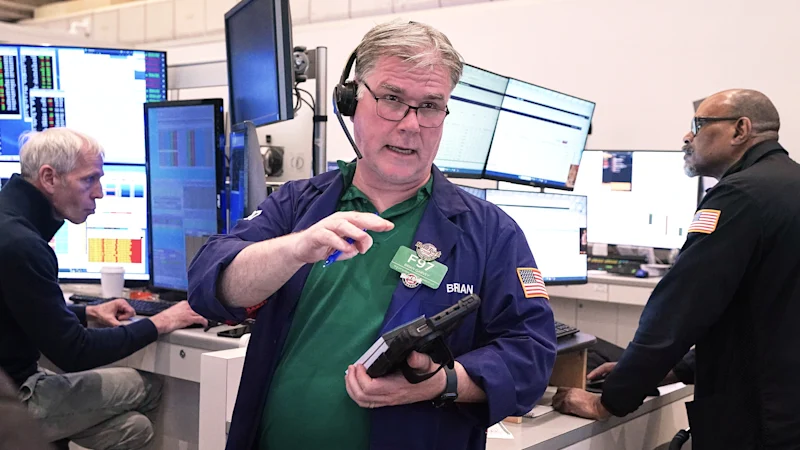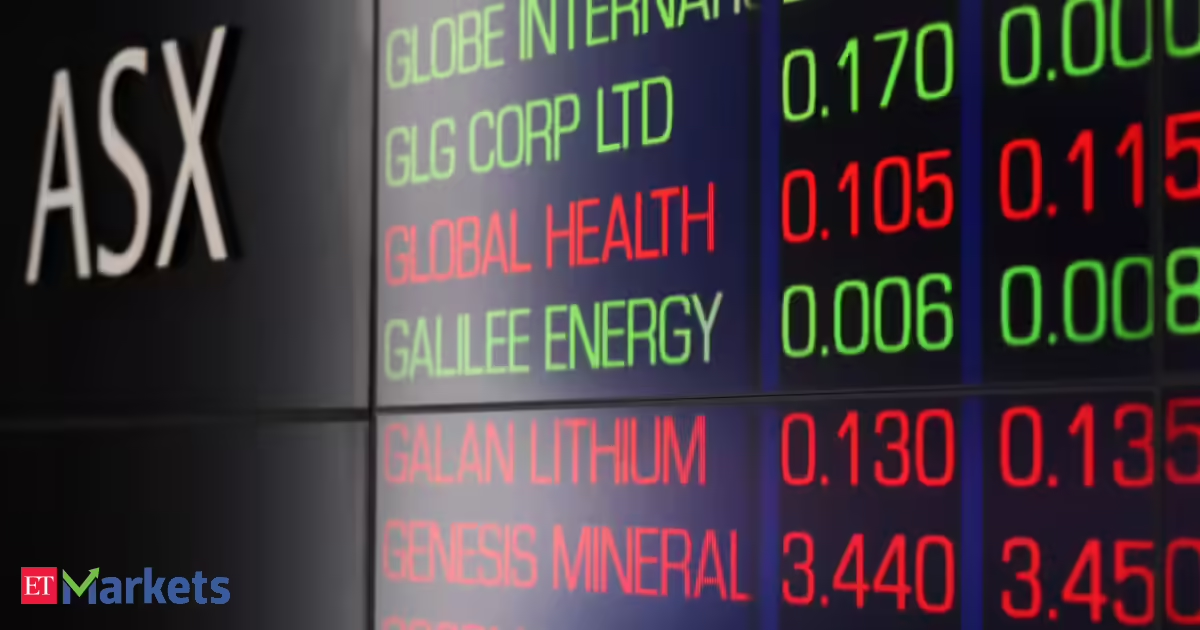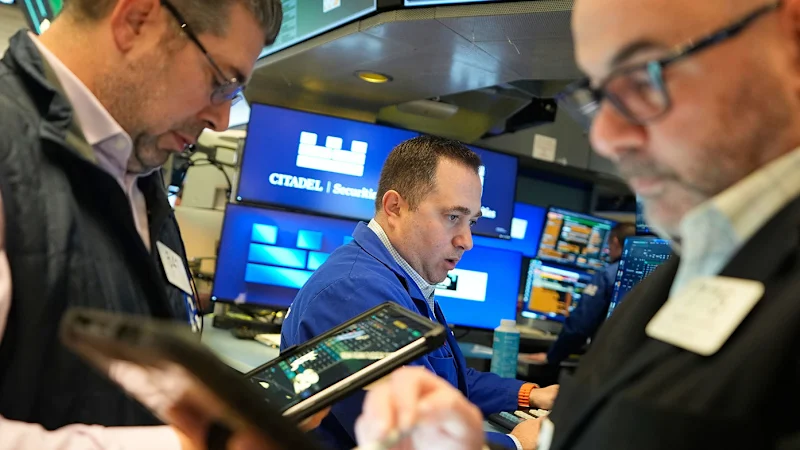
Staff writersUpdated July 29, 2026 — 11:57am,first published July 29, 2026 — 5:25amThe Australian sharemarket jumped at the open on Wednesday and extended its strong gains after the release of the nation’s latest inflation figures showed prices are not growing as fast as feared by the Reserve Bank, sharply reducing the chance of an interest rate rise at the bank’s August meeting.The S&P/ASX 200 was up 131.4 points, or 1.5 per cent higher, to 9079.2 at 11.40am AEST. Figures released this morning by the Australian Bureau of Statistics showed annual headline inflation falling to 3.8 per cent in June. The bank had been expecting it to reach 4.8 per cent.The ASX surged higher on Wednesday.Oscar ColmanCore inflation – the Reserve Bank of Australia’s preferred measure – held steady at 0.8 per cent in June. On an annual basis, the underlying measure held steady at 3.6 per cent.Consensus was for headline inflation to slow to 0.7 per cent in June and hold steady at 4 per cent over 12 months, while core was expected to come in at 0.9 per cent and 3.7 per cent, respectively. Ahead of the figures, markets had put the chance of a rate hike at just 22 per cent at the August 10 and 11 meeting.It comes after Reserve Bank governor Michele Bullock told an event in Sydney on Tuesday that while there were signs inflation had not risen as high as feared following the surge in oil prices from the Iran war, it remained too high, putting an interest rate hike on the agenda for the bank’s meeting next month.While economists saw her speech as a clear sign that a rate rise would be debated at the RBA’s August meeting, investors believed it confirmed their impression that inflation pressures were actually easing, easing rate hike bets.Consumer and tech stocks - both cyclical sectors that would benefit from an end to rising interest rates - were up strongly in early trade and extended their gains after the release of the CPI data. Bunnings and Officeworks owner Wesfarmers rose 1.6 per cent, electronics retailer JB Hi-Fi was up 2.1 per cent and Harvey Norman gained 2.4 per cent. Supermarket chains Woolworths and Coles each added 1.9 per cent and bottle shop owner Endeavour rose 1.4 per cent.Software makers also rallied, pulling the tech sector higher. WiseTech Global gained 1.6 per cent, while Xero jumped 4.7 per cent and Technology One rose 3.7 per cent. Family tracking app Life 360 jumped 5.2 per cent.Australia’s biggest pharma stock CSL also surged 5.8 per cent after the biotech giant said that following talks with US and European regulators it will start clinical trials to finalise approvals for a new technology that would allow it to produce a more immunoglobulin from plasma. Other healthcare stocks also advanced, with sleep apnoea devices maker Resmed up 4 per cent and Chemist Warehouse owner Sigma gaining 1.6 per cent.Rio Tinto shares jumped 5.5 per cent after the mining heavyweight said first-half profit soared as strong commodity prices outweighed the impact of China’s economic slowdown, US tariff campaigns and conflict in the Middle East. The world’s second-biggest miner reported underlying profit of $US6.85 billion ($9.9 billion) for the half, 43 per cent above last year’s first half, beating analyst estimates of $US6.78 billion. Shares of its bigger rival BHP added 2 per cent and Fortescue rose 2.5 per cent.Prices of iron ore — Rio’s biggest earner — remained steady over the six-month period, despite plateauing demand from dominant buyer China. The company is yet to complete negotiations with state-backed buyer China Mineral Resources Group over forward supply agreements.Rio continues to push its core growth strategy in copper, the metal key for the energy transition, with a ramp-up at its Oyu Tolgoi mine in Mongolia. Copper prices have climbed about 10 per cent this year, driven by supply disruptions and demand boost from data centres.Energy stocks were mixed, with oil and gas giant Woodside up 0.3 per cent and Santos down 0.3 per cent after a three-day decline in oil prices. West Texas Intermediate rose as much as 5 per cent this morning to top $US83 a barrel, paring some of its 14 per cent drop over the past three sessions. Brent rose over 4 per cent to about $US87.50 a barrel. The US military said it successfully intercepted an Iranian “attempted surprise attack” on US troops based in the Middle East, according to a post on X.Most of Wall Street rose overnight, even as stocks of computer chipmakers continued to tumble worldwide. The S&P 500 added 0.2 per cent, but the modest move masked big swings underneath the surface. The Dow Jones Industrial Average jumped 537 points, or 1 per cent, while the Nasdaq composite slipped 0.2 per cent after briefly dropping 9.3 per cent below its record set last month.On Wall Street, Apple became just the second company ever to achieve a $US5 trillion market valuation.The iPhone maker’s shares rose as much as 1.8 per cent to $US342.89 early in the session, pushing the company’s market capitalisation to above $US5 trillion for the first time before falling back below the mark as shares eased before closing at $US340.80. Nvidia closed at a record $US5.7 trillion on May 14, but it has since lost roughly $US1 trillion in valuation. Apple is now the biggest company in the S&P 500 Index.The majority of the US market rose after more companies delivered stronger profits for the spring than analysts expected. Coca-Cola climbed 5 per cent after its revenue rose 7 per cent despite what CEO Henrique Braun called “a dynamic consumer landscape.”Stocks of chipmakers and other companies that have been huge winners from the boom in artificial-intelligence technology are coming under increasing pressure.Micron Technology’s stock came into the day having more than tripled for the year following gangbuster growth, for example. During the three months through May 28, its revenue more than quadrupled from a year earlier.But worries are rising about whether such growth is sustainable. Big spenders on computer memory could pull back on investments if AI does not produce as much profit or productivity as promised. Lower-cost AI models from China could also mean less demand for memory and computing power than earlier expected.Micron dropped 8.9 per cent and was the heaviest weight on the S&P 500. Others also helping to keep the market in check were Advanced Micro Devices, down 8.1 per cent, and Applied Materials, down 7.8 per cent.Several huge spenders on AI chips and data centres are scheduled to report their latest quarterly results this week, which could offer updates on how much they’re planning to invest. Meta Platforms and Microsoft are reporting on Thursday (AEST), while Amazon is due the following day.Because AI superstar stocks have grown so big, their movements carry more weight on the S&P 500 and other indexes than many other companies. But the broad US market could hold up despite their swings if other, less-loved areas are able to keep rising. It’s a rotation that some strategists have suggested could be healthy for the overall stock market.A weaker-than-expected reading on confidence among US consumers weighed on yields. Fewer consumers are saying they feel good about current business conditions, according to the latest survey released by the Conference Board.The recent drop in oil prices helped push traders to trim their bets that the Federal Reserve could announce a hike to interest rates following its latest meeting on Wednesday. They’re forecasting a 31.5 per cent probability, down from more than 36 per cent a day before, according to data from CME Group.Higher rates could keep a lid on inflation, but they would also slow the economy by making it more expensive for US households and businesses to borrow. Long-term mortgage rates have already hit their highest level in nearly a year, chilling the housing industry.with AP, BloombergThe Market Recap newsletter is a wrap of the day’s trading. Get it each weekday afternoon.From our partners
ASX surges as slowing inflation reduces rate rise chances; CSL, Rio rally
The Australian sharemarket jumped at the open on Wednesday and extended gains after the release of the nation’s latest inflation figures.
TL;DRAI
ASX surged 1.5% as inflation fell to 3.8% vs. RBA's 4.8% forecast, virtually killing August rate-hike odds. Tech stocks rallied; but US chipmakers tumbled despite AI gains, flagging doubts on AI capex cycle sustainability.
1,325 words~6 min read