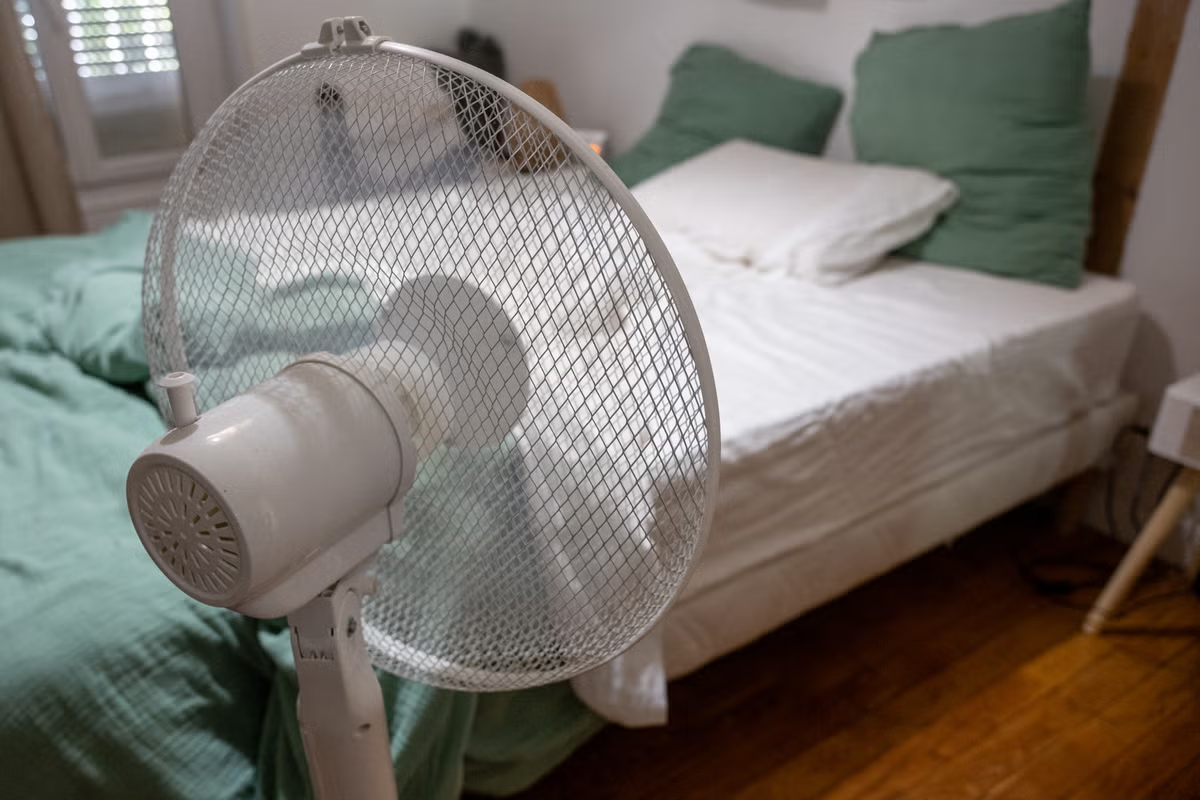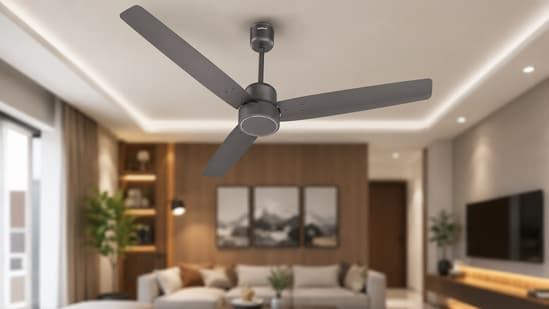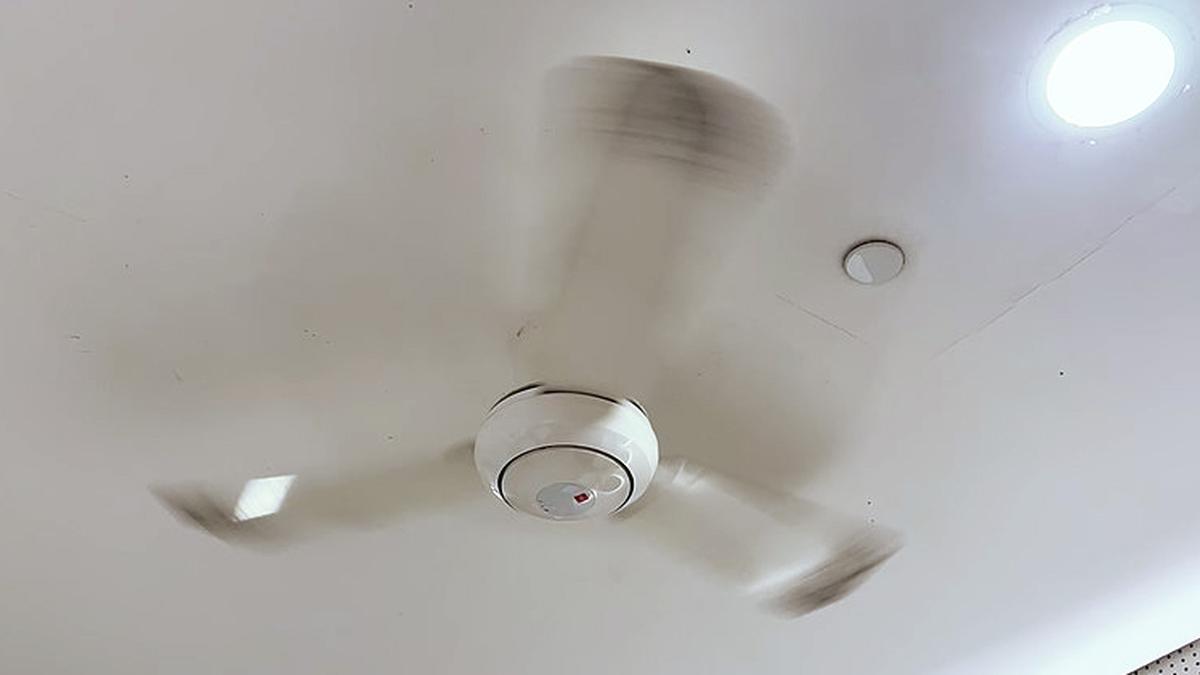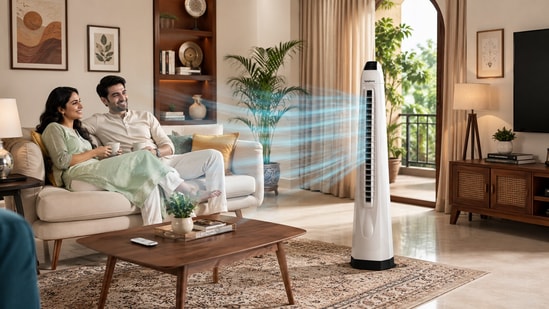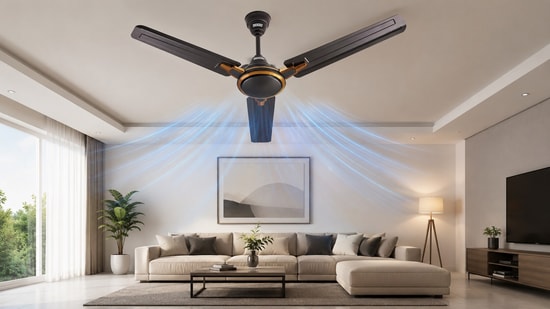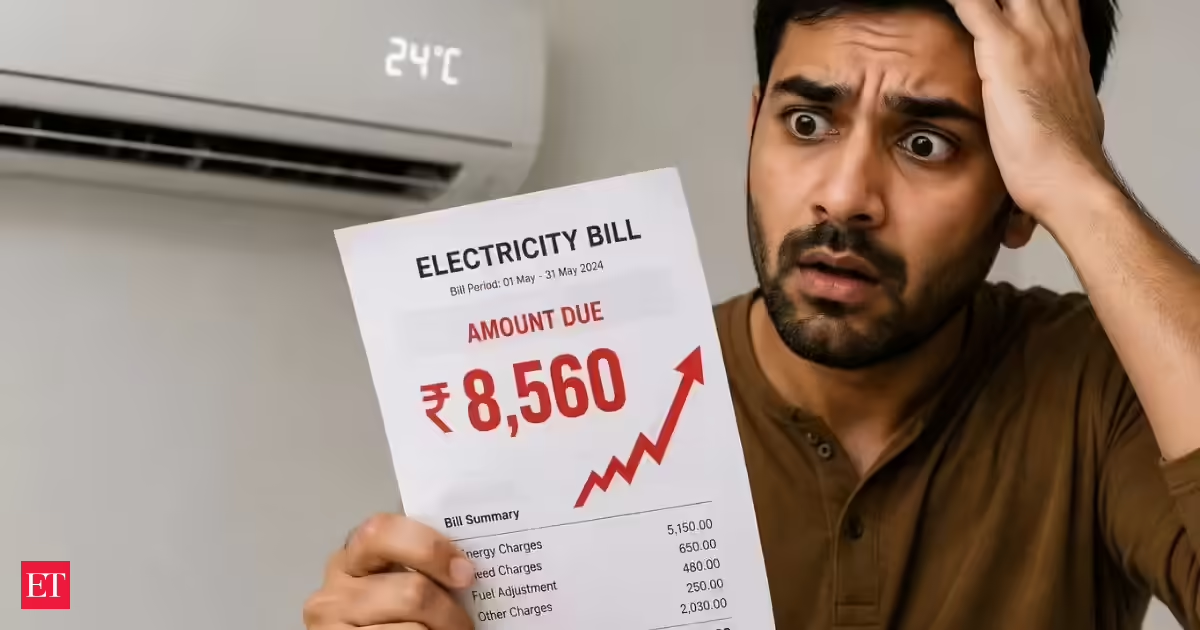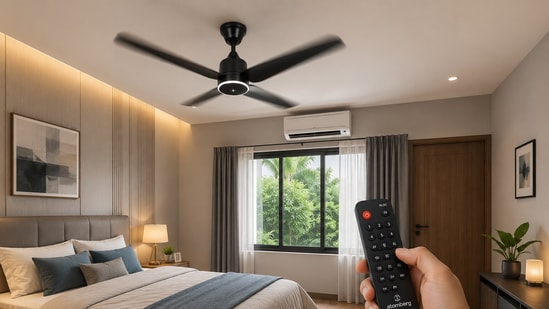
Monsoons often bring a different kind of discomfort. Even when temperatures drop, high humidity can leave rooms feeling warm and sticky. Many households end up running ceiling fans for longer hours, sometimes alongside the air conditioner, to keep air circulating. This naturally raises electricity consumption, making some homeowners wonder if switching to a BLDC ceiling fan could make a noticeable difference to their monthly bill.
BLDC fans are often marketed as energy-efficient alternatives to conventional ceiling fans. But do they actually save enough electricity to justify their higher price? The answer is yes, though the amount you'll save depends on how often you use your fan, your electricity tariff, and how many fans you have at home.
Why ceiling fans work harder during monsoons
Humidity doesn't increase the temperature inside your room, but it reduces your body's ability to cool itself through sweat evaporation.
According to the India Meteorological Department (IMD) and weather experts, relative humidity during the Indian monsoon often exceeds 70% to 90%, making indoor spaces feel far more uncomfortable than the actual temperature suggests.