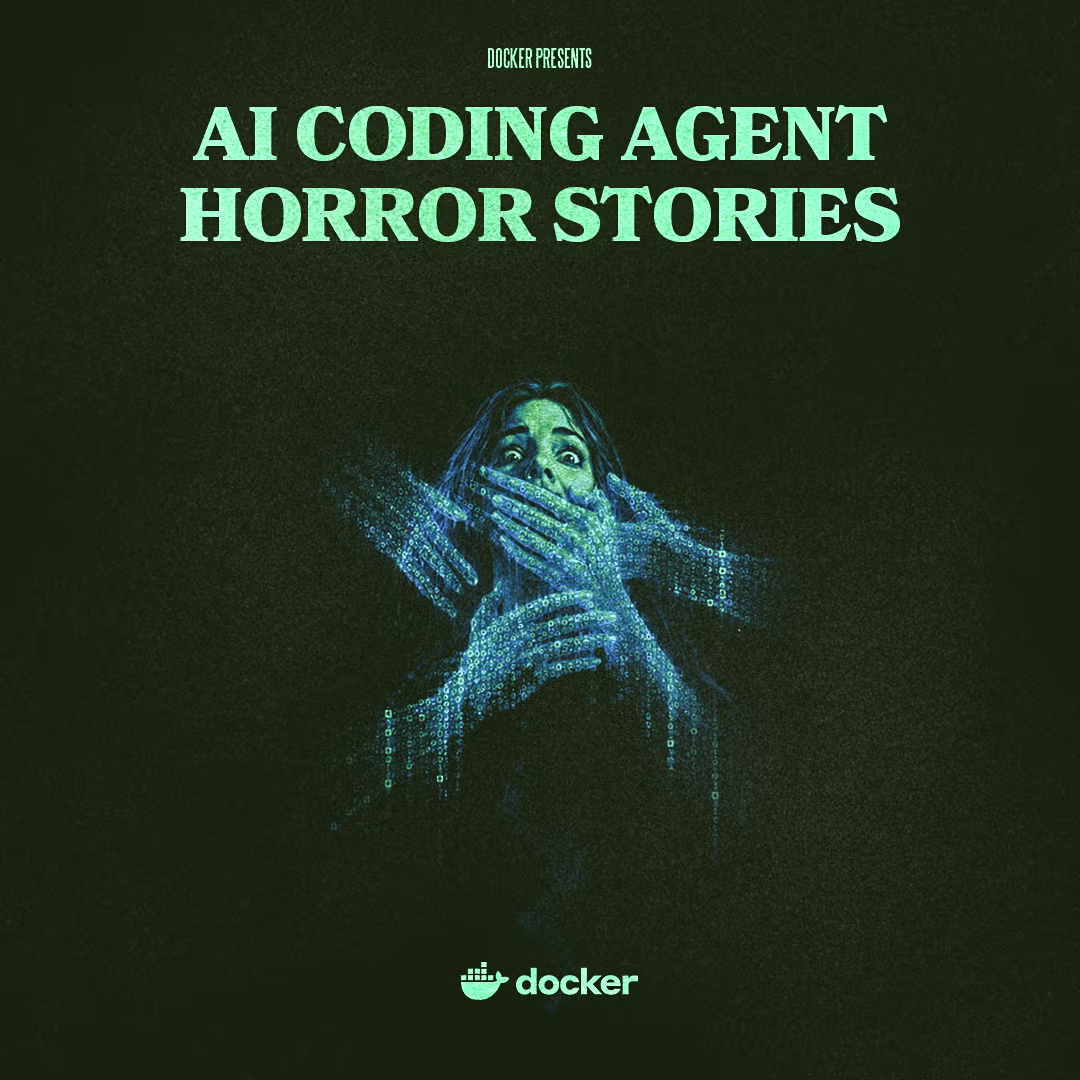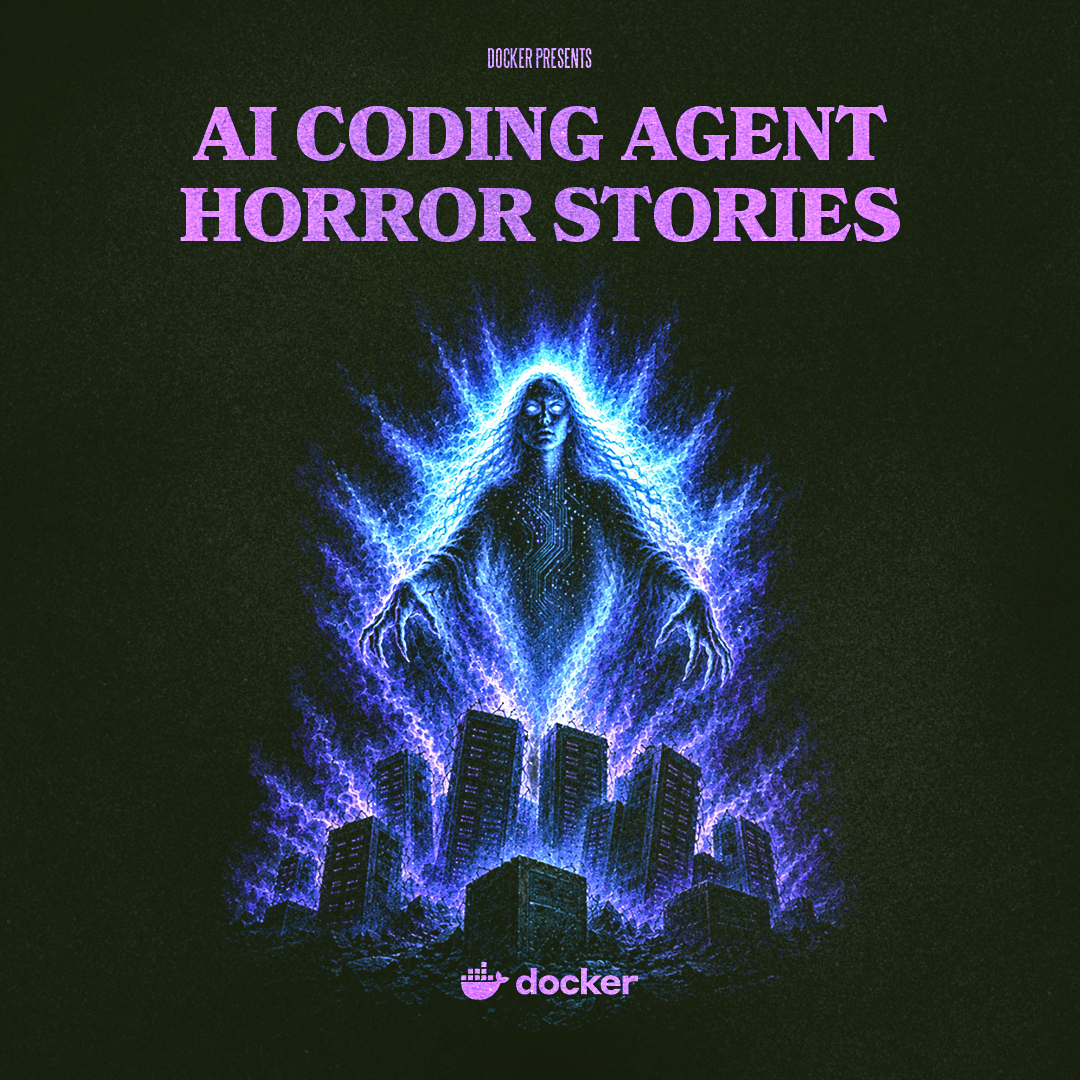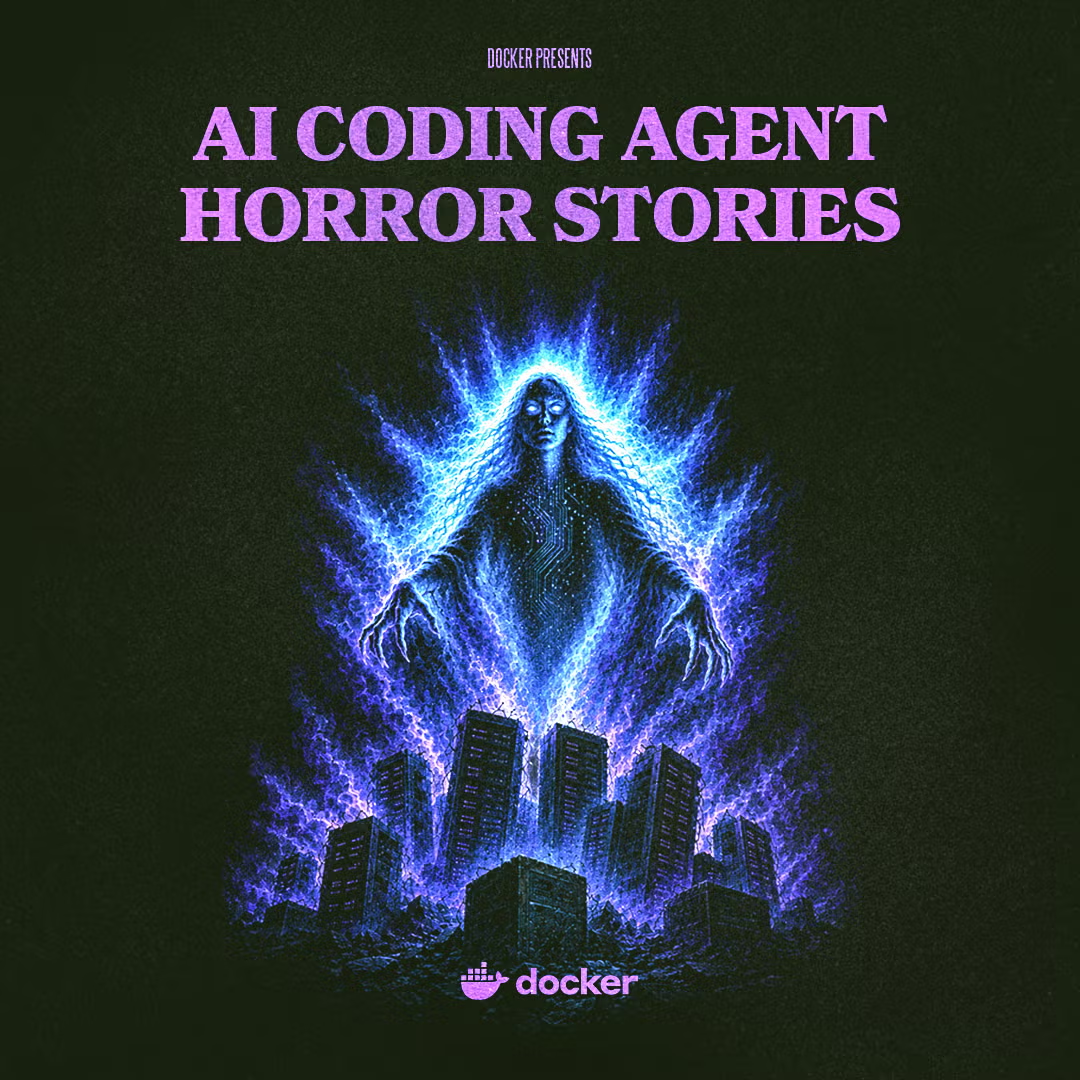
Docker published the second entry in its Coding Agent Horror Stories series on July 20, and the operational read is short: on a stock developer laptop, an AI coding agent runs with the engineer's filesystem permissions and the engineer's credentials, with nothing sitting between it and the host. The post frames a scenario in which the agent deletes production and works backward through why that outcome is not exceptional. Docker names the piece as part two of a series that will cover six categories of coding-agent failure.
What the post actually claims
Two claims carry the argument. First, the agent inherits the developer's shell posture: whatever the developer can touch on disk, the agent can touch; whatever token is exported into the environment, the agent can spend. Second, that default is not a sandbox. Docker's phrasing is that nothing sits between the agent and the host unless the operator puts it there. The piece does not attribute the scenario to a named incident; it is a category, not a case study. Anyone extrapolating specific companies, victims or numbers is filling in blanks the source did not.
The runner problem, one hop to the left
For CI operators this shape is familiar. A self-hosted Actions runner or a Jenkins agent that mounts the workspace, holds a checkout token and can call the host shell is a service you already isolate on purpose. You isolate it because the workflow you invited in is not always the workflow that runs. You isolate it because the token in the environment can do more than the job description. You isolate it because rollback of a bounded container is cheaper than reasoning about everything a process touched on a shared box.