Academia
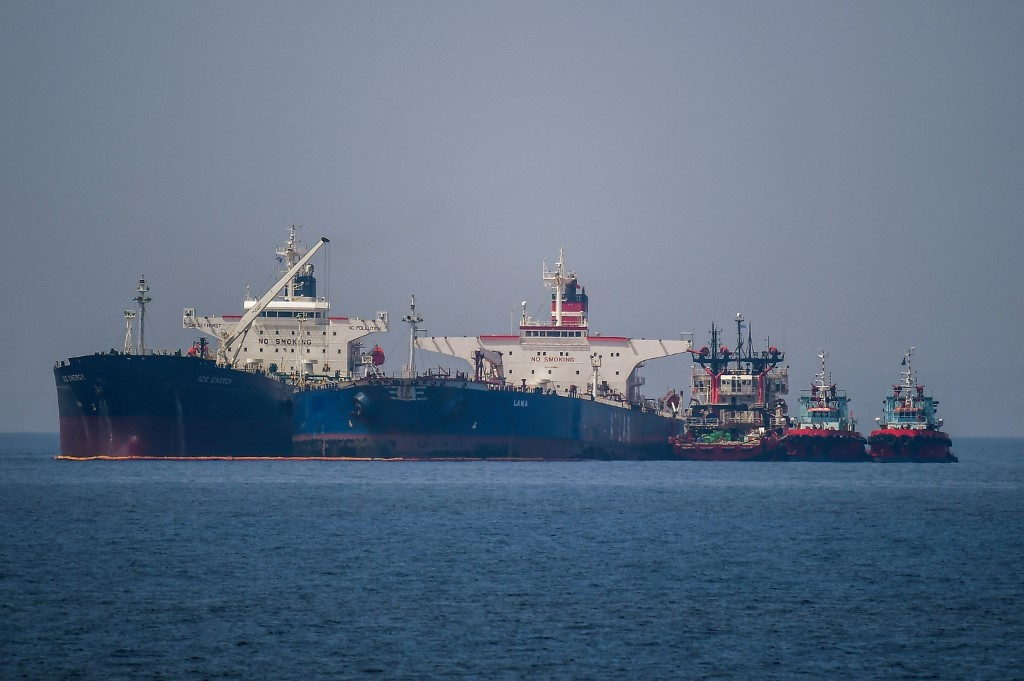
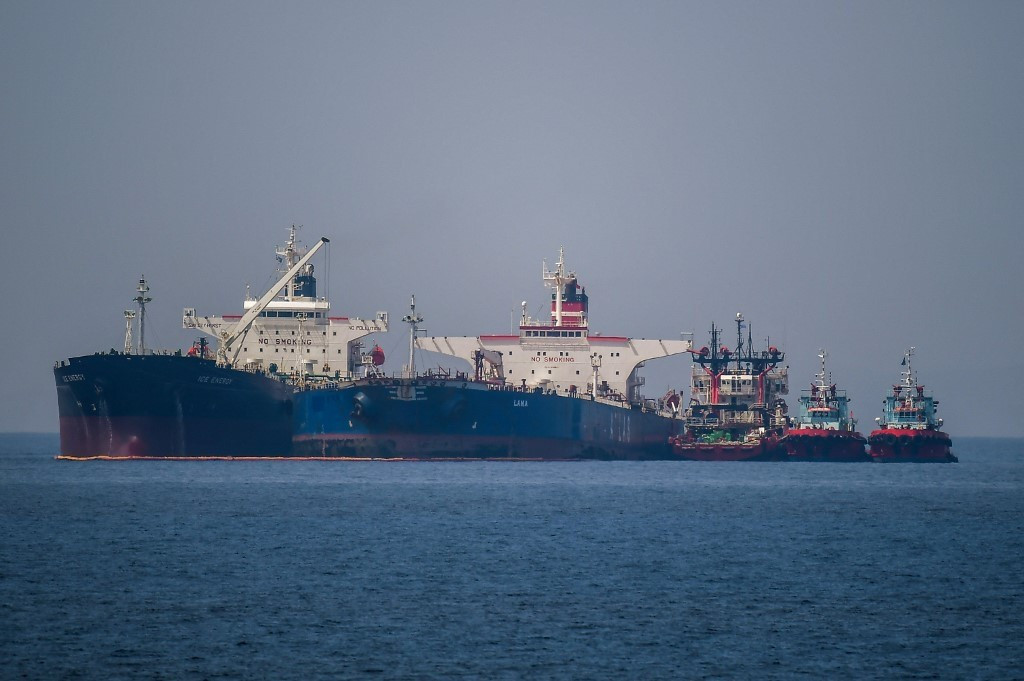
The Liberian-flagged oil tanker Ice Energy (left) transfers crude oil from the Russian-flagged oil tanker Lana (second left) on May 29, 2022, in the waters off Karystos on the Greek island of Euboea, also known as Evia (AFP/Angelos Tzortzinis)
Indonesia's import of Russian crude oil, marked by the arrival of Eastern Siberia–Pacific Ocean (ESPO) crude at Lawe-Lawe Port in East Kalimantan on June 28, signals a significant shift in the country's energy sourcing strategy. But the move also raises questions over whether state-owned oil and gas company Pertamina could be perceived as circumventing Western sanctions on Russia, a risk the government appears largely unfazed by.Energy and Mineral Resources Minister Bahlil Lahadalia confirmed that Russian crude had been imported via the Oil and Gas Testing Center (Lemigas) to strengthen national fuel reserves amid the global energy instability. He said the ministry was unconcerned about the origin of oil imports as long as the transaction complied with the law. Bahlil also said the Russian crude was purchased at a price below prevailing market rates, though he did not say by how much.
The government has authorized Lemigas, a public service agency (BLU) under the energy ministry, to import energy commodities. While the decision appears to have been driven by energy supply concerns following shipping disruptions in the Strait of Hormuz due the United States-Israeli war on Iran, the move risks being perceived as an attempt to circumvent international sanctions on Russia.