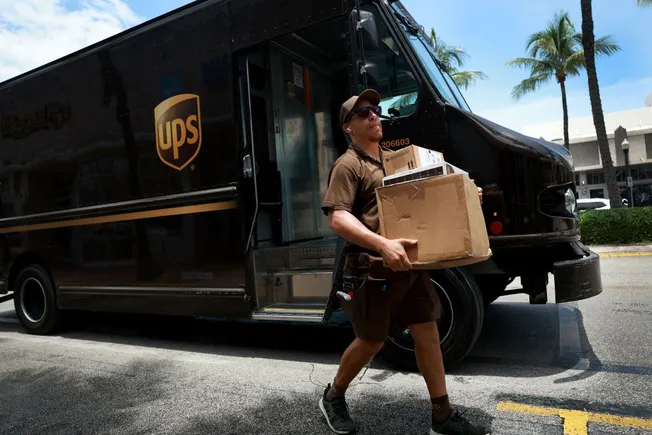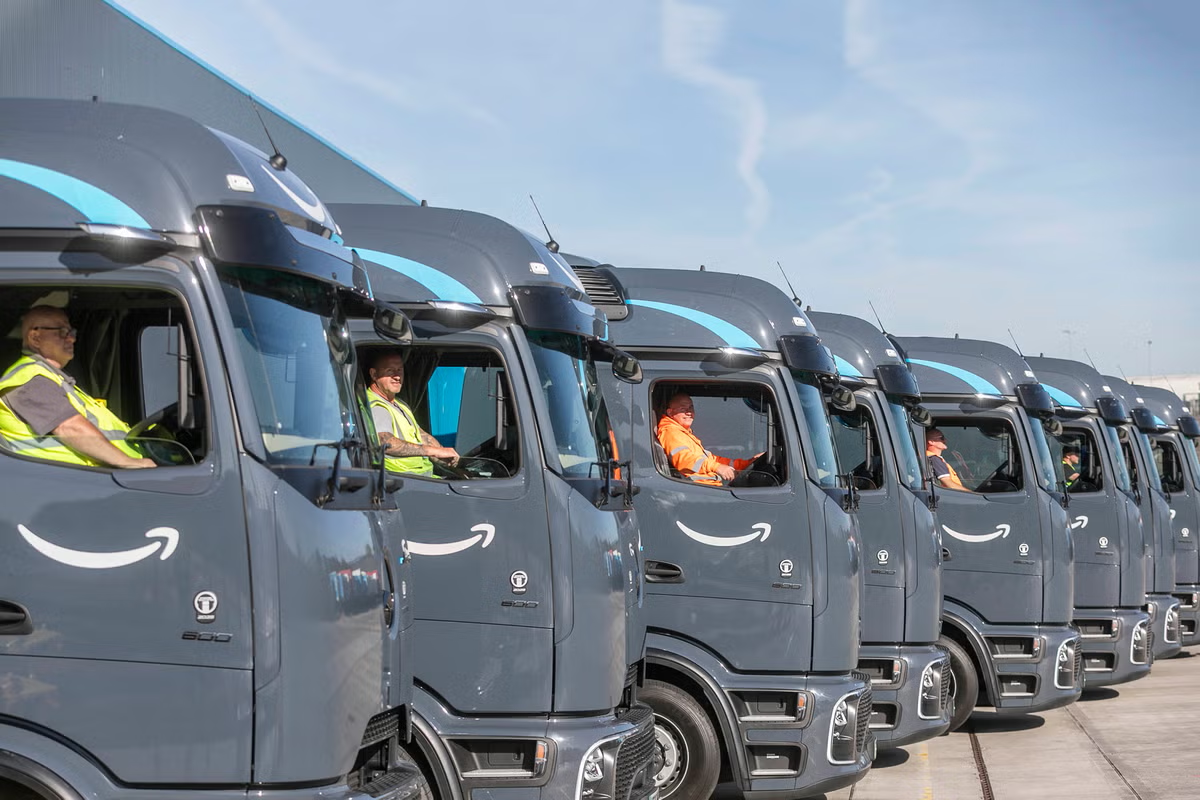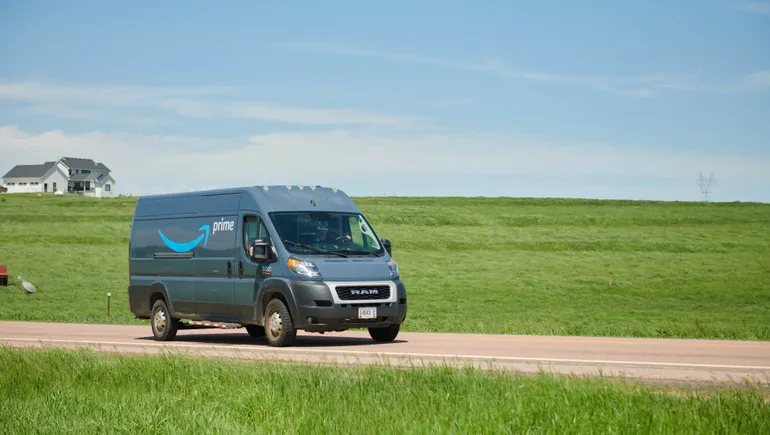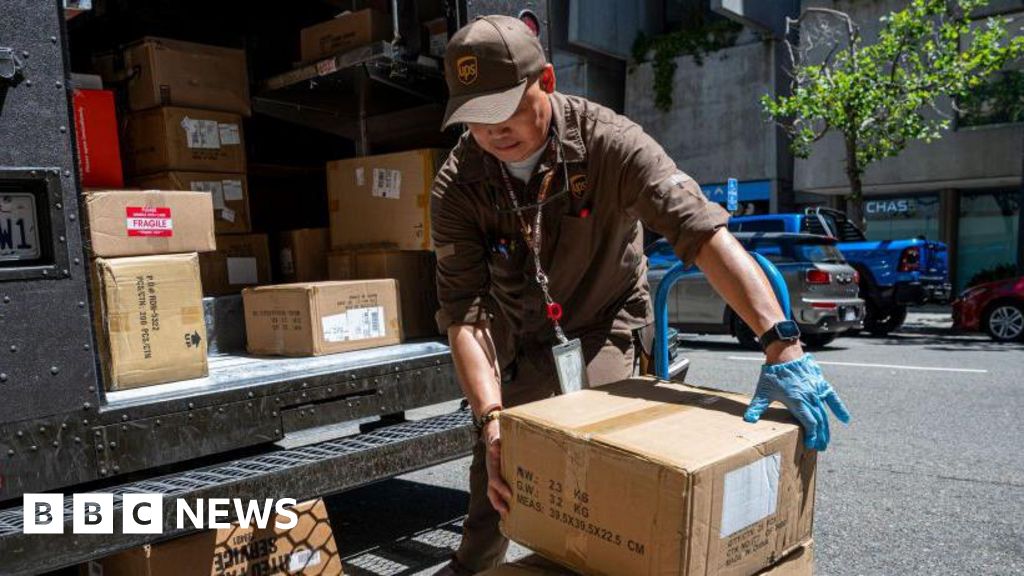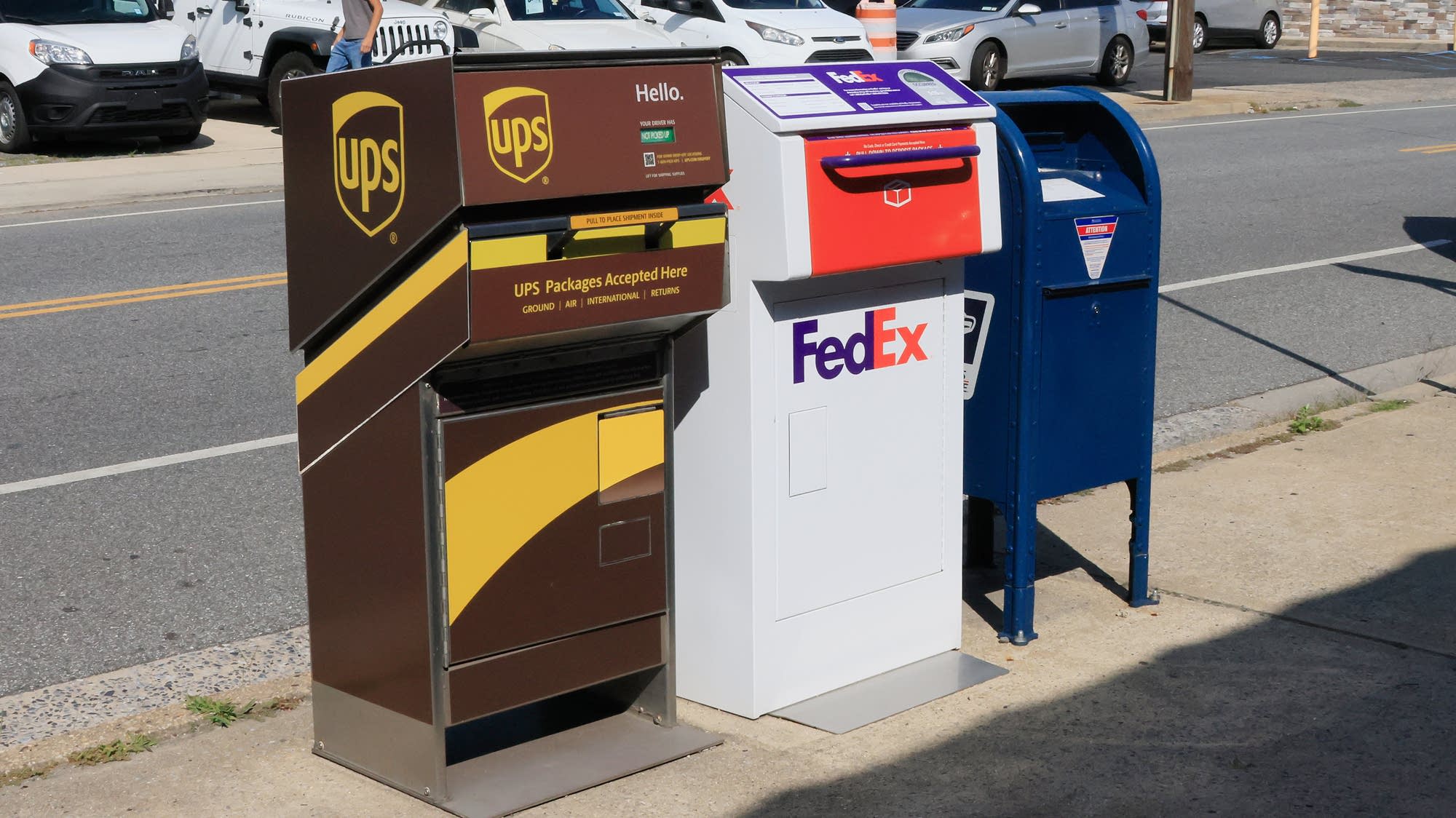
UPS reported better-than-expected results in the second quarter in its latest earnings call. The announcement comes as UPS continues to wind down what had been a big part of its business: delivering Amazon packages.UPS CEO Carol Tomé said on the company's call that it had “eliminated approximately two million pieces per day of lower-quality Amazon volume.” It isn’t the first big shipper to move away from Amazon deliveries — FedEx did so back in 2019.Before e-commerce became a big thing, UPS and FedEx made a lot of their money delivering packages to businesses rather than households. They made a higher profit margin on those business deliveries, said Lisa Ellram, a professor of supply chain management at Miami University.“If you're going to businesses, there's a much higher probability that you're delivering multiple packages,” she said. Businesses tend to be clumped together. A UPS driver, for example, could go to an industrial park and make a bunch of stops.“Whereas you're driving off in neighborhoods, particularly rural neighborhoods, it starts getting to be very, very expensive,” Ellram said.But as consumers started to order more stuff online, UPS and FedEx saw a new opportunity, said Zac Rogers, a professor of supply chain management at Colorado State University.“For them, Amazon was always a volume play. You know, you're delivering a lot of packages at low margin, but high enough volume that that it's all right,” he said.Then, about a decade ago, Amazon wanted more control. So it started to build its own delivery system. That left fewer Amazon packages for UPS, FedEx, and other delivery businesses.So those companies are increasingly getting out of the business of delivering, say, a package of socks, and into the business of shipping really valuable stuff — for which they can charge more.“What do you pay more for, pharmaceuticals or a package of socks? And so, if they're taking up the same amount of space on the truck, it's really just the bang for the buck is higher with things like healthcare products,” said Rogers.So UPS is moving from a high volume business to a high margin business, said Jason Miller, a supply chain management professor at Michigan State University.“You're not necessarily worried about maximizing the amount of stuff you're moving. You're worried about essentially maximizing the profit you can make off of the stuff that you do move,” he said.And right now, there’s profit to be made — especially by shipping computer gear from Asia to the U.S. for data centers.
UPS and FedEx are moving from higher volumes to higher margins
Delivering to households rather than businesses comes with high volume but narrower margins.
412 words~2 min read