Commentary
As reports began swirling that the US was considering a crackdown on Chinese AI models, Silicon Valley revolted. This marks a significant shift, says Catherine Thorbecke for Bloomberg Opinion.
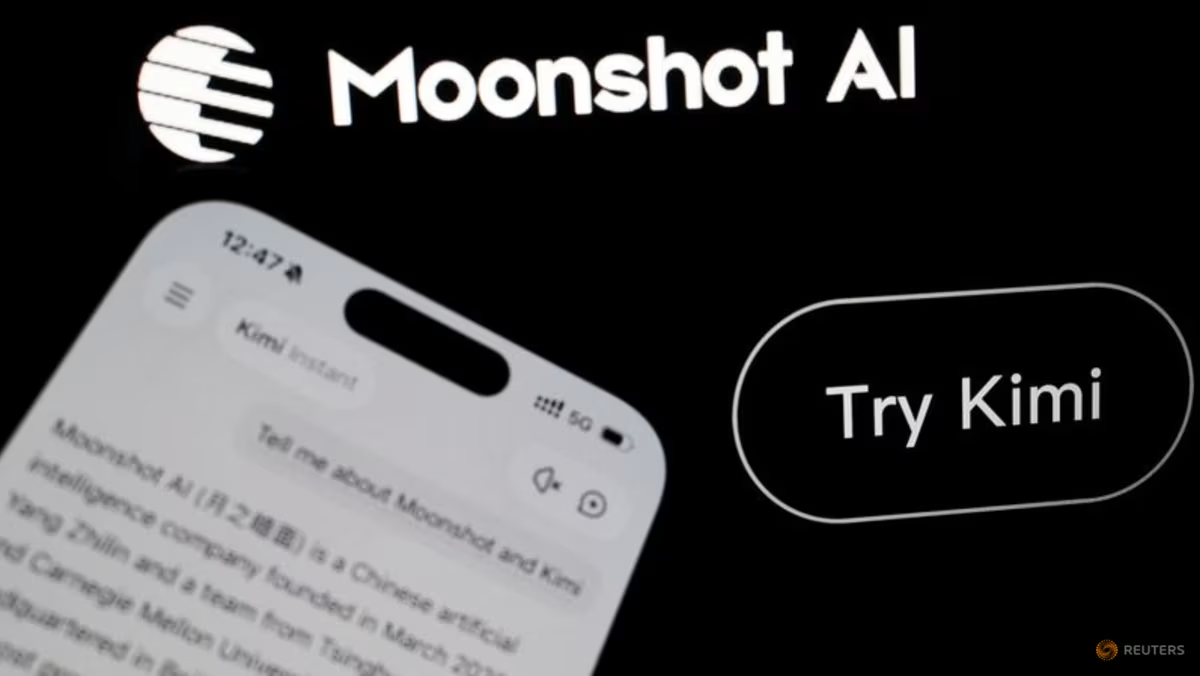
The logo of Chinese company Moonshot AI is displayed alongside its Kimi app on a mobile phone, in this illustration picture taken July 24, 2026. REUTERS/Florence Lo/Illustration
29 Jul 2026 05:59AM
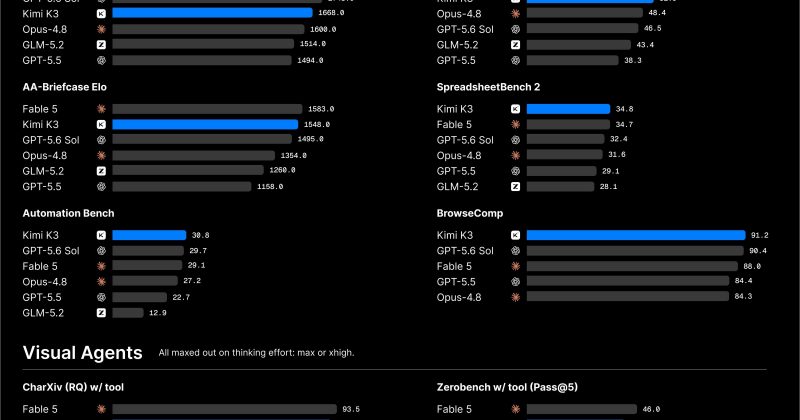
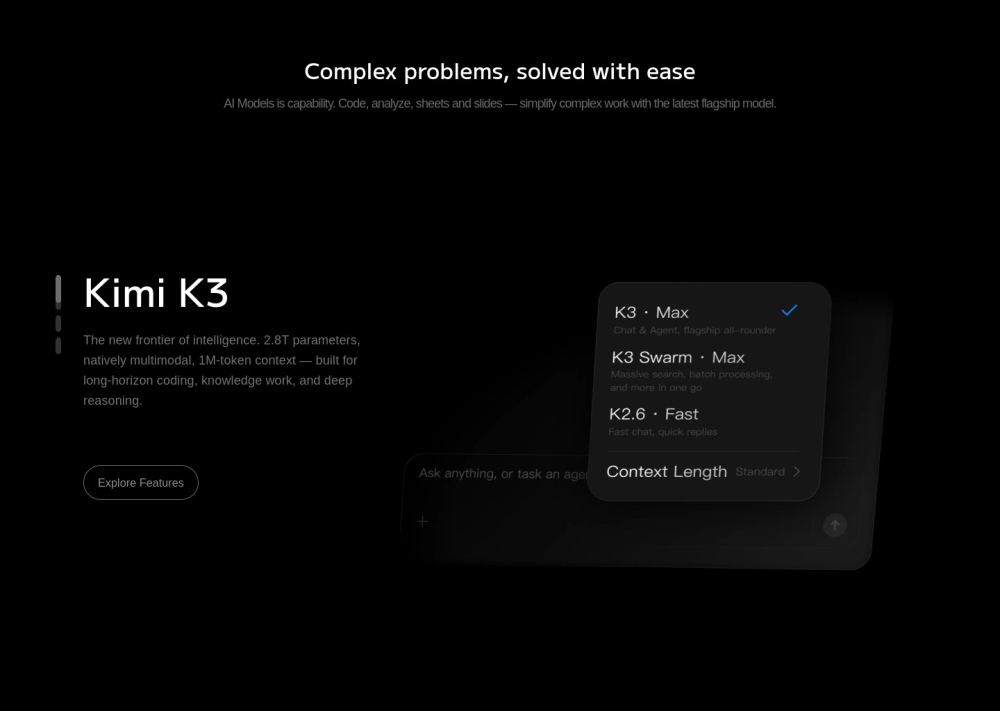
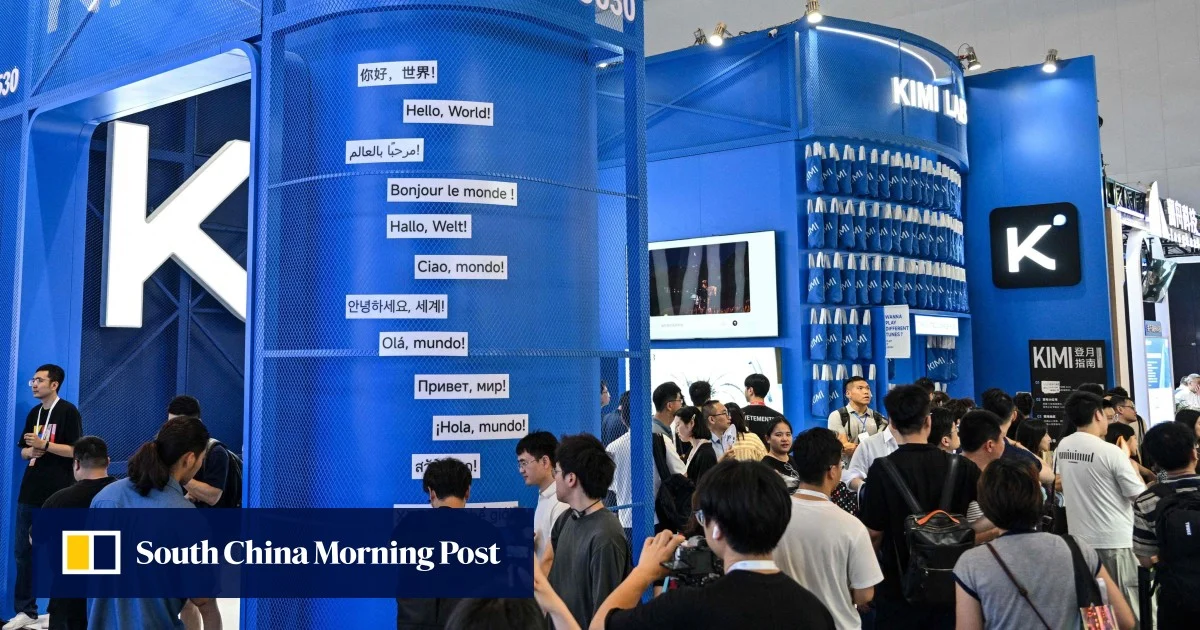
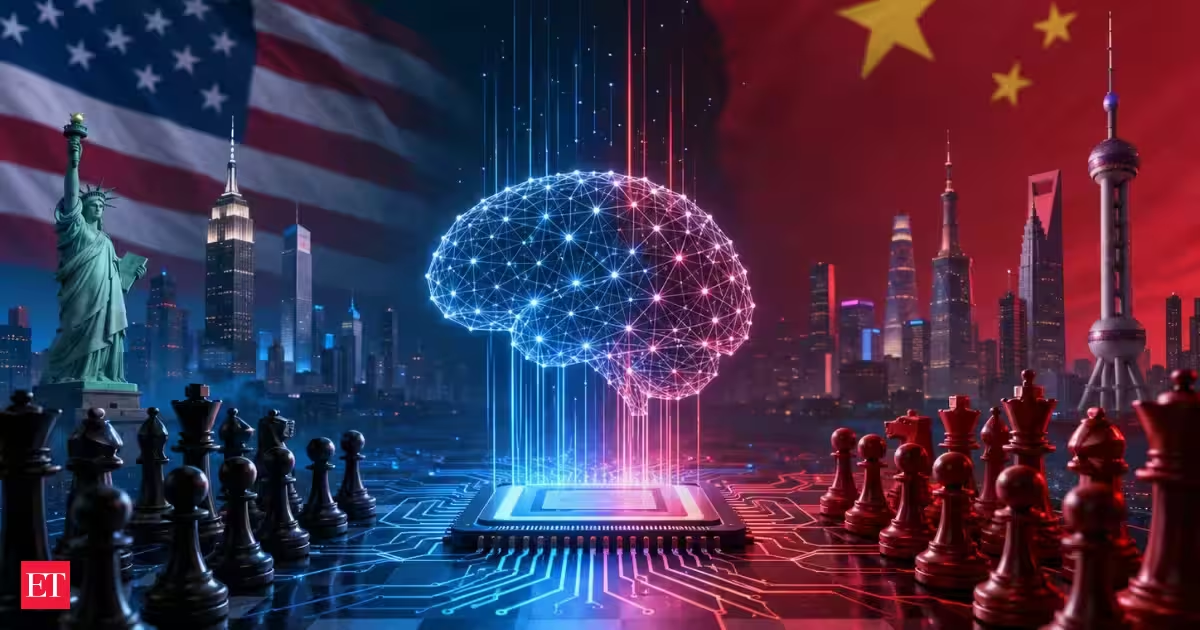
TOKYO: The release of Moonshot’s Kimi K3 has spurred plenty of noise in Washington, marked by threats of a crackdown and accusations of stealing. But the signal from Silicon Valley says something different: Open models are becoming essential to AI leadership, and the US is falling behind.First came the panic. Treasury Secretary Scott Bessent declared sanctions and Entity List designations were “on the table”, while accusing Chinese firms of intellectual property theft via distillation, a standard technique in which one model’s outputs are used to improve another. White House Office of Science and Technology Policy Director Michael Kratsios echoed these sentiments. Soon, reports began swirling that the US was considering a crackdown on Chinese AI models themselves.Then something kind of incredible happened: Silicon Valley revolted. A coalition of 179 startups and tech founders signed a letter addressed to Kratsios and Commerce Secretary Howard Lutnick, urging against a ban of foreign models. Recent Chinese releases such as Kimi K3 show “open distribution is now a competitive strategy”, the letter stated. US leadership requires not just better American open models, but continued access to those already available worldwide, it added.