New Delhi: Germany approved arms export licences worth nearly 800 million euros for Israel during the first five months of 2026, marking a sharp acceleration in military approvals despite Berlin’s previously stated concerns over Israel’s operations in Gaza.
The value of licences granted between January and May was greater than the total approved during the preceding 20 months, according to the German government’s response to a parliamentary question submitted by the far-right ‘Alternative for Germany’ party. Almost all approvals were issued during April and May.More than 60 percent of the total value was allocated to an unnamed “major maritime project”—a description that analysts believe refers to the INS Drakon, which is a German-built Dolphin II-class submarine that was reportedly given to the Israeli Navy last week.
This development exposes the contradictions within Germany’s Israel policy: Berlin has criticised the devastating humanitarian consequences of the Gaza war and briefly restricted some military exports to Israel, but continues to approve major defence projects for one of its closest strategic partners.The ‘sub-project’
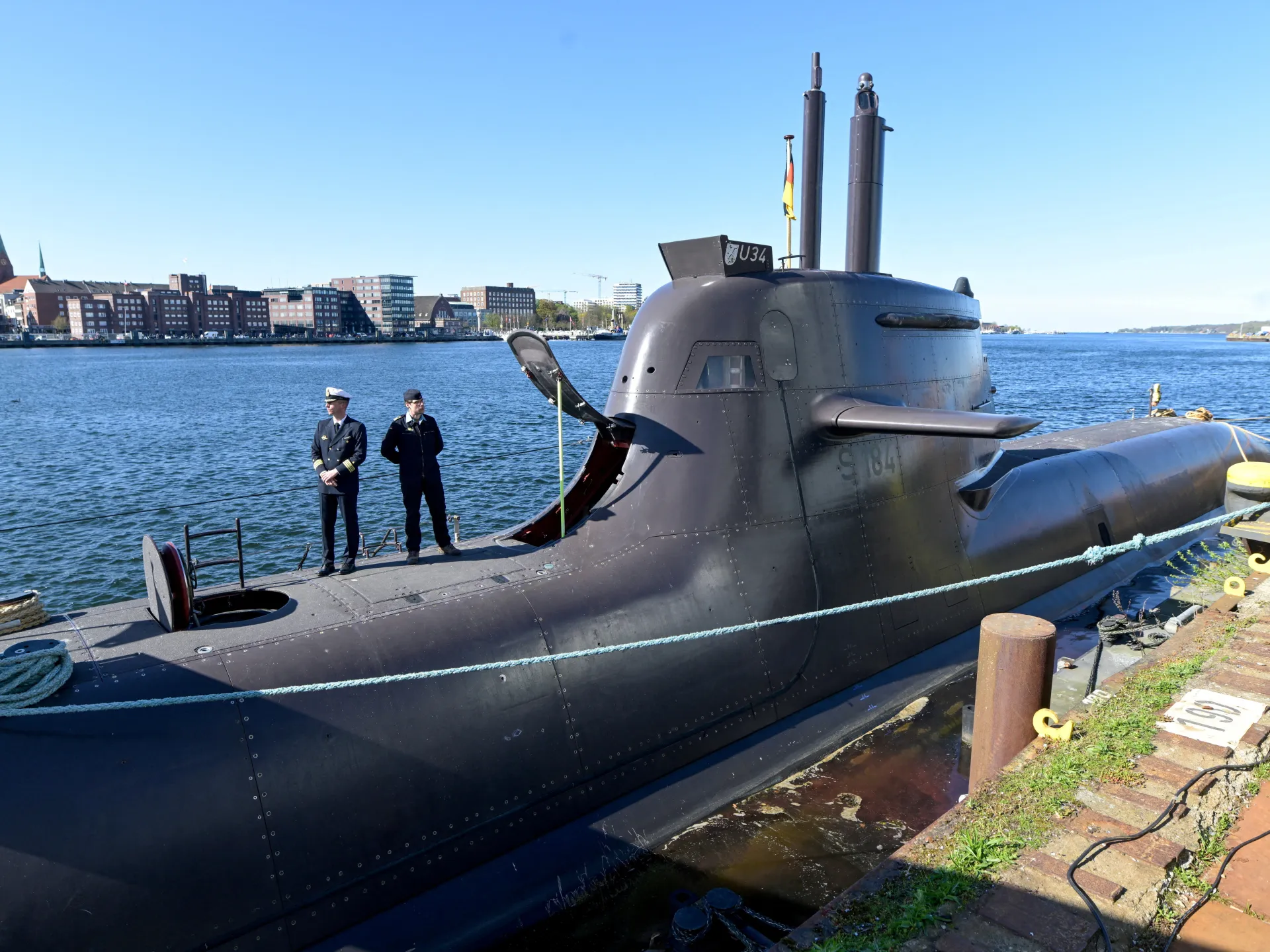
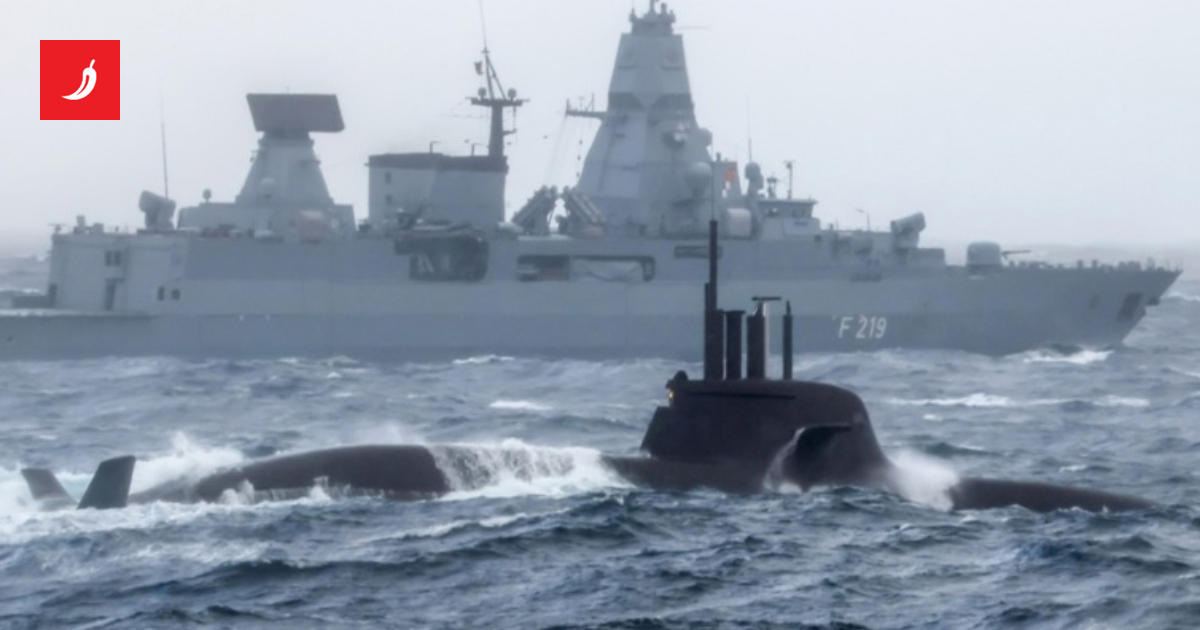
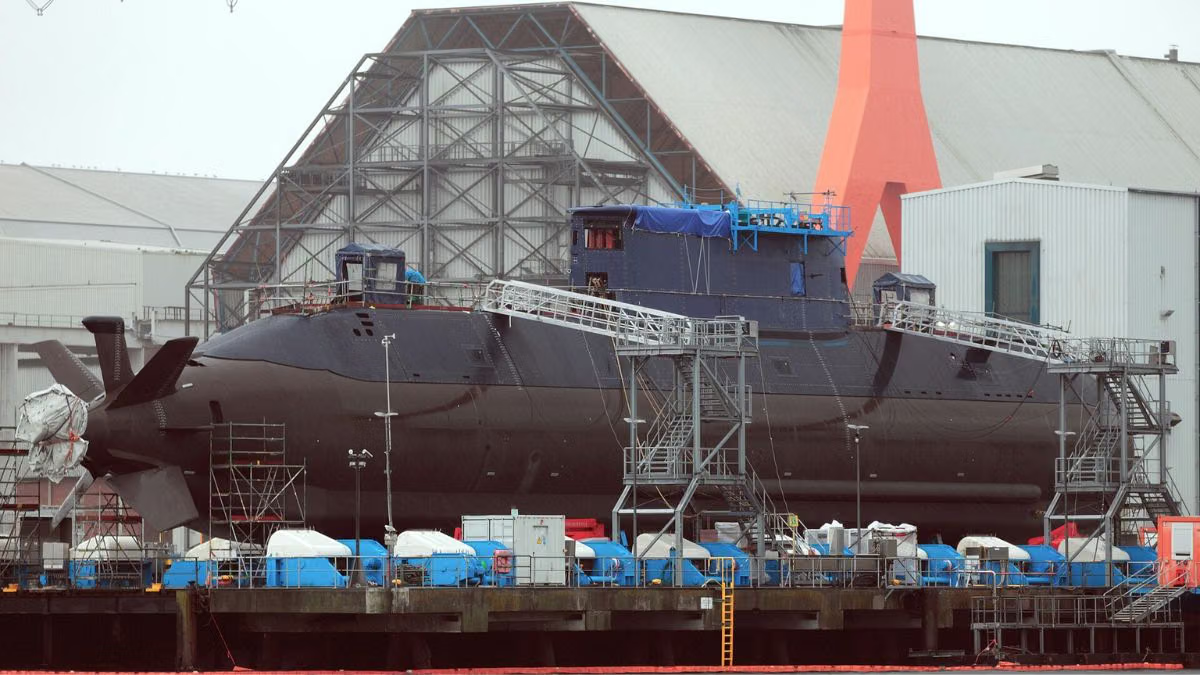
Although the German government has not publicly identified the maritime project, analysts have pointed to the INS Drakon, built by German shipbuilder Thyssenkrupp Marine Systems (TKMS), at its shipyard in the port city of Kiel.The submarine is estimated to be worth 480 million euros, broadly corresponding with the portion of the export licences assigned to the project. It completed its maiden voyage last year in the Baltic Sea and was formally transferred to the Israeli Navy in July, according to German media reports.The Drakon belongs to Israel’s Dolphin II class of conventionally powered submarines and is believed to be capable of carrying nuclear weapons. Reports suggest that the vessel may be fitted with a vertical launching system (VLS), which could allow it to fire cruise or ballistic missiles while submerged.During testing, sections of the submarine’s enlarged sail, or tower, were reportedly concealed beneath tarpaulins and fibreglass panels which prevented observers from determining its precise weapons configuration.A submarine capable of launching nuclear-armed missiles could strengthen Israel’s second-strike capability, the ability to retaliate with nuclear weapons even after its land-based forces and installations have suffered a nuclear attack.The Drakon’s delivery is part of a decades-long defence relationship between Germany and Israel. Berlin has reportedly financed about 30 per cent of the vessel’s cost, and approximately one-third of the planned Dakar-class submarines that are expected to follow it.