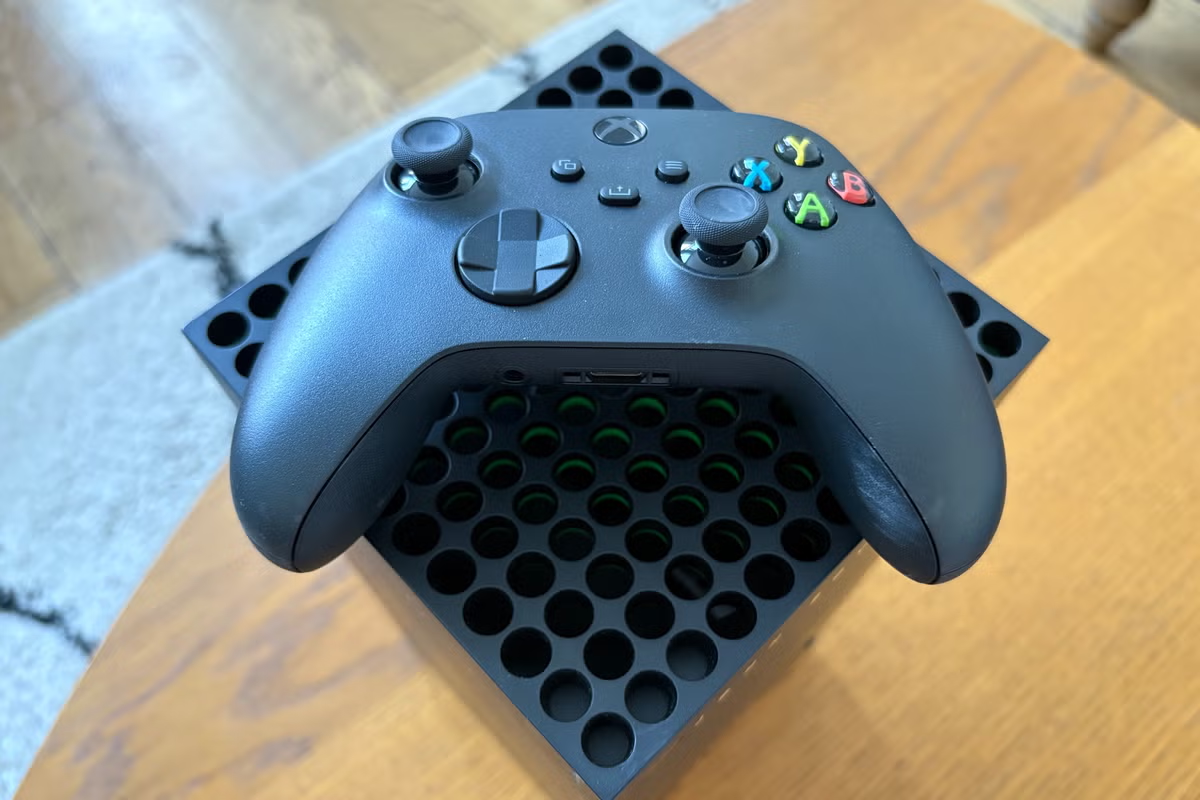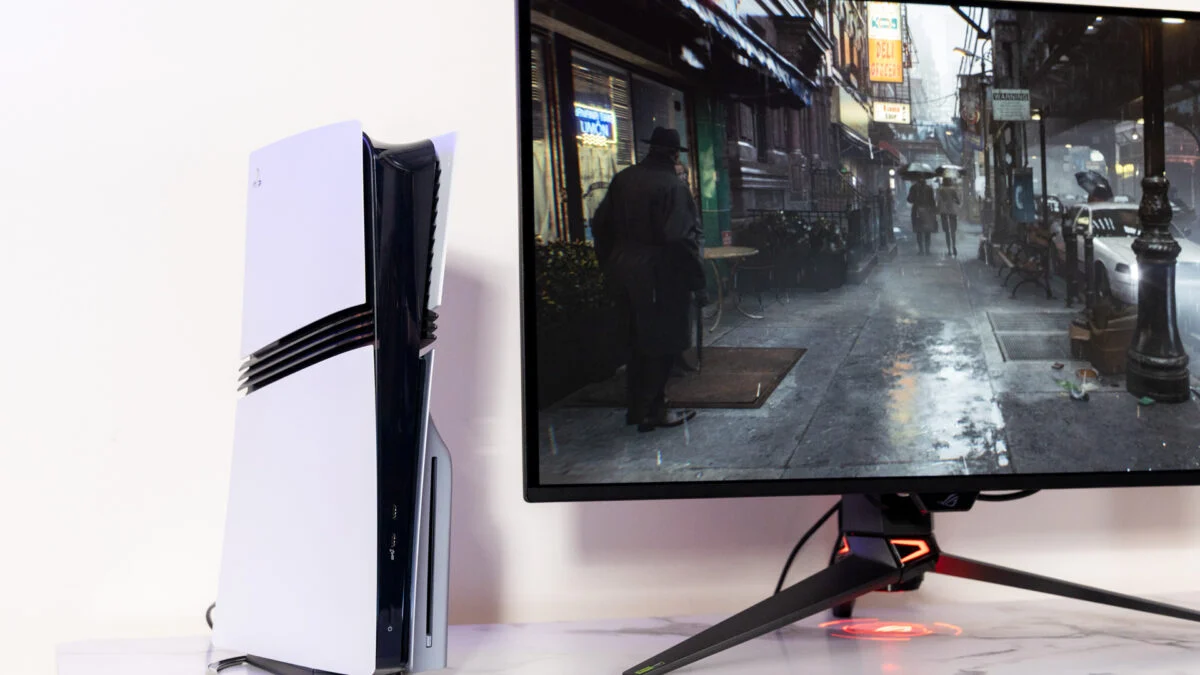
It happened two times in two weeks: First Sony's PlayStation Network, then Microsoft's Xbox experienced significant outages. Monday's Xbox outage was particularly galling for users, since many Xbox games these days require authentication via the internet before they can even launch. Not only were Xbox users locked out of online features, they couldn't even launch games they had installed on their machines. PSN players are vulnerable too: Sony recently confirmed it will stop manufacturing PlayStation game discs after January 2028. The outages, in short, were an object lesson in the trade-offs that come with an all-digital sales model — as well as the benefits of keeping physical media alive.
You May Also Like
Why are game discs going away?For most of the history of video game consoles, buying a game meant acquiring a physical object. You bought a disc or cartridge, you inserted it, the console read it, and the game ran. You could resell the disc, lend it, or shelve it indefinitely without worrying about digital rights management.But discs could also produce noticeable delay or stutter during gameplay, since optical drive read speeds have not scaled up as fast as processing power. So publishers began front-loading install data onto consoles' local hard drives, rather than taking it from a disc in real-time. As game file sizes have grown, publishers have leaned further into upfront installation as the more stable engineering choice.