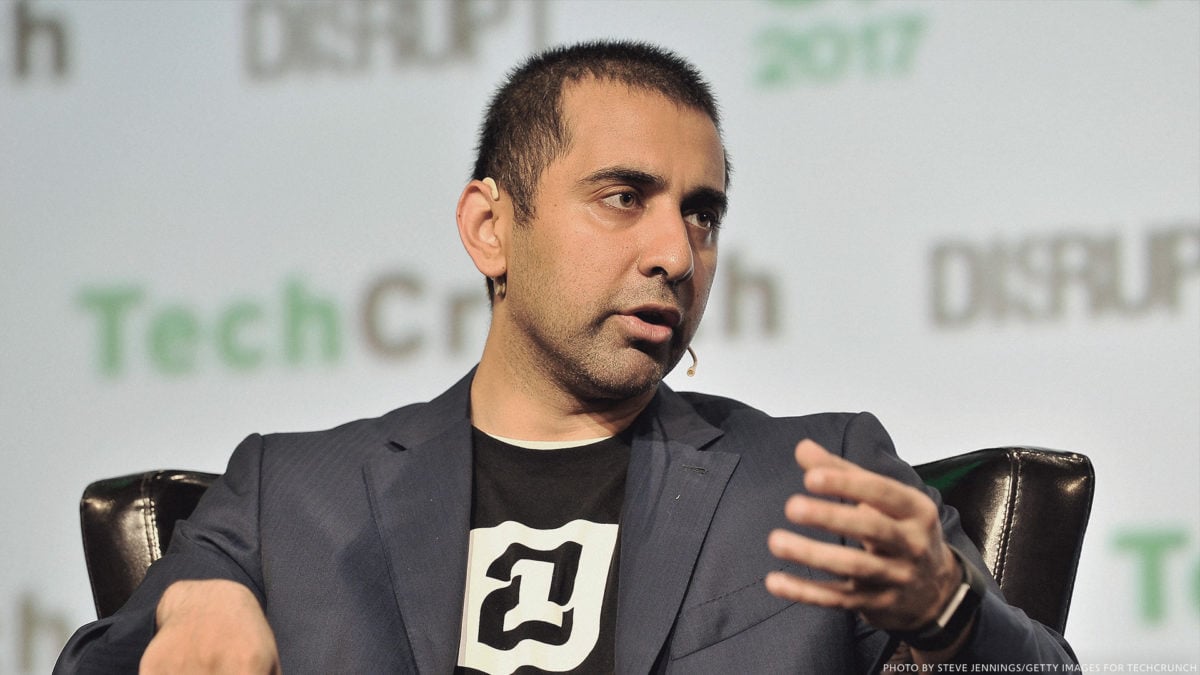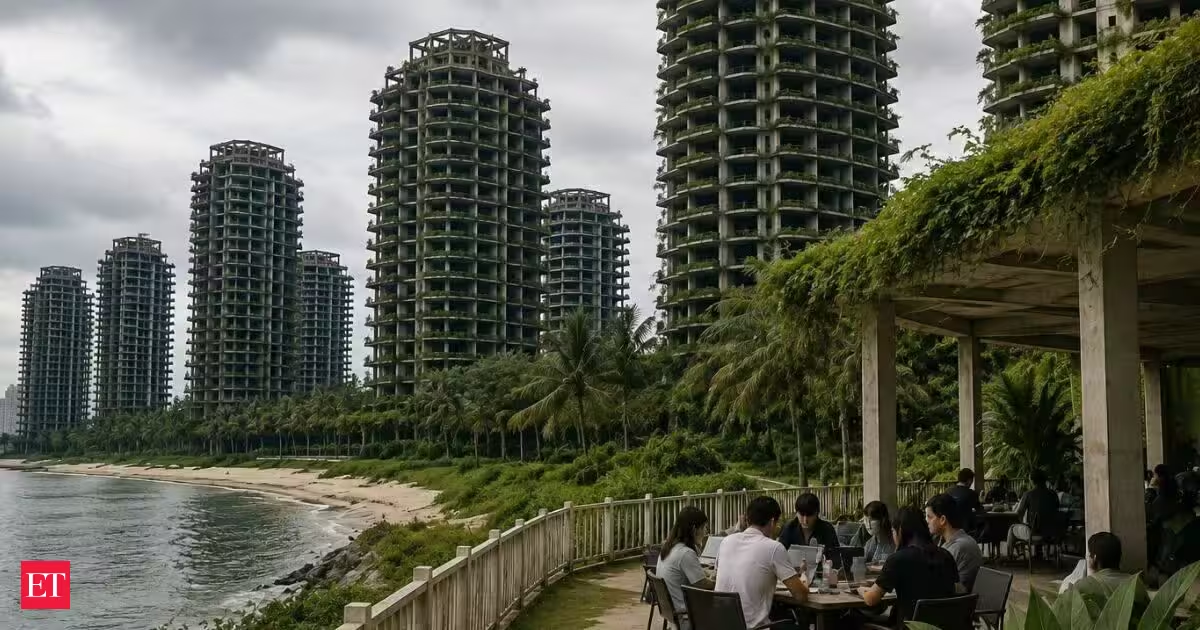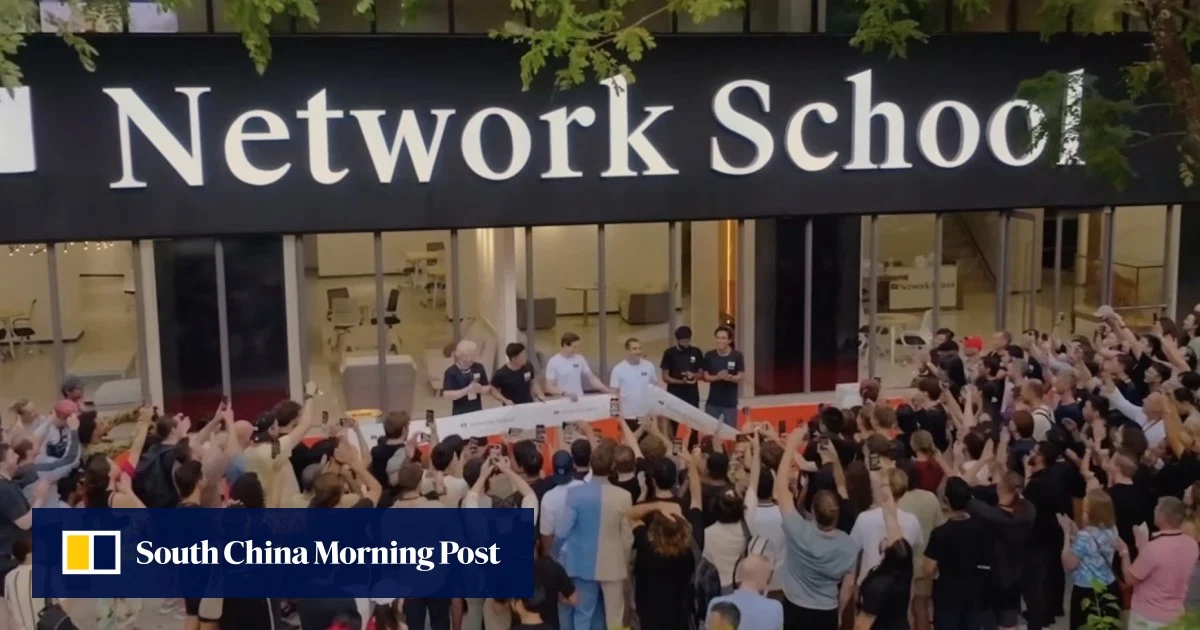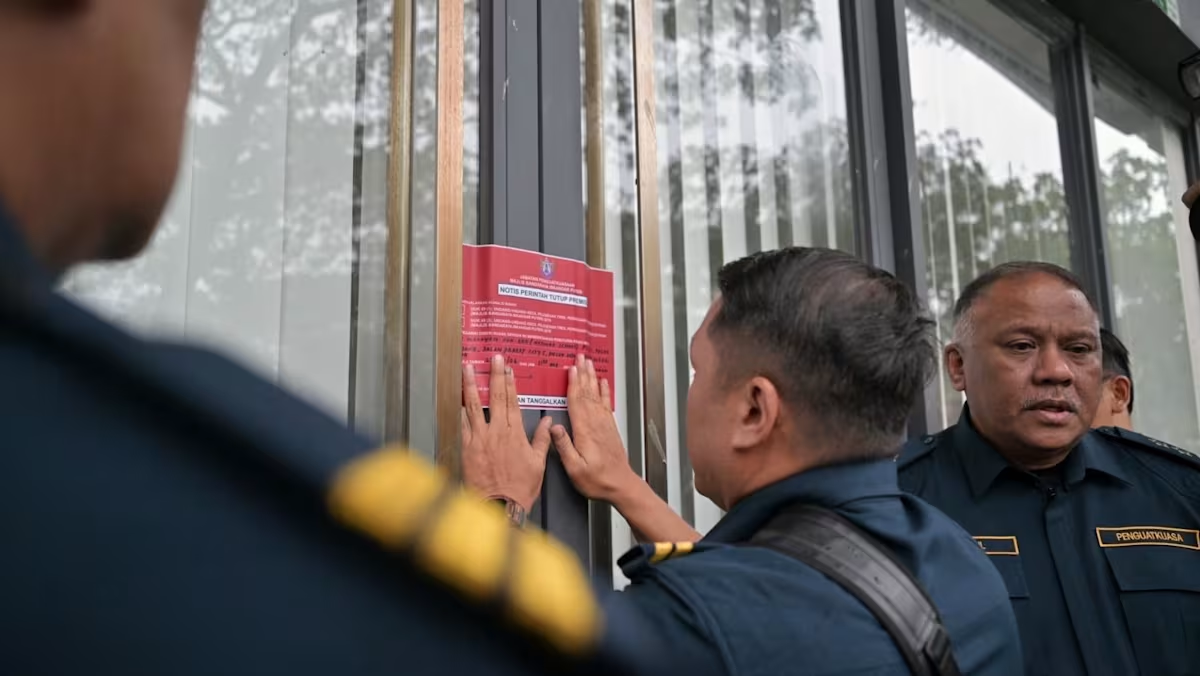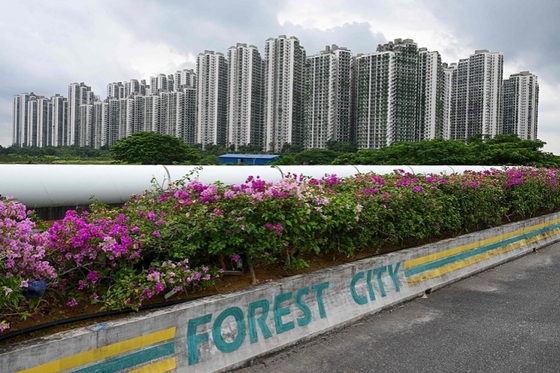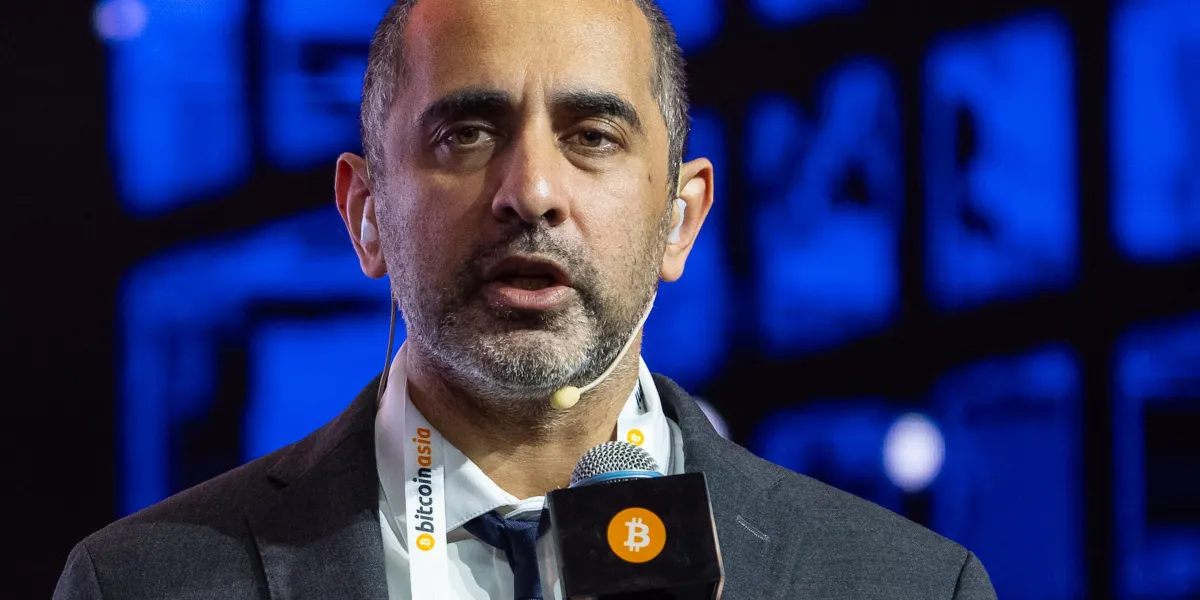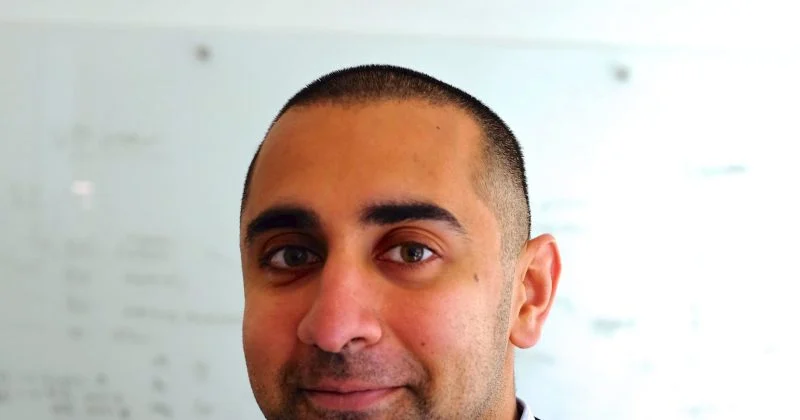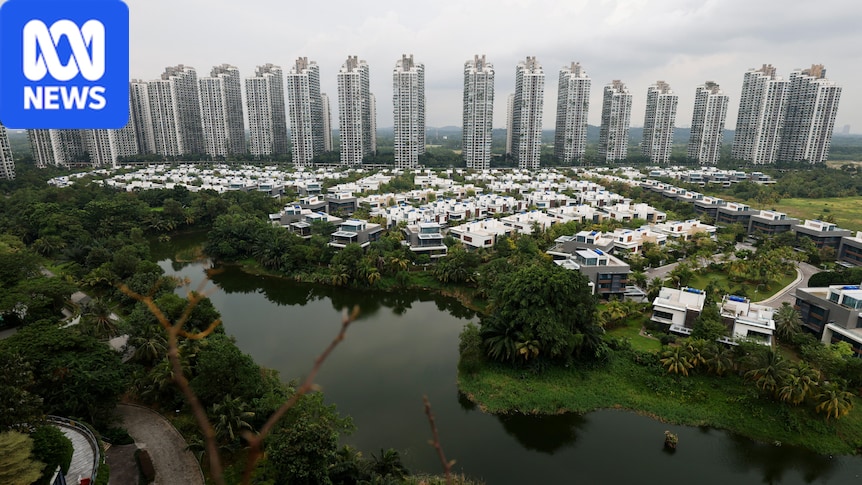
For digital nomads seeking the flexibility of working remotely from a tropical paradise, it ticked all the boxes. The Network School — a hub for online creators, personal trainers and other remote workers — was established in October 2024 in Forest City, in Malaysia's Johor state, across the border from Singapore. With the slogan "learn, burn, earn, and have fun", it was the brainchild of Balaji Srinivasan, an American tech entrepreneur and former chief technology officer at cryptocurrency platform Coinbase.Content creators posting about their lives boasted of a hotel-like existence, including buffet-style meals, 24/7 access to a gym, and housekeepers to make their beds and clean their bathrooms — luxuries they enjoyed for a monthly fee of $US1,500 ($2,150).But the self-styled "frontier community for techno-optimists" was abruptly shut down last week by Malaysian authorities following an investigation by Malaysia's Ministry of Home Affairs.Balaji Srinivasan is the founder of the Network School and author of The Network State. (Reuters: David Delgado)Diplomatic furoreThe investigation was reportedly first sparked by social media posts from activist group Malaysian Protest 4 Palestine, which alleged the Network School had become "a gathering place for Israeli entrepreneurs".They claimed Israeli nationals with dual citizenship had entered the country on secondary passports.Malaysia does not have diplomatic relations with Israel, and Israeli passport holders are generally not permitted to enter the country without prior approval from Malaysian authorities.The Malaysian Prime Minister, Anwar Ibrahim, threatened to "deport immediately" any Israeli found at the Network School.Anwar Ibrahim says Malaysia will not compromise on its policy of refusing entry to Israeli citizens. (Reuters: Rolex Dela Pena)Local media initially said no immigration breaches were found among 266 foreign citizens, although investigations were continuing into 11 dual nationals. Foreign Minister Mohamad Hasan said on Thursday last week that one US-Israeli dual national was found to have entered Malaysia on his US passport."Subsequent checks revealed that he also held Israeli citizenship, and we asked him to leave," Mr Mohamad said, according to state media outlet Bernama.The incident sparked a diplomatic row, with Malaysia's ambassador to the US being summoned to explain the country's decades-long position on banning Israeli nationals, and a group of US Congress members threatening to cut off funding for military training if the policy was not reversed.Mr Anwar rejected the comments from the Congress members as "totally absurd" and defended Malaysia's stance of refusing to recognise the state of Israel and bar entry to Israeli nationals.So far, Israel appears not to have commented on the incident.Iskandar Puteri City Council, where the Network School operated, revoked its business licence on Wednesday last week, ultimately citing licensing breaches, not immigration issues.According to an official statement received by the ABC, the breaches included operating without a business licence and running business activities outside the scope of a permit.Mr Srinivasan has since announced that the Network School would open a new campus in Kazakhstan. The ABC contacted the Network School for comment but did not receive a response.Putting the 'ghost city' back on the mapThe incident not only drew attention to the digital nomad community in Malaysia, but also thrust the Forest City back into the spotlight.Forest City in Malaysia is connected to Singapore by a bridge. (Reuters: Edgar Su)Forest City is a $US100 billion ($142 billion) mega project developed on an artificial island by Country Garden, a Chinese property developer.Construction of the city began in 2014, and it was originally projected to house 700,000 residents.It was later labelled a "ghost city".Local media outlets reported that the number of residents remained small, with estimates ranging from a few thousand to no more than 10,000 people.According to the Forest City Malaysia blog, updated in January 2026, the slow growth was driven by "several major factors", including stricter rules for foreigners wanting to buy property in Malaysia and the global financial slowdown caused by COVID-19.In a bid to attract foreign investment and boost the economy, the Malaysian government designated Forest City a Special Financial Zone in 2023, offering a package of tax incentives to businesses operating there.Experts said Forest City did not necessarily need more buildings or "speculative" investment to develop."To truly take root, it needs people, businesses, entrepreneurs and institutions that can generate sustained activity," Amir Fareed Rahim, South-East Asia public affairs specialist from the political consulting firm KRA Group, told the ABC. Mr Rahim said the Network School had the potential to bring a new community and renewed momentum to Forest City before it became embroiled in controversy.Techno sovereigntyPrior to the question of Israeli nationals in Malaysia, the Network School had drawn the ire of Malaysians who raised concerns about Mr Srinivasan's ethos, as articulated in his book The Network State.According to the book, a network state is an online community "with a capacity for collective action that crowdfunds territory around the world and eventually gains diplomatic recognition from pre-existing states".Authorities in Johor sealed off one of Network School's premises in Forest City after they found it operated without a valid business licence. (Supplied)Some were also concerned about The Network School advertising itself as operating on an island near Singapore, without mentioning Malaysia. Mr Rahim said Malaysians' concerns about sovereignty were not "entirely imaginary"."When entities speak about parallel institutions, alternative currencies or building new forms of political community, stakeholders like governments and civil society are entitled to ask where entrepreneurship ends and a political project begins," he said."Digital communities may organise across borders, but once they occupy buildings, house residents, conduct business or run programmes, they become subject to the laws of the territory in which they operate."Prior to the shutdown, many Malaysians also took to social media to criticise the digital nomad model, questioning how an international start-up community would benefit the local economy and help local people.The Network School said it had 2,000 members. (Supplied)After the immigration probe, the Network School's founder Mr Srinivasan released a long statement on his X account, leading with the question: "Should the global tech community continue investing in Malaysia?"In the post, he said that the Network School had contributed to the Malaysian economy by investing more than 100 million Malaysian ringgit ($34 million) and employed dozens of Malaysians from executive to lower-level staff.Mr Rahim said the long-term value for initiatives such as the Network School would depend on whether the project transferred skills, generated capital and created opportunities for Malaysians."The key test is not how many foreign participants it attracted, but how many Malaysian companies, workers, universities and entrepreneurs benefited from their presence," he said.Forest City developer Country Garden said in a statement that it always operated in accordance with Malaysian laws, government policies and regulatory requirements.It also said that no tenant, operator or organisation was above the law."Any matter involving licensing, immigration or regulatory compliance must be determined through due process by the relevant authorities," the company said in a statement, according to local media.
Home for digital nomads in Malaysian 'ghost city' shut down
Malaysian authorities revoke the business licence of a US tech entrepreneur who was building a start-up community in a largely empty city.
1,137 words~5 min read