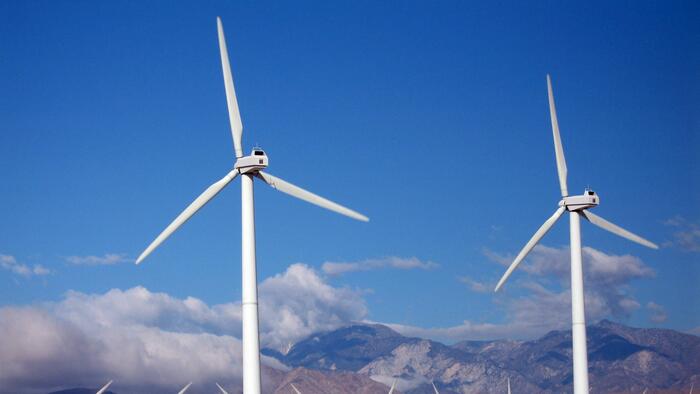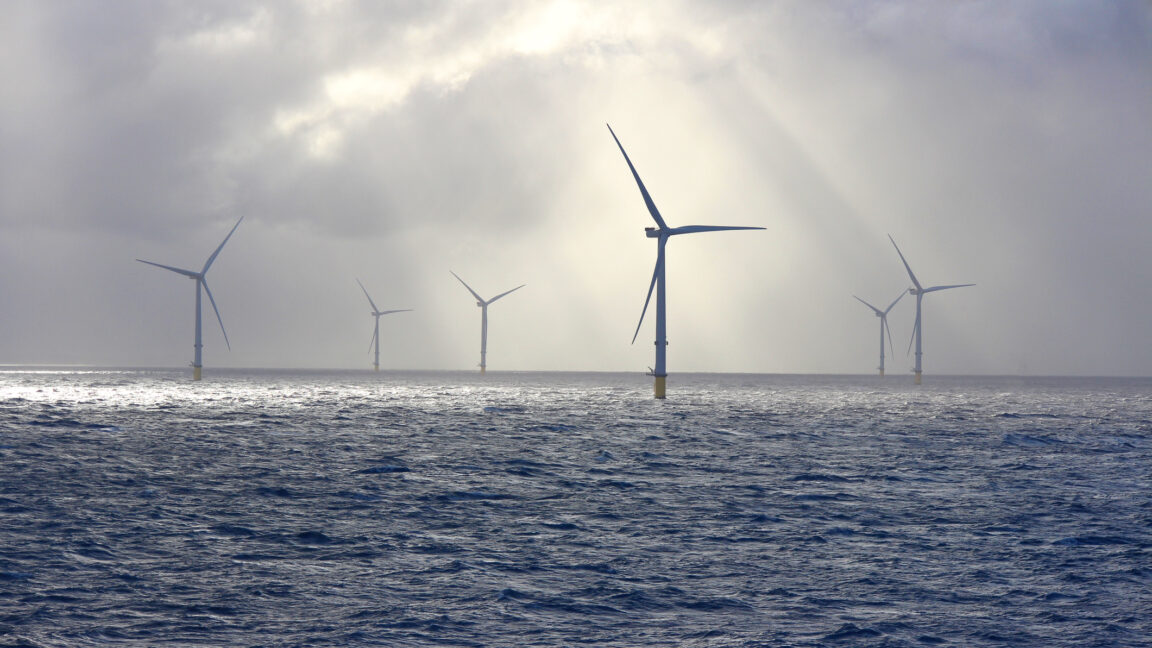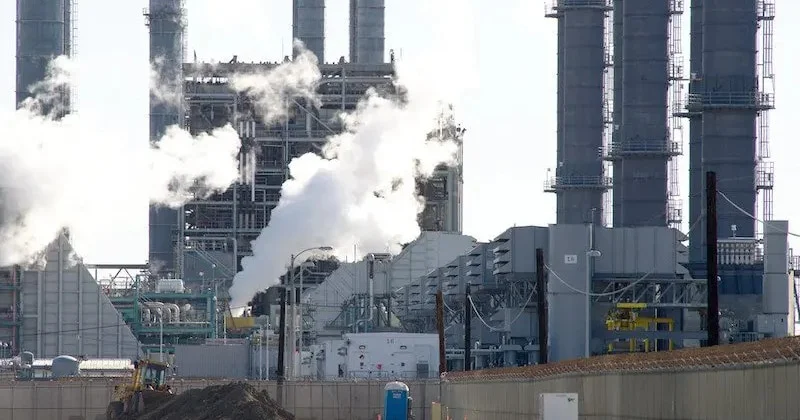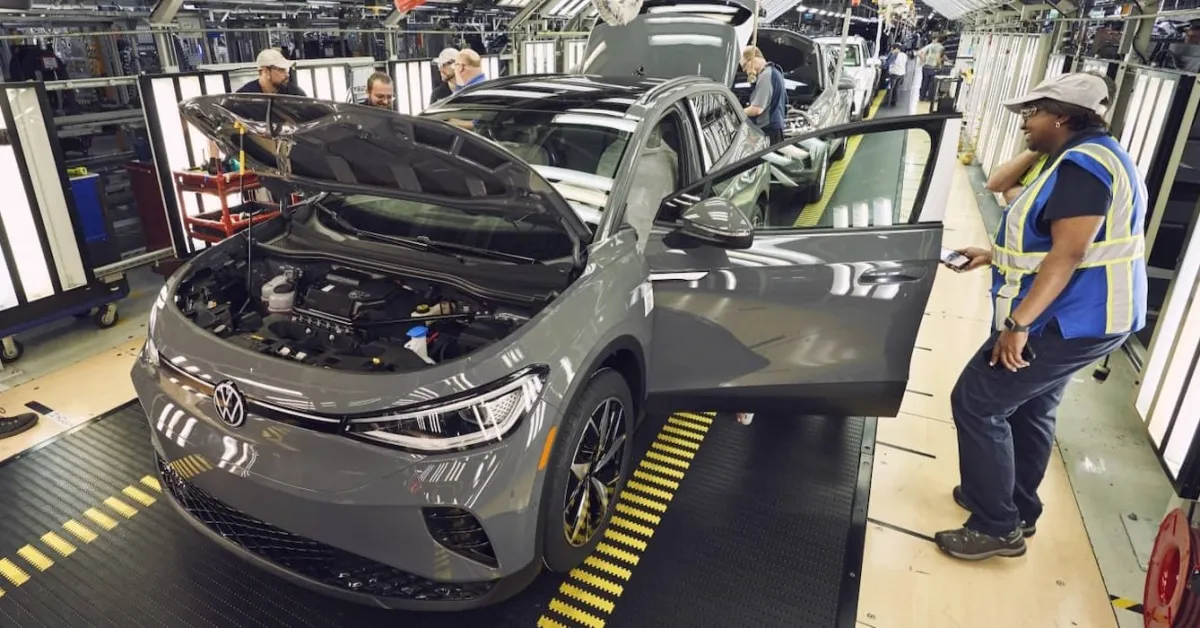
The natural gas industry has barely contributed a dribble of new power plants to the US grid since January of 2025, when US President Donald Trump declared an energy emergency. The lack of progress — attributed partly to a years-long gas turbine backlog — demonstrates once again that wind, solar (especially solar), and energy storage are the fastest, most economical ways to address whatever emergency currently exists, assuming that such a one does exist. The missing piece of the puzzle consists of next-generation power systems that support even more wind, solar, and storage on the grid. With that in mind, let’s take a look at some fresh developments in the grid modernization area.
1. The US Department Of Energy Still Supports Energy Storage
Despite last year’s sharp U-turn in federal energy policy, the US Department of Energy is still supporting new energy storage technologies. While storage can benefit non-renewables, wind and solar are the primary targets because energy storage can fill in the gaps when wind and solar availability are less than optimal.
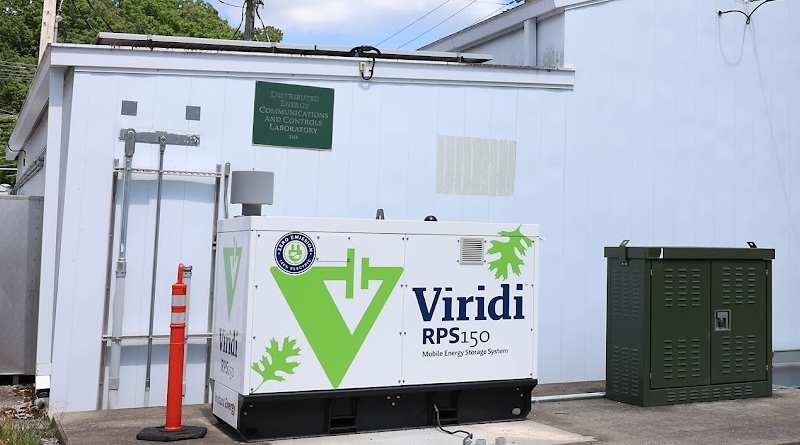
One recent development in that area cropped up in the field of distributed energy resources (DERs), meaning small-scale power generating resources including energy storage as well as wind, solar, and anything else outside of the centralized power plant model.