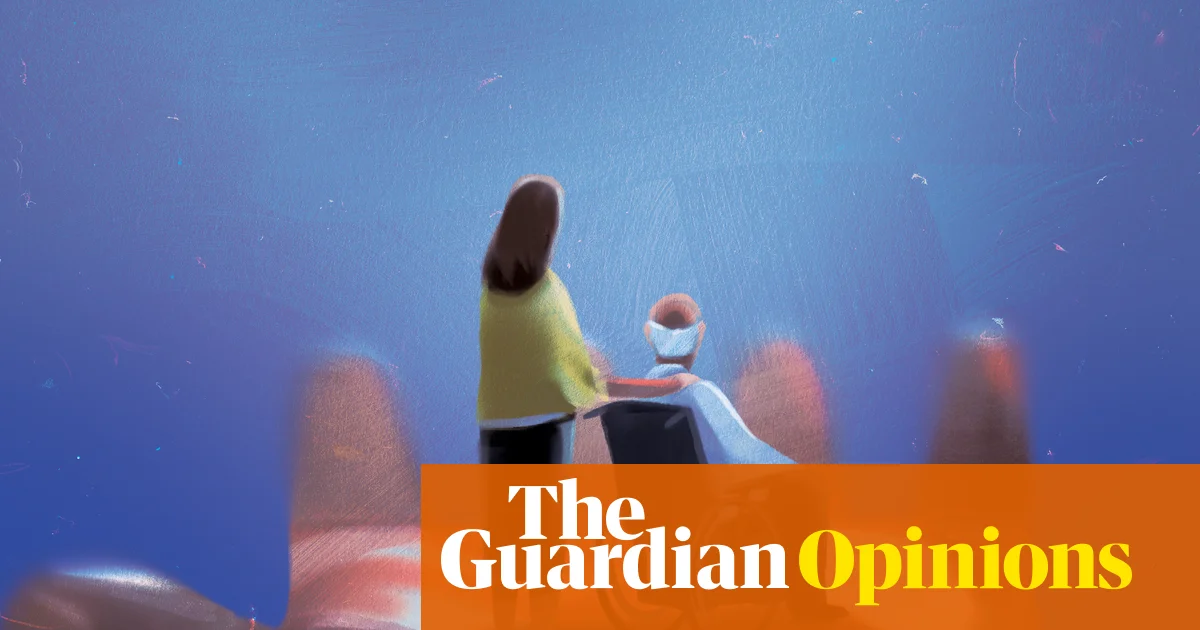
Leasing Linda, the robot carer in Diane Morgan’s terrific new BBC comedy Ann Droid, allows owner Sue to stay at home after she breaks her wrist. Former prime minister Margaret Thatcher ended her days in the comfort of The Ritz. Most of us, towards the end of our lives, will end up somewhere in between.
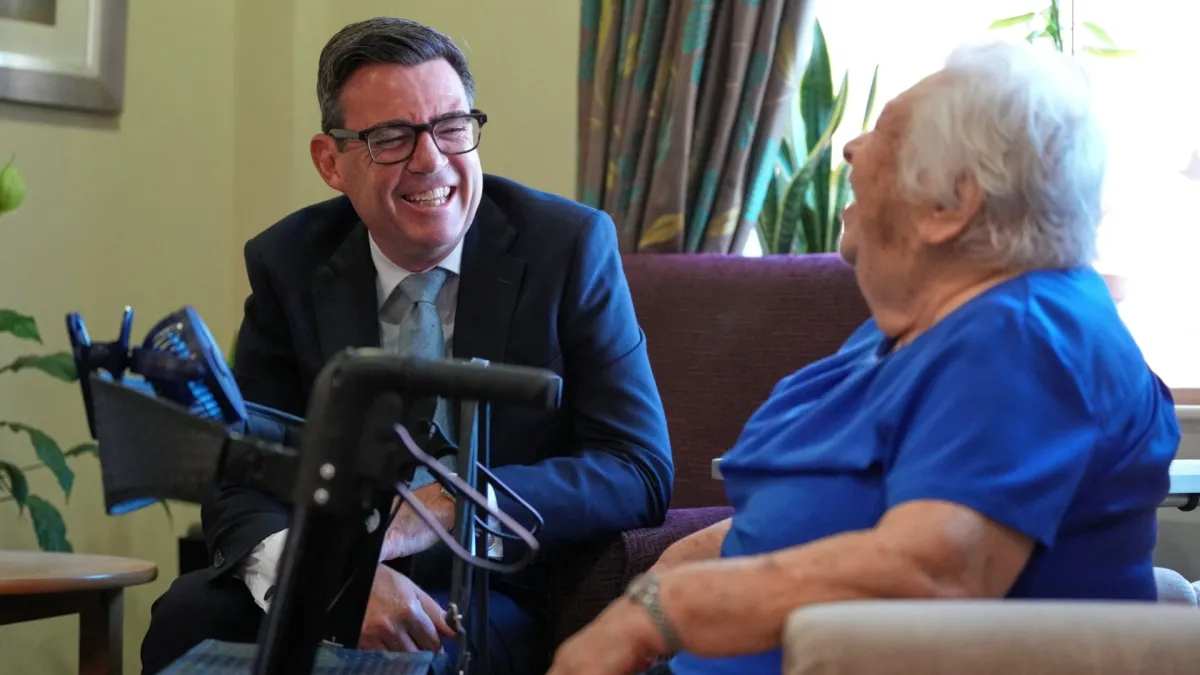
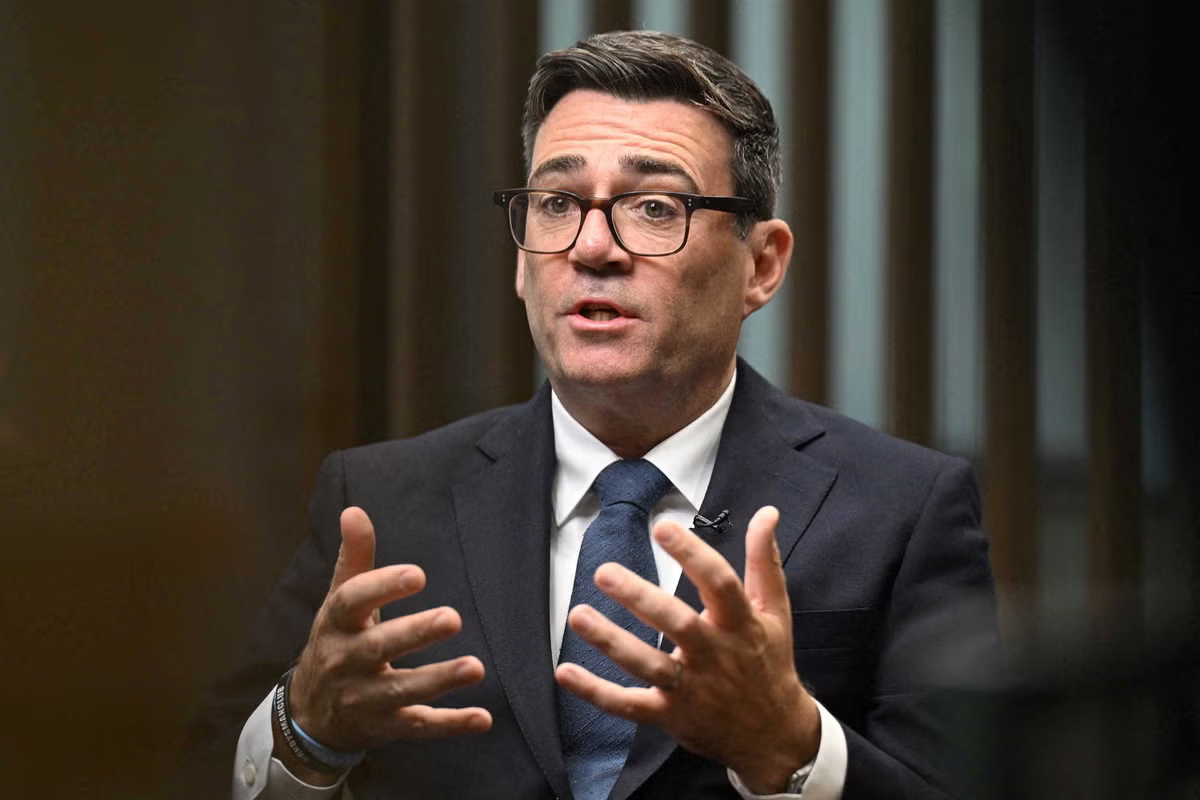
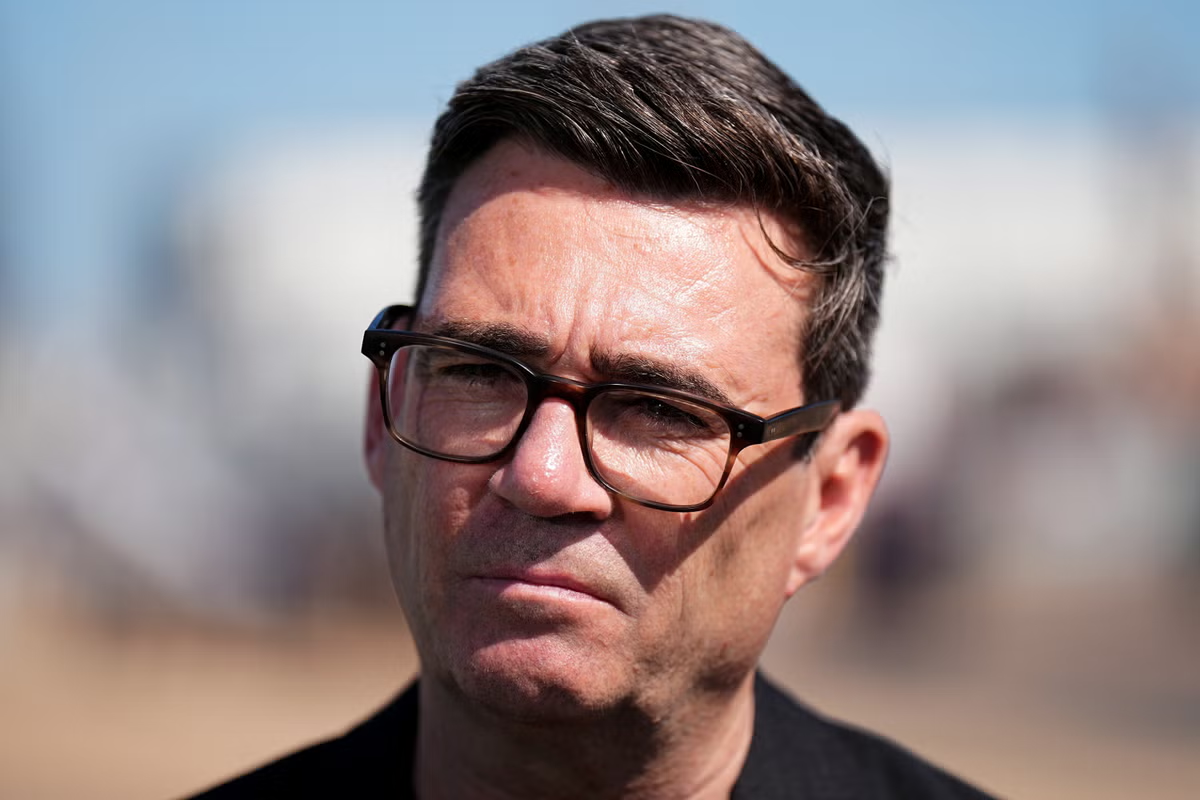
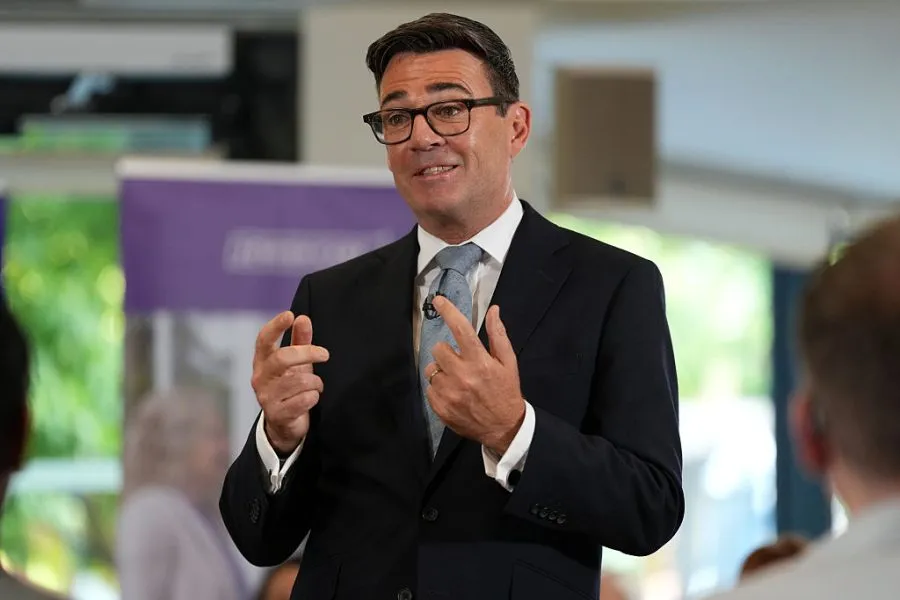
With the vim of a man who knows he has a limited amount of time to spend political capital, Andy Burnham will use a speech on Wednesday to set a direction for English adult social care. There have been 22 botched attempts at reform in the past 30 years, and still most publicly funded social care is only available to those who have high needs and low assets.
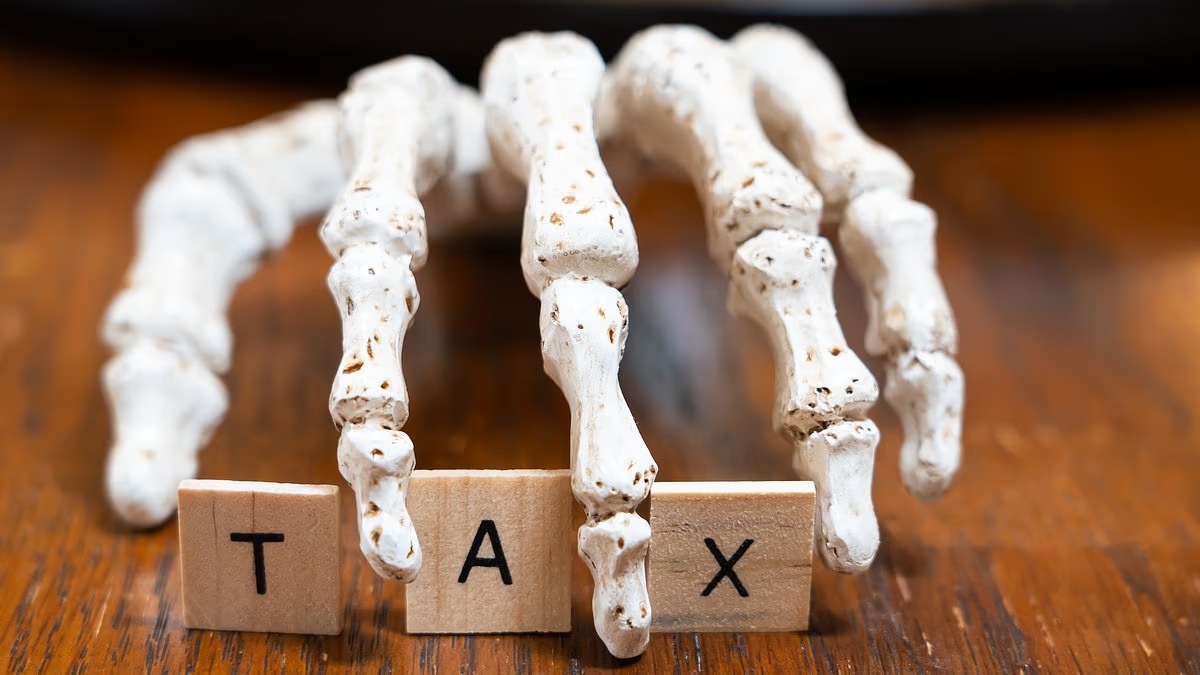
Burnham has said he wants care delivered “on an NHS basis” – free at the point of use, funded through taxation. That’s a much bigger ask than tinkering at the edges, and it’s the same territory that proved so tricky before. As health secretary in 2010, he proposed a National Care Service funded by a deferred levy on estates after death. When the Tories labelled the policy as a “death tax”, the name stuck and killed the idea. He’s yet to rule it out again, but if he pursues the estate tax route, he faces the same arguments.
“There is a problem that if you look at the polling, social care doesn’t appear near the top of people’s priorities,” Tim Bale, co-author of the British General Election of 2024, told The i Paper. “Most people don’t acknowledge it as a problem; not everybody gets dementia or needs a long stay in a care home. So, any tax will hit them much faster than the problem.