Germany's chancellor has cast precious progress on the seven-year spending plan into doubt
The EU budget is slowly taking shape, marshalled first by the Cypriot Council presidency and now steered by the Irish towards a new ‘nego box’, with fresh spending figures, by mid-October.
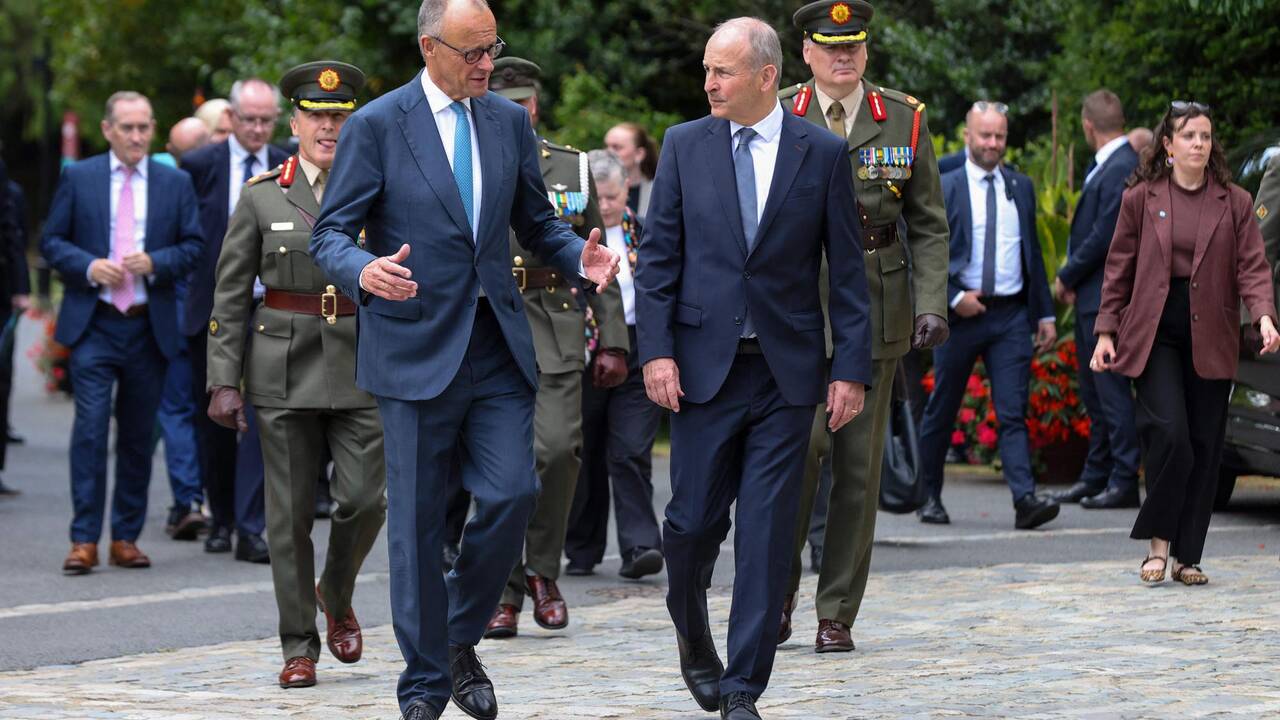
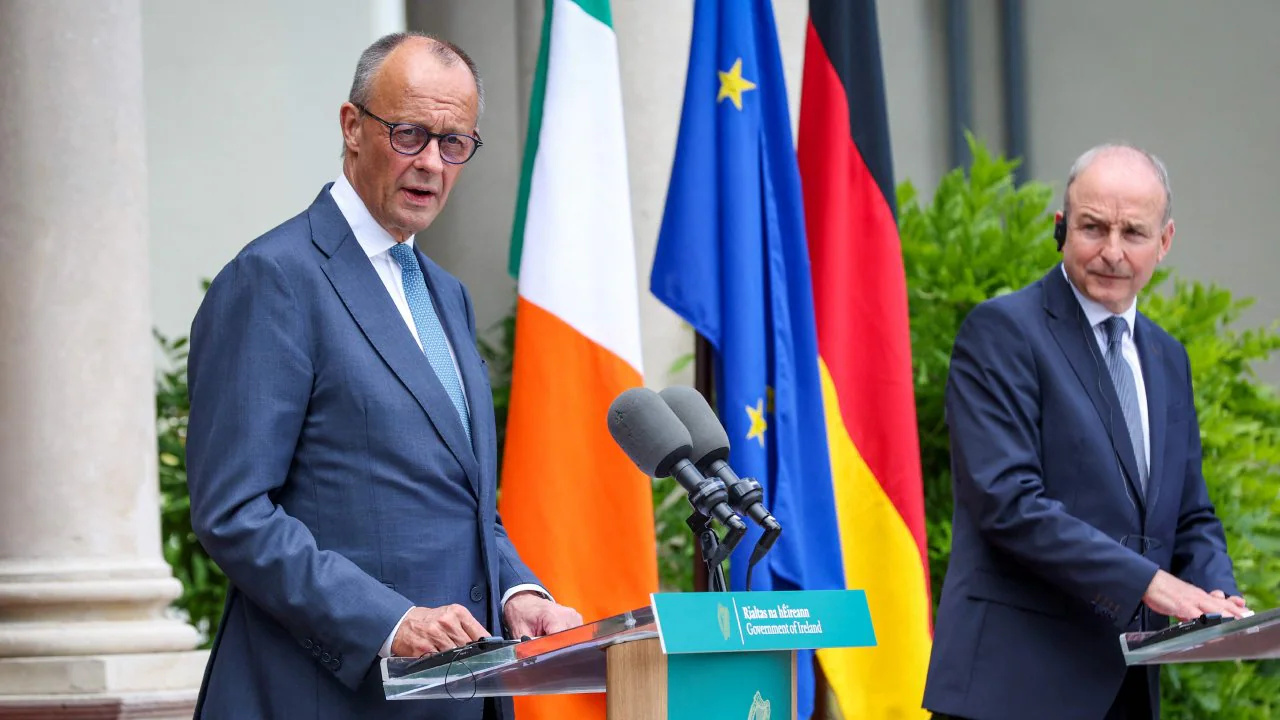
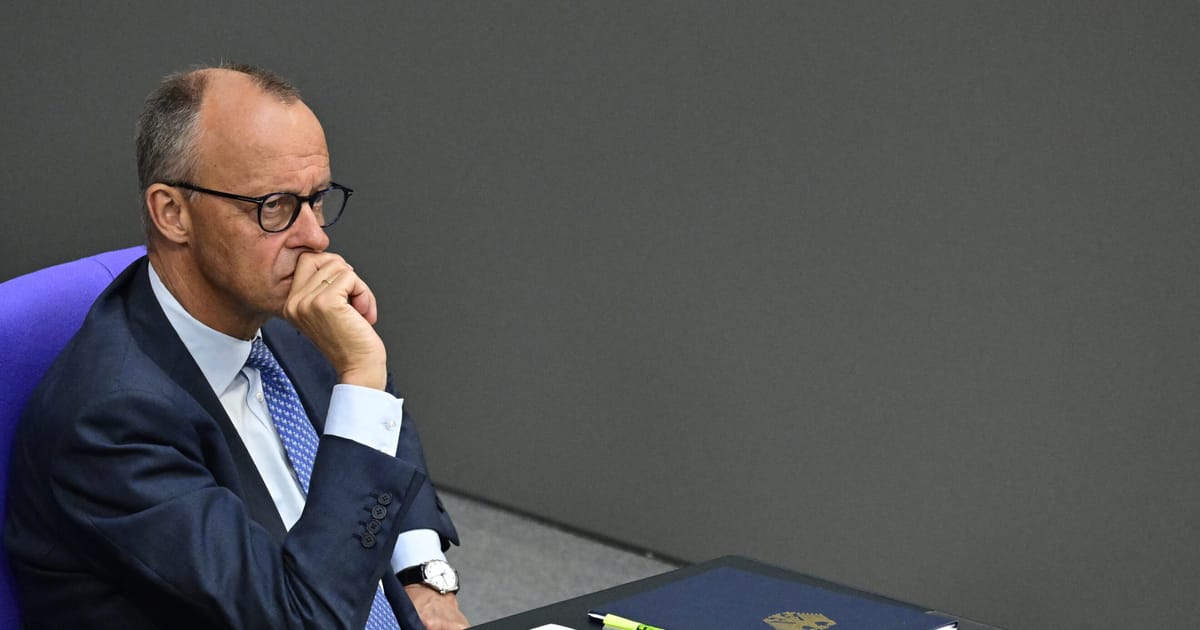
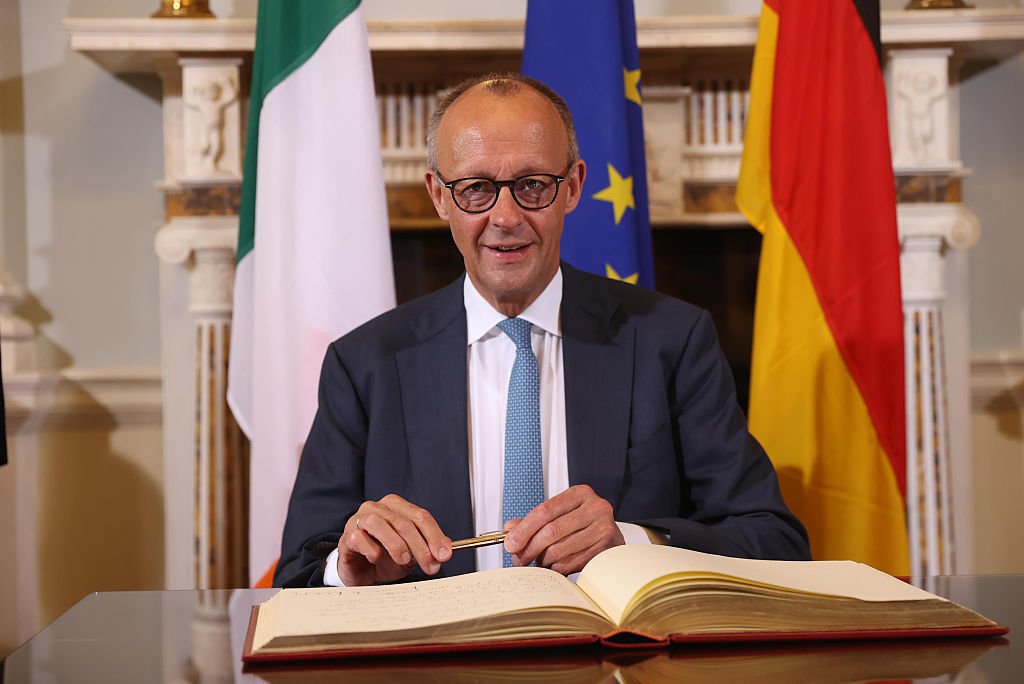
But precious progress on the fiendishly complex and fiercely contested money matters could be thrown awry, as Germany is pushing for all aspects of the spending plan to be negotiable. The message was delivered by Chancellor Friedrich Merz on a visit to Dublin, and strikes a blow to the Commission’s ambitions to increase spending by 60%.
“No area can be exempt,” said a German government official, casting uncertainty over the numbers currently under discussion and that total €1.8 trillion. Merz singled out the Commission’s pitch for 2,500 additional posts, saying that such an expansion was difficult to justify while Berlin is cutting federal staffing.
As negotiators get down to brass tacks, objections are becoming more acute, driving a wedge between net contributors to the seven-year total (of which Germany is the biggest), and those who receive more than they put in. But the pressure to hammer out an agreement is rising as France moves towards elections next year, and a new president who would likely pull the plug on an enlarged EU budget.