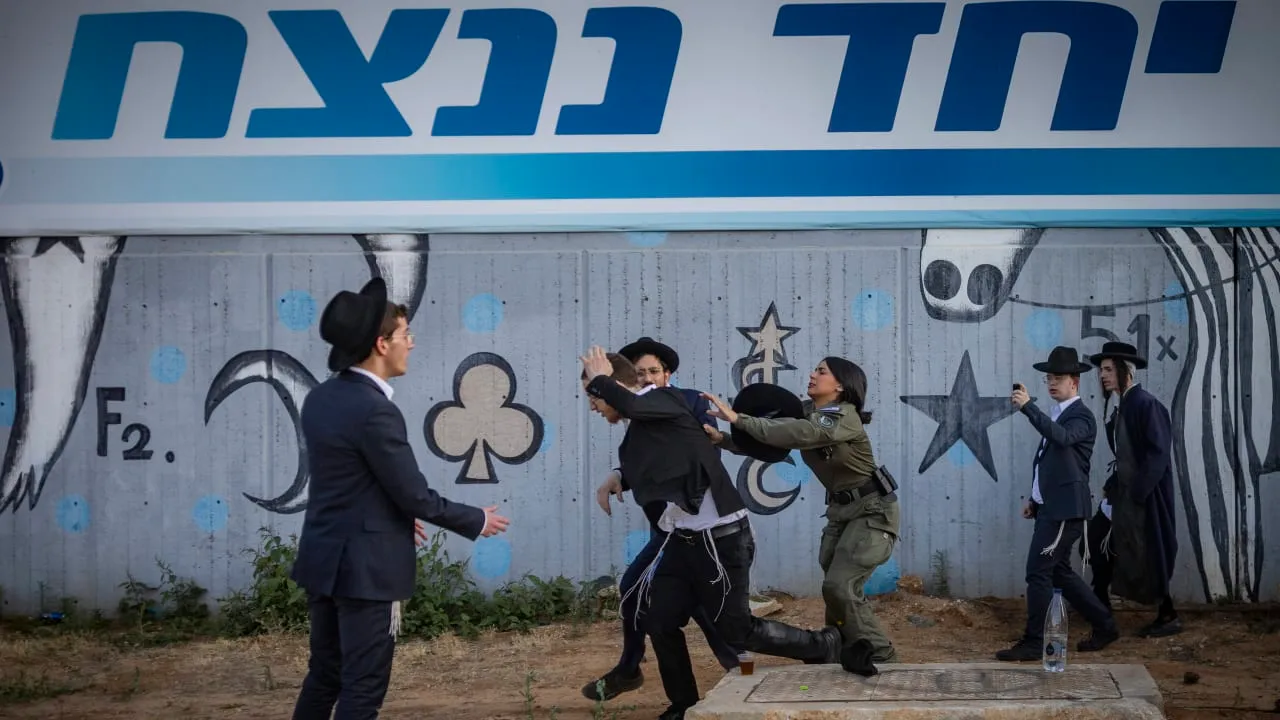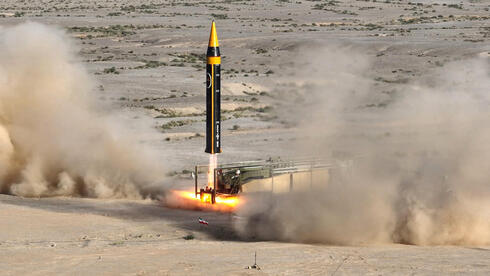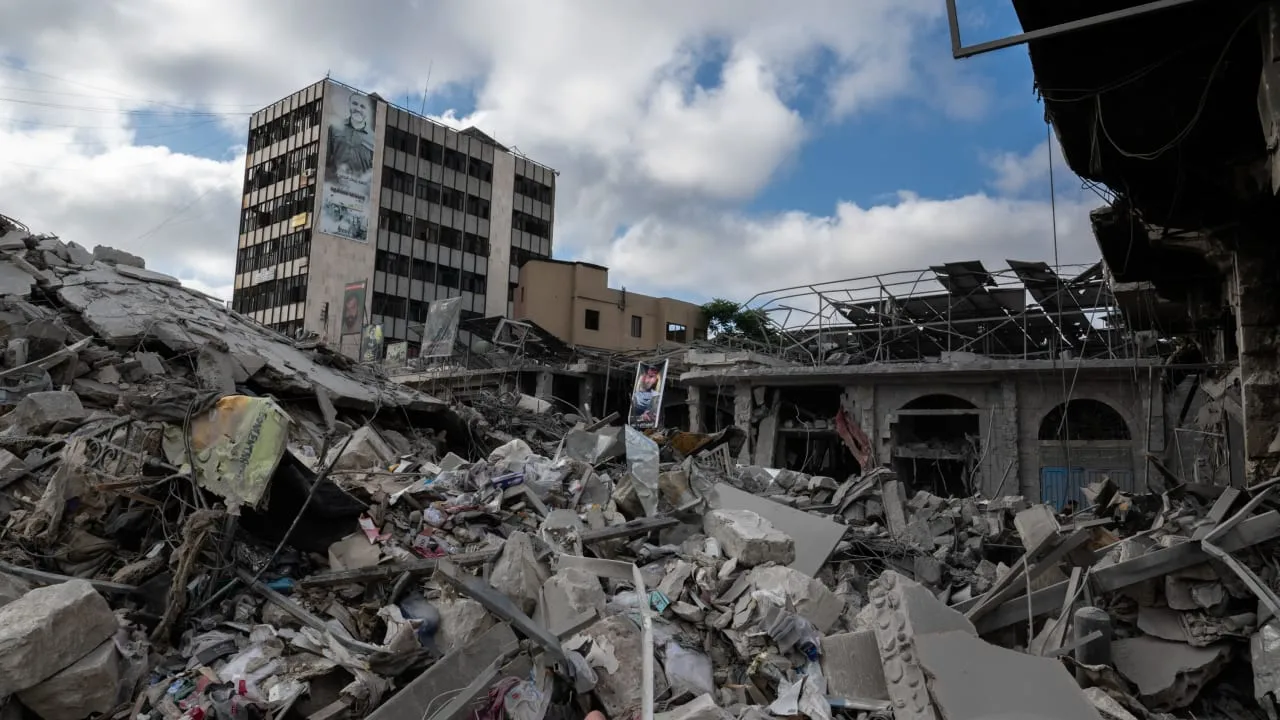
ByDANIELLE GREYMAN-KENNARDJULY 28, 2026 19:09Israelis viewed social cohesion and national security as the issues facing the greatest threats, according to a new report published by the Institute for National Security Studies (INSS) on Monday.The report is based on three surveys conducted in February and July. The first, conducted in February, surveyed 921 members of the general public. A second survey, carried out in July, collected responses from 968 members of the general public.The third, also conducted in February, examined the perceptions of 147 experts from research, academia, the defense industry, and the government sector. Each survey was weighted to match Israel’s population, with 20% of respondents coming from the Arab community.Respondents were asked to select the three most threatening scenarios facing Israel over the next five years from a list of 14.The results published in July showed that an equal proportion of Israelis (39%) viewed violent conflict between different social groups and the possibility of Iran acquiring a nuclear weapon as the country’s greatest threats. Notably, there was a slight decline in the number of respondents ranking these issues as the most threatening compared with February, when 42% expressed concern over potential internal violence and 40% over Iran’s nuclear ambitions.A person holds a placard representing a US flag, with an image of Iran's new Supreme Leader Mojtaba Khamenei on a billboard in the background, on the day of a ceremony marking 40 days since Ayatollah Ali Khamenei was killed, in Tehran, Iran, April 9, 2026. (credit: MAJID ASGARIPOUR/WANA (WEST ASIA NEWS AGENCY) VIA REUTERS)Fewer Israelis are also concerned about the prospect of a large-scale missile attack on the home front, with the figure declining from 38% in February to 35% in July. Similarly, concern that the state’s democratic character could be undermined fell from 34% in February to 31% in July.In contrast, there appears to be a growing fear of a prolonged war on one of Israel’s fronts, with 27% ranking this as among their top concerns in July, a 4% increase from February. More Israelis are also worried about international isolation and sanctions, with the figure rising 5% to 26% in the latest survey.Experts: Undermining of democracy, internal violence, international isolation greatest threatsThe public’s concerns were felt even more strongly among experts, who identified the undermining of the state’s democratic character (67%), violent conflict between societal groups (58%), and international isolation and sanctions (44%) as the most significant threats.Around the board, few rated climate change as a significant cause of concern. Only 5% of those in July, 6% of those in February, and 3% of the experts rated the issue in their top three most threatening scenarios. Damage to infrastructure and supply chains was rated similarly low, with only 5% of respondents in July, 6% of the February respondents and 3% of experts considering it a great cause of concern.More than half of respondents from across the three surveys said that the risk of violent conflict between social groups was likely or highly likely. Across the entire sample, 69% said they expected serious or very high damage if the violence does occur, and 64% of the public sample believed the state had a low or very low level of preparedness for such a conflict.The majority (77%) said such violence would affect their sense of personal security, and 51% said it would likely cause significant disruption to the functioning of state authorities.The survey results also suggest that the Israeli public believes there is a greater likelihood of Iran acquiring a nuclear weapon than they did in February, with 43% expressing this view compared with 36% previously. However, only 26% of experts considered such an outcome likely or highly likely.Additionally, 73% of respondents in February said they believed Iran’s potential acquisition of a nuclear weapon would be damaging, a view shared by 58% of experts. Among the public, this figure fell slightly to 67% in July.<strong>Respondents fear large-scale missile attack on Israeli </strong><strong>home fron</strong>tFar more likely, according to both sets of public respondents and experts, was the risk of a large-scale missile attack on the home front. 61% of the general public in July, and 63% of experts, assessed the likelihood of it occurring as high or very high, a slight increase from the 57% who said the same in February.Perhaps indicating growing confidence in Israel’s defenses, only 56% of respondents anticipated significant damage in July, down from 66% in February. Among experts, the concern for serious damage from such an attack stood at 48%.Examined separately from the other scenarios, 55% of the public respondents in July said that the Israeli-Palestinian conflict constituted a significant threat to Israel to a large or very large extent, with 53% answering the same in the previous wave. Experts viewed this issue as more critical, with 78% considering the issue a high-level threat.More specifically, 35% viewed a bi-national state in which Palestinians are granted full citizenship as the main threat to Israel, while 24% pointed to the two-state solution, and 24% to full annexation without the granting of citizenship to Palestinians.Follow us on Google
INSS survey: Israelis fear internal violence equally to Iranian nuclear bomb | The Jerusalem Post
There also appears to be a growing fear of a prolonged war on one of Israel’s fronts, with 27% ranking this as among their top concerns in July, a 4% increase from February.
839 words~4 min read