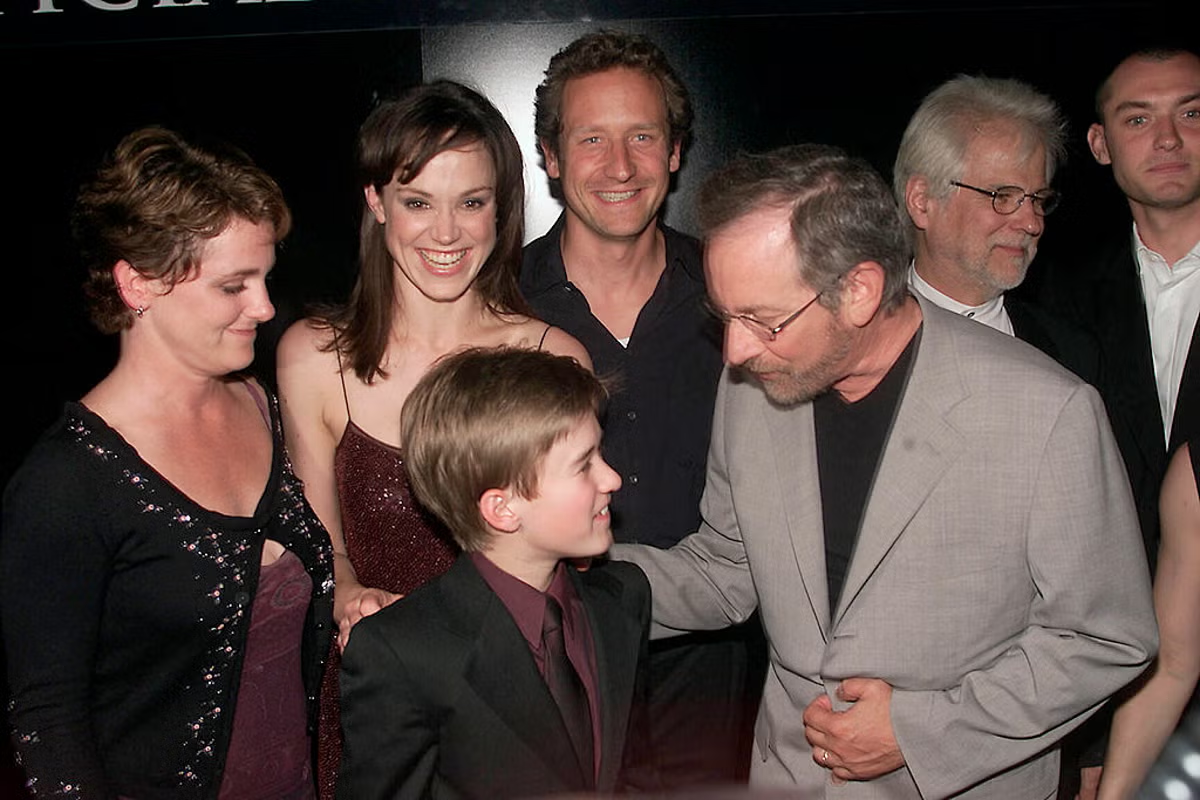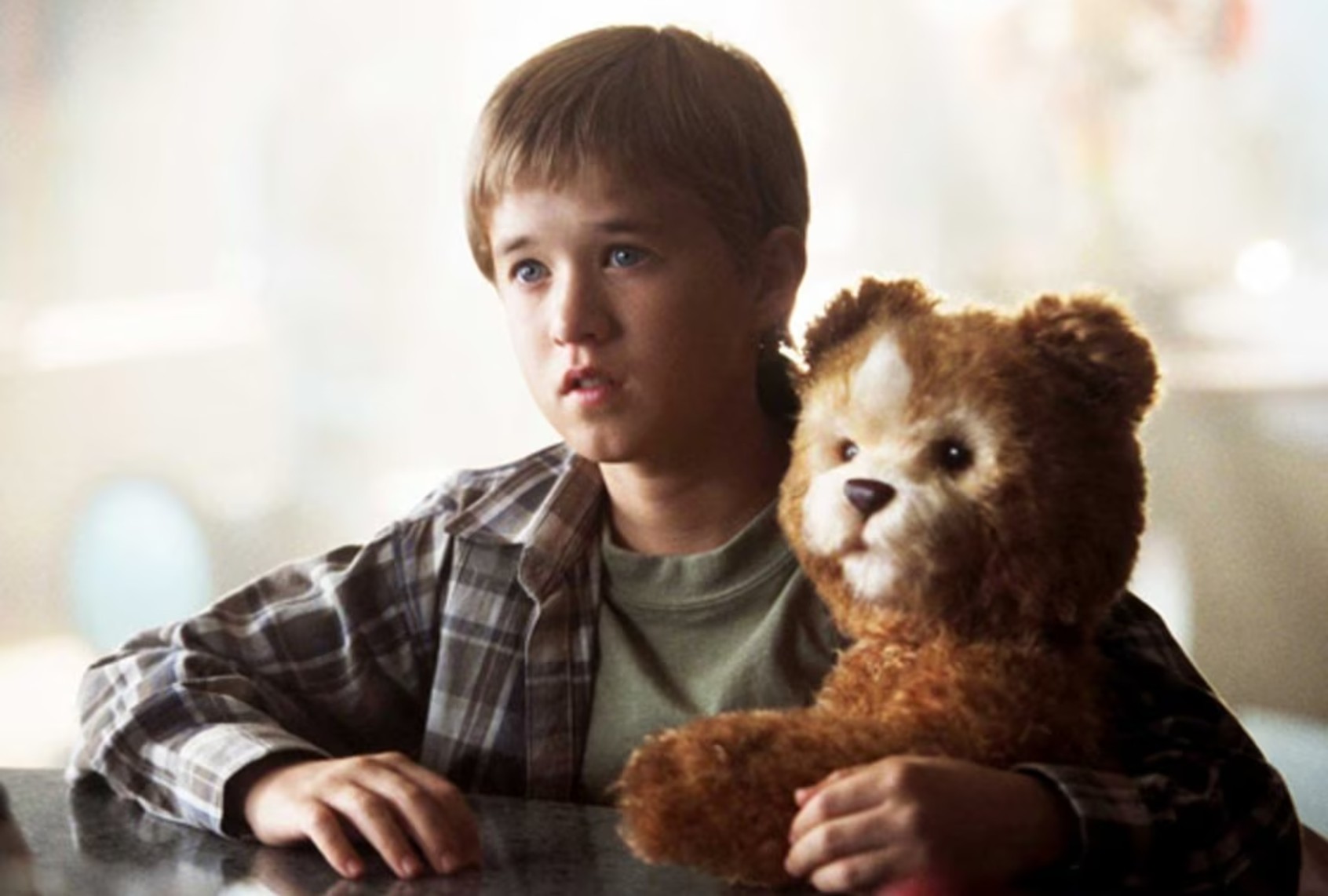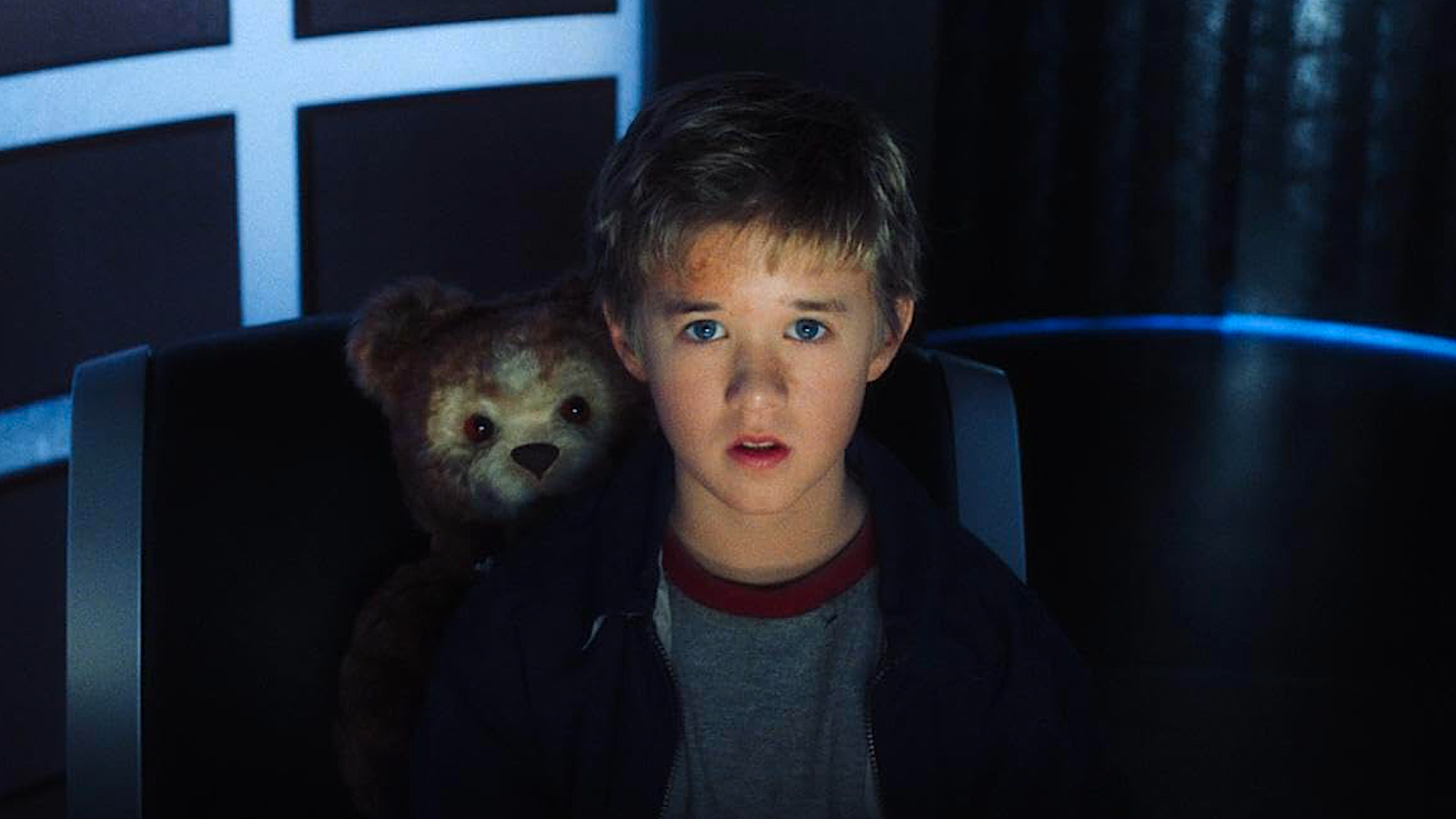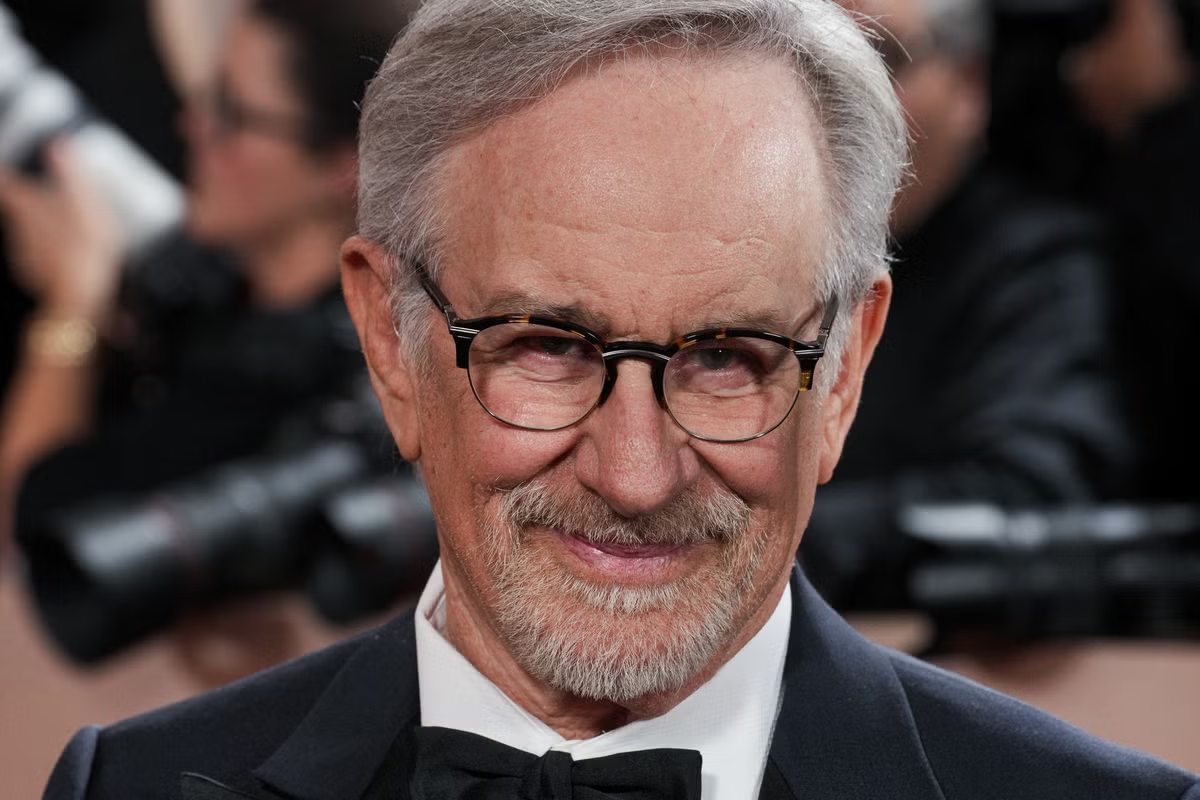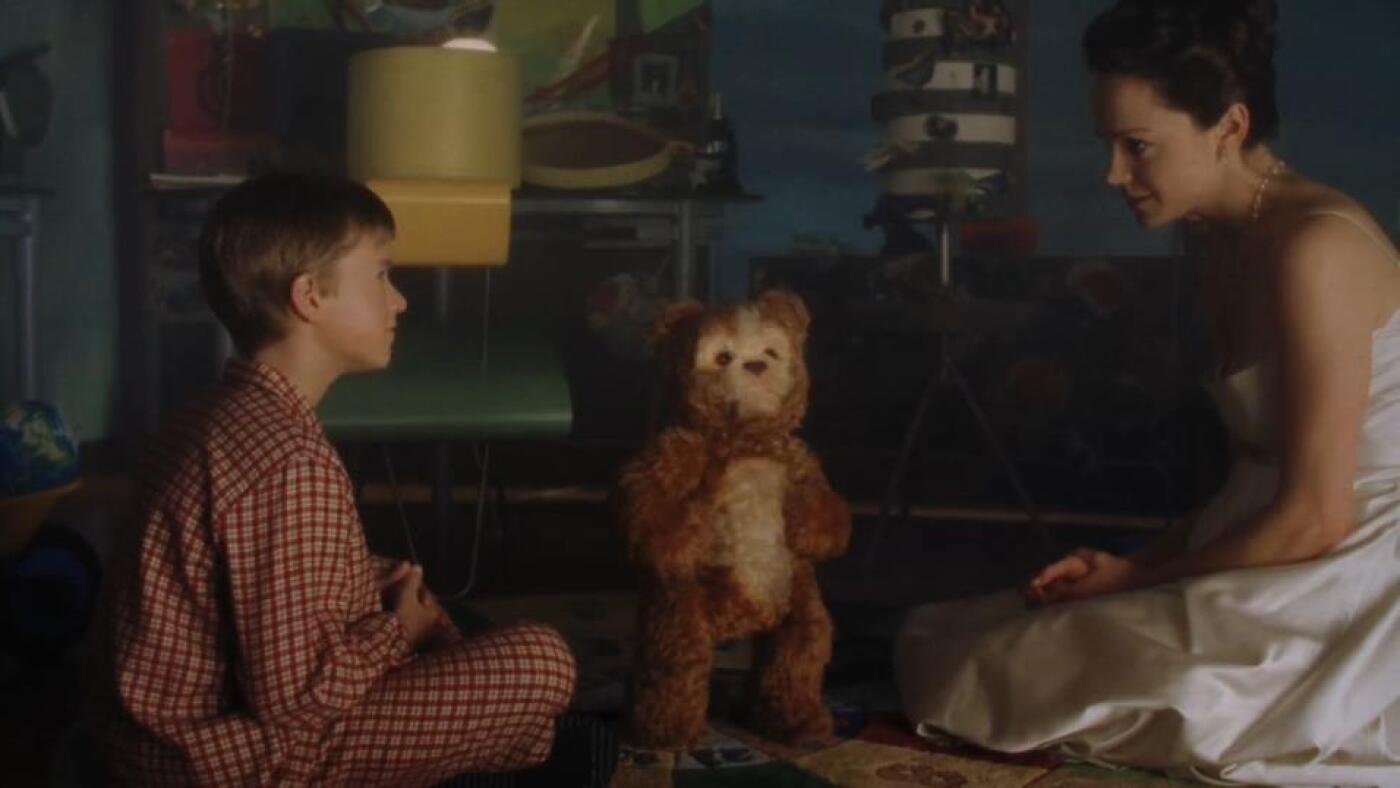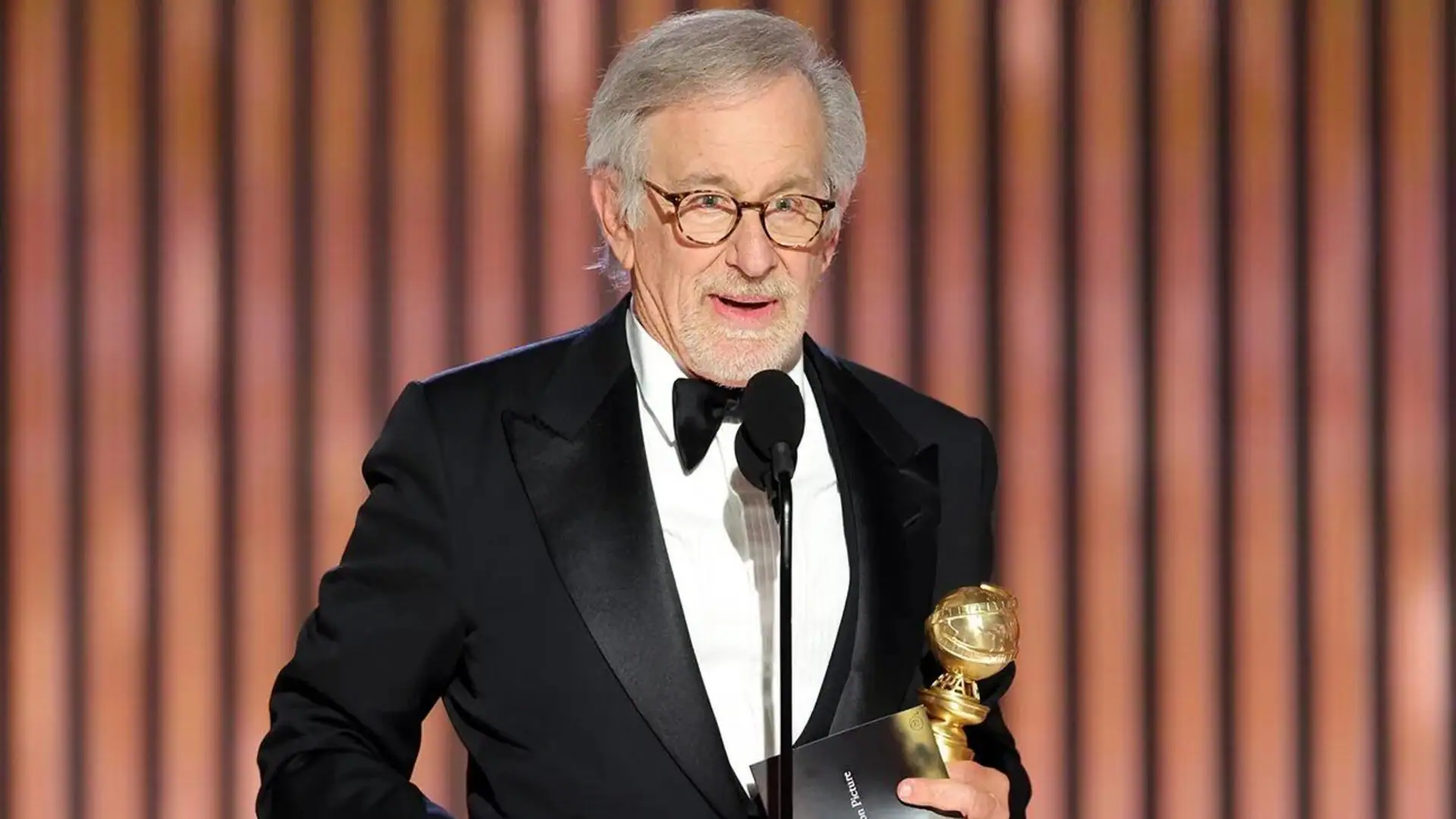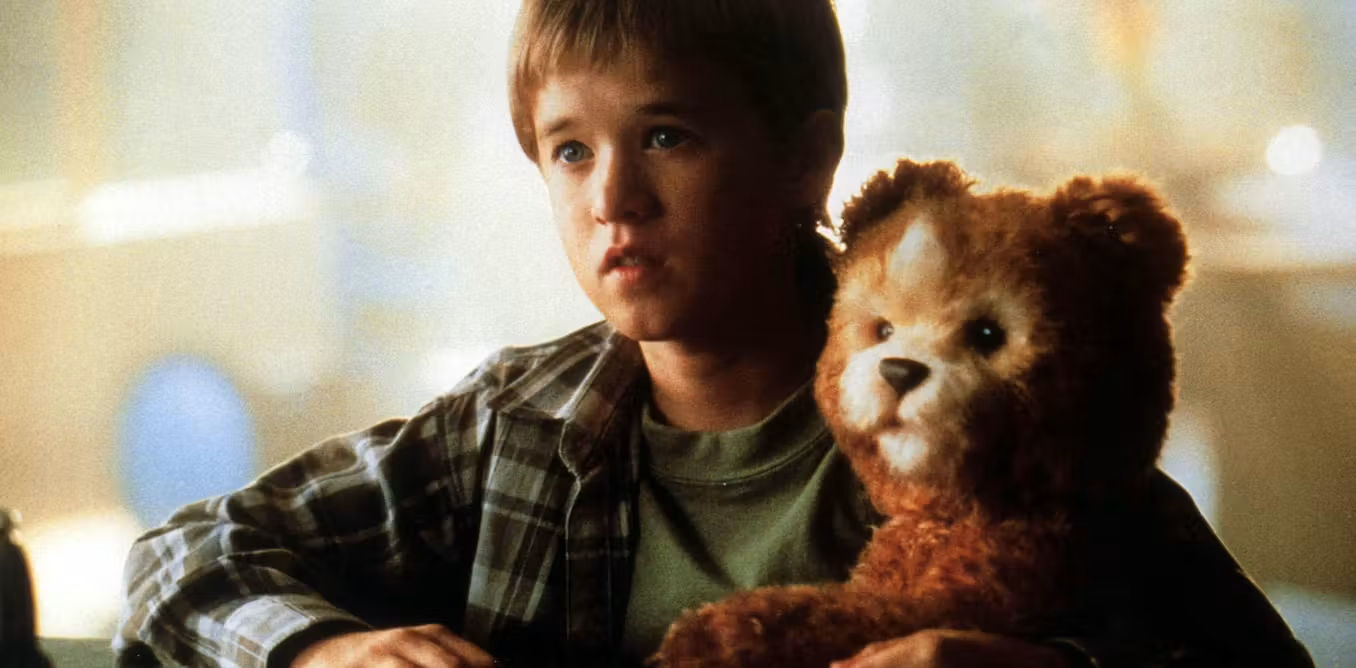
A quarter of a century ago, Steven Spielberg released one of the most unusual films of his career: A.I. Artificial Intelligence, a futuristic fairytale about a robot boy programmed to love.
Yet the movie’s origins lay not with Spielberg but another giant of cinema. For more than two decades, Stanley Kubrick had wrestled with the project, convinced it contained questions about technology, humanity and what it means to be loved. He never managed to bring it to the screen, though.
Released in 2001, A.I. arrived years before smartphones, social media and the boom in artificial intelligence. Yet today, as AI systems become woven into everyday life, the film feels newly relevant – not because it accurately predicted ChatGPT or generative AI, but because it explored the emotional and ethical questions that emerge when people form relationships with machines.
The story began with a 2,000-word short story, Supertoys Last All Summer Long, written by British author Brian Aldiss in 1969 for a special issue of Harper’s Bazaar.
It was set in a dystopian future where, because of overpopulation, reproduction was strictly controlled by the government and childbirth was granted through a lottery scheme. As they wait for their number to come up, Henry Swinton brings home a synthetic robotic child called David and a robotic teddy bear to keep his wife, Monica, company.