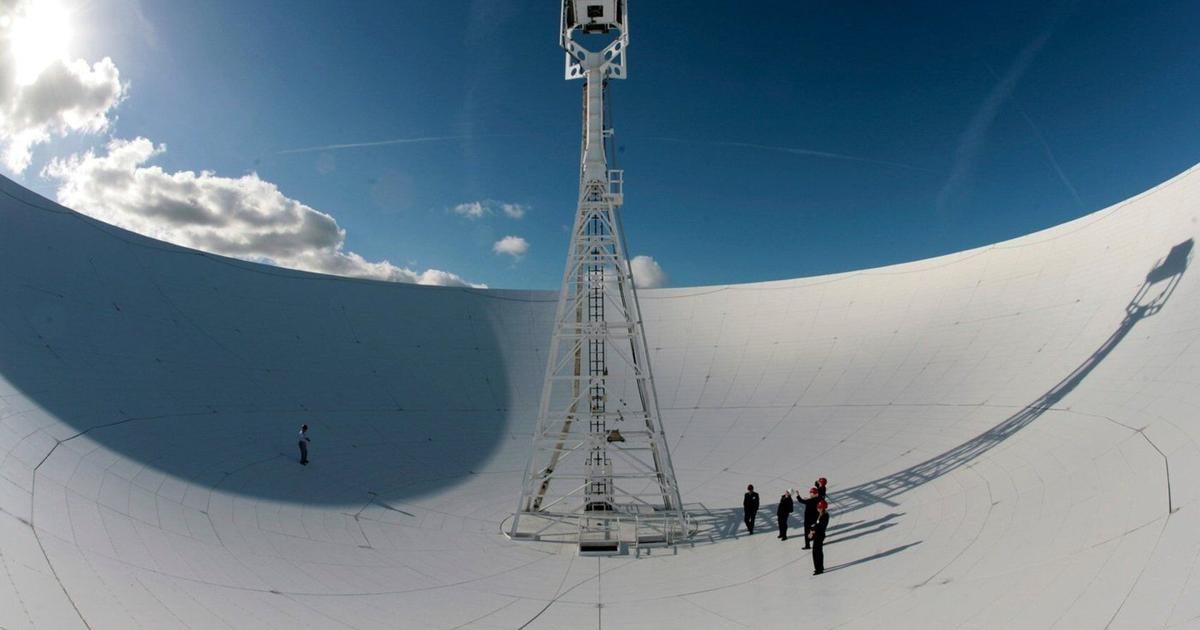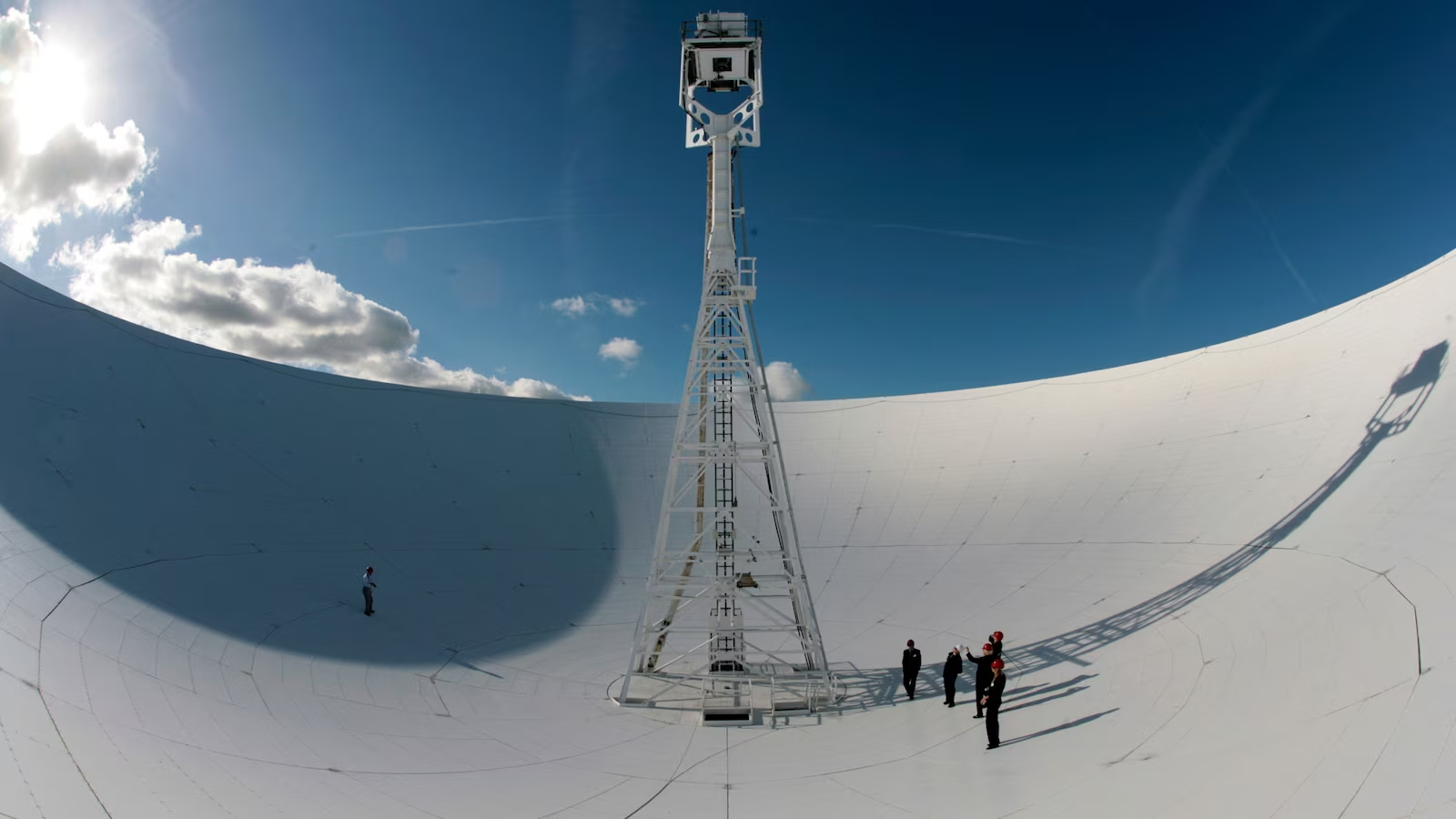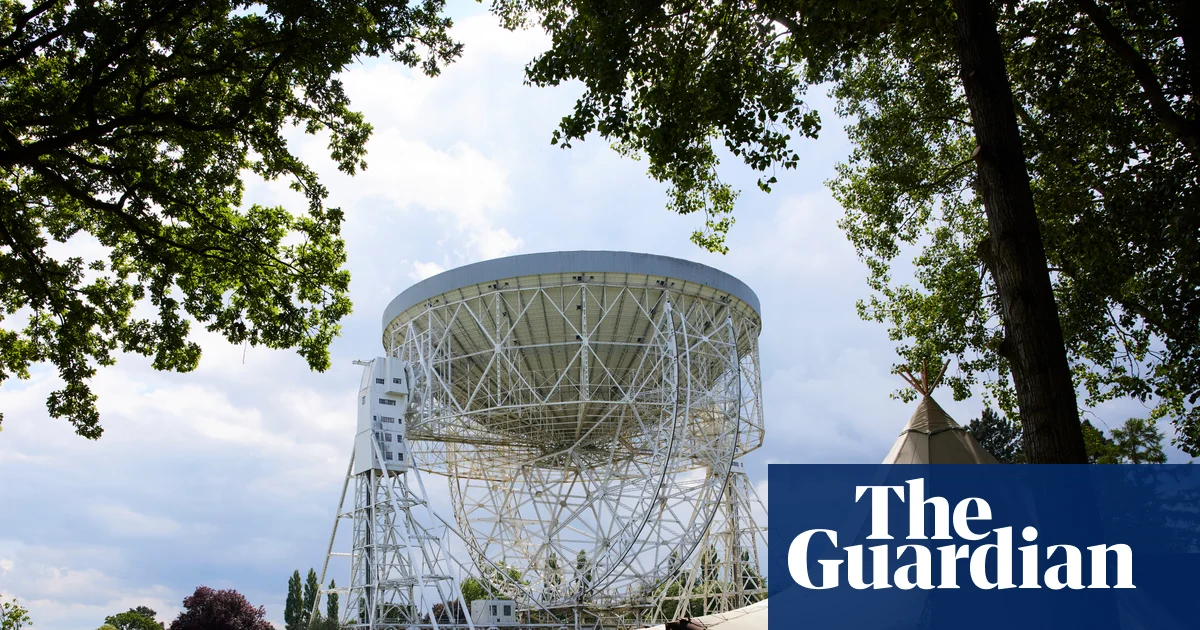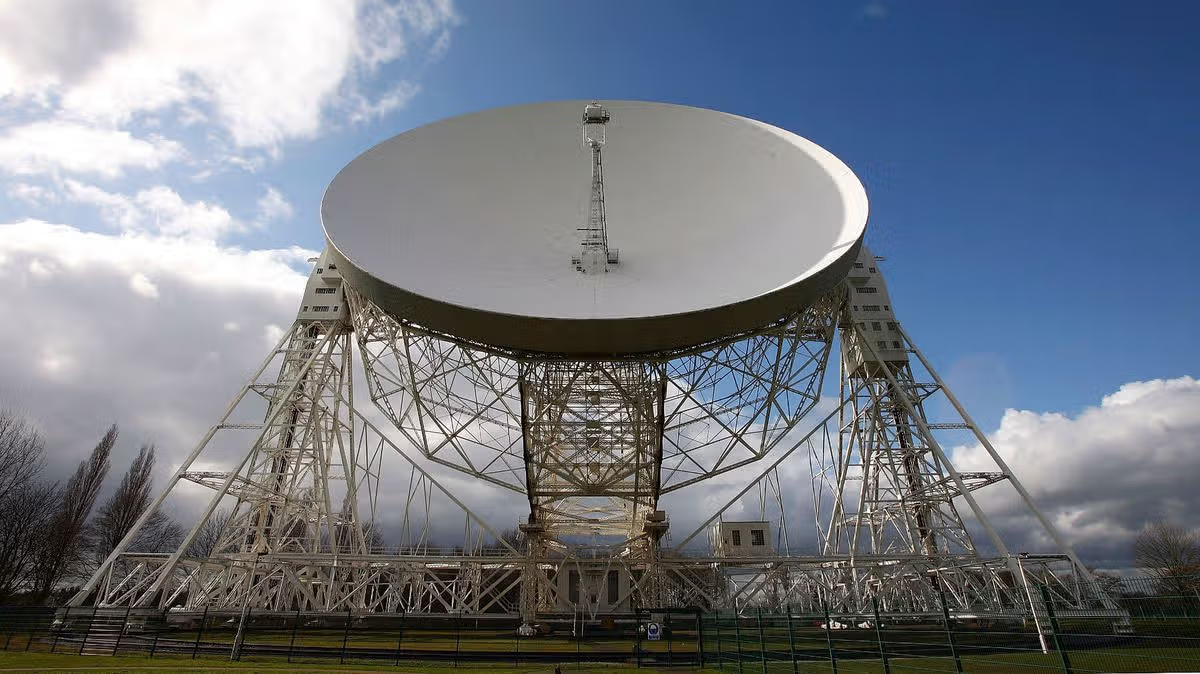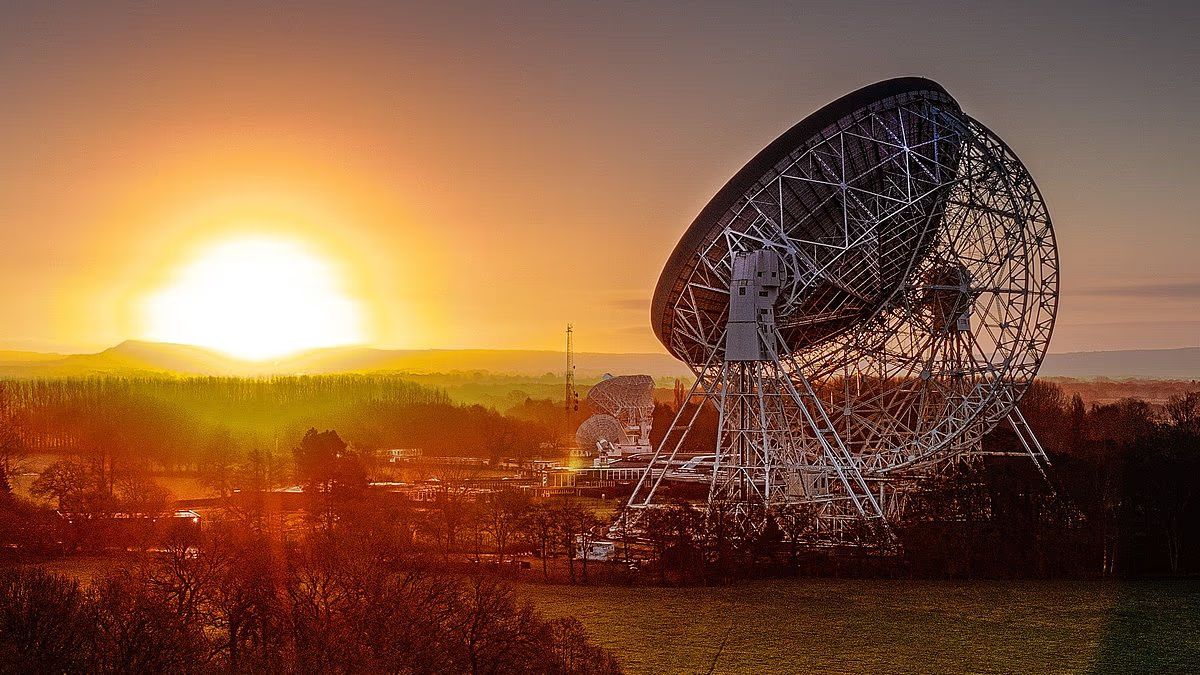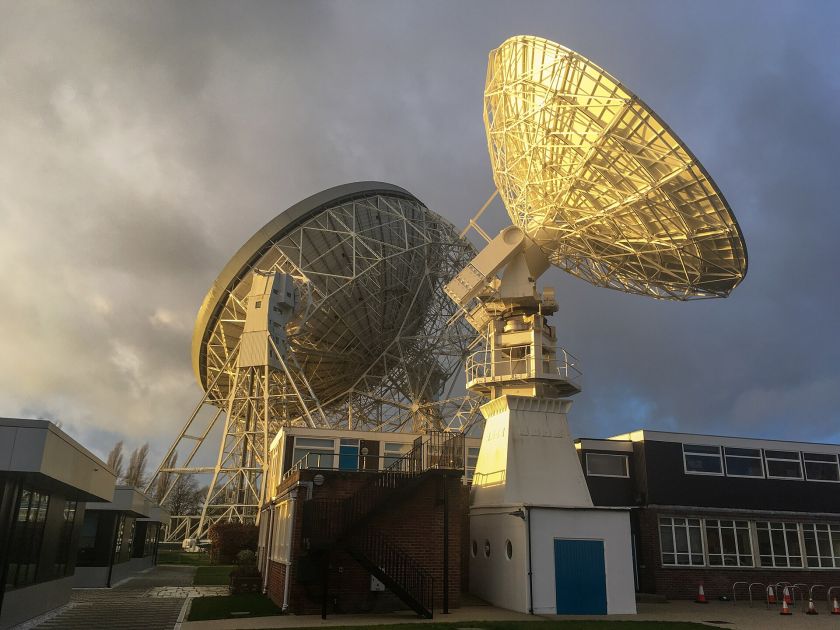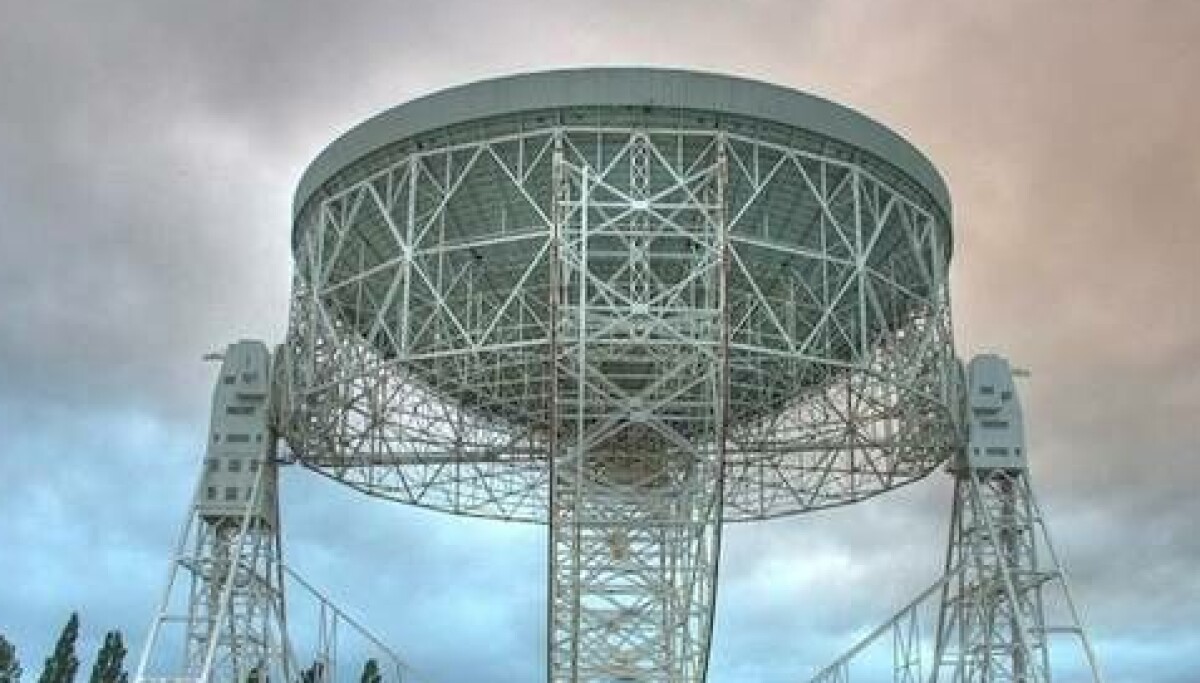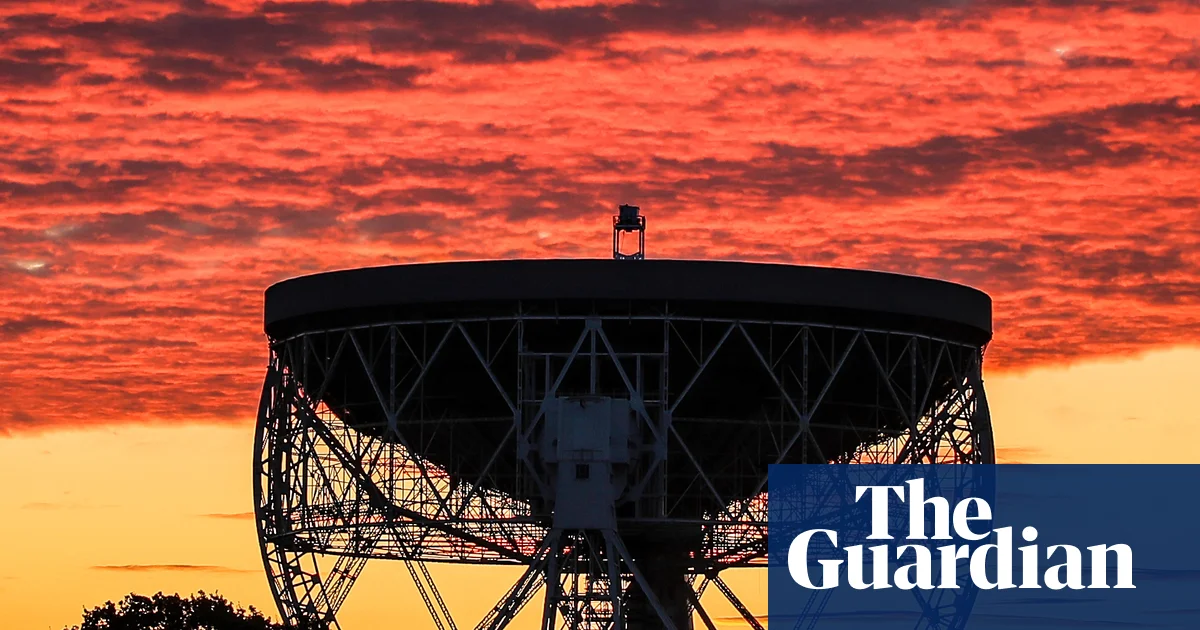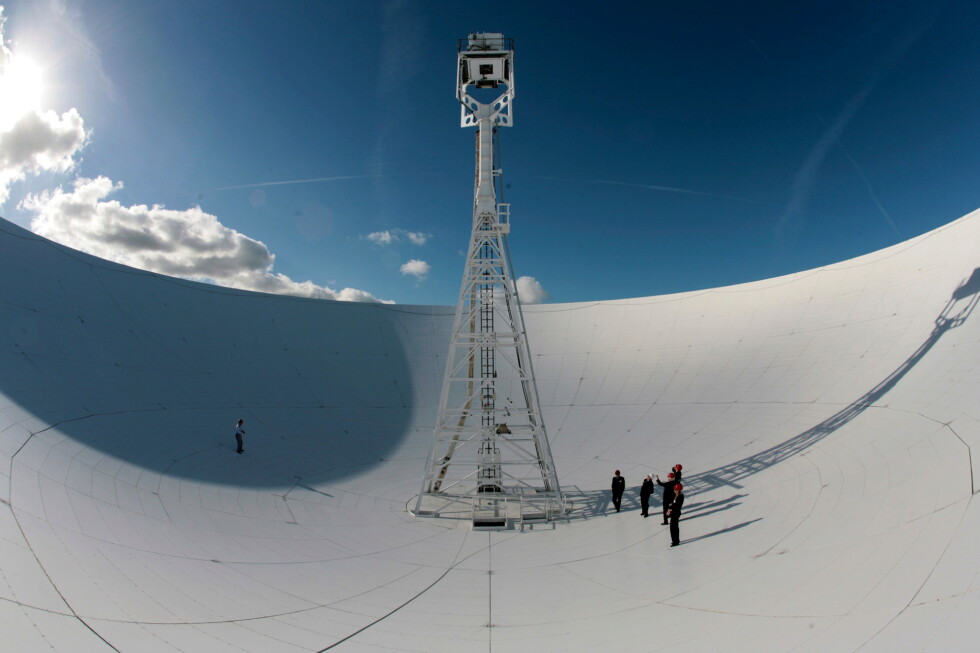
LONDON (AP) — Scientists have reacted with alarm to news that the British government will cut funding to the world-famous radio telescope at the Jodrell Bank Observatory, a UNESCO World Heritage Site in northwest England that has been helping explore the cosmos for almost 70 years.Government funding body U.K. Research and Innovation announced Monday that it will no longer fund the Lovell telescope, whose 250-foot-wide (76-meter-wide) parabolic reflecting bowl is a local landmark. It’s part of a network of seven radio telescopes across the country known as e-Merlin connected to the Jodrell Bank astrophysics center south of Manchester.UKRI said the telescope array will not receive public funding after March 2028, following “a rigorous prioritization process to focus investment on the areas that will deliver the greatest long-term scientific capability, impact and value for the U.K.”
University of Manchester particle physicist Brian Cox called the cuts “devastating and irreversible.”Paul Howarth, president of the Institute of Physics, said recent cuts to physics funding, including at Jodrell Bank, were “a terrible blow to the scientific community,” and urged new Prime Minister Andy Burnham to reconsider.“For the sake of U.K. physics and our national reputation as a place to do science, conduct research and innovate, we would urge the new government to review this ruinous set of decisions,” he said.