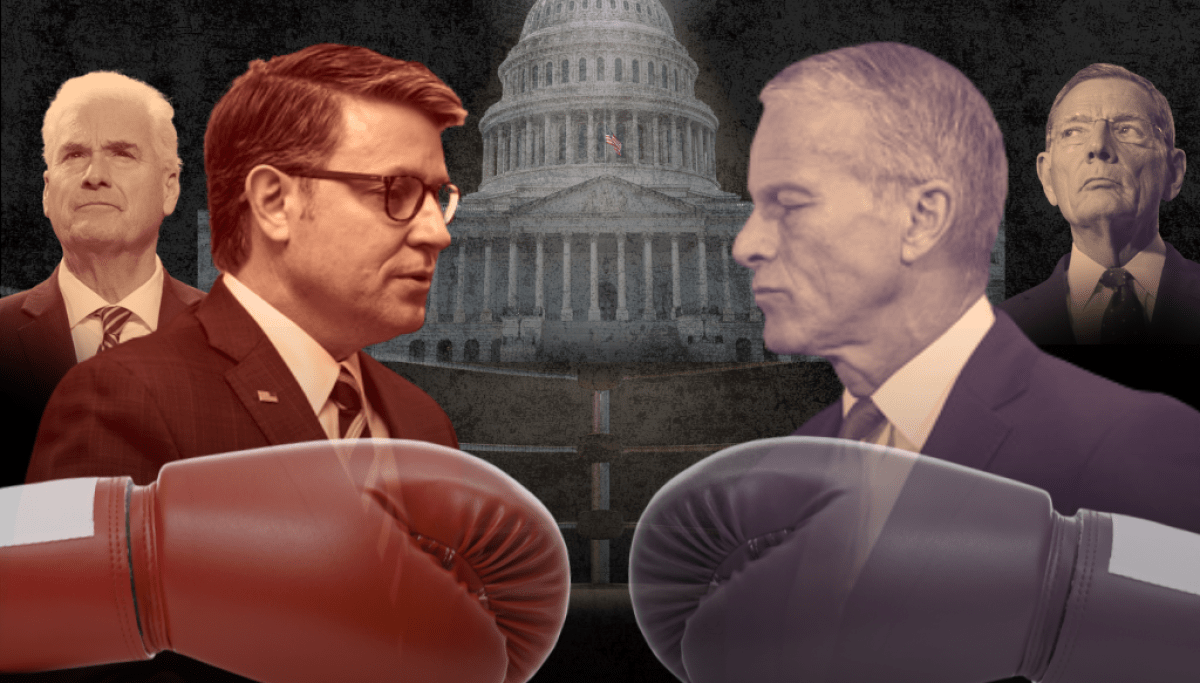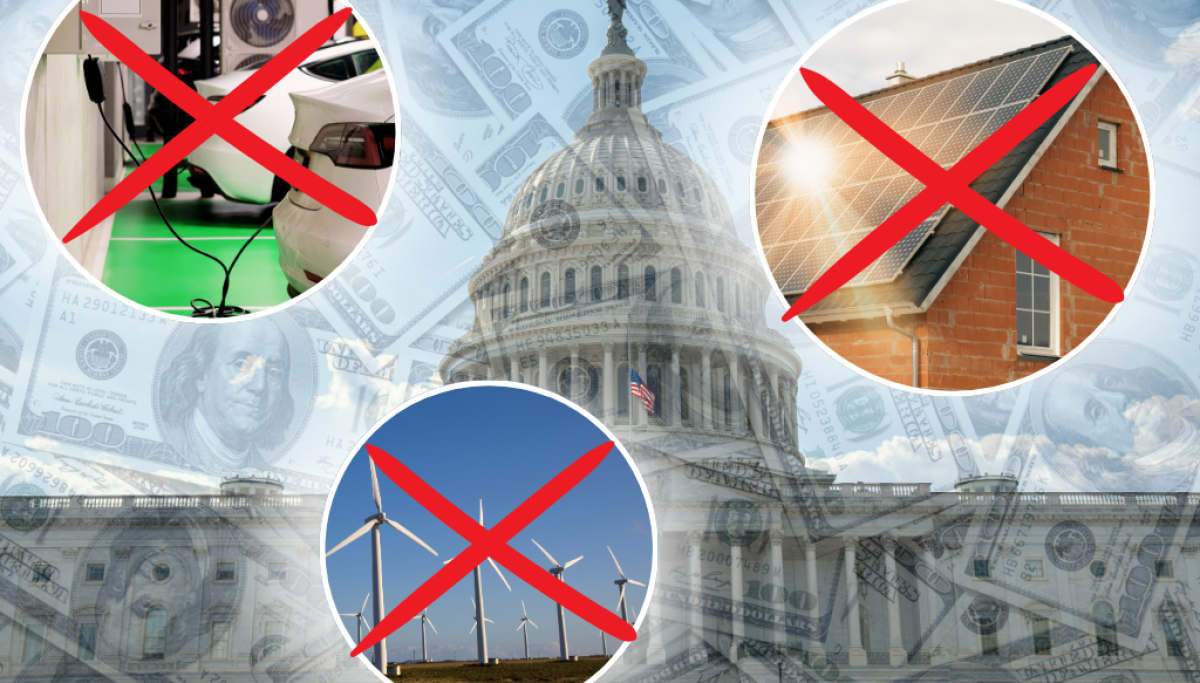
Hard-line Republicans in the House had won. They’d taken a sledgehammer to former President Joe Biden’s tax credits for wind and solar projects in their House-passed bill, and they had President Donald Trump’s full backing. That’s when Sen. John Curtis (R-UT), a first-term senator and former congressman who succeeded Mitt Romney, started fielding phone calls from former House Republican colleagues imploring him to “fix this” before the Senate passed it.Curtis is a unique Republican. A former registered Democrat, the affable Curtis is known for seeking bipartisan solutions. Unlike others in the GOP, Curtis contends that humans play a role in climate change. He founded the Conservative Climate Caucus and has urged Republicans to be more outspoken on environmental issues. He also doesn’t shy away from criticizing Trump and was one of the few Republicans who won his GOP primary despite a rival attracting the president’s endorsement in 2024.
Still, Curtis recognized he was the new guy on the block as he sought changes to the legislation.HOW THE BIG BEAUTIFUL BILL BECAME LAW: READ MORE FROM THE WASHINGTON EXAMINER’S 10-PART SERIES“I found myself saying to the industry, to one of my colleagues who had asked me about it, ‘Don’t worry, I got this,’” Curtis recalled to the Washington Examiner. “They’re looking at a brand-new senator saying, ‘Don’t worry, I got this.’ Very skeptical.”Curtis knew that the hundreds of billions of dollars in subsidies were without a doubt on the chopping block. They were, after all, from the largest-ever climate bill passed and championed by Democrats. But he also knew that “how they go away is everything.” Curtis argued that businesses would be “decimated” if they were not given time to adjust to ending federal subsidies. As it turned out, many Republicans quietly agreed with him, despite it meaning they were at odds with most in their party and, more importantly, Trump. The ensuing tug-of-war policy battle would rage for weeks over clean energy, constantly nearing the brink of disaster against the backdrop of other contentious negotiations that could crumble the entire legislation at any time. Just a week before the law’s passage, Trump was about to lose another Republican vote. Curtis had leverage. Yet, the White House refused to budge on cutting cold turkey the hundreds of billions of dollars in clean energy tax credits.“Put a fork in me. I’m done,” Curtis recalled telling White House staff. “This is not logical, it’s emotional. And you’ve lost my support for the bill.”Right says cuts don’t go far enough