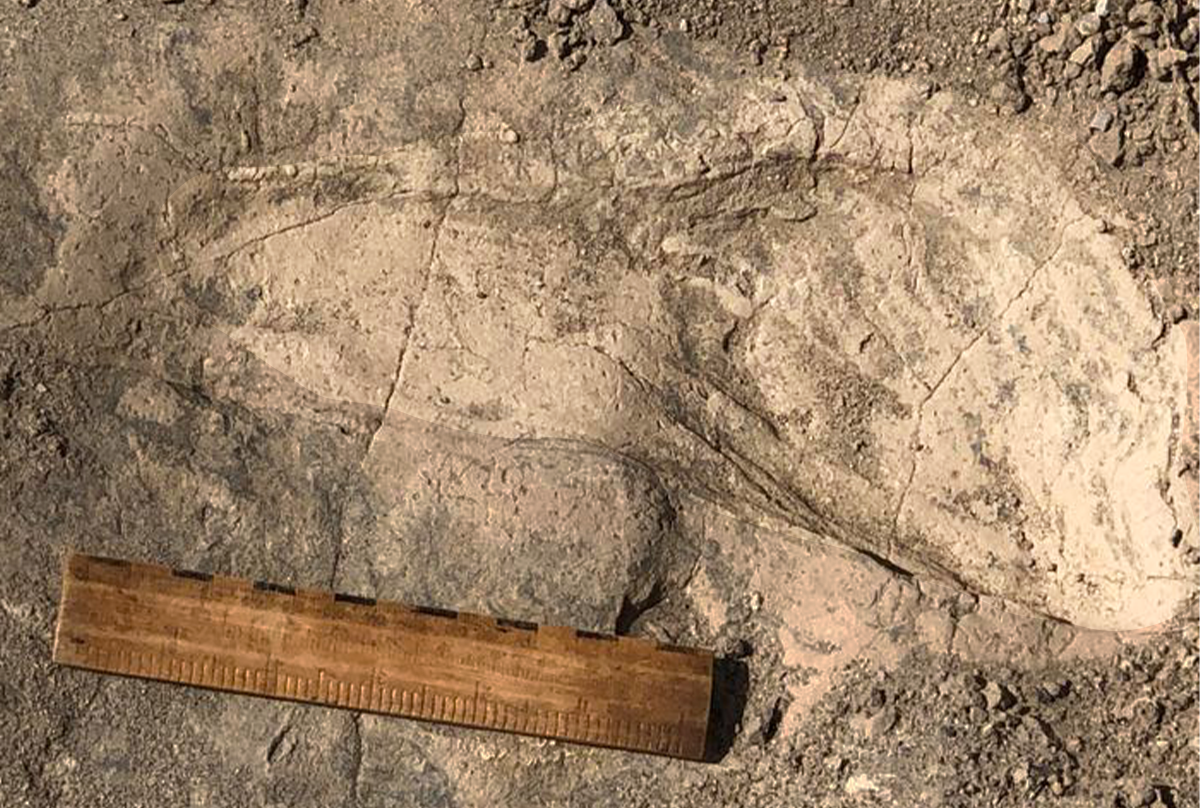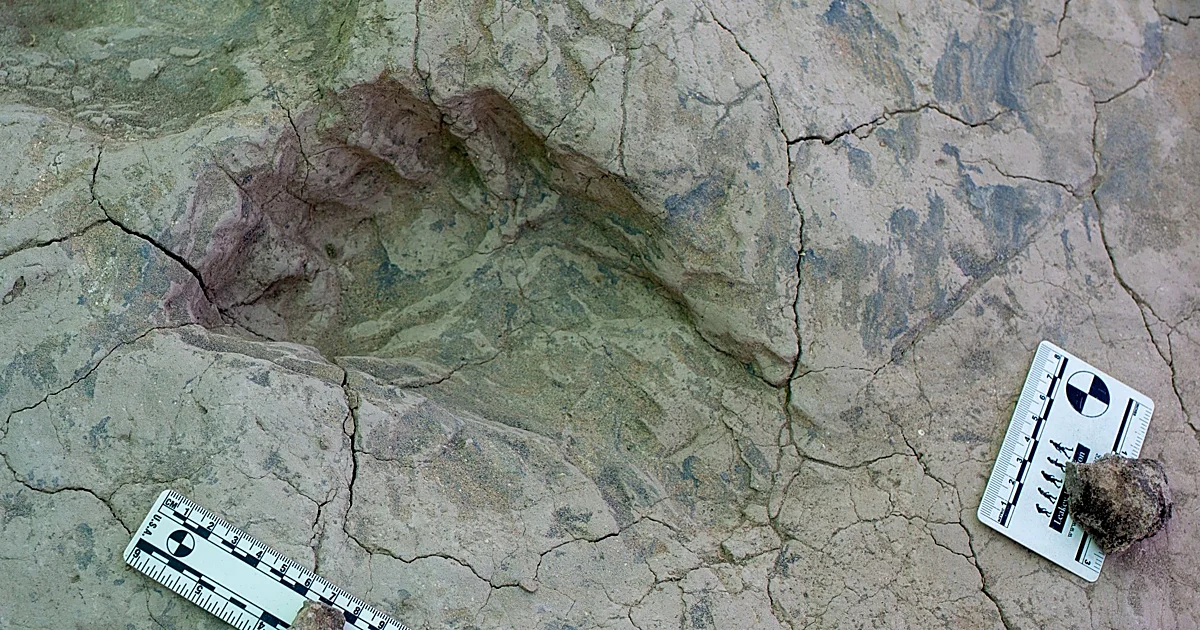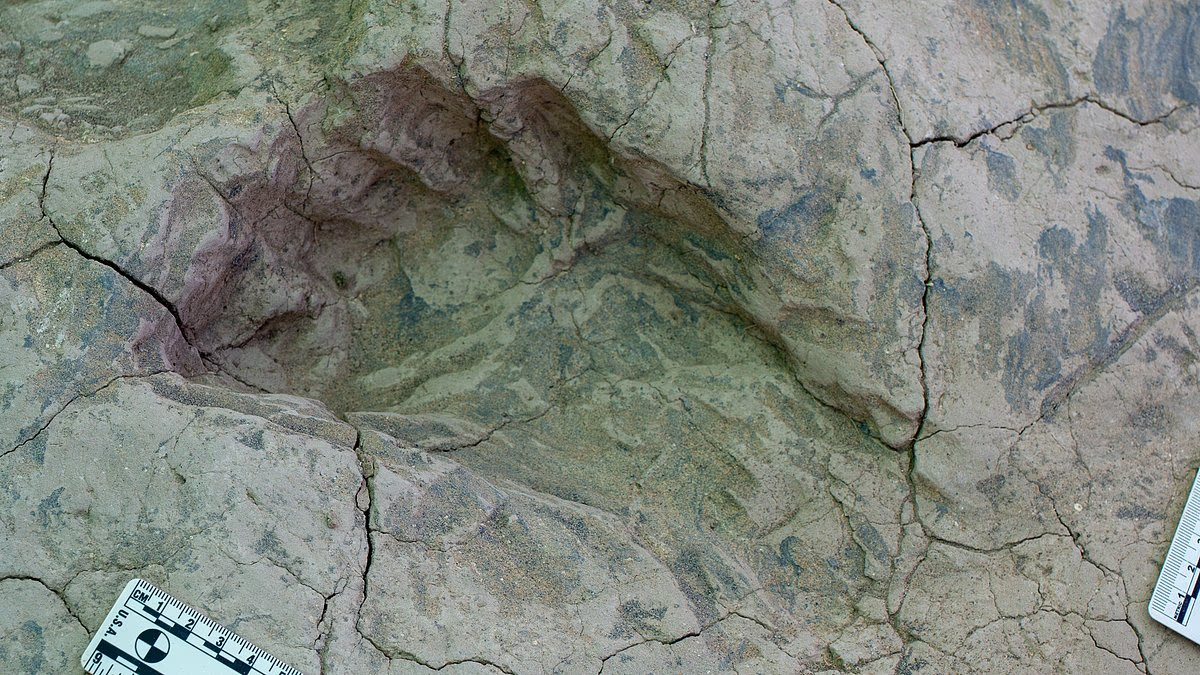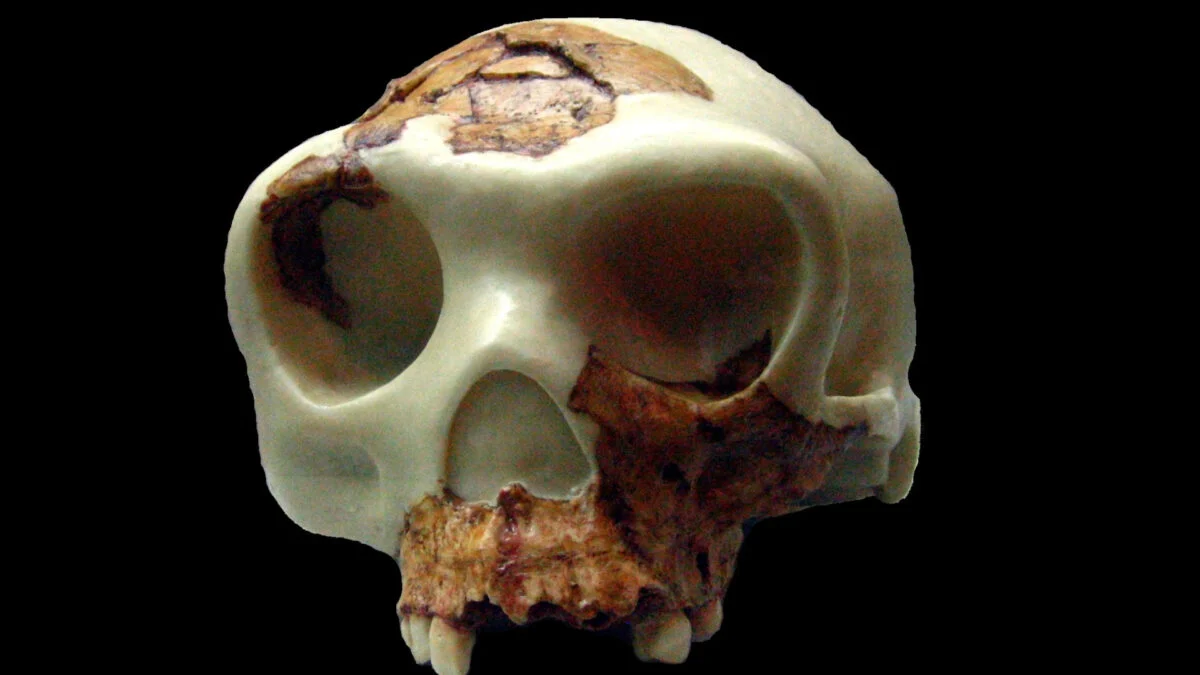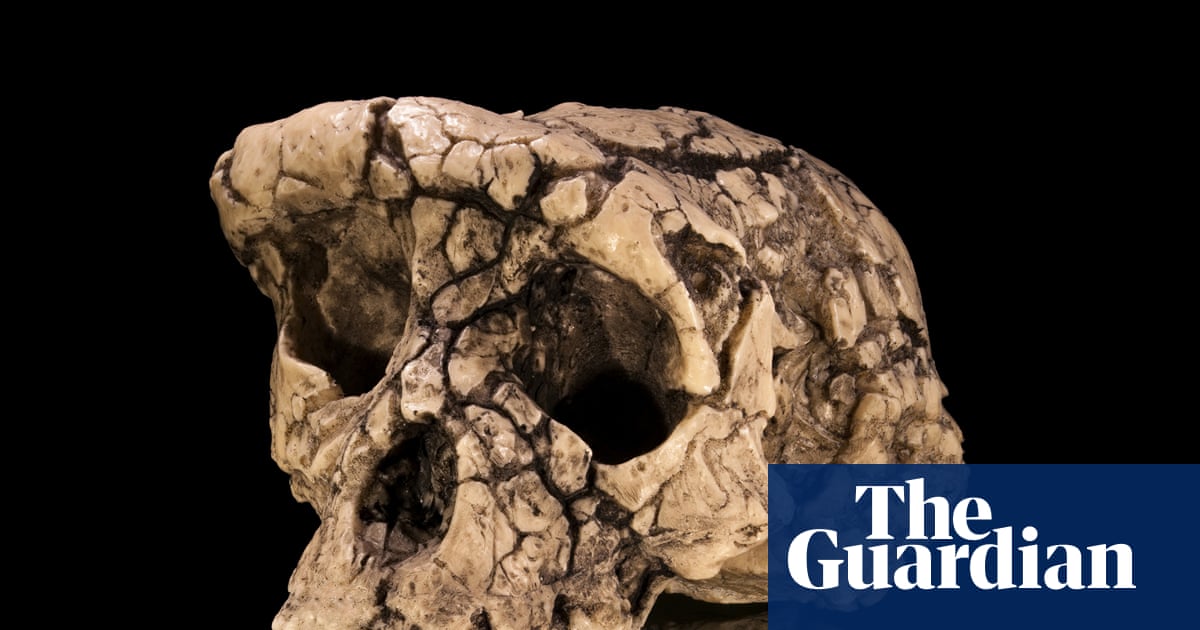
Scientists have revised the longstanding picture of “Nutcracker Man” — an extinct hominin, or human relative, nicknamed for its large teeth and powerful jaw muscles — thanks to fresh analysis of fossil footprints from a site in Kenya.
Nutcracker Man, whose species is scientifically known as Paranthropus boisei, lived in eastern Africa from about 2.3 million to 1.2 million years ago, and this new evidence suggests that P. boisei was taller and heavier and had more complex social relationships than once thought.
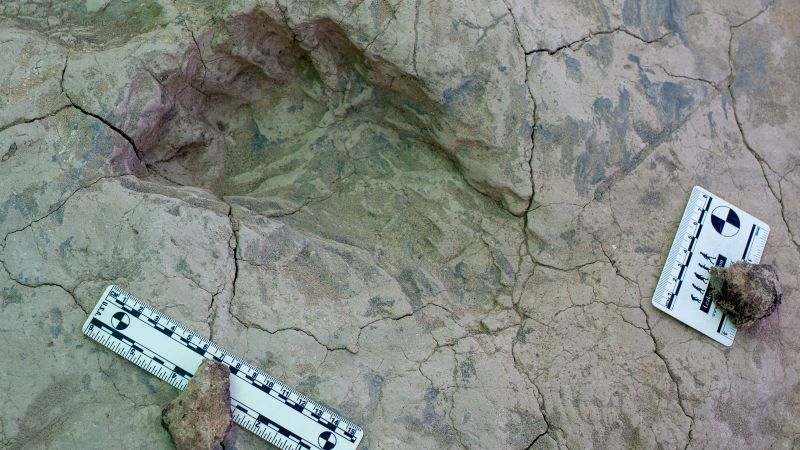
Prior estimates based on P. boisei fossil evidence hinted that males stood about 4.2 feet (131 centimeters) tall and weighed approximately 108 pounds (49 kilograms) on average. Updated calculations based on the length and width of 21 newly identified P. boisei footprints suggest that Nutcracker Man’s size was more humanlike, standing up to 6 feet (1.8 meters) tall and weighing as much as 165 pounds (75 kilograms).
Patterns in the footprints further indicate that the tracks belonged to eight P. boisei individuals who crossed through the site — East Turkana’s Koobi Fora Formation — at the same time, traveling as a group. These preserved prints provide clues about the complexity of their social structure in their lakeside habitat, researchers reported Monday in the journal PNAS.