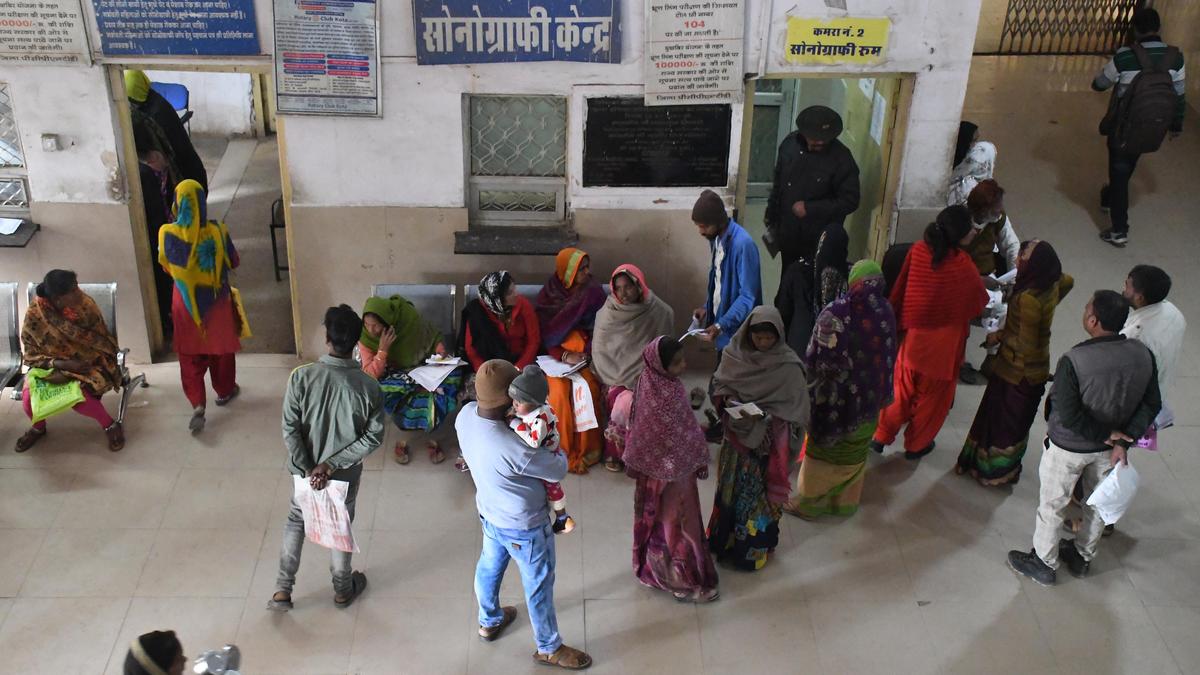
Every person who has sought medical care knows that treatment rarely begins with a doctor. It often starts at a registration desk, with an identity check, an eligibility verification, or a pre-authorisation request. These steps may appear administrative, but they often determine how quickly care is received and how confidently providers can deliver it. They remind us that healthcare is shaped as much by the systems behind it as by the care itself.
According to the World Health Organization, sub-Saharan Africa has approximately 0.2 doctors per 1,000 people, one of the lowest physician-to-population ratios in the world. Expanding healthcare workforce remains essential. But even if every country doubled its number of doctors tomorrow, healthcare would still struggle if systems supporting those professionals remained slow, fragmented and disconnected.
Behind every successful consultation is an invisible system. It verifies a patient's identity, confirms insurance eligibility, authorises treatment, processes claims, reimburses providers and generates the information needed to make better decisions. When these systems work well, patients rarely notice them. When they fail, everyone does.
Related