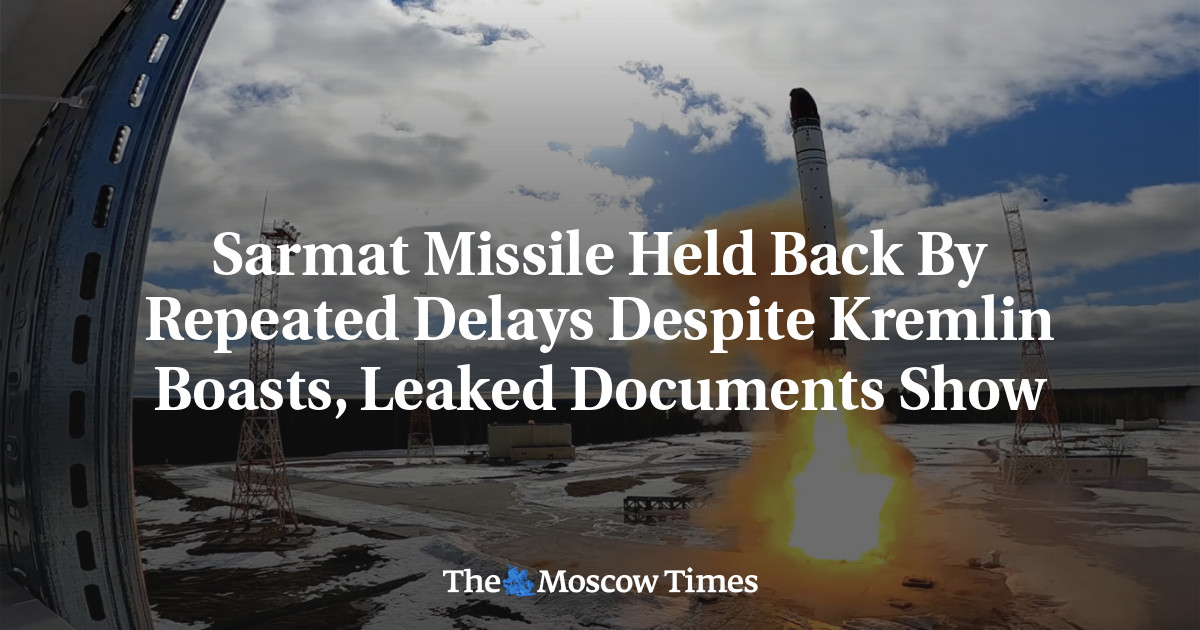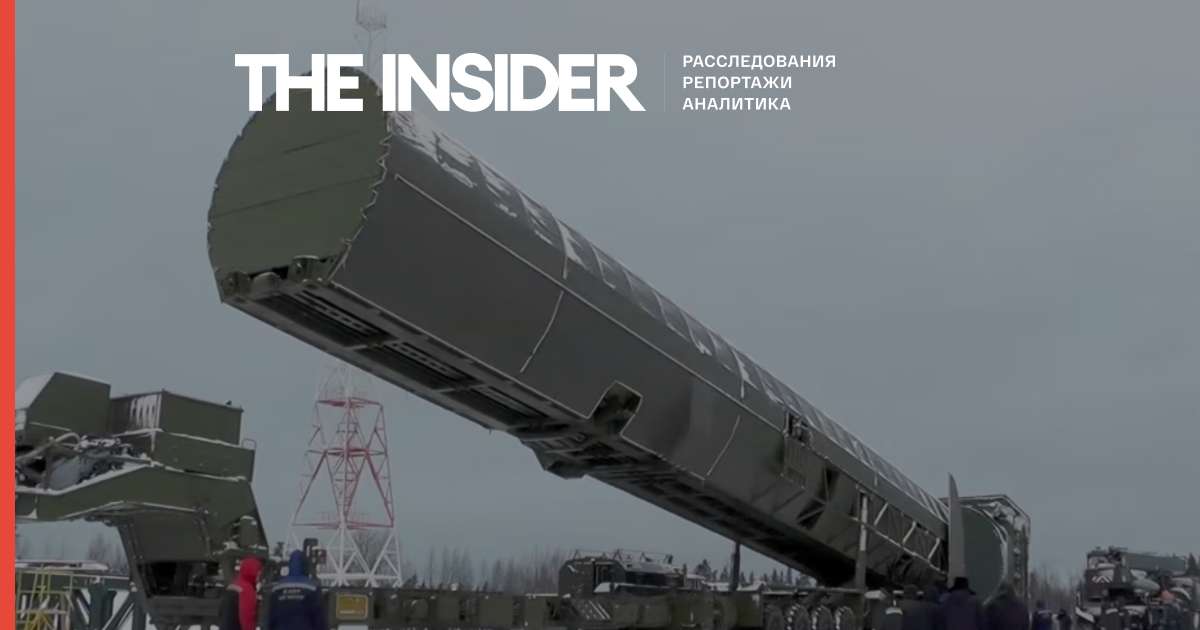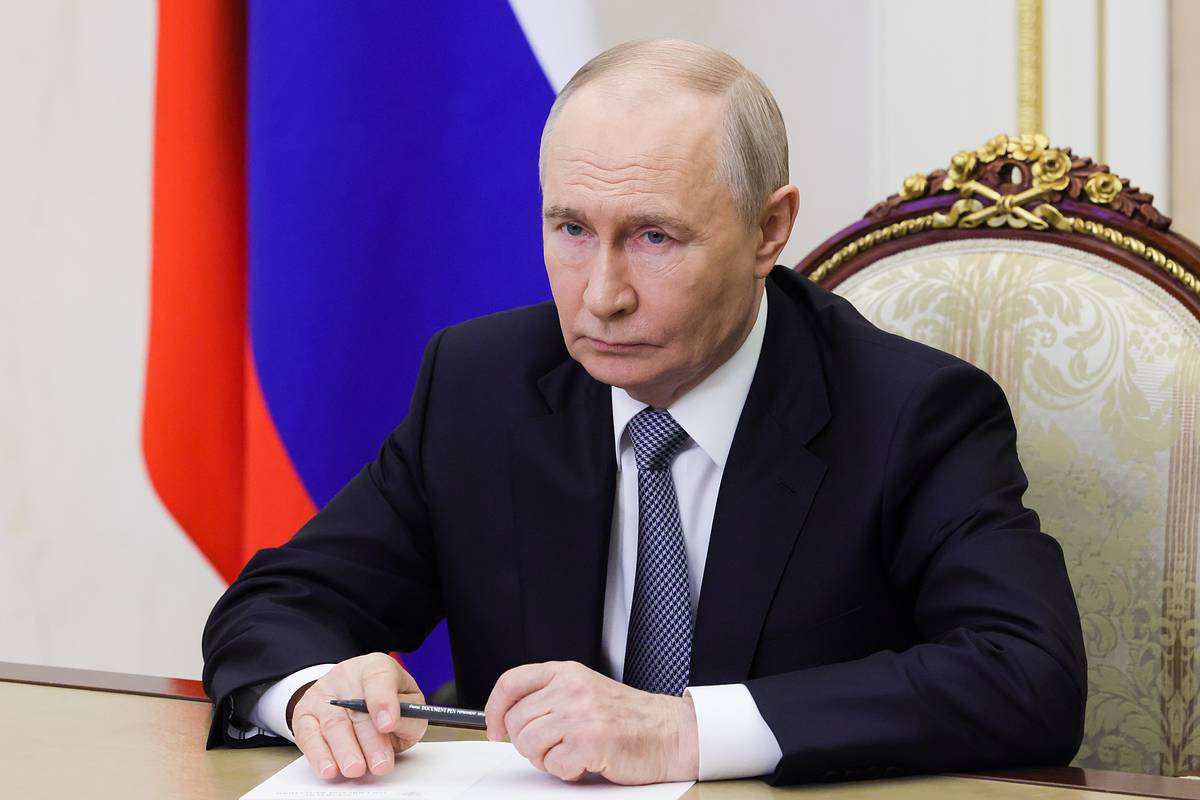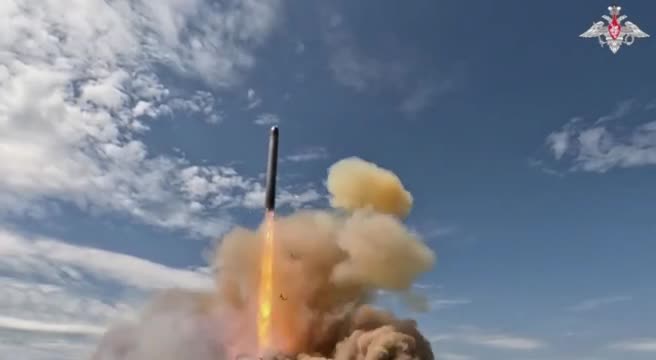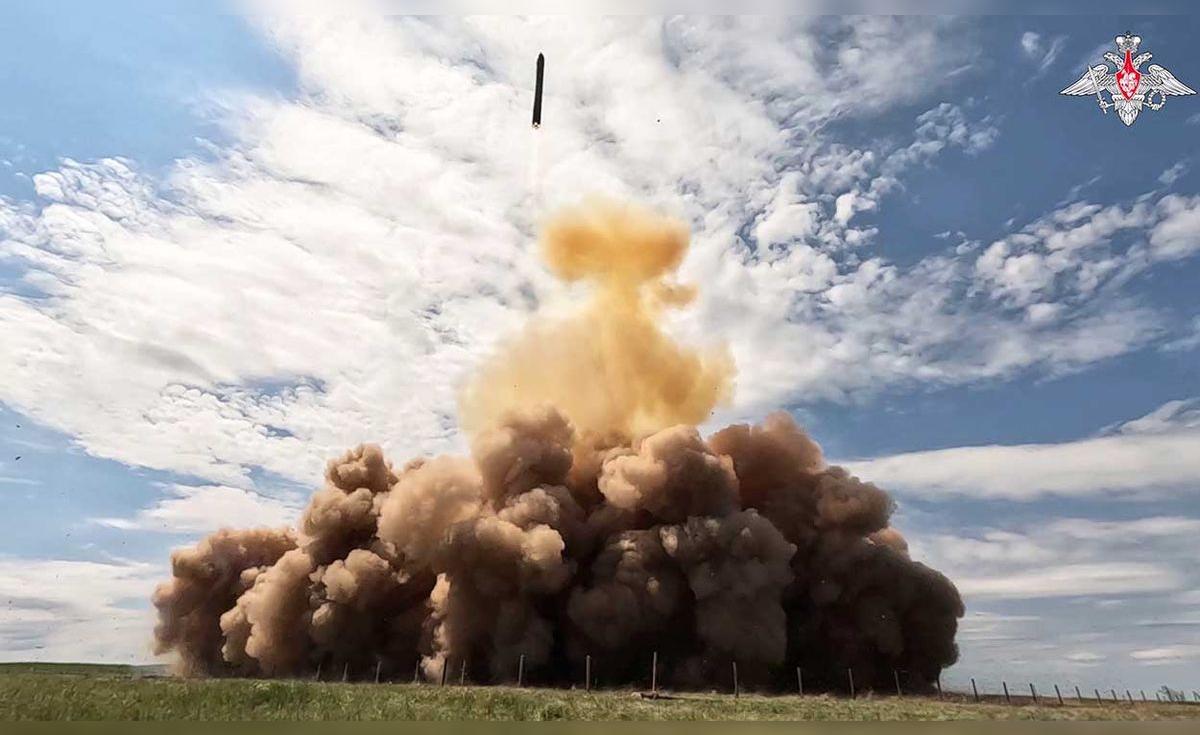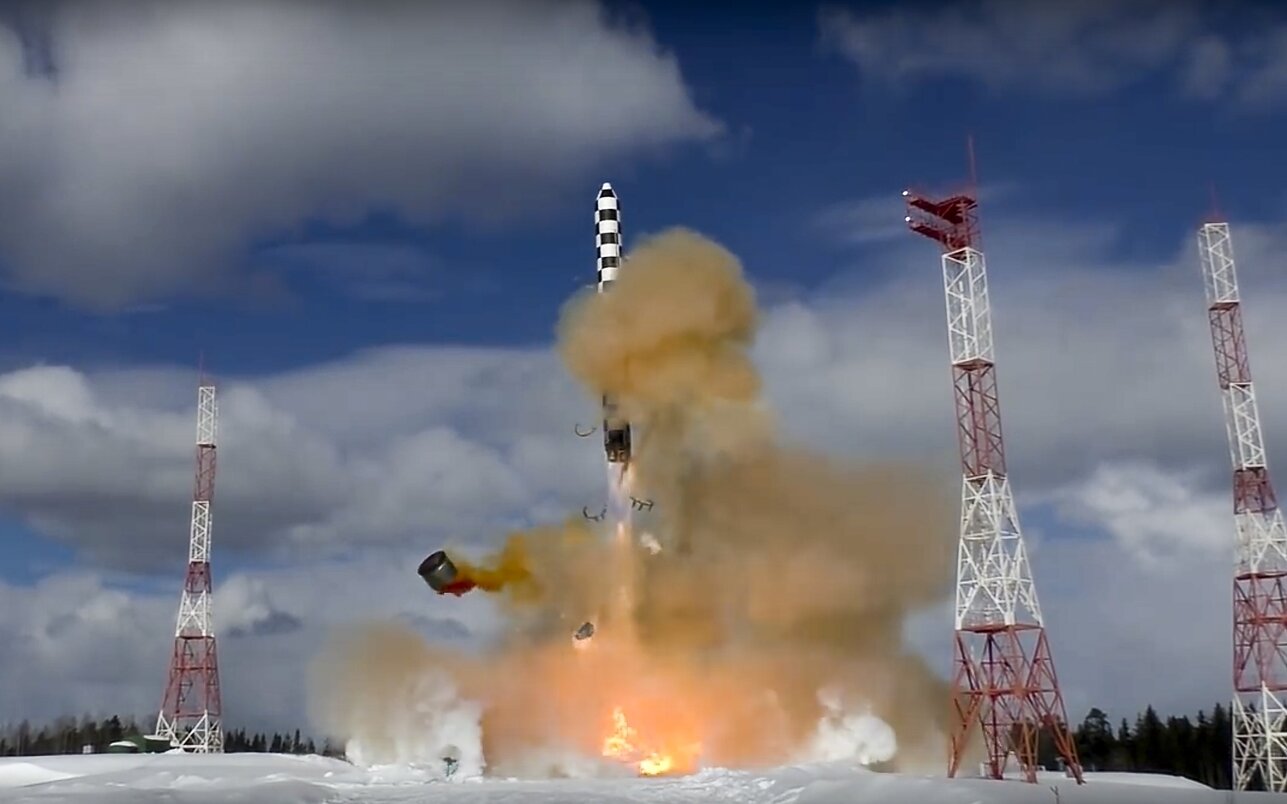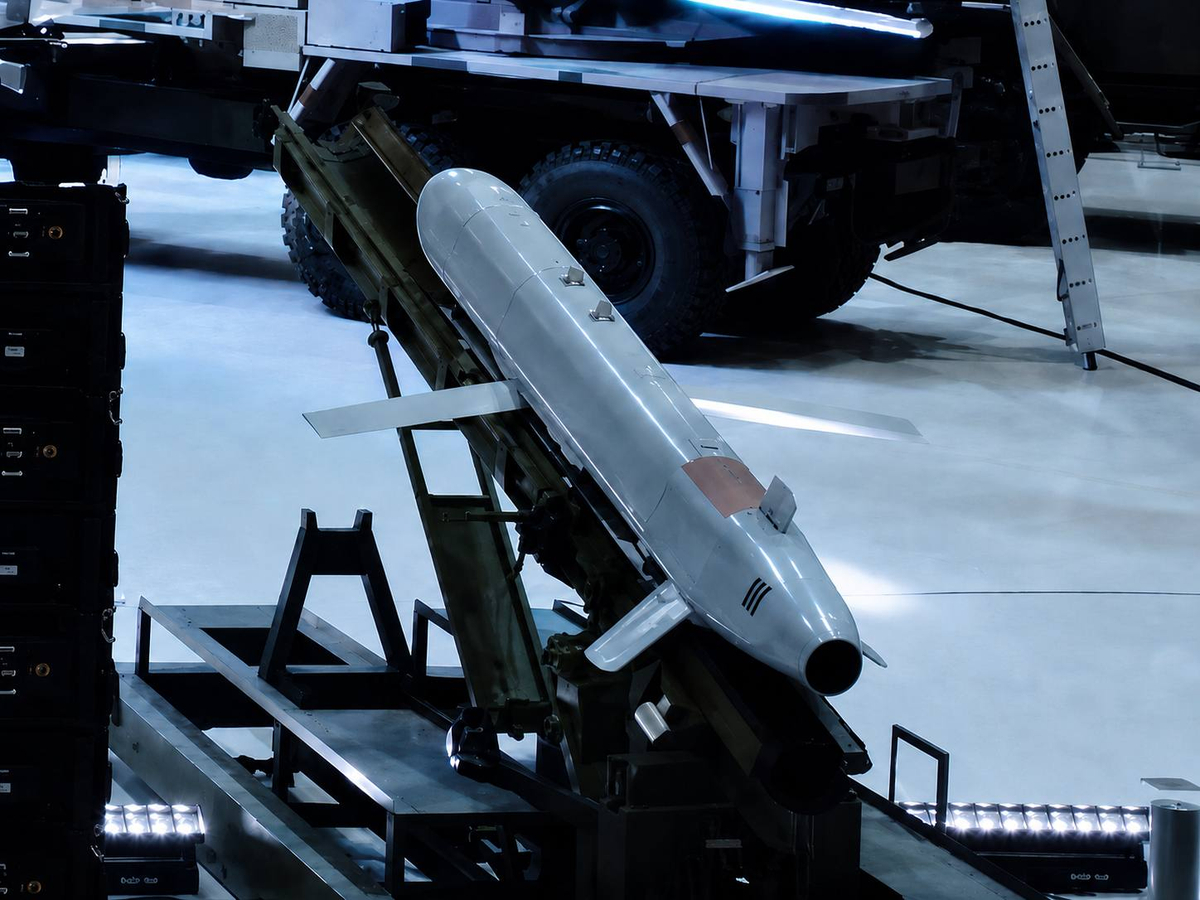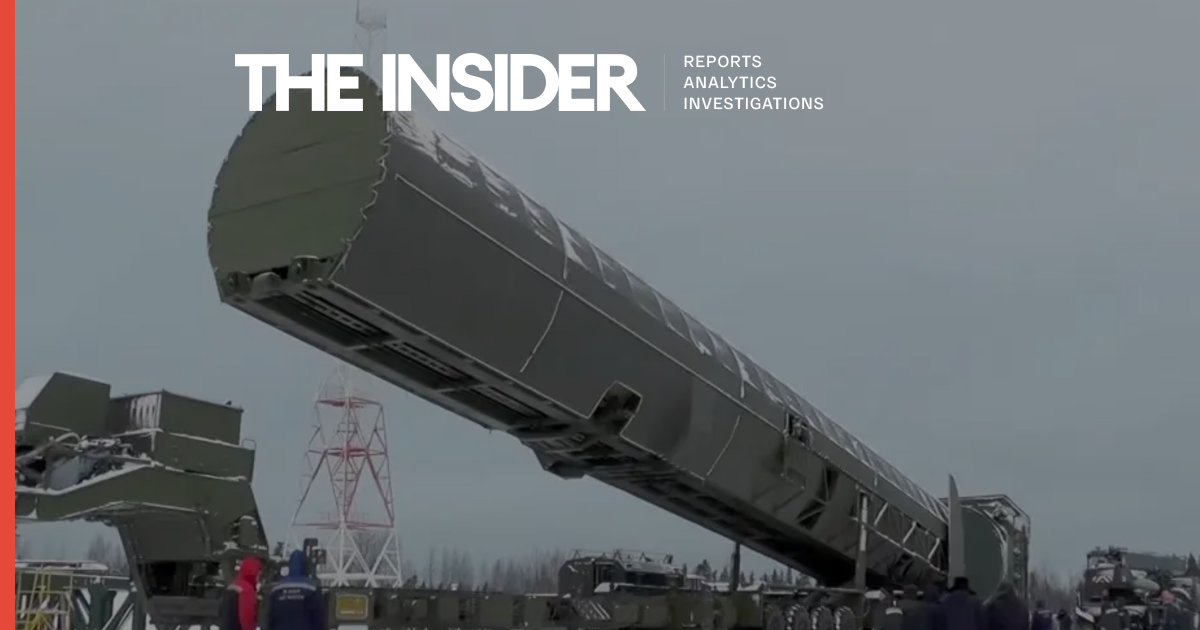
Russia’s RS-28 Sarmat strategic missile system, which Moscow first claimed had entered combat duty in September 2023, was sent to military units without the appropriate paperwork, agreed prices for components, or sufficient specialized transport, according to the latest investigation by Dallas Analytics, a Ukrainian analytical and intelligence company that studied internal documents from Russia’s defense industry.Dallas Analytics obtained documents detailing the state of the Sarmat intercontinental ballistic missile (ICBM) — which has not been deployed despite Russian officials’ repeated claims that it is combat ready. The documents include standard shipment orders, factory reports, and pricing audit results.A timeline of Sarmat’s deploymentIn December 2020, Colonel-General Sergei Karakayev, commander of Russia’s Strategic Missile Forces, told the military newspaper Krasnaya Zvezda that the Sarmat was expected to enter combat duty in 2022. In April 2021, Vladimir Putin promised that “the first regiment fully equipped with heavy Sarmat intercontinental ballistic missiles will go on combat duty as planned, at the end of 2022.” In February 2023, Putin again announced the missile’s imminent deployment, then said in June that it would enter combat duty “in the near future.” In September 2023, Yuri Borisov, then head of the state space agency Roscosmos, claimed the missile system had been placed on combat duty.According to the investigators, in October 2022 the Makeyev State Rocket Center ordered the Zlatmash plant to immediately ship missile components to the 62nd Missile Division in order to meet Putin’s demand. However, the shipment was made without an official accounting document, as the manufacturer and Defense Ministry had still not agreed on the technical specifications. As a result, for almost a year the missile system was listed as “unaccounted for.” A second missile, assembled on Dec. 1, 2022, could not be sent to the division at all because similar documentation was missing.Another problem was the lack of an approved cost for the system. Analysts said the Makeyev State Rocket Center tried to convene a meeting with factories and suppliers to agree on prices and register them with the Federal Antimonopoly Service only in 2025 — three years after the first shipment.Transport issues added to the bureaucratic problems. It turned out that Russia lacked sufficient special railcars to deliver the system. As the investigators put it, “the state could not move what it built.” Dallas Analytics also concluded that Sarmat’s key vulnerability lies in the monopolization of component production: as there are no alternative suppliers, a single stalled document or late payment to any factory in the chain is enough to halt missile assembly.Analysts noted that the leaked documents mention Vladimir Verteletsky, a former head of a department within the Russian Defense Ministry’s state defense procurement division. He was arrested in May 2024 on charges of abuse of office related to state defense orders. Dallas Analytics called his case “a marker of the programme’s troubles” in deploying the missiles.The investigators said their analysis of the documents found no evidence that the failure to implement the Sarmat project was linked to sanctions or embargoes on supplies of military technology to Russia. Instead, they said, the cause lay in bureaucratic chaos and the monopolization of production.Russia carried out what it described as a successful Sarmat ICBM test in May 2026, and Putin again said the missile would soon enter combat duty — this time by the end of the year. However, missile weapons expert Etienne Marcuz previously told The Insider that deploying Sarmat would not in itself change the strategic balance of power, even if it does eventually come online.
Russia declared its Sarmat ICBM to be ready before it could actually be deployed
Russia’s RS-28 Sarmat strategic missile system, which Moscow first claimed had entered combat duty in September 2023, was sent to military units without the…
583 words~3 min read