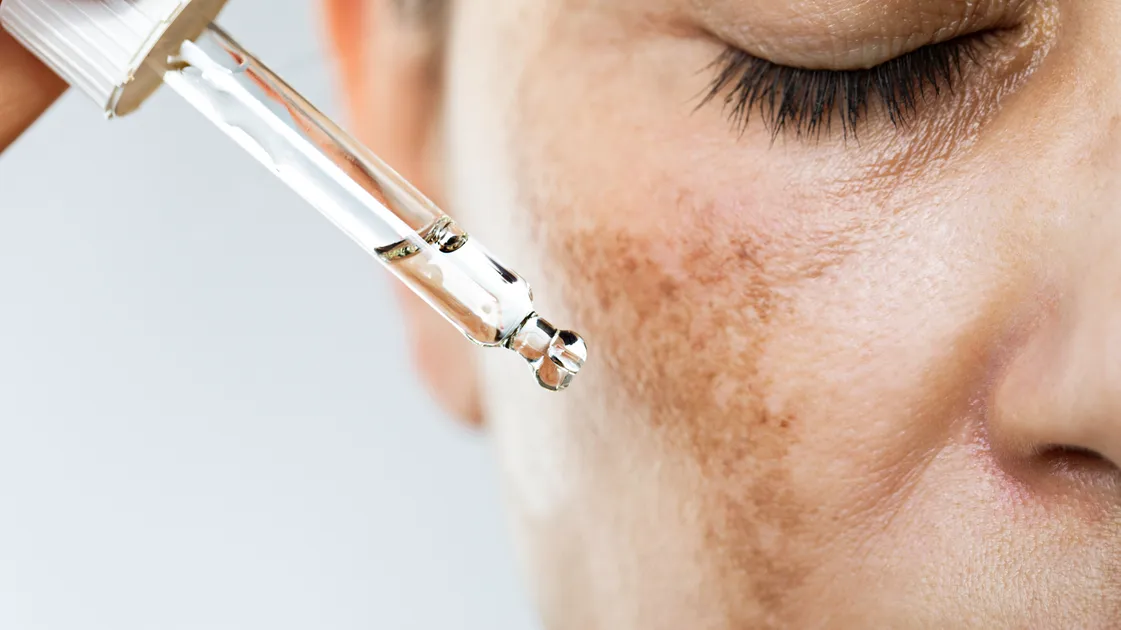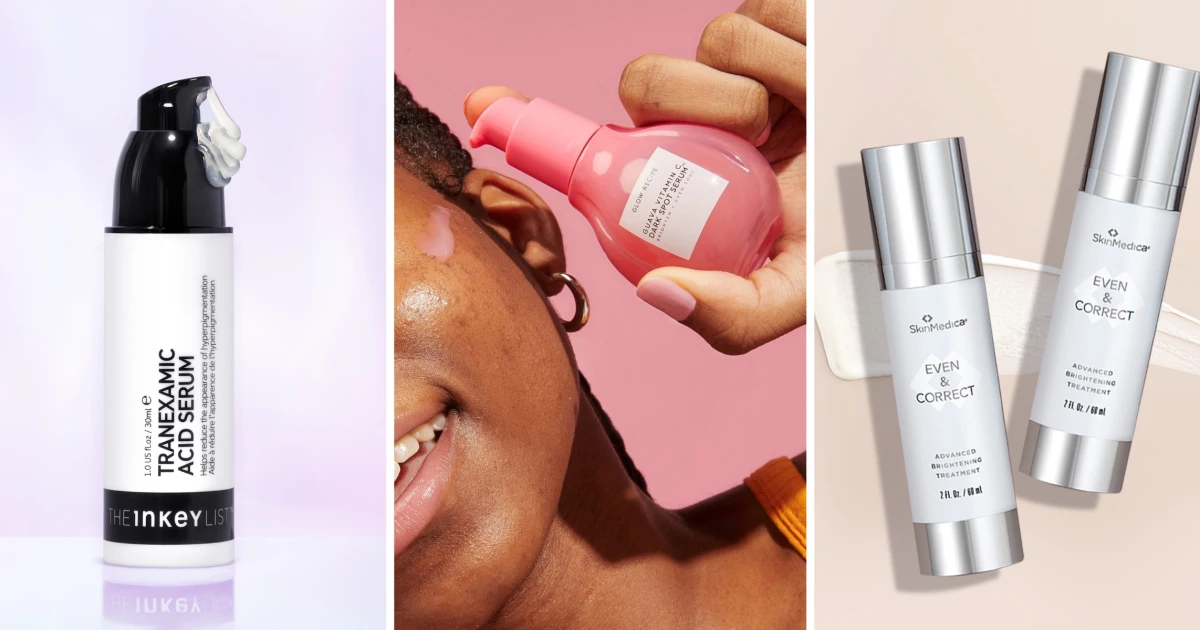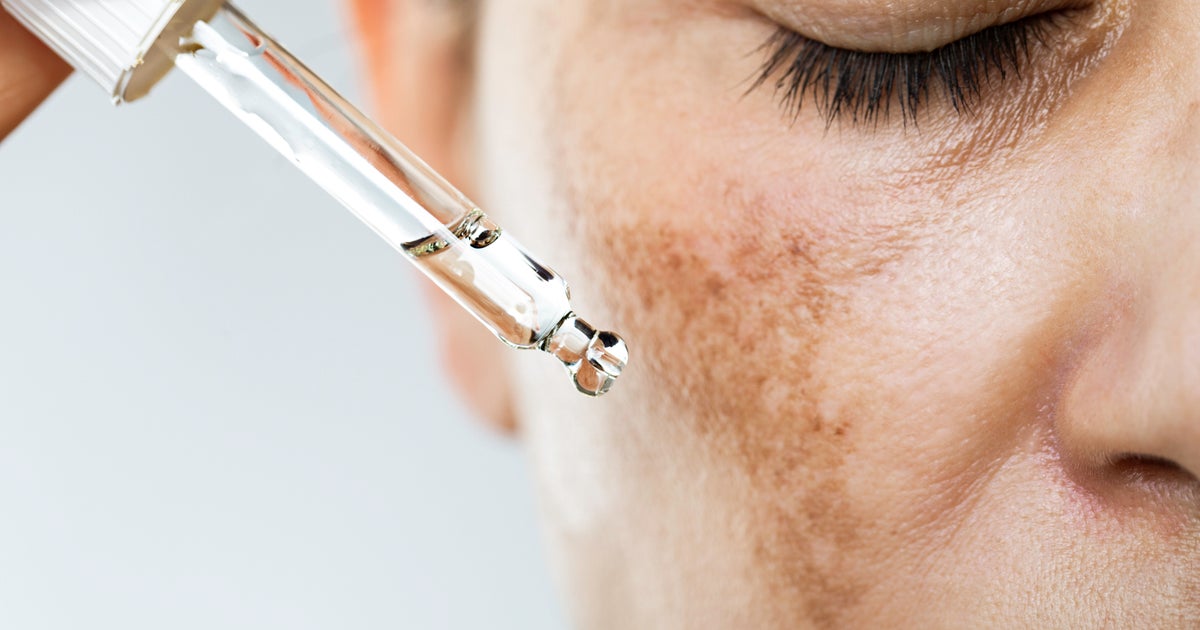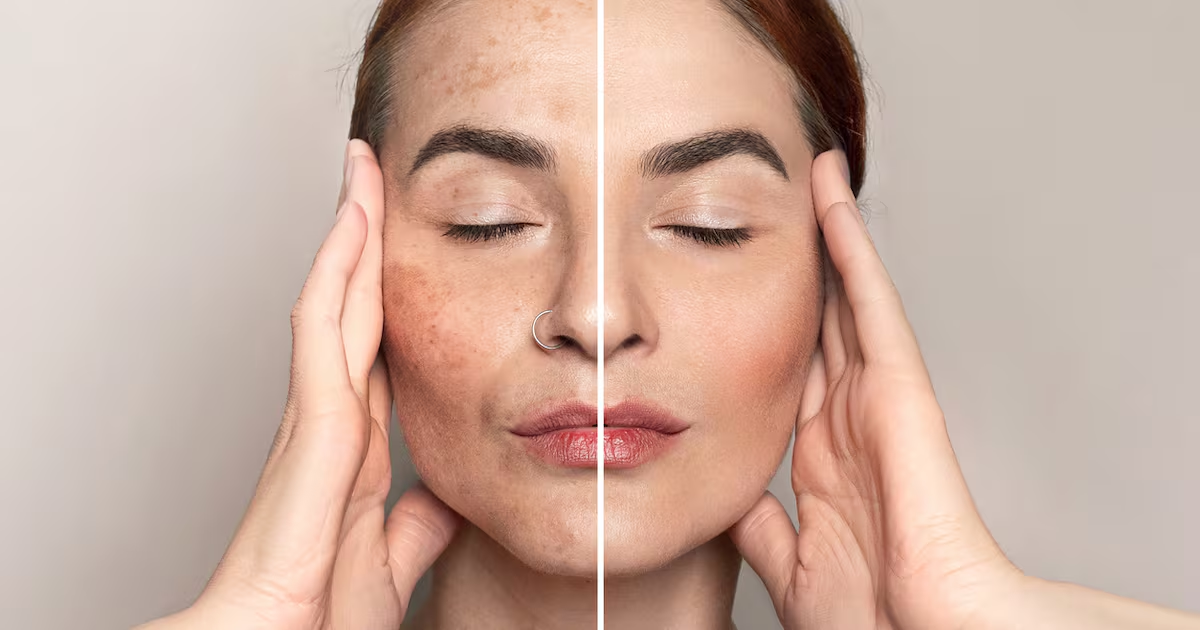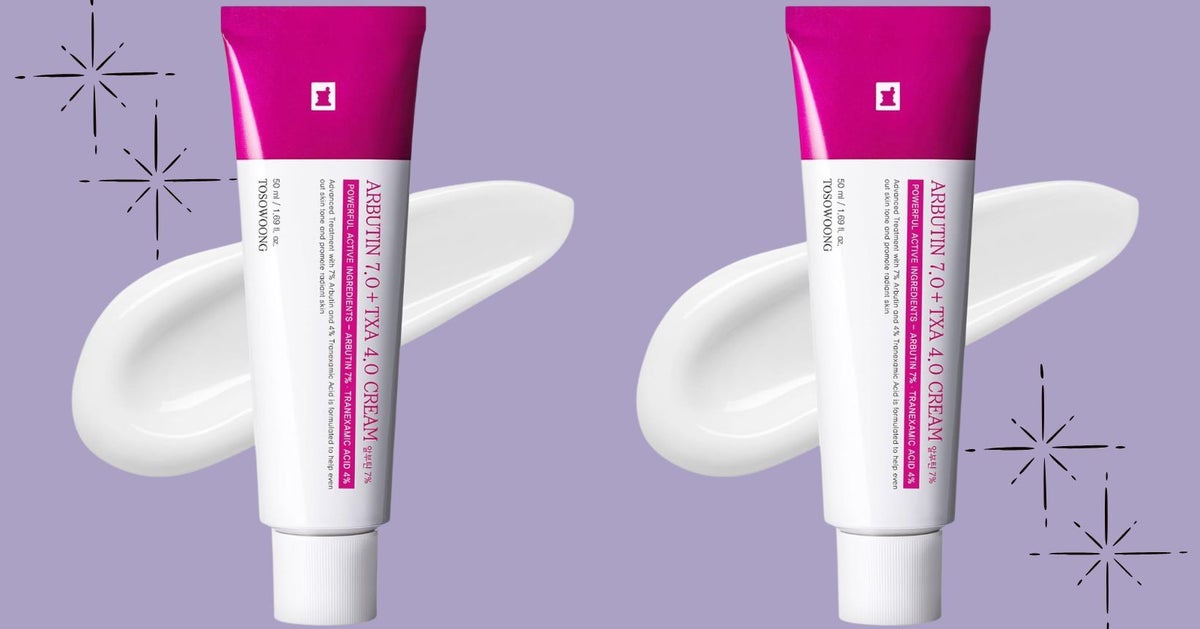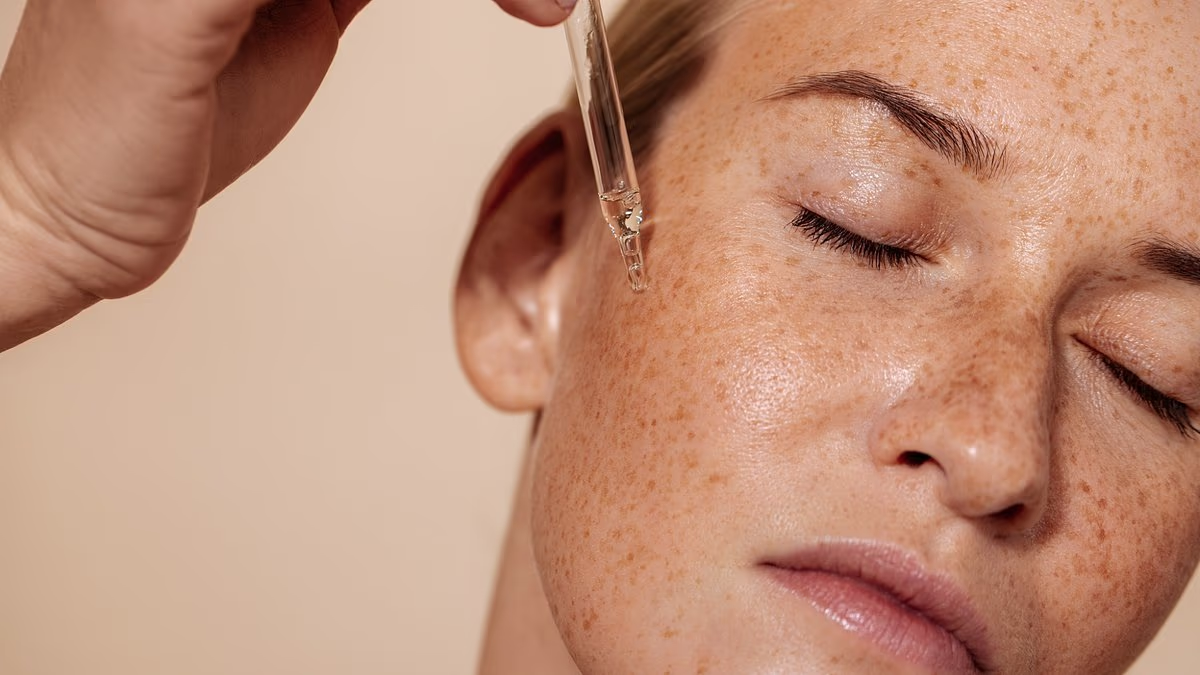
Daily Mail journalists select and curate the products that feature on our site. If you make a purchase via links on this page we will earn commission - learn moreAs much as we love the glow that comes from a summer spent outdoors, the season often leaves behind an unwelcome souvenir: pigmentation. Whether it’s dark spots from sun exposure, lingering acne marks or patches of melasma, hyperpigmentation has a habit of making itself known just as autumn rolls around.Vitamin C has long been hailed as the gold-standard brightening ingredient, but according to GP with a special interest in dermatology, Dr Sonia Khorana, it isn’t always the most effective option when pigmentation is your primary concern.‘Vitamin C is a fab antioxidant, but if pigmentation is the main concern, I don’t think it’s the strongest ingredient on its own,’ she explains. ‘In my clinic, I tend to favour a combination approach, as pigmentation develops through multiple pathways. It’s also worth remembering that the gold standard for treating hyperpigmentation remains prescription hydroquinone and tretinoin, particularly for more stubborn cases like melasma.’ Vitamin C has long been hailed as the gold-standard brightening ingredientInstead, there are a number of ingredients that target pigmentation in different ways – whether by slowing melanin production, reducing inflammation or stopping pigment from transferring through the skin. Below, Dr Khorana shares the vitamin C alternatives she recommends most often.1. Tranexamic acidIf there’s one ingredient that’s been gaining momentum in dermatology circles, it’s tranexamic acid. Originally used as a medicine to reduce bleeding, it’s now become one of the most promising ingredients for treating pigmentation.‘Tranexamic acid works by reducing the inflammatory signals that trigger excess melanin production,’ explains Dr Khorana, making it particularly effective for melasma and post-inflammatory hyperpigmentation.For over-the-counter products, she recommends looking for formulas containing between 2–5%, with 3–5% being the sweet spot. While topical versions have encouraging evidence behind them, she notes that oral tranexamic acid has even stronger clinical data for melasma – but should only ever be taken under medical supervision.Another plus? It layers well with many of your existing skincare favourites, including niacinamide, retinoids and even vitamin C.Try:2. Azelaic acidAzelaic acid has become something of a dermatologist favourite – and for good reason.‘Azelaic acid is one of my favourite ingredients because it tackles pigmentation while also reducing inflammation,’ says Dr Khorana. ‘It’s particularly effective for post-inflammatory hyperpigmentation from acne and can also help with melasma.’Unlike some brightening ingredients, it's also suitable for sensitive skin and those with rosacea, making it one of the gentlest options available.Look for 10% formulas over the counter, although stronger 15–20% prescription versions have the most robust evidence. It also pairs well with retinoids and niacinamide if you’re looking to build a more targeted routine.Try:3. NiacinamideNiacinamide may already be sitting in your skincare routine, but it deserves a closer look if pigmentation is your main concern.Rather than preventing pigment from forming, it reduces the transfer of melanin into surrounding skin cells, helping dark marks appear less noticeable over time.It’s also one of the easiest ingredients to incorporate into an existing routine. Dr Khorana recommends concentrations of around 4–5%, noting that it’s suitable for almost every skin type – including sensitive skin – and works well alongside virtually every other brightening ingredient, including vitamin C, tranexamic acid and retinoids.She also recommends the La Roche-Posay Mela B3 Serum, adding: ‘It contains 10% niacinamide but also their patented Melasyl molecule – this prevents new discoloration by trapping excess melanin.’Try:4. Cysteamine‘Cysteamine is probably one of the most underrated pigmentation ingredients,’ says Dr Khorana.It works through multiple pathways involved in melanin production, making it particularly effective for stubborn pigmentation, including melasma.Most of the research focuses on 5% formulations. While older versions were notorious for their strong smell, newer formulas are much more cosmetically elegant to use. Those with sensitive skin may experience some irritation initially, so introducing it gradually is key.Unlike many other brightening ingredients, cysteamine is generally used alone in the evening, while vitamin C can still be applied during the day.Try:5. Alpha arbutinIf you’re dealing with mild sunspots or lingering post-breakout marks, alpha arbutin is another ingredient worth knowing about.It works by inhibiting tyrosinase – the enzyme responsible for producing melanin – helping to gradually reduce excess pigmentation.Dr Khorana recommends looking for products containing around 2%. It’s generally very well tolerated and works particularly well when paired with vitamin C, niacinamide or tranexamic acid.Try:6. ThiamidolOne of the newer innovations in pigmentation skincare is thiamidol, a patented ingredient that directly targets tyrosinase.According to Dr Khorana, it’s one of the few cosmetic ingredients backed by multiple clinical studies showing meaningful improvements in age spots and other forms of hyperpigmentation.Because it’s patented, brands don’t disclose the concentration used. Instead of focusing on percentage, she recommends choosing products from brands that have published clinical data supporting their formulations.Try:7. Kojic acidDerived from the fermentation of certain fungi, kojic acid has been used for years to fade pigmentation by inhibiting tyrosinase.Dr Khorana explains that it often performs best when combined with other brightening ingredients, as the combination may deliver better results than using a single active alone.Look for products containing 1–2%. As it can cause irritation for some people, it’s best introduced slowly, particularly if your skin is on the sensitive side.Try: While vitamin C certainly deserves a place in many skincare routines, it’s far from the only ingredient capable of tackling pigmentation – and depending on your skin concerns, it may not even be the most effective.Whatever ingredient you choose, though, Dr Khorana stresses that one step should never be skipped: ‘Ultimately, whichever ingredient you choose, daily broad-spectrum SPF is non-negotiable. Pigmentation is notoriously prone to recurrence, so even the best active ingredients won't deliver lasting results without good sun protection.’Follow Dr Sonia Khorana on Instagram @dermgp
A expert's guide to the vitamin C-alternatives to treat pigmentation
A dermatologist reveals the best vitamin C alternatives for treating pigmentation, melasma and dark spots - including tranexamic acid, azelaic acid and more.
958 words~4 min read