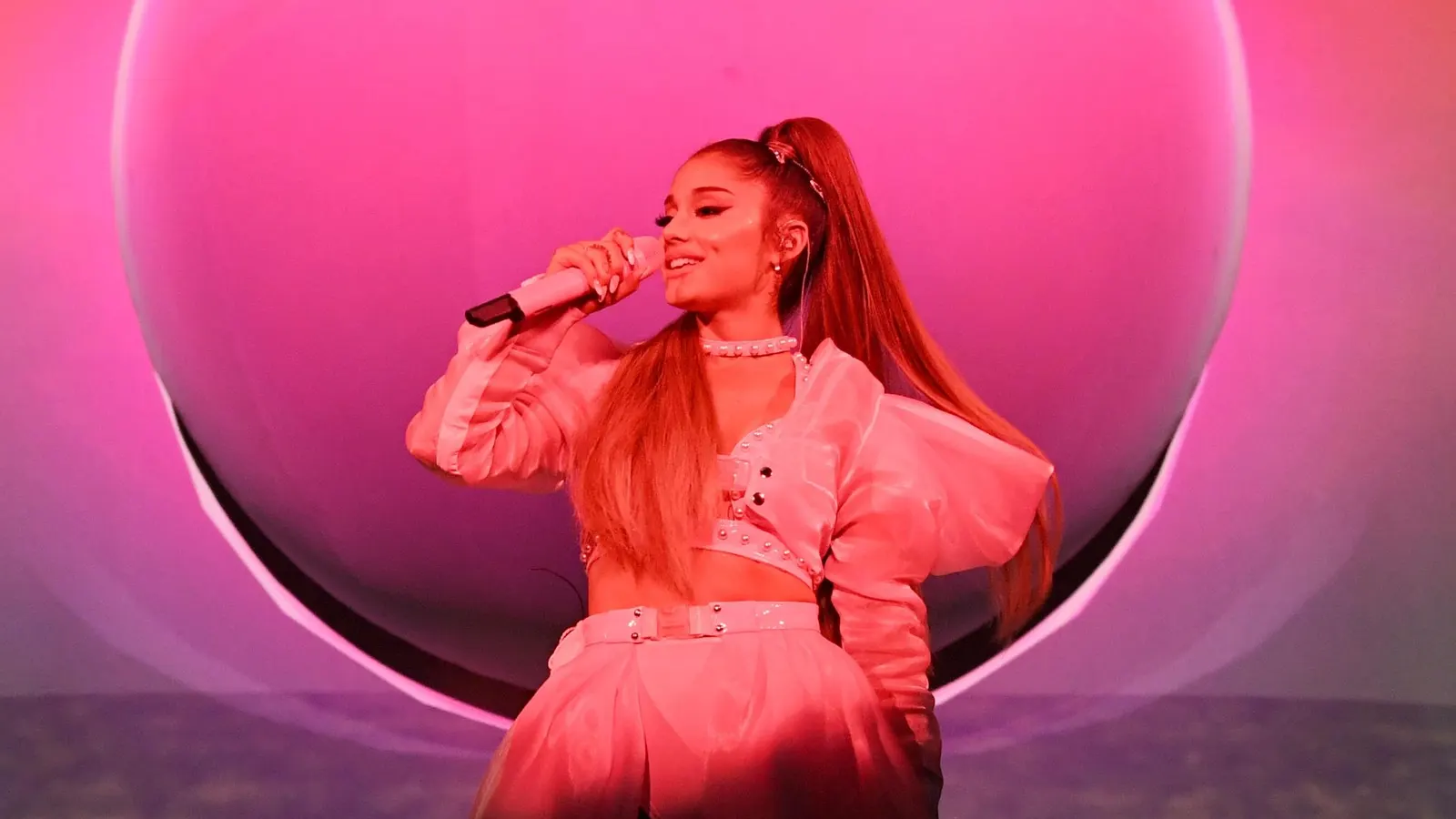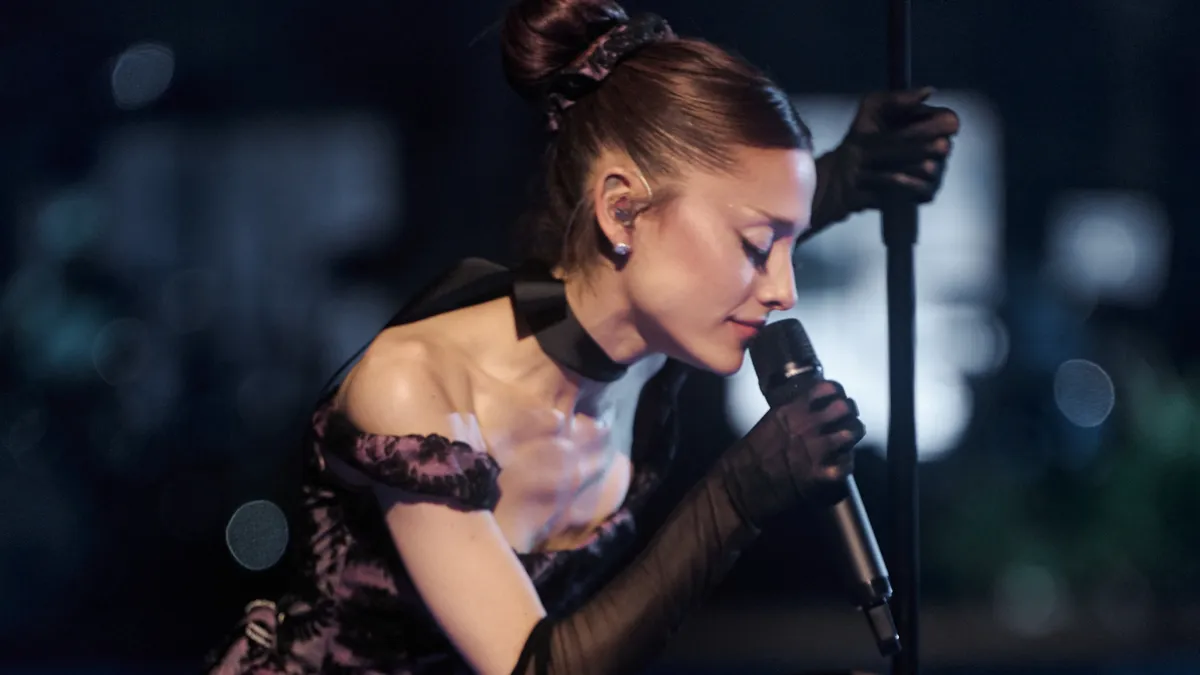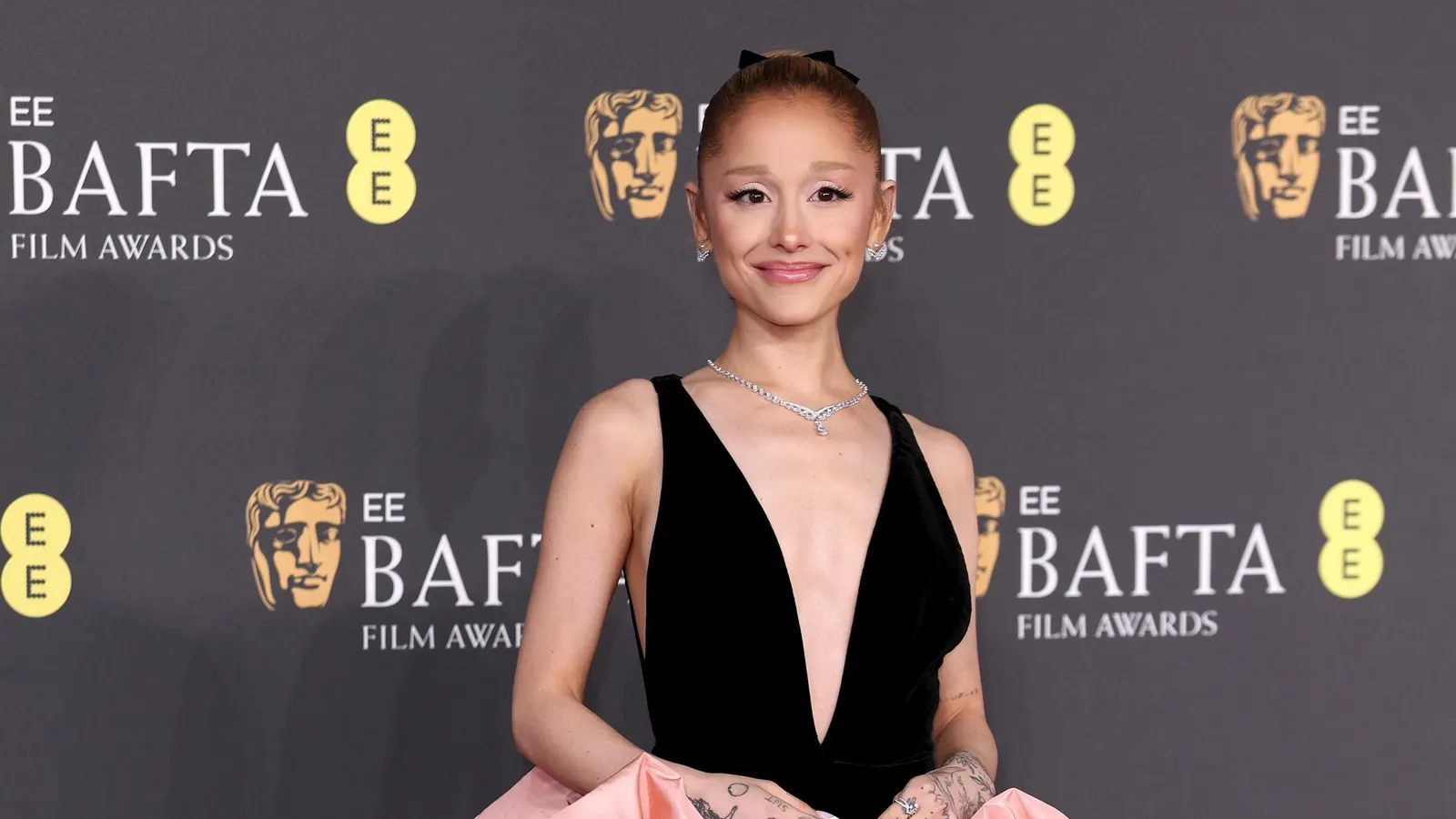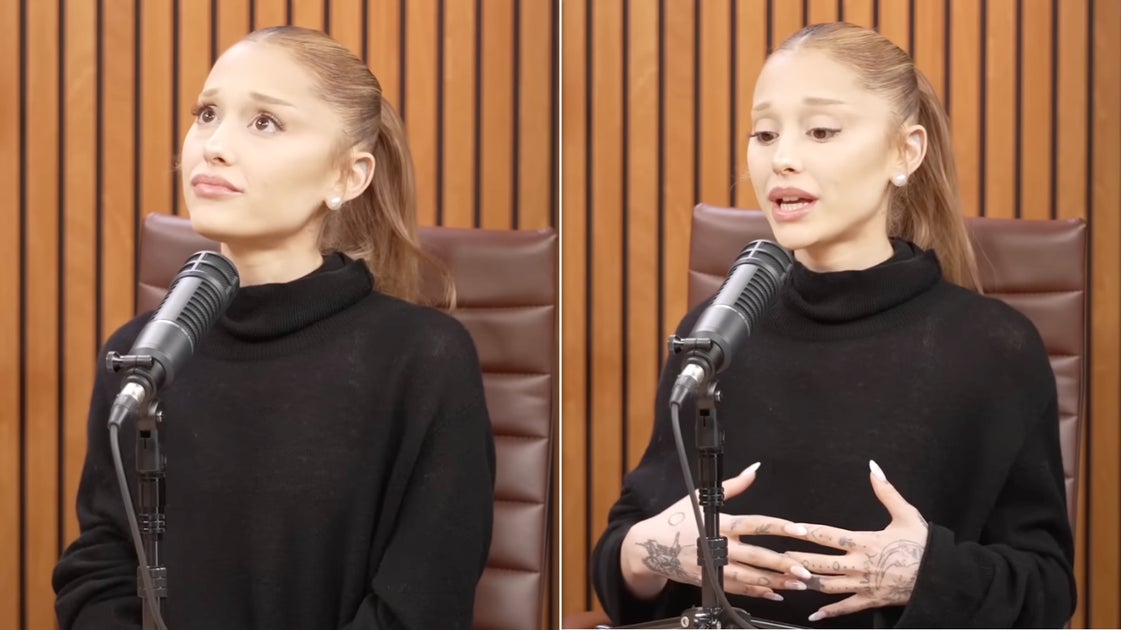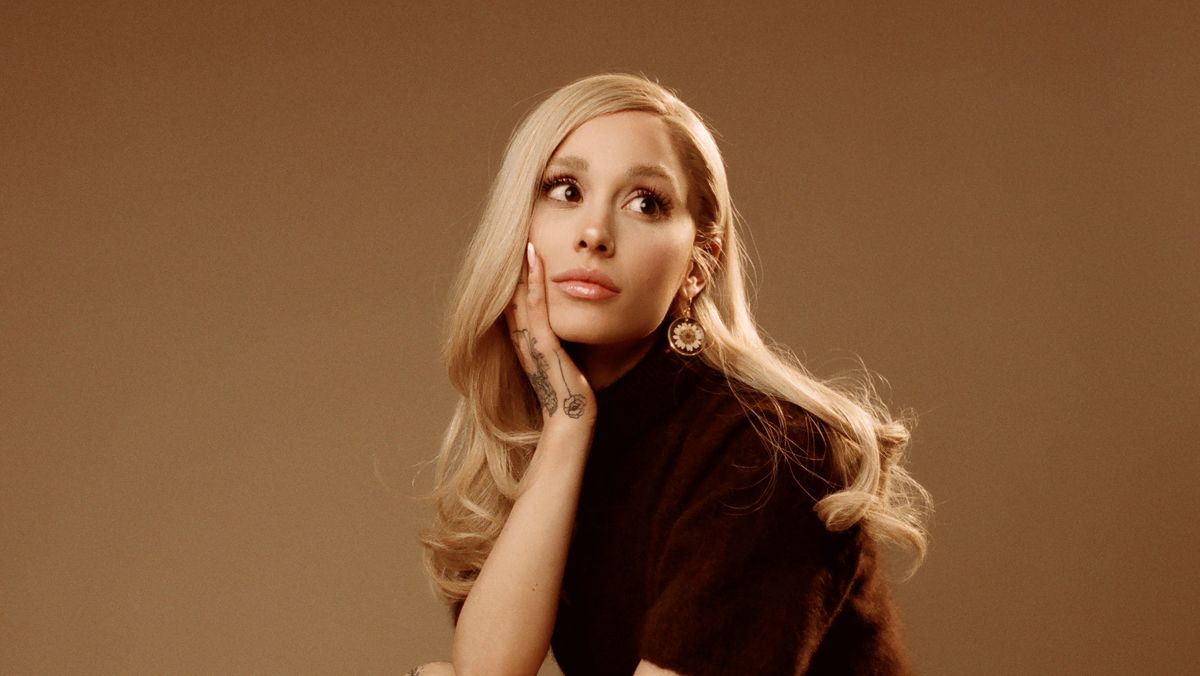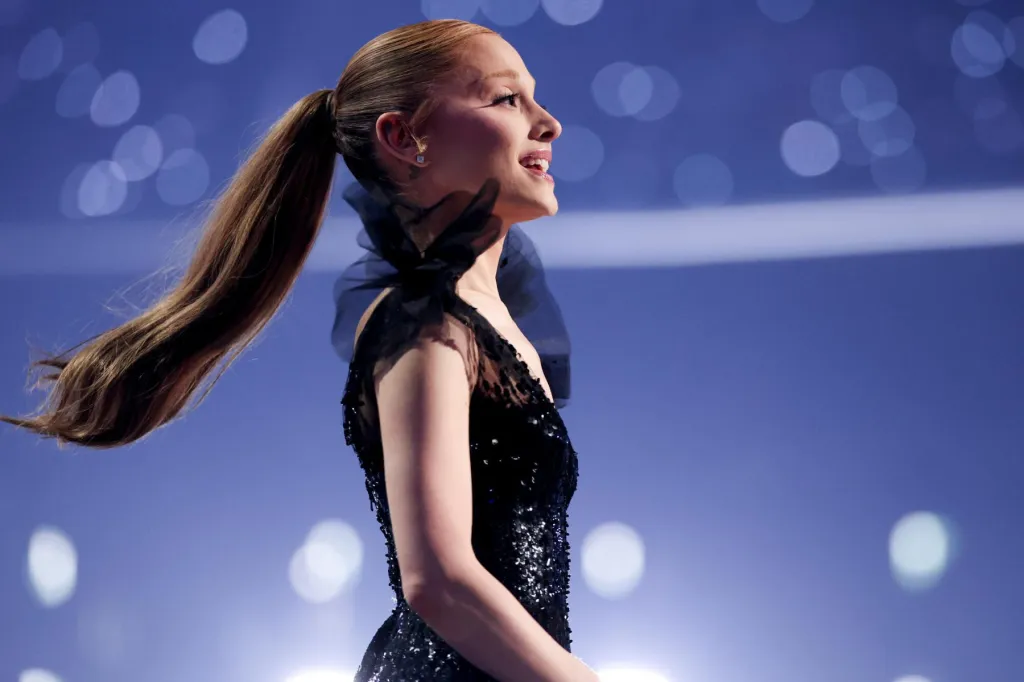
A cloud of vanilla body spray, a swipe of Baby Lips balm and a high, headache-inducing ponytail: my pre-teen ritual in thrall to Ariana Grande. At the age of 12, I would witter on about my favorite pop star to anyone who would listen, constantly praising her voluble personality or the lovestruck earnestness of her 2013 debut LP, Yours Truly, which opened atop the Billboard 200. She represented a singular kind of freedom: to be secure yet vulnerable, and connected to her feelings in ways I couldn’t yet articulate, a world away from the one I inhabited growing up in the outskirts of Cardiff, Wales.
If a gargantuan – and previously record-breaking – Instagram following is anything to go by, I wasn’t alone. In the eyes of millions across the world, Grande stood as a totem of irrepressible force; in the mid-2010s, she awoke a whole legion of young women to the power of fandom, and to the feeling of having an artist who speaks to them and with them. Her brand of blissful, self-reflexive sexuality was offset by a goofy Snapchat presence. A fascination with the macabre crept into her early music videos, while Grande pursued whatever sounds moved her, interpolating Diana Ross and music theatre classics in her output and collaborating as readily with rappers (Childish Gambino, Big Sean) as with big-ticket EDM stars (Zedd, Major Lazer).