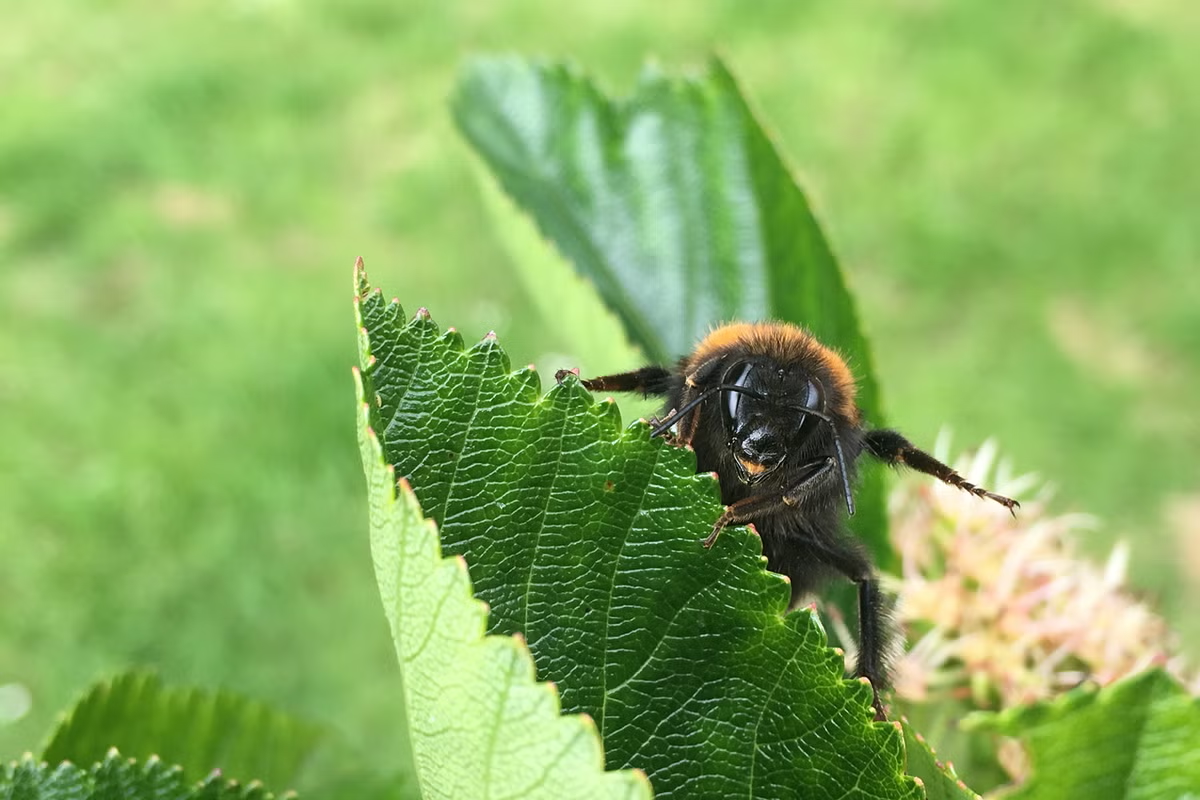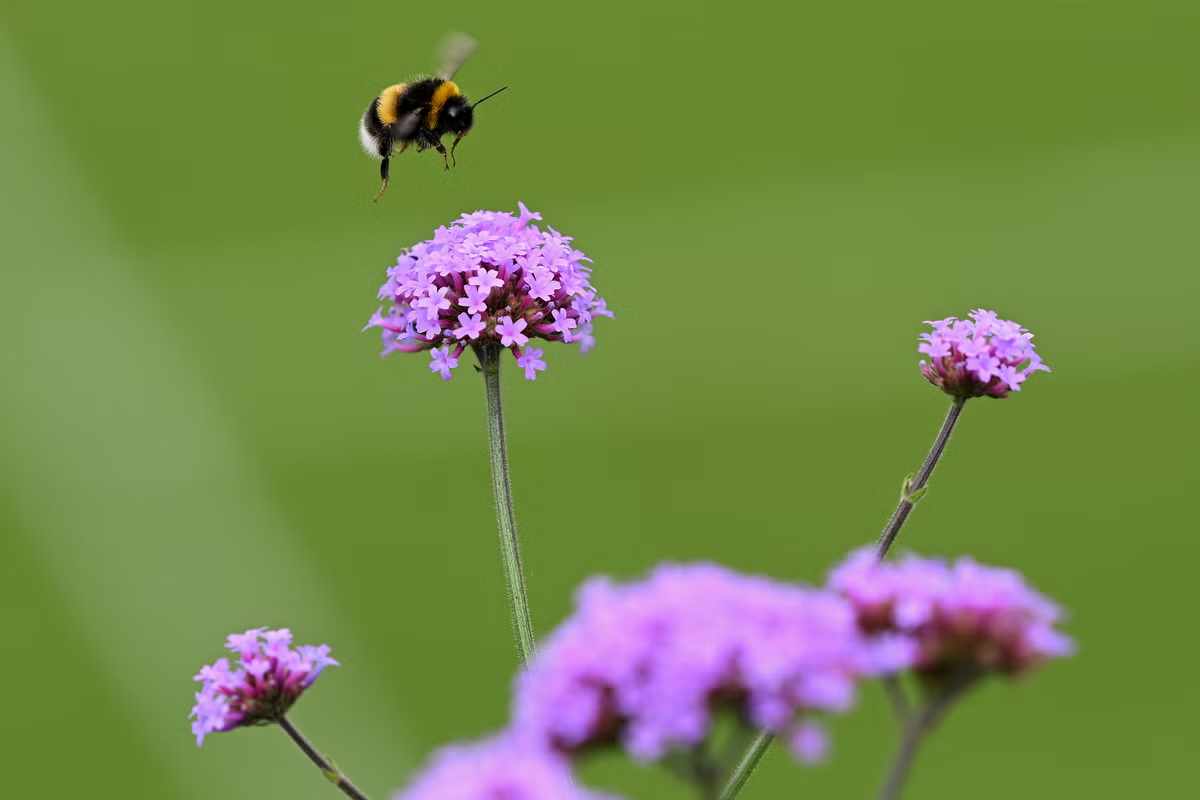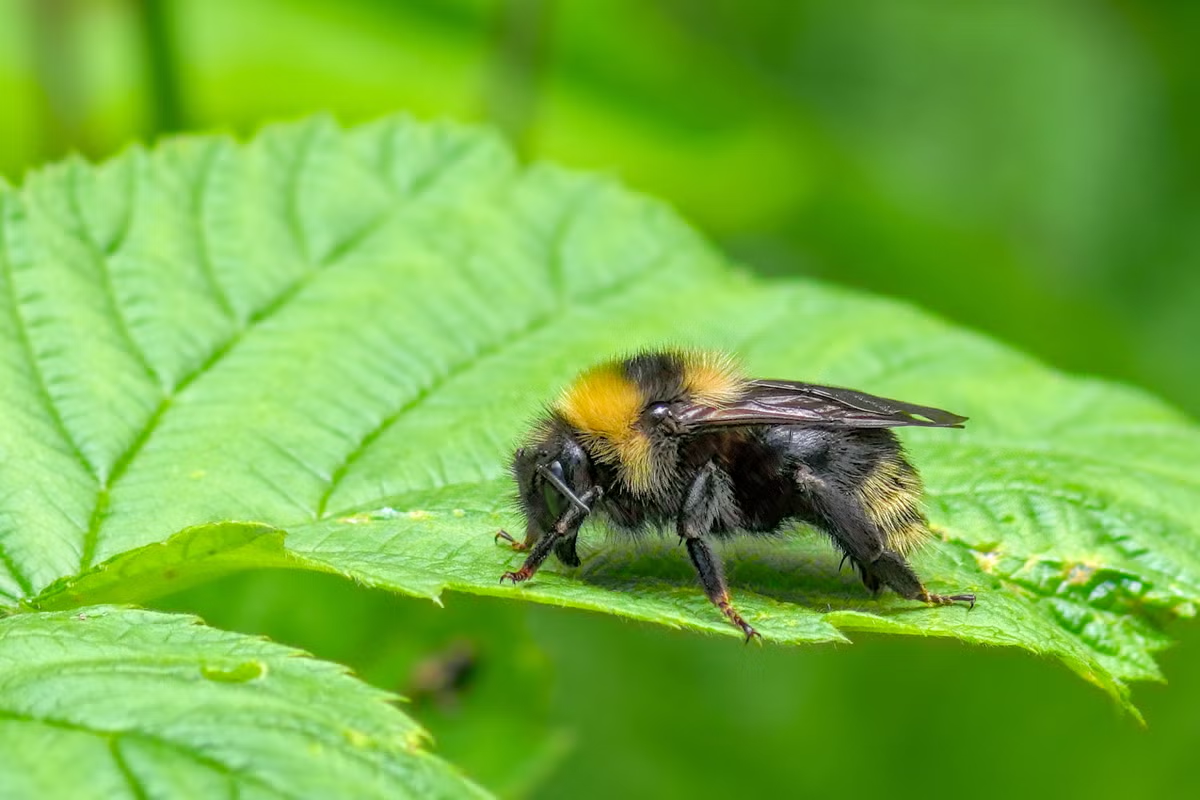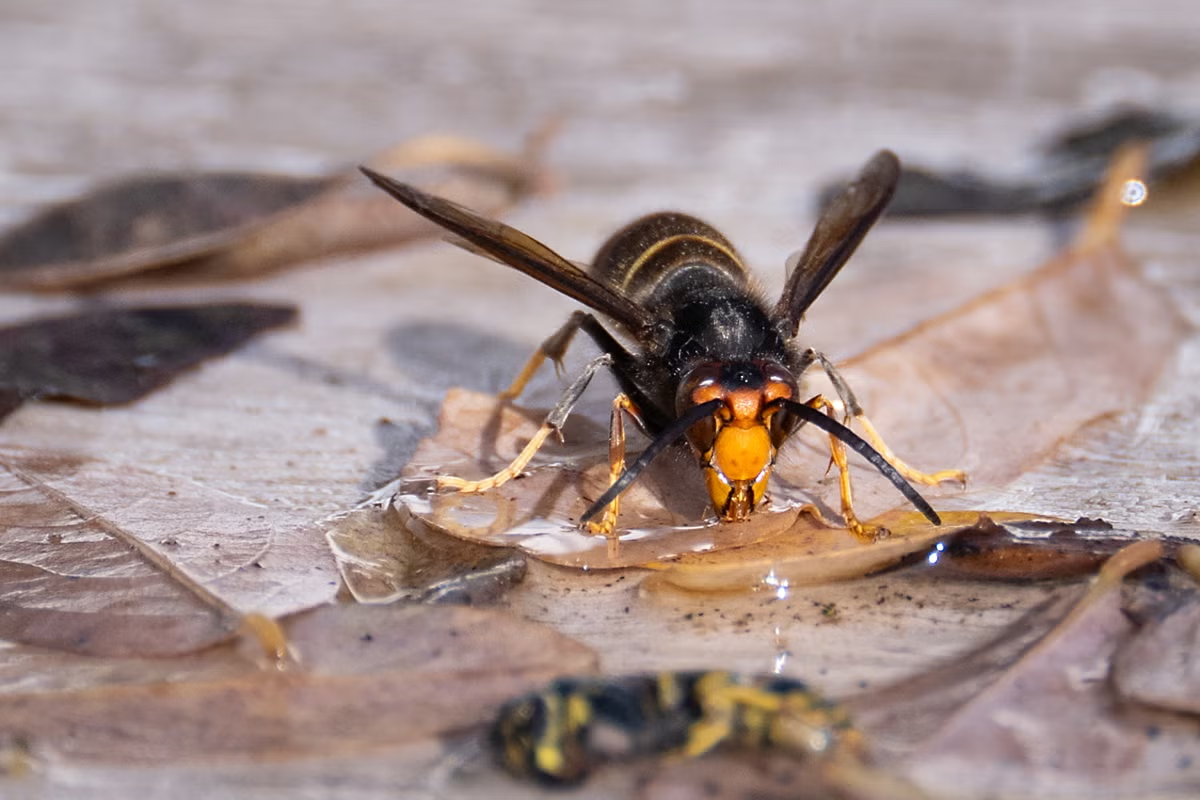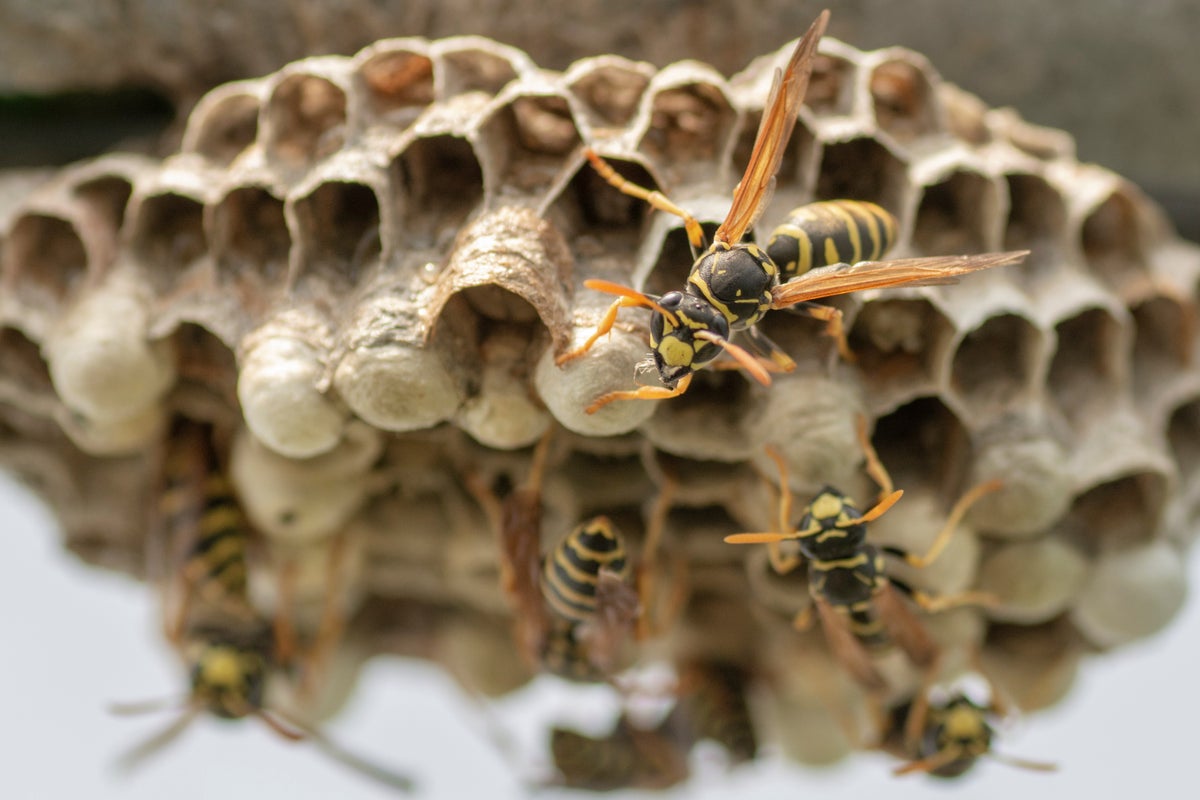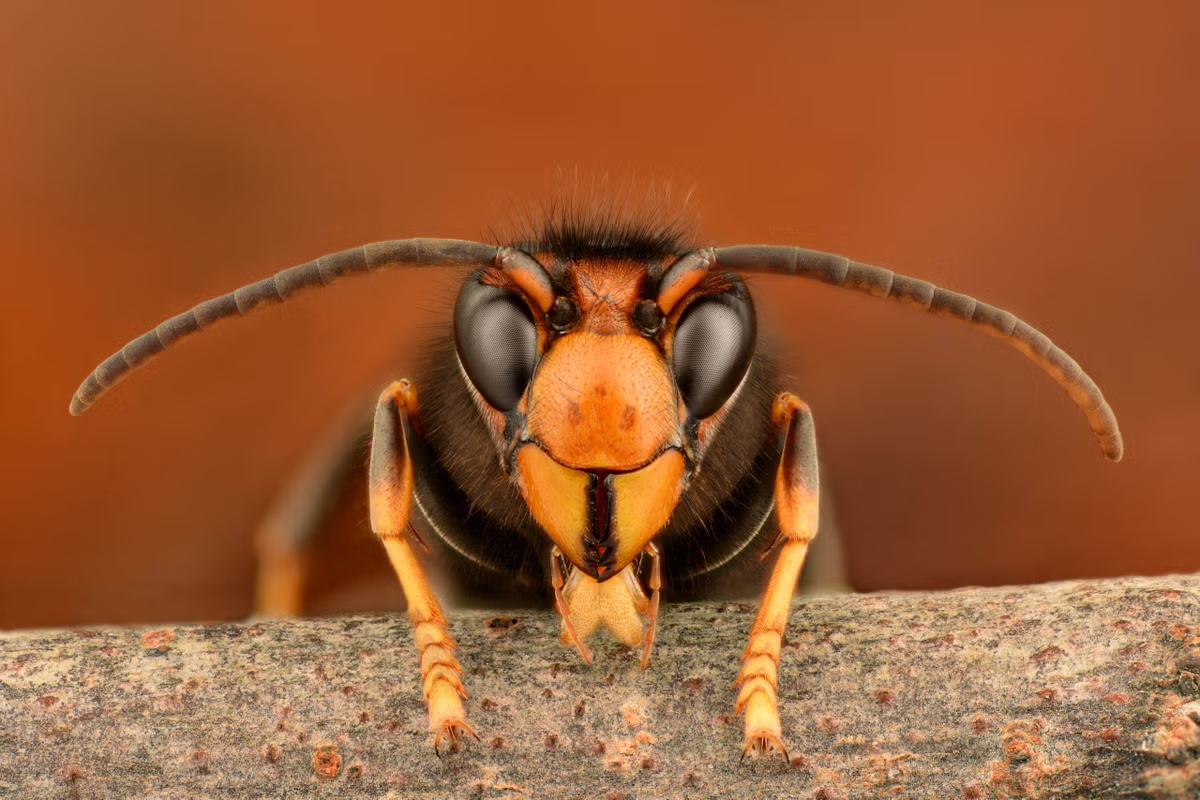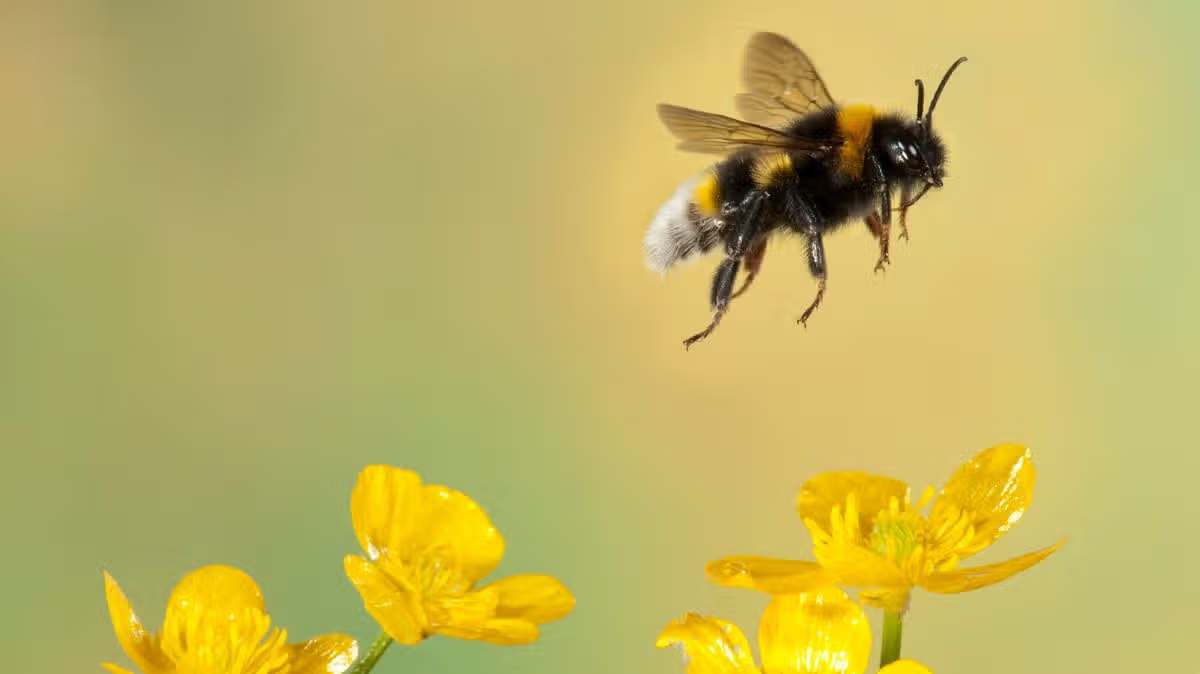
UK bees are in trouble as the country braces itself for the fourth heatwave of the summer and swarms of deadly Asian hornets threaten British hives. Beyond being a cherished hallmark of the British summer, bumblebees serve as essential pollinators that sustain our wild landscapes and vital food crops.However, UK bumblebee populations are in sharp decline as heatwaves become more frequent and intense. New data from the Bumblebee Conservation Trust has revealed a drop in numbers following 2022’s record-breaking temperatures, with three of the country’s most common species - red-tailed, buff-tailed and common carder bumblebees - peaking well below normal levels, down 20%, 25% and 35% respectively. Temperatures are consistently reaching levels that leave bees struggling to fly without overheating.Michael Walsh of The Urban Apiarist explains: “When there’s a heatwave the bees are forced to down tools on foraging and pour all their energy into cooling the hive instead. Out in the open, it’s even simpler: bees can overheat, run out of energy and become dehydrated and you’ll often find them grounded on hot pavement, too exhausted to fly.“Bees try to keep their nest at around 33 to 36 degrees C. Once it goes above 36 degrees C the young bees start to die, and the wax the nest is made of begins to soften. To cool things down, the bees fan their wings at the entrance, fetch water to spread around and cluster on the outside of the hive. It works, but it takes a lot out of them.”Sadly, thanks to climate change, this is becoming our new normal in the UK - and experts are concerned for the future. Michael says: “We’re being told to expect hotter, longer heatwaves and bees aren’t really built for that. It’s a double problem, because the heat also dries up the flowers they feed on, so there’s less food around just when they need it most.”And British bees are facing another threat - Asian hornets. Michael says: “Bees face lost habitat, pesticides and diseases like the varroa mite. But the one threat beekeepers are most worried about right now is the Asian hornet, which hunts bees outside the hive. A single one can eat up to 50 bees a day and their numbers are growing in the UK. The good news is they’re not established here yet, so every reported nest gets tracked down and removed.”One apiarist has created a world-first device to stop Asian hornets in their tracks. John Childs, who lives in Durham, isn’t taking on the 3cm-long stingers with a swatter or can of bug spray, but with his invention: The Hornet Zapper. His personal best is 11 Asian hornets killed in 14 minutes. But he’s got an appetite for far more.The device is simple in appearance. A bee-sized, bee-shaped lure sits atop a metal wire. It’s placed in front of a beehive where it wiggles back and forth in the breeze. Entirely innocent looking, until an Asian hornet decides to do what they do best, and attack. John says: “When they go for it, they get a thousand volts. Plenty enough to kill the predatory wasp, but safe for humans and similar to the sensation of touching an electric fence.”Hornets attack beehives. John says: “They hover in front of the hives, in a move sometimes called hawking, and they catch bees returning from foraging. Then they dismember them and take them back to their nests.”The invasive, yellow-legged Asian hornet quickly spread all over central, western and southern Europe after hitching a ride on a pottery shipment from China to France in 2004, becoming well-established by 2022. The European-born individuals have made their way over the Channel, with the first sighting in the UK in 2016.Unlike European hornets, which are usually larger, mainly brownish with clearly visible yellow stripes on the abdomen and pose no danger to UK honeybees, their Asian counterparts are black overall, with bright-yellow legs and a single yellow segment on the abdomen. They are slightly smaller than the European hornet, but much more dangerous.The British Association for Shooting and Conservation is leading an effort to identify and exterminate Asian hornet nests. A spokesperson told the Mirror: “Asian hornets pose a huge danger to native western honeybees, as the latter have not evolved any defensive behaviours against this enemy. They easily fall victim to the ruthless Asian predators, often becoming so scared that they refuse to leave the beehives and, with the queen stopping laying eggs, the whole colony inevitably collapses.”So far, known numbers are low. There were 71 credible sightings in 2024, with more than 20 nests destroyed. But numbers can rise rapidly, now that Asian hornets have begun overwintering in the UK. A single colony can produce 350 new queens capable of starting their own colony, highlighting how quickly a population can explode.That’s exactly what happened in France, where there are an estimated 500,000 Asian hornet nests. A French study found that a single Asian hornet nest consumes 11.3kg of insects each summer. Alarming, given that a typical honeybee weighs 116mg. John says: “It has had a grave effect on honey production, and honey prices have gone up. It has created more work for beekeepers.”John has tested The Hornet Zapper on his Durham City Honey hives and in France, with early promise and a patent pending. He now hopes for an investor. And it can’t come a moment too soon for the bees. There are 20,000 different species of bee, 250 in the UK alone, but this number is dropping at an unprecedented rate. Yet thankfully experts believe it is not too late to stop the decline.Michael says: “The single most useful thing anyone can do is report a sighting of an Asian hornet on the free Asian Hornet Watch app, or or email photos to alertnonnative@ceh.ac.uk.”Dr Ellen Rotheray, a lecturer in conservation biology at the University of Sussex says: “Many of us are in an ideal place to assist because bees live around us in our gardens. We can create food and shelter for bees and other wildlife by altering the way we garden - by not using pesticides, by allowing wild areas to blossom and by planting the best flowers for bees like comfrey, marjoram, foxglove, lavender and buddleja.“Leave sections in your garden to grow wild as this will provide shelter for bees and other insects. Elsewhere, don’t use pesticides and build a hotel for solitary bees (these do not live in colonies), or a bumblebee nest to encourage bees in your garden.”*John is looking to work with manufacturers and marketers to roll out the device. Email ZapThatHornet@gmail.com.
British bees are under threat with double killer wiping them out
UK bees face grave danger from ever increasing summer temperatures, and unwelcome pests. But one man is on a mission to save them with an incredible new invention...
1,096 words~5 min read