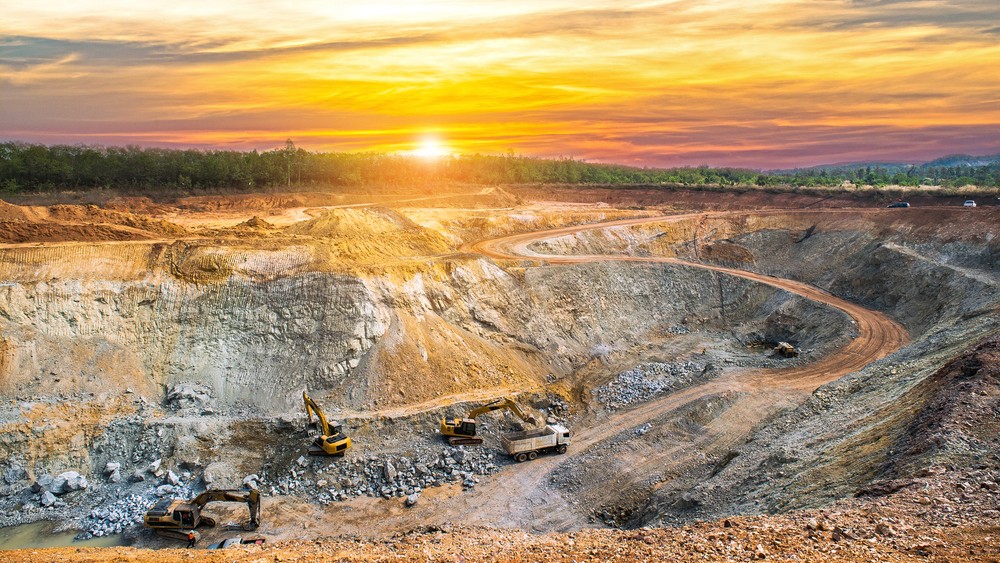
On July 8, Uzbekistan’s Ministry of Justice approved a regulation governing registration and operations of the residents of the Besqala Mining Valley. Prospectors here won’t be mining for gold, uranium, or copper – they are mining cryptocurrency.
Developed by the National Agency for Prospective Projects (NAPP), the new regulation is in accordance with the presidential resolution from April 17 to establish the first-of-its-kind special crypto mining zone in the Republic of Karakalpakstan, covering its whole territory. Within Besqala, incomes from crypto mining are exempted from taxes until 2035. That creates an incentivizing environment for large mining operators, although it’s notable that only locally registered legal entities can become Besqala residents.
Uzbekistan’s position on cryptocurrency is somewhere in between full prohibition and unrestricted permission. The state allows crypto activities to exist, but they must be traceable and financially controllable. Initially, in 2018, Tashkent established a highly controlled approach toward cryptocurrencies. Various crypto activities, including mining, were recognized and regarded as an economic and technological opportunity, but within limits. From October 2018, crypto activities required state licensing, to be handled by the National Agency for Project Management under the president. Tashkent also granted certain perks for crypto activities, such as exemption from taxes and ordinary currency-control rules. Mining was not yet treated as an electricity or environmental threat.