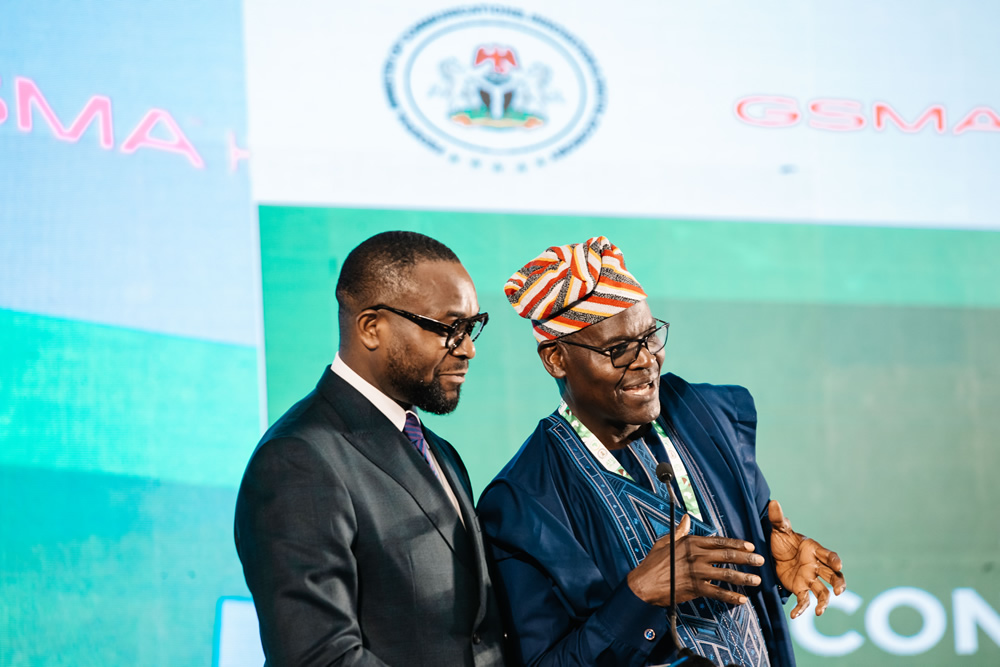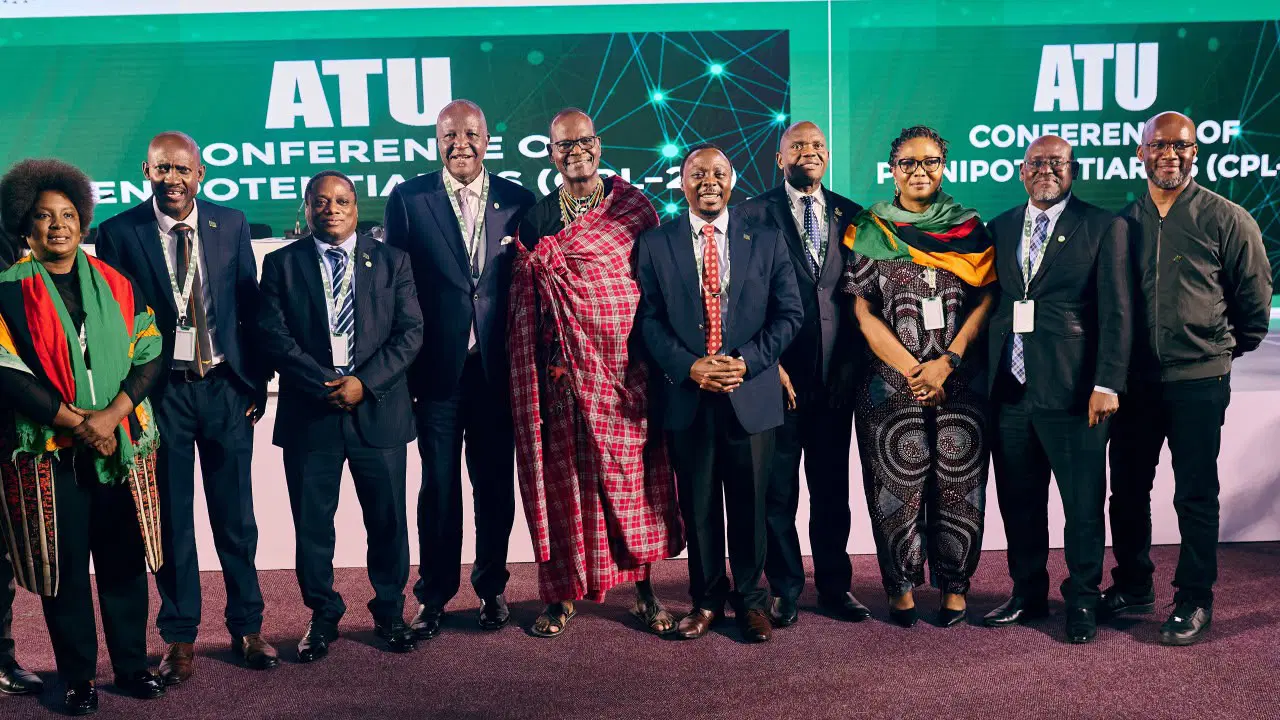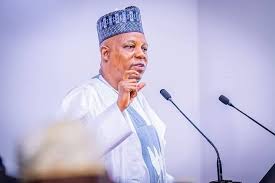
On Thursday, July 23, the International Conference Centre in Abuja, Nigeria’s capital, was filled with the familiar language of telecommunications—spectrum, standards, cybersecurity, satellite networks—but underneath the technical vocabulary was something much larger unfolding.
For perhaps the first time in decades, African ministers were not gathered to discuss how the continent could adopt the next wave of technology. They were debating how to influence it before someone else did.
Over two days at the African Telecommunications Union’s Conference of Plenipotentiaries, officials from across the continent argued that Africa has spent too long importing not just digital infrastructure but the rules that govern it. Now, they said, the continent wants to help write those rules itself.
“Our continent must not remain a passive consumer of technologies, standards and platforms developed without sufficient consideration for African priorities,” Sid Ali Zerrouki, Algeria’s minister of post and telecommunications, told delegates. “Africa must become a recognised architect of their design, governance and responsible use.”
The statement captured a broader shift taking place across Africa. For years, conversations about the continent’s digital future centred on expanding internet access, building mobile networks and attracting investment from global technology companies.