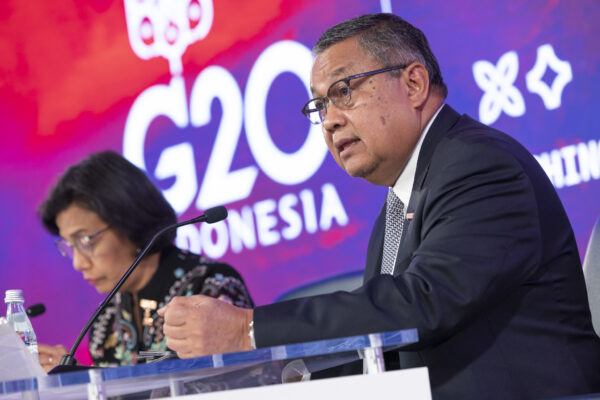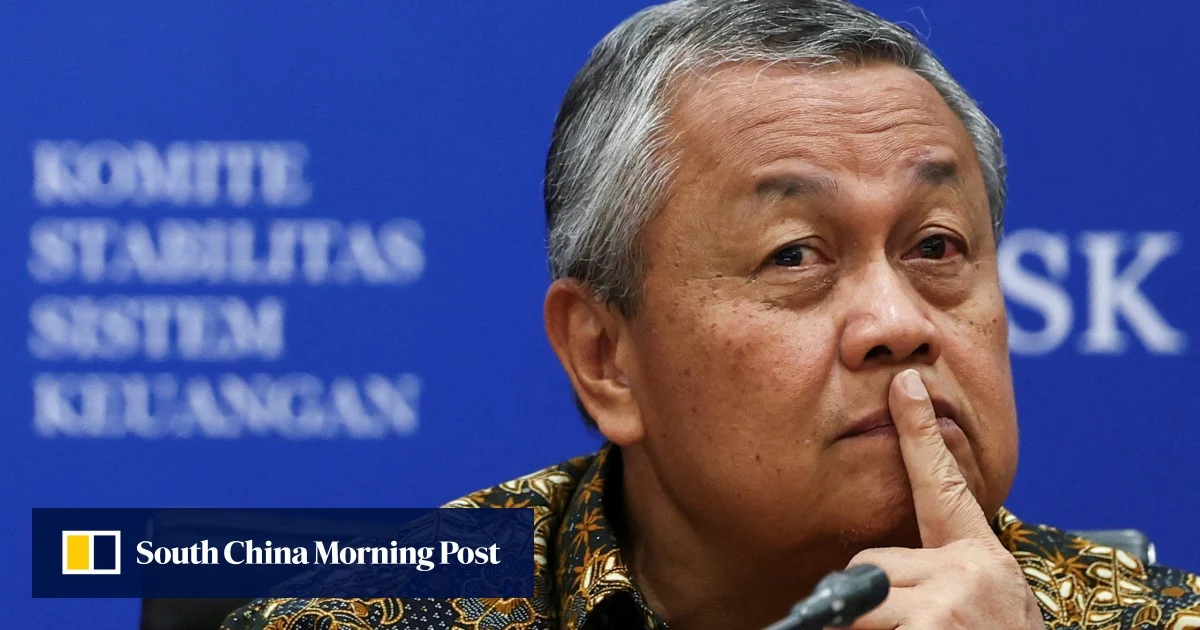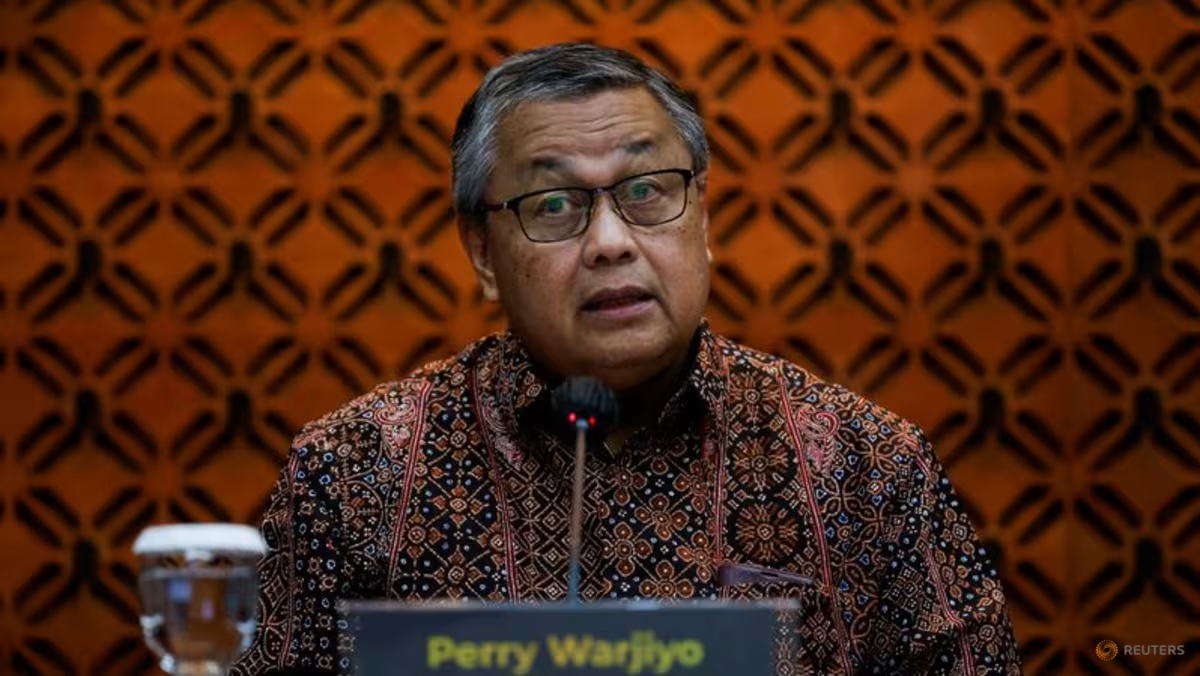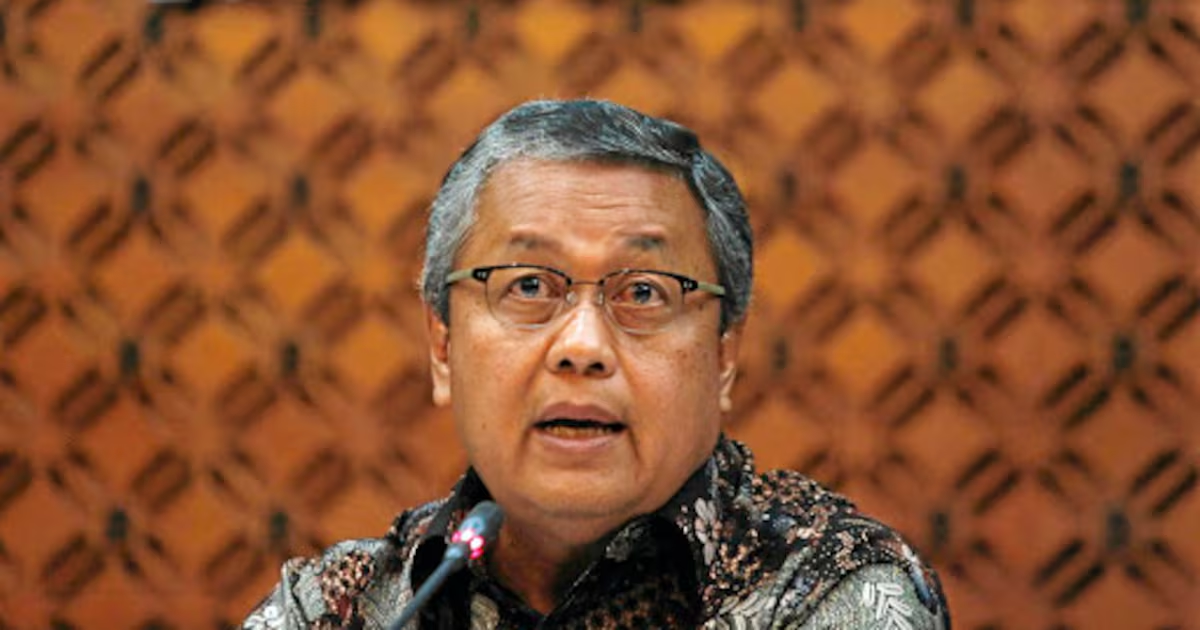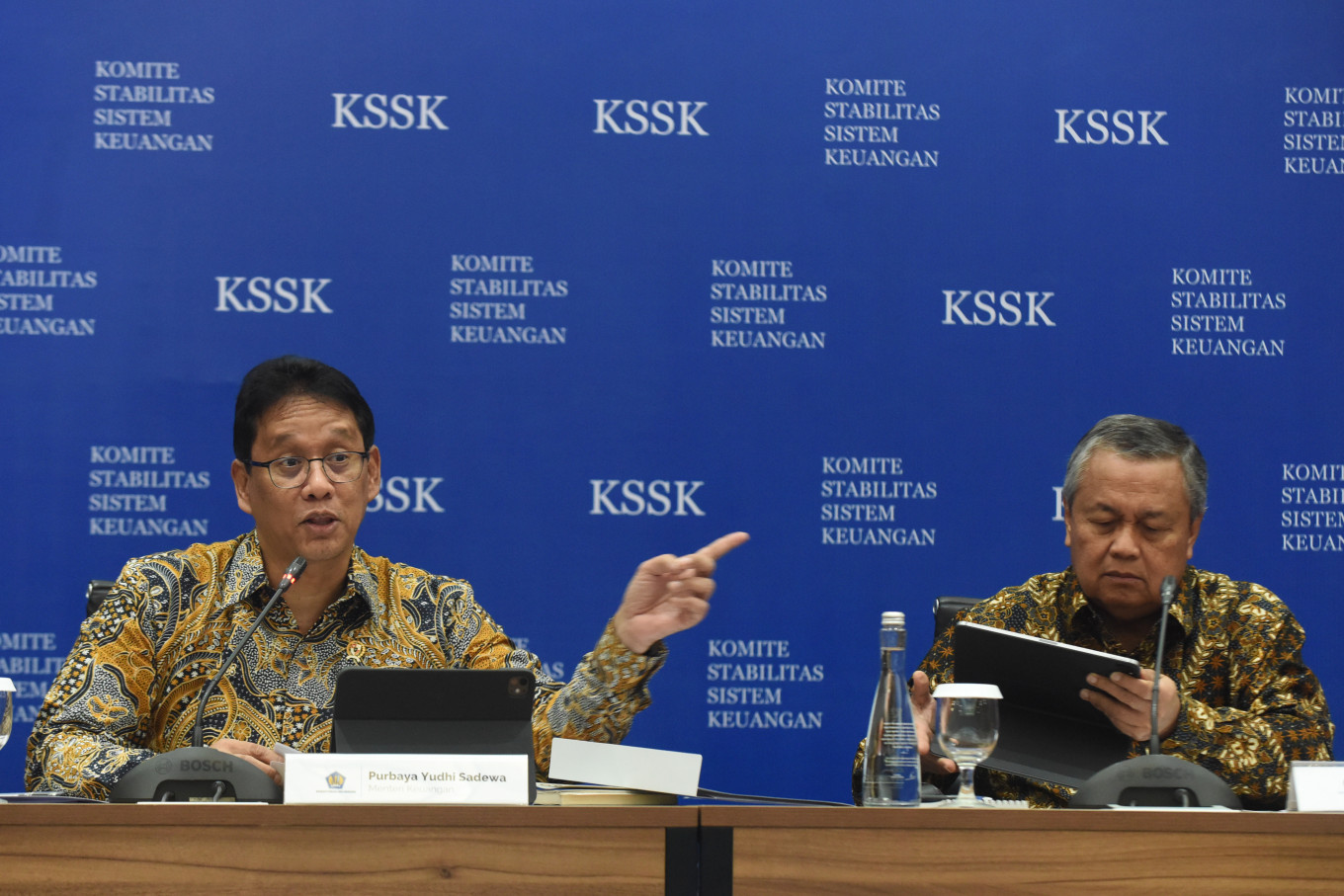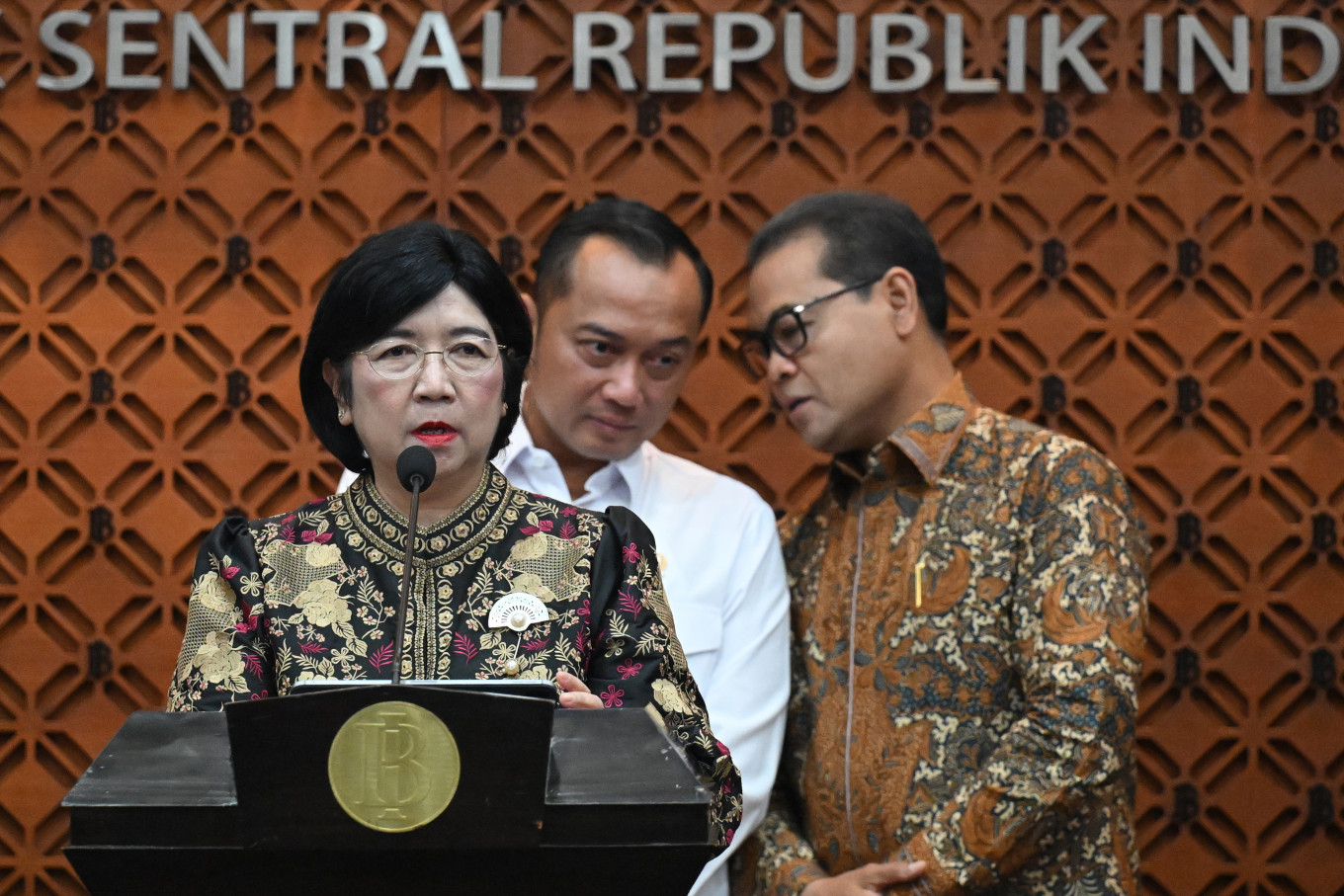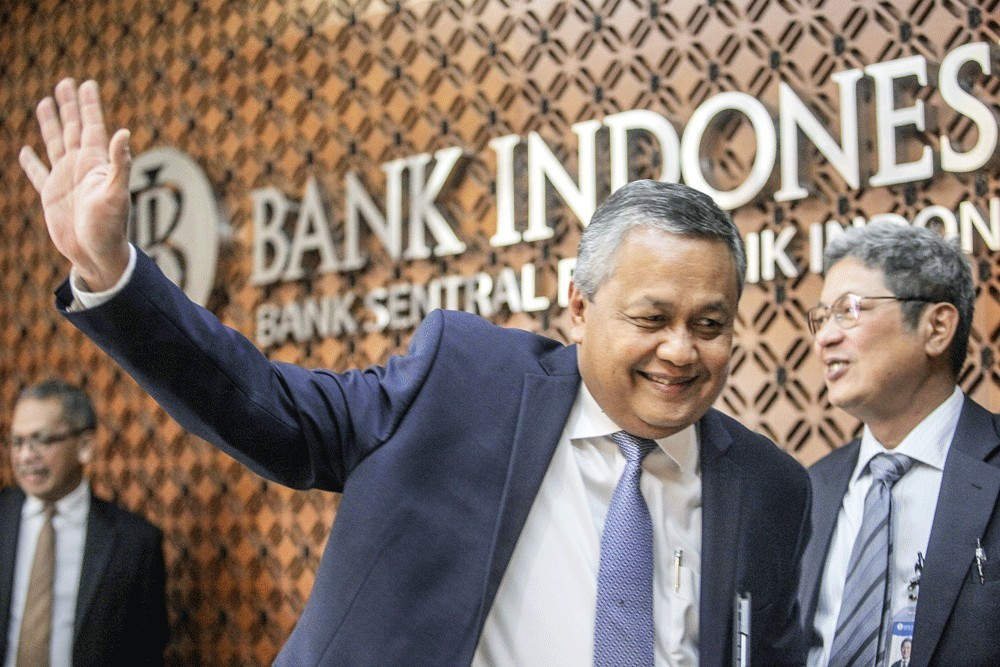
The inclusion of state asset fund Danantara in the Financial System Stability Committee (KSSK) on the same day Perry Warjiyo's exit was announced further fueled concern over political intervention.
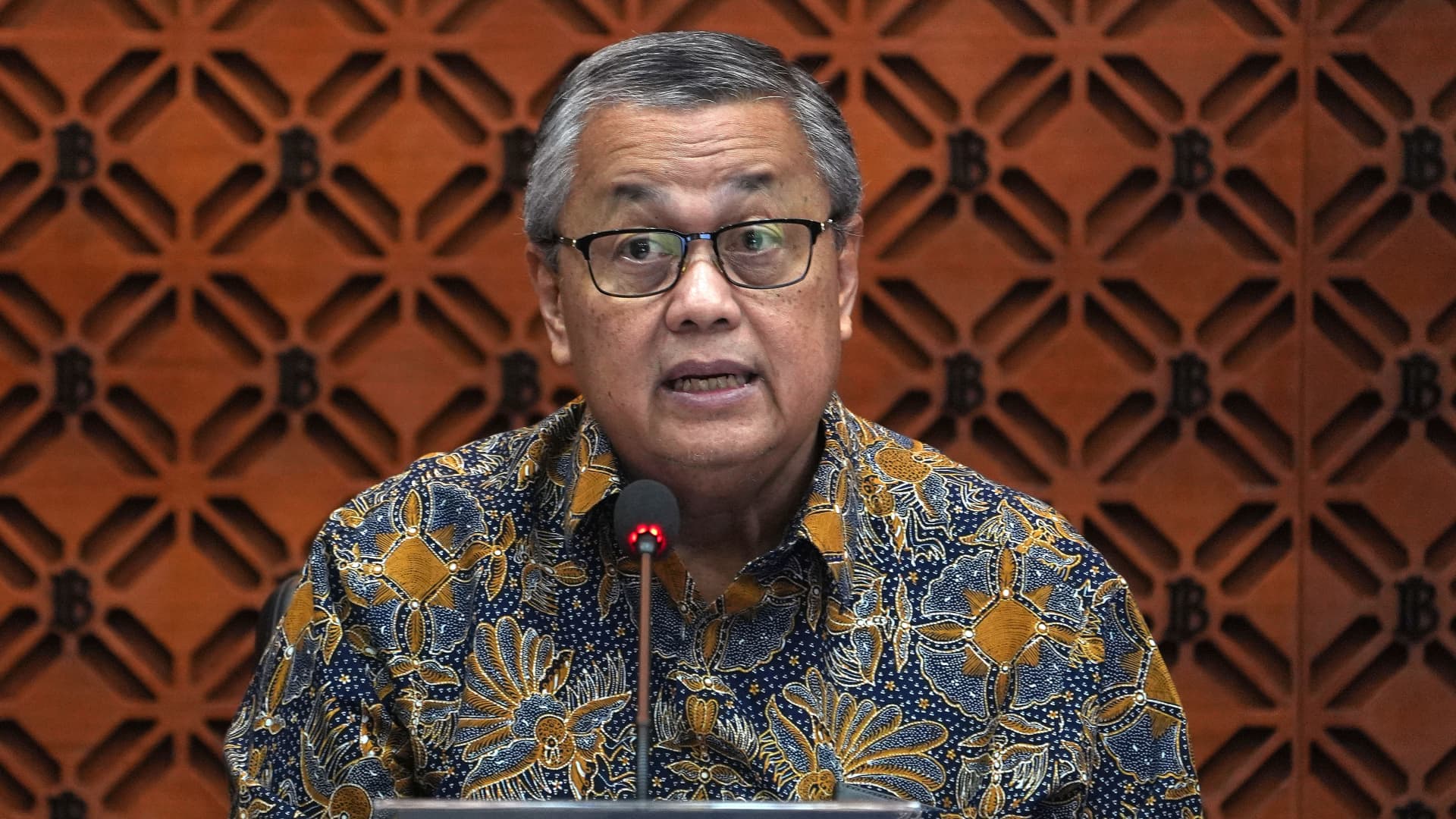
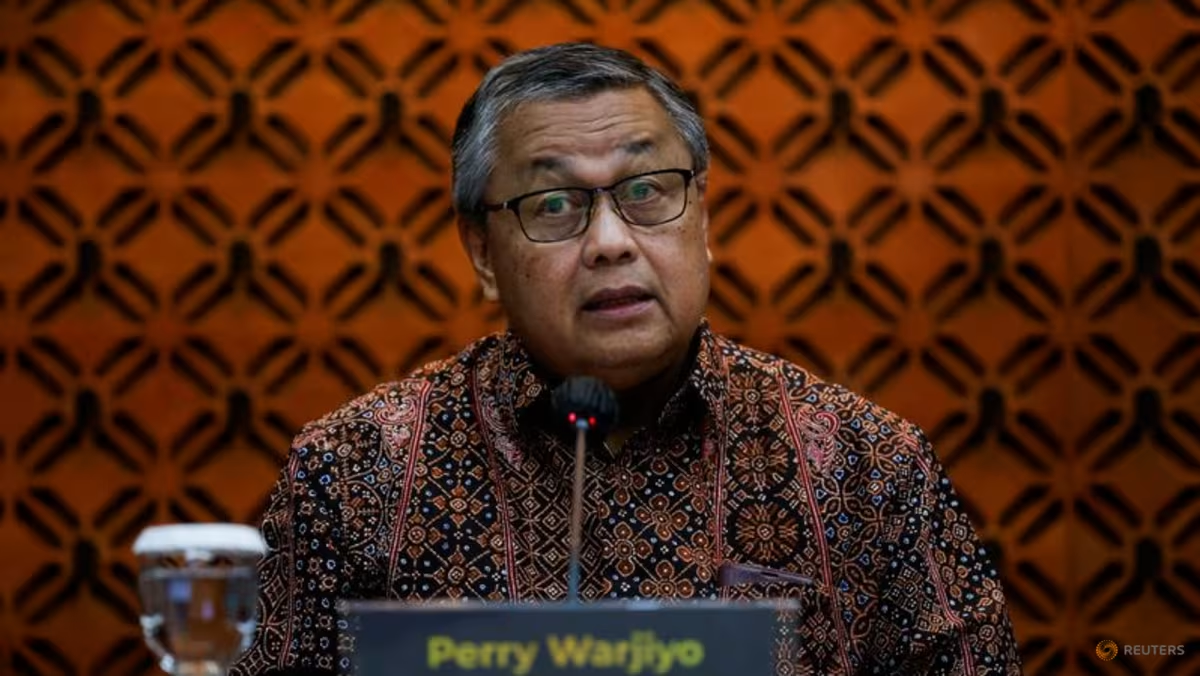
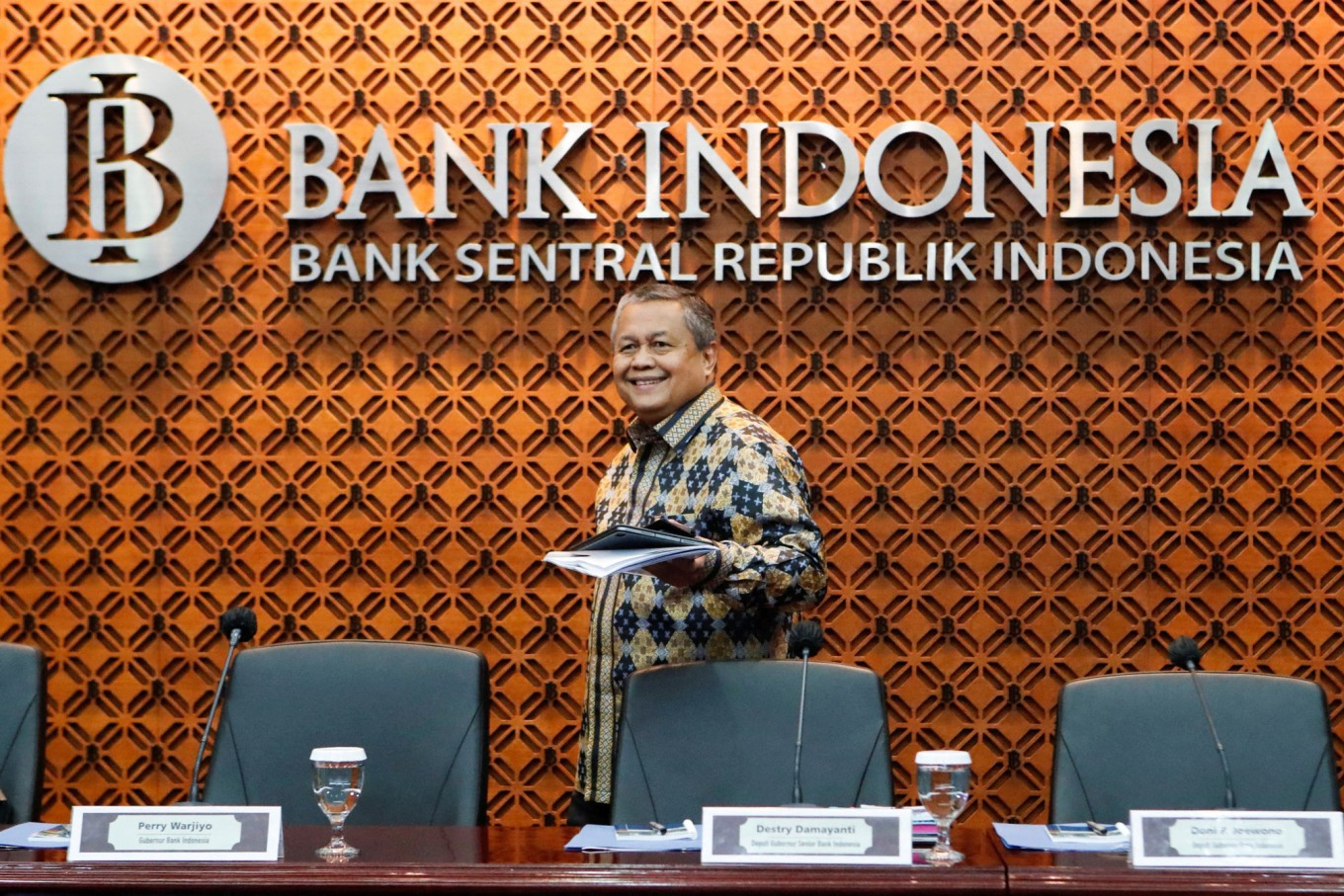
Bank Indonesia (BI) Governor Perry Warjiyo arrives at a media briefing on Jan. 19, 2023, at the central bank’s headquarters in downtown Jakarta. (Reuters/Ajeng Dinar Ulfiana)
Rating agencies have warned that Indonesia’s mounting institutional risks could make assets more volatile after Perry Warjiyo’s sudden resignation from Bank Indonesia (BI) and since the government brought in state asset fund Danantara into the decision-making process of the Financial System Stability Committee (KSSK).Martin Petch, vice president of ratings at Moody’s, told The Jakarta Post on Tuesday that BI’s change of leadership has a bearing on credit implications depending on the “credibility of monetary policy going forward”.
“In the near-term, we may see a response of further volatility in capital flows and the exchange rate while financial market participants assess the future overall direction of macroeconomic and monetary policy,” said Petch.
Moody’s in February reaffirmed Indonesia’s sovereign bond ratings at Baa2 but shaved its outlook from stable to negative over concerns on policy effectiveness and signs of weakening governance.