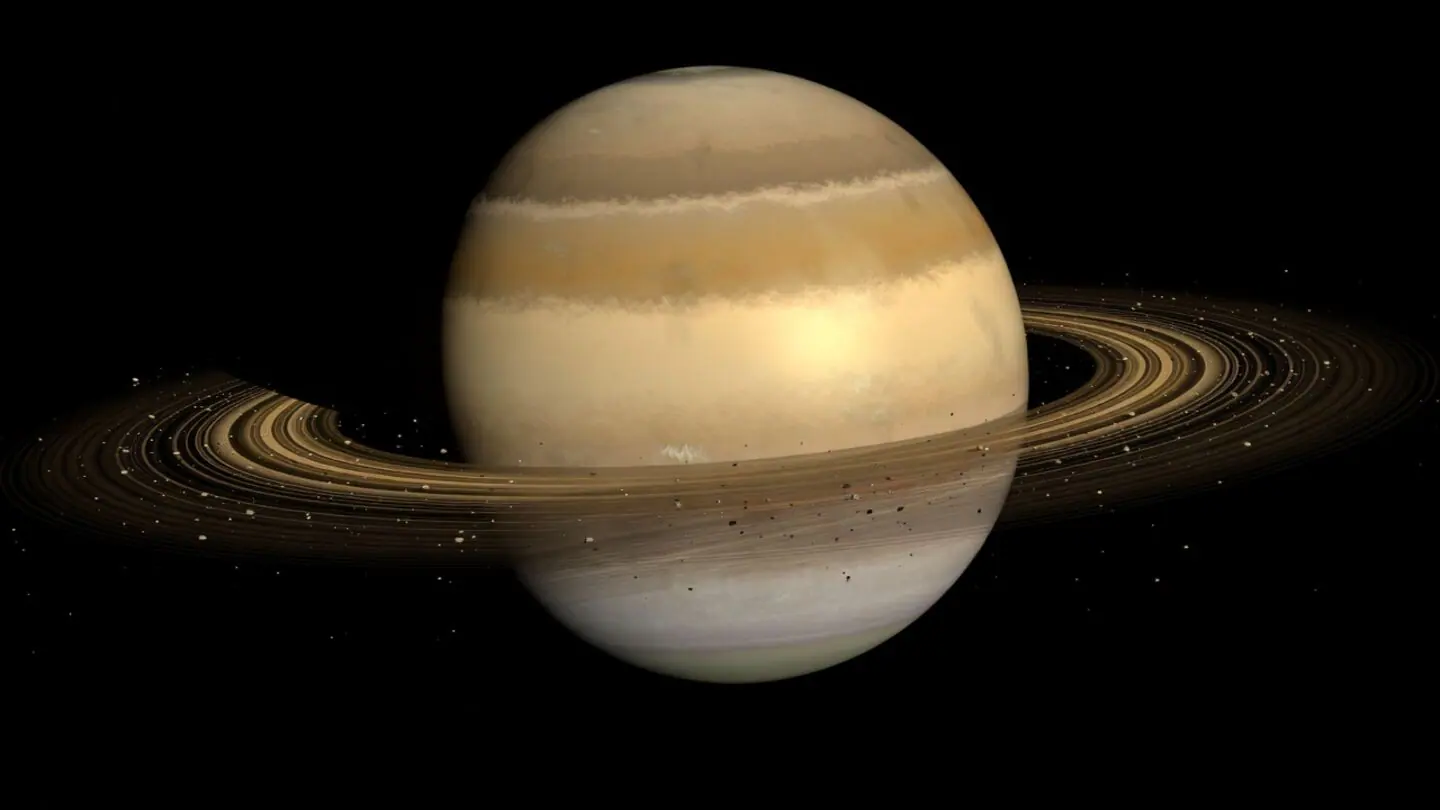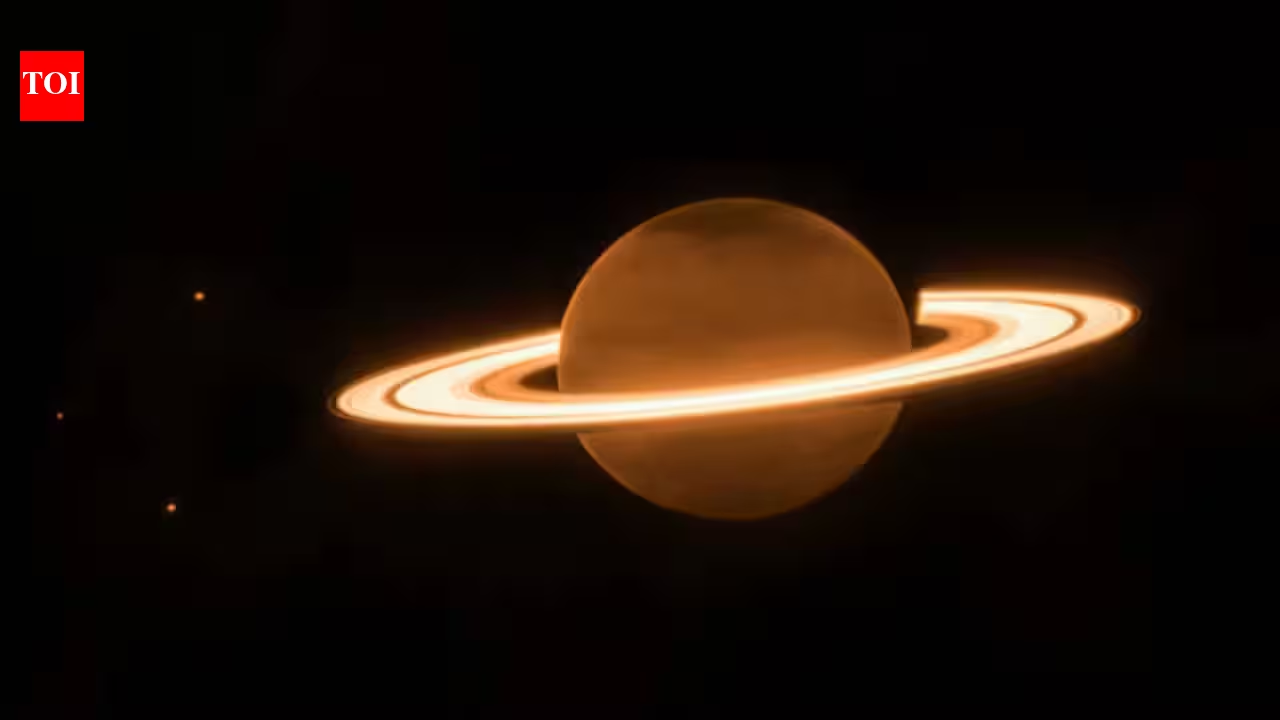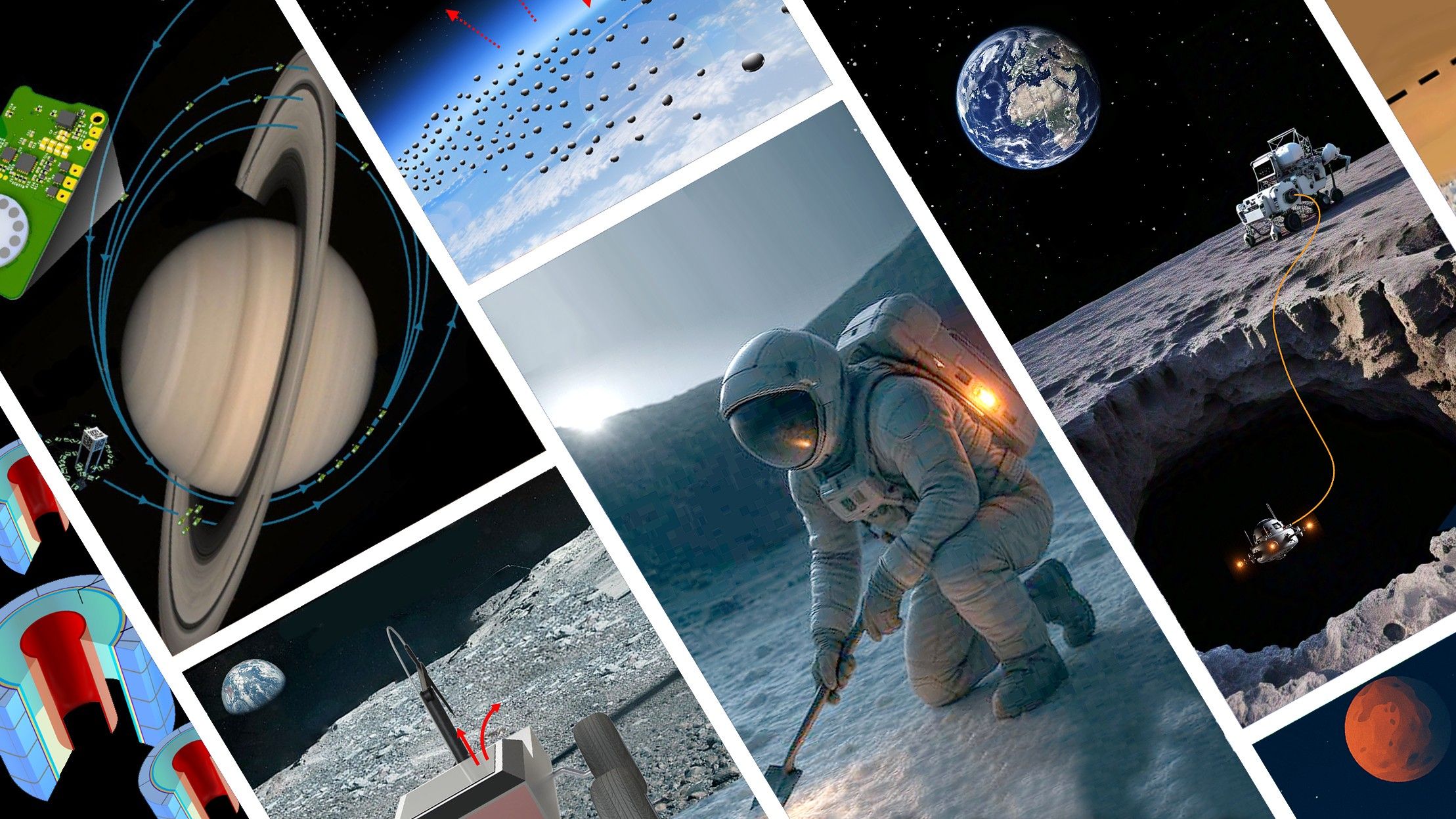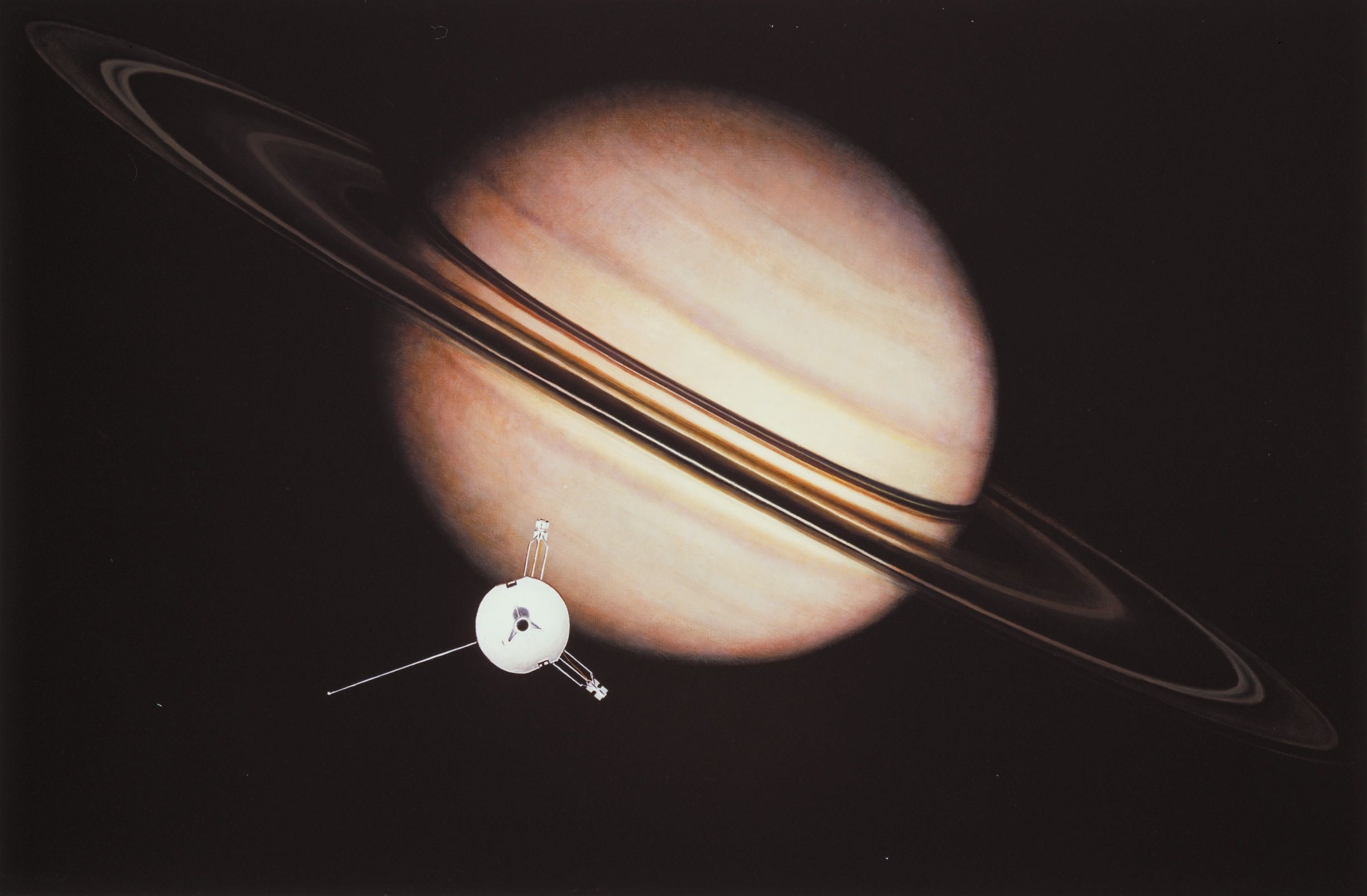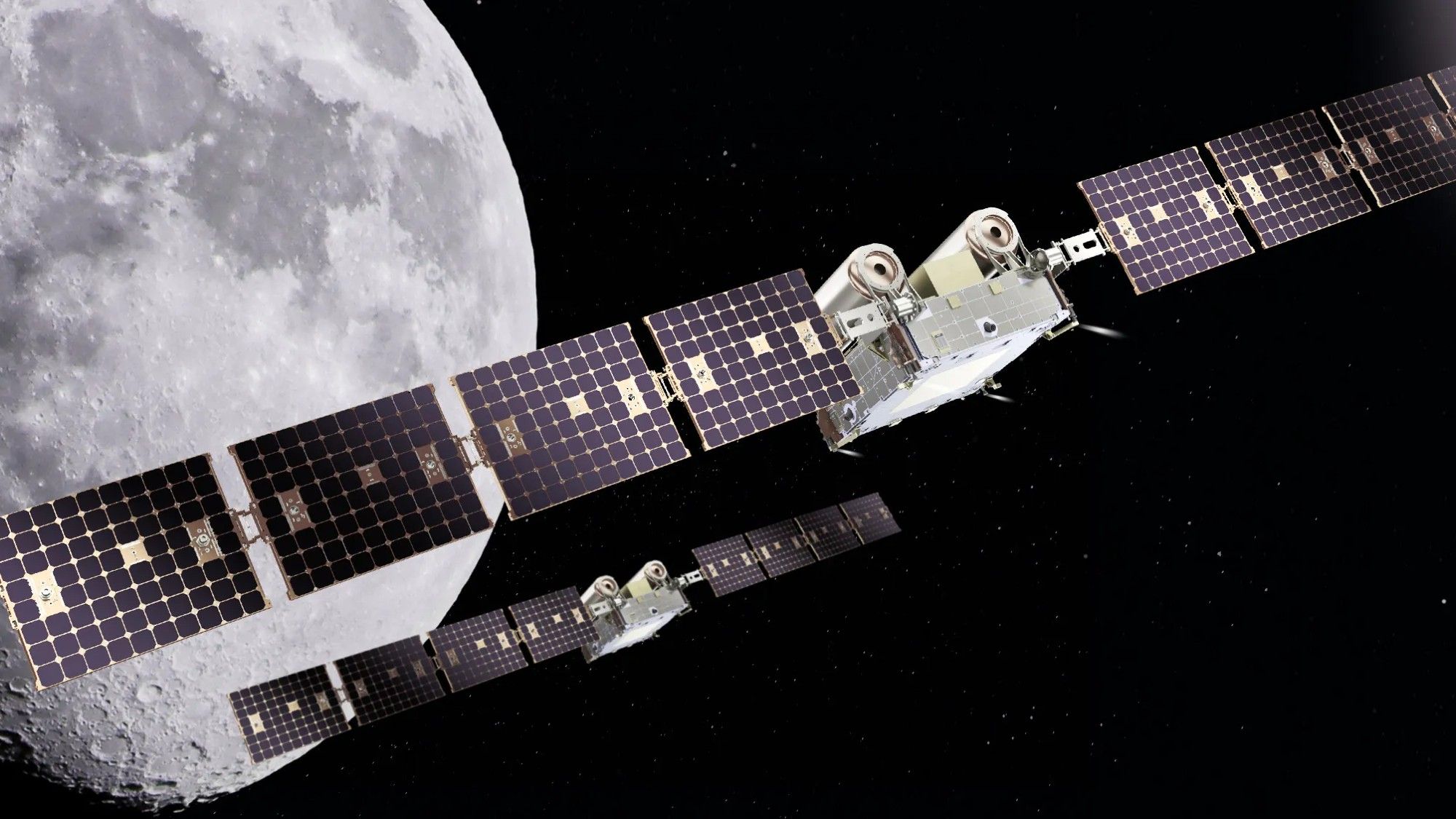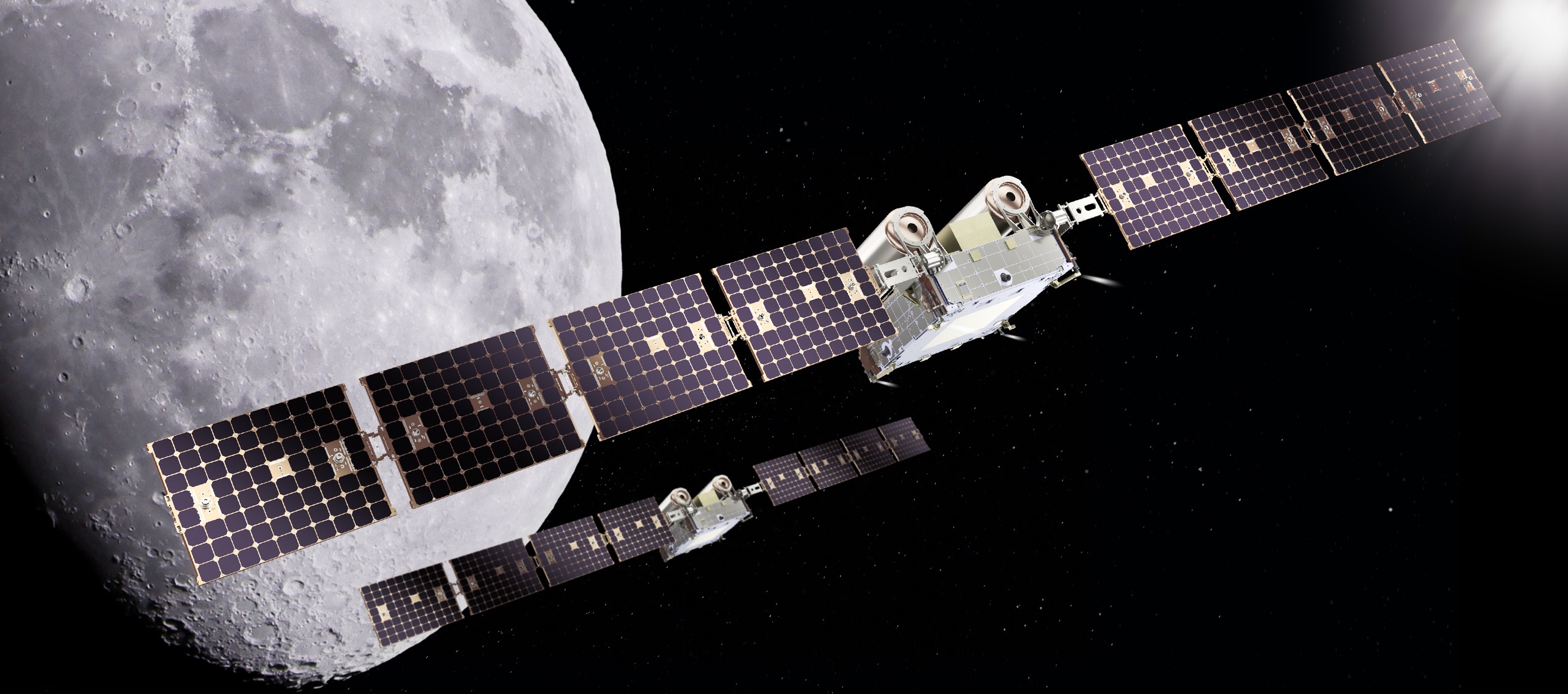
NASA is exploring an ambitious new mission concept that could allow humanity to touch and collect samples from Saturn's rings for the first time. The proposed mission, called PRAXIS (Planetary Rings Autonomous Exploration with In-situ Sampling), would use artificial intelligence to safely navigate the planet's hazardous ring system and retrieve tiny ring particles for onboard analysis. The mission is currently an early-stage concept backed by NASA Innovative Advanced Concepts (NIAC) Phase I funding, meaning it is still in the feasibility study stage and has no confirmed launch date. However, if approved for future development, PRAXIS could answer some of the biggest unanswered questions about the origin, evolution, and composition of Saturn's iconic rings. What is NASA's Mission PRAXIS? Mission PRAXIS is a proposed robotic explorer designed to perform something no spacecraft has achieved before—directly sample particles from a planetary ring system. Unlike NASA's historic Cassini spacecraft, which revolutionized scientists' understanding of Saturn but never physically collected ring material, PRAXIS would fly close to the rings and briefly touch individual particles using a long robotic boom before analyzing the samples onboard. In a blog post, NASA said: "Humanity has never touched the particles of a planetary ring, but if we were able to get close enough and sample them, it will transform understanding of ring structure and origins for Saturn (dense), Uranus and Neptune (tenuous), rings of other objects such as Centaurs Chariklo and Chiron, and even early protoplanetary and circumstellar disks."Why does NASA want to sample Saturn's rings? Despite decades of observations and the groundbreaking discoveries made by the Cassini mission, scientists still do not fully understand how Saturn's rings formed or how they continue to evolve. NASA says many features within the rings—including self-gravity wakes, propeller-shaped structures, density waves, and gap edges—remain largely unexplored at high resolution. Saturn's rings are made primarily of water ice and contain particles ranging in size from microscopic grains to boulders as large as houses. These particles constantly collide, merge, and break apart, creating a highly dynamic environment. By collecting material directly, scientists hope to determine the particles' size, porosity, composition, and physical properties, offering clues about whether the rings formed from the remnants of a shattered moon, captured comets, or material left over from the early Solar System.How AI will help Mission PRAXIS Artificial intelligence is central to the proposed mission because of the enormous distance between Earth and Saturn. Commands from Earth take too long to reach a spacecraft near Saturn, making real-time human control impossible. Instead, PRAXIS would rely on AI-powered autonomous navigation to identify suitable targets, avoid collisions, and perform precise sampling operations. NASA says the system combines AI with bio-inspired robotics and technology adapted from sport casting to capture free-floating particles. After imaging and selecting a target particle, the spacecraft would remain at a safe distance while extending a long, soft robotic boom for a brief "touch-and-go" sampling maneuver. Once the sample is collected, the spacecraft would move to another region or gap within the rings to gather additional material from different locations.What makes PRAXIS different from Cassini? NASA's Cassini mission orbited Saturn for more than 13 years and transformed scientists' understanding of the gas giant and its moons. However, Cassini never directly collected particles from Saturn's rings. PRAXIS would fill that gap by providing the first in-situ analysis of millimeter- to centimeter-sized ring particles, something NASA says Cassini was not designed to do. According to the agency, this capability addresses a key planetary science priority identified in the Decadal Survey and could provide unprecedented insight into the microphysical interactions occurring within the rings.Current status of Mission PRAXIS Mission PRAXIS remains a concept under NASA's NIAC program, which funds early-stage technologies that could enable future space exploration missions. During Phase I, researchers will use simulations and system design studies to demonstrate the mission's feasibility. If successful, a future Phase II could involve building and testing a physical prototype. NASA also believes the technologies developed for PRAXIS could support future missions beyond Saturn, including the planned Uranus Probe, making the project valuable even beyond its primary scientific objectives. While there is no launch timeline yet, the concept represents one of NASA's most ambitious ideas for combining artificial intelligence, autonomous robotics, and planetary science to explore one of the Solar System's most iconic features.
NASA's AI-powered Mission PRAXIS aims to touch Saturn's rings for the first time: Here's how it could solve a decades-old mystery
NASA is exploring a new mission concept called PRAXIS. This robotic explorer aims to directly sample particles from Saturn's rings. Artificial intelligence will enable autonomous navigation and safe particle collection. This mission could answer key questions about ring origins and composition. PRAXIS represents an ambitious step in planetary science exploration.
713 words~3 min read