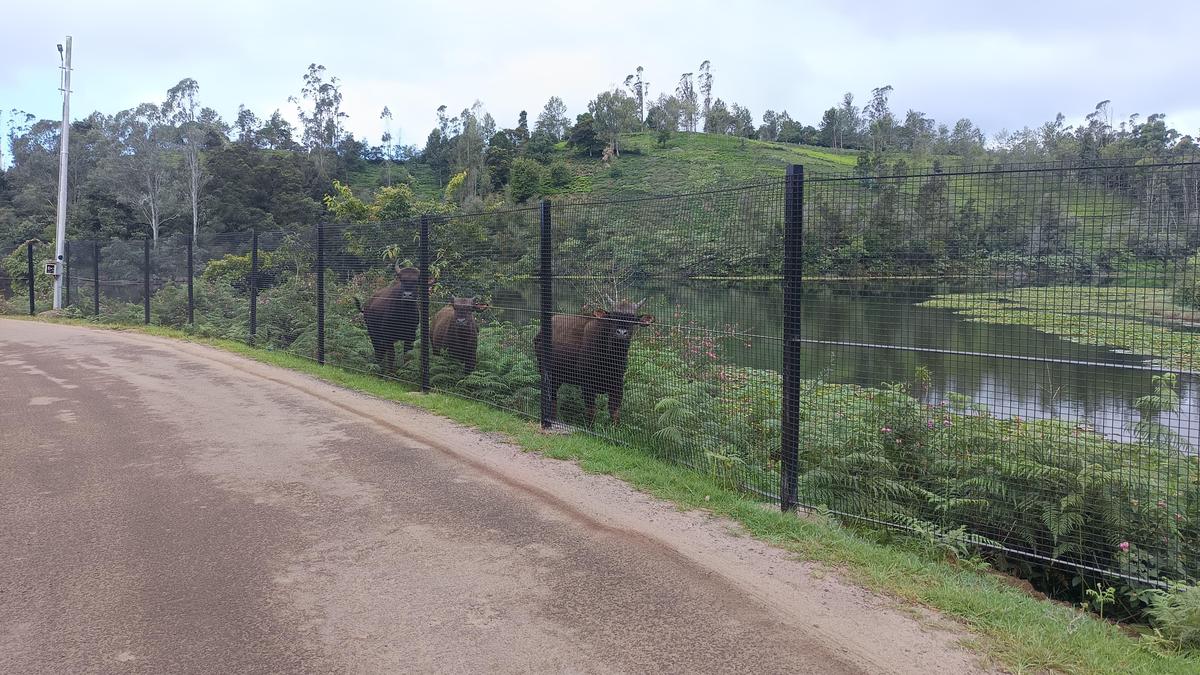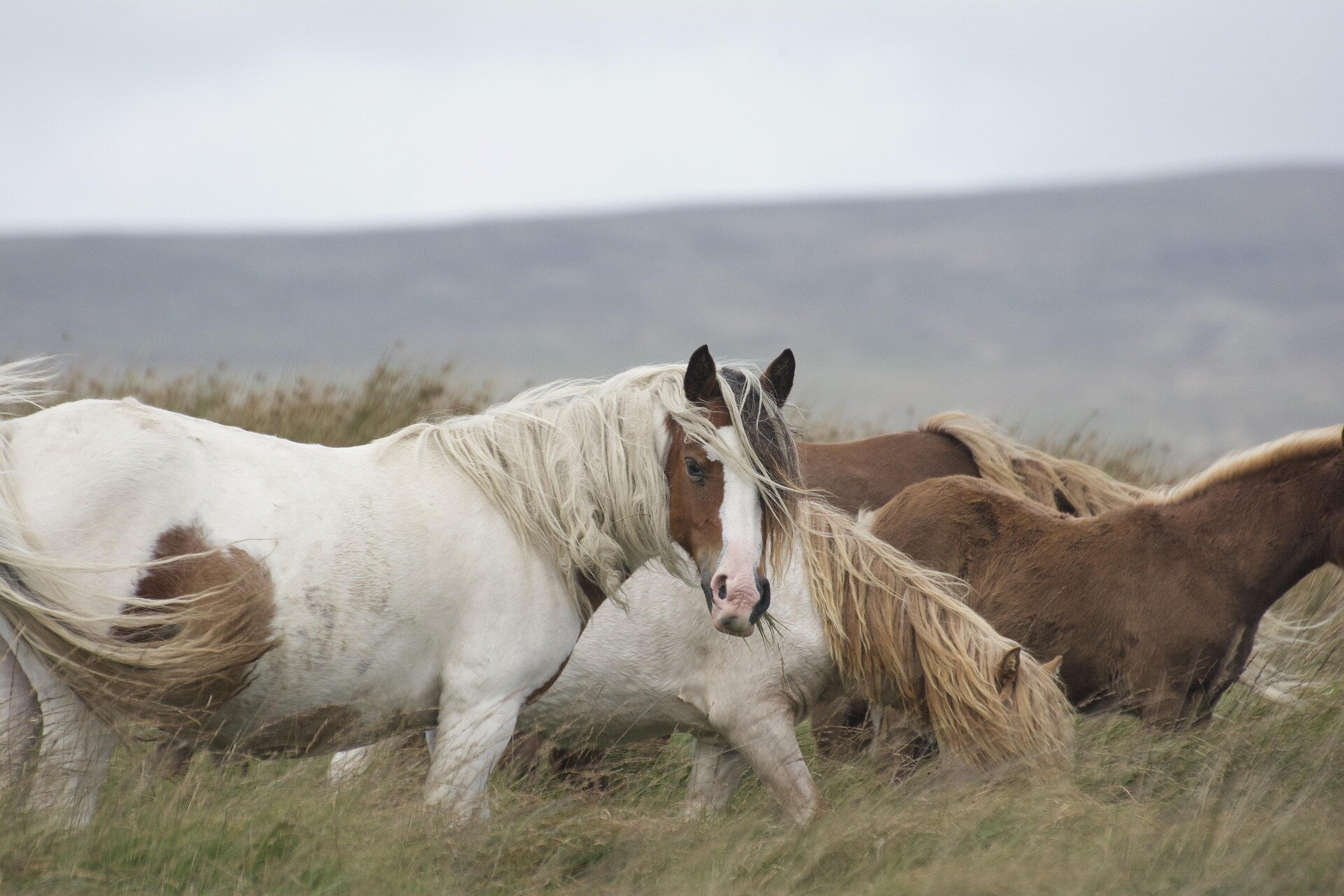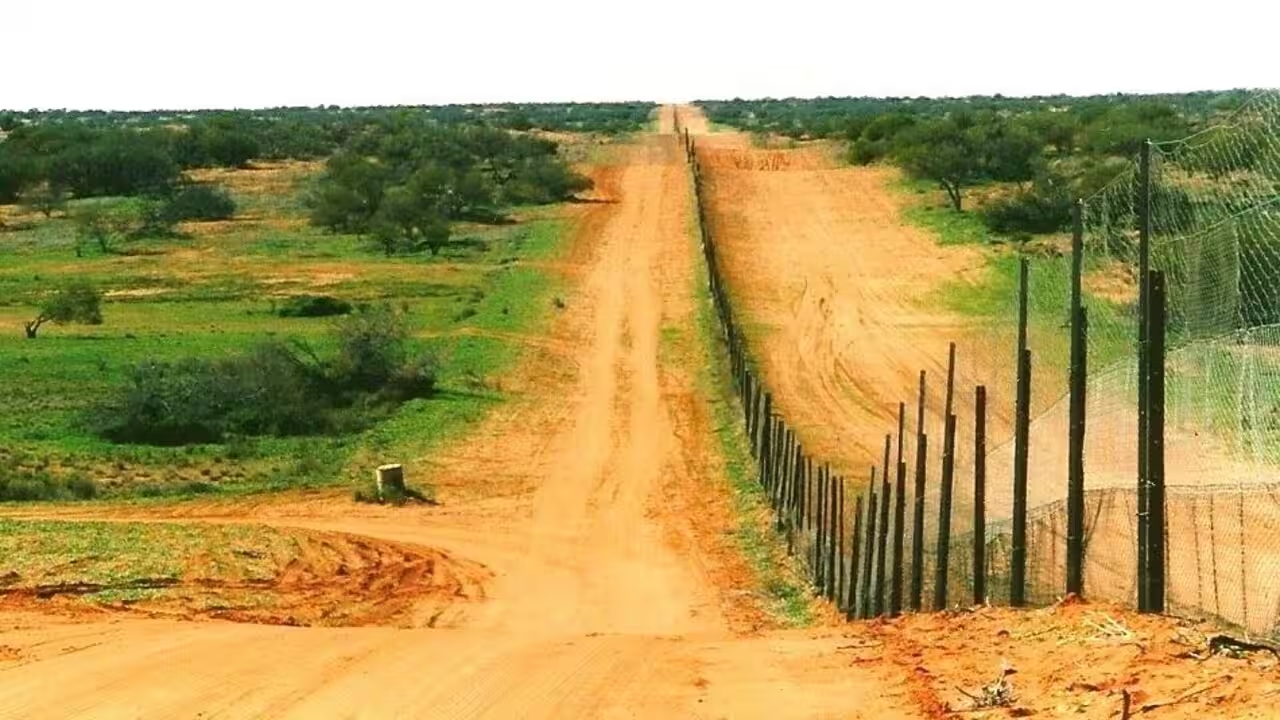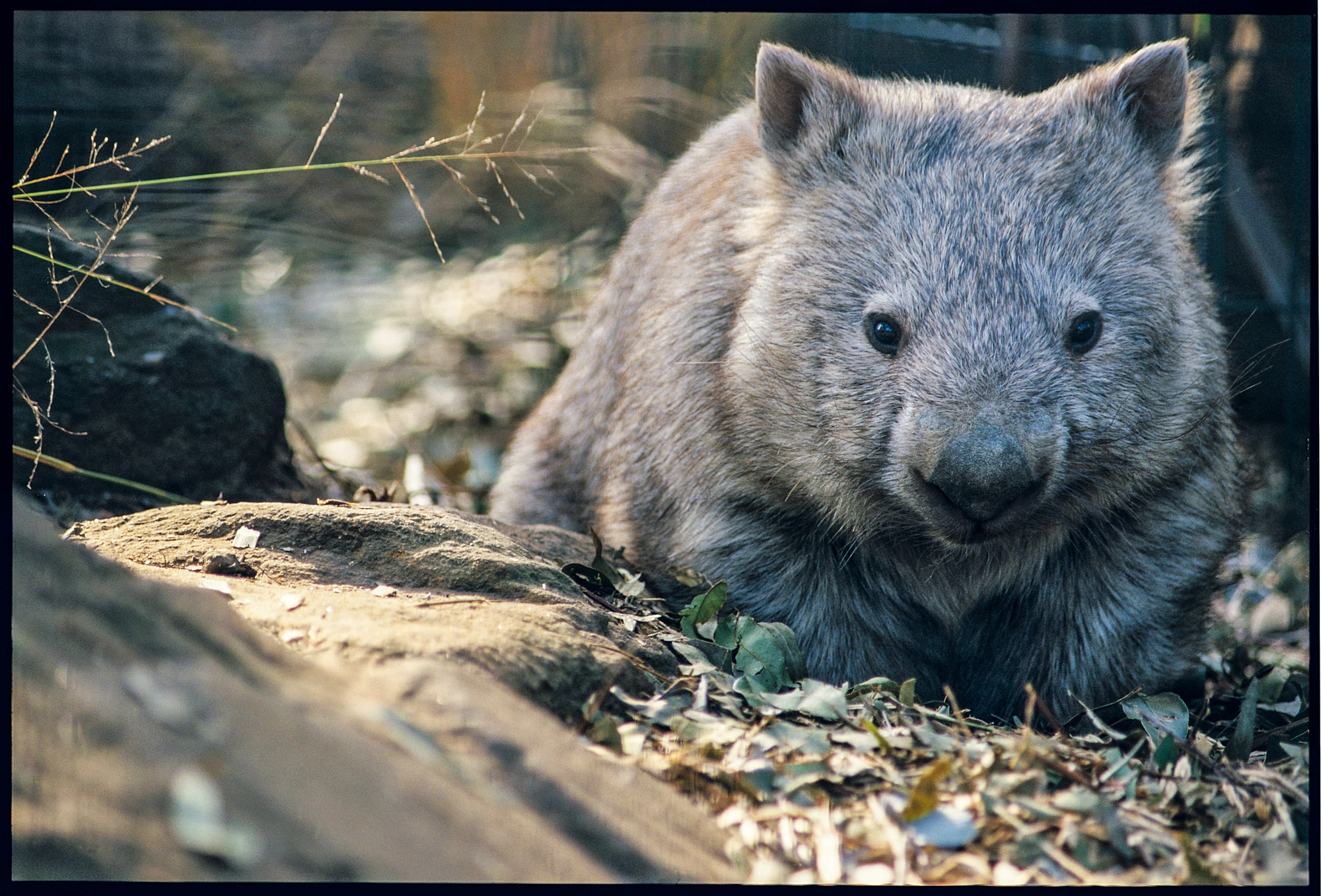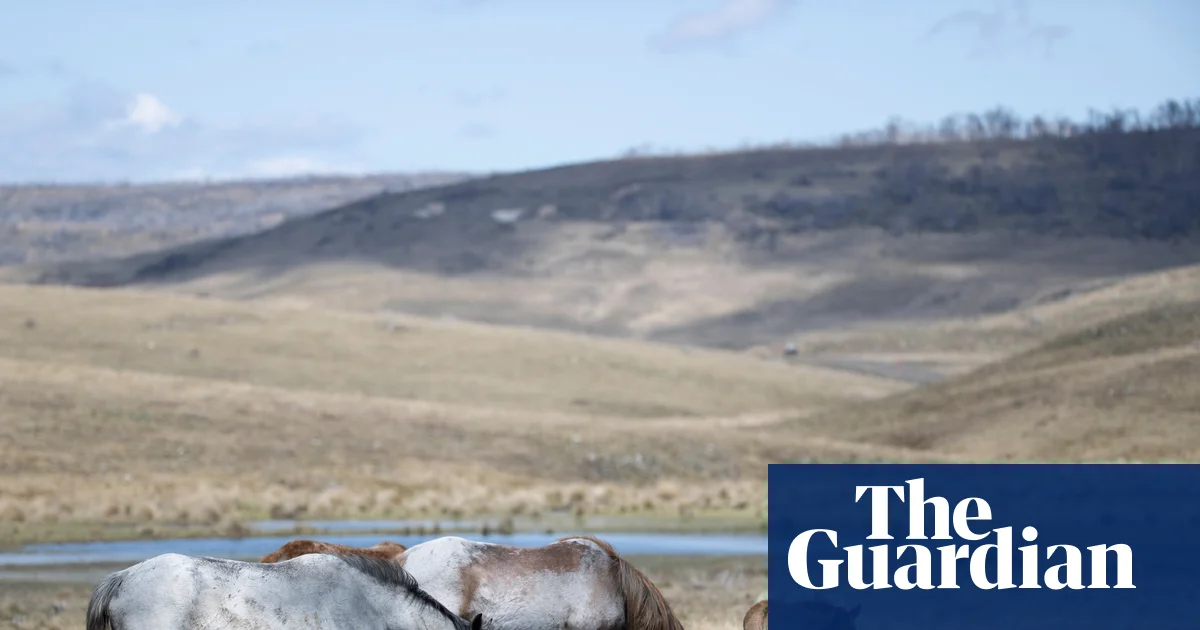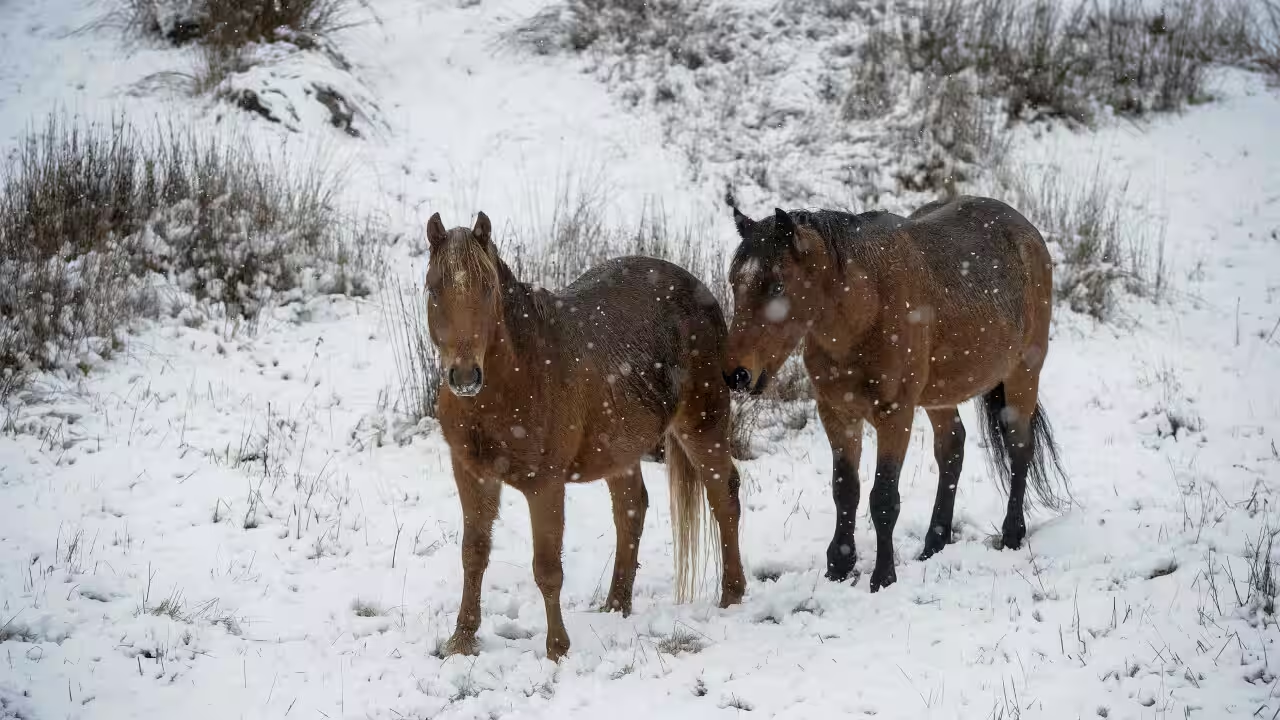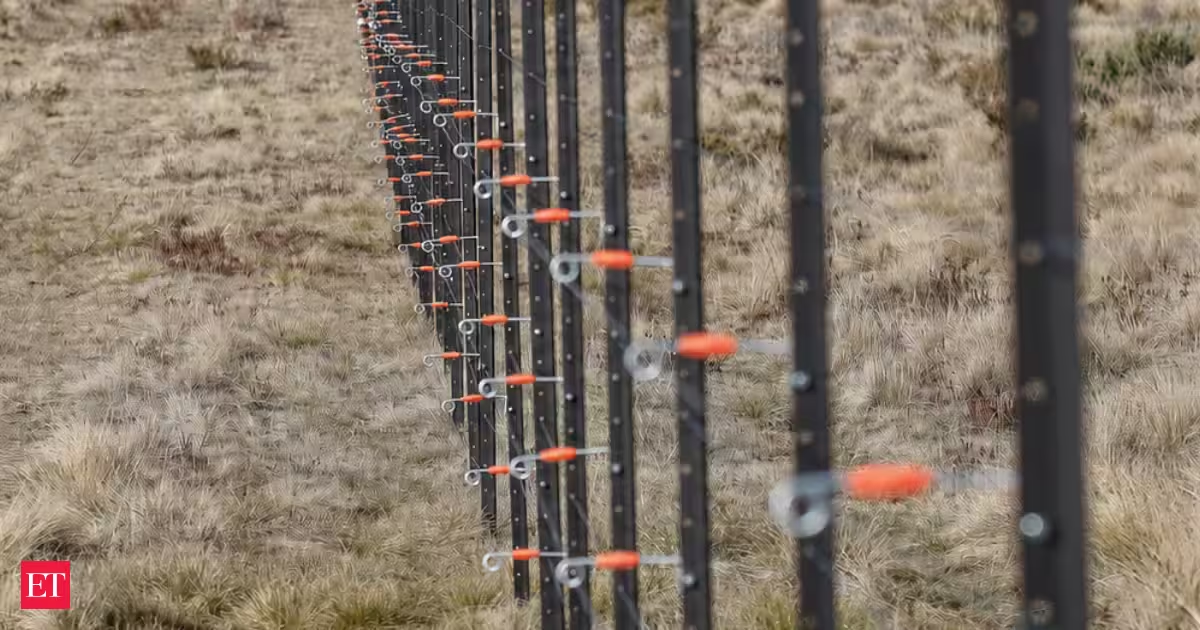
There’s a new fence in the Australian Alps, and it’s got a lot of people asking questions. Region Canberra reports the fence, which cost about A$187,000, was built to keep feral horses out of 108 hectares of endangered alpine wetland inside Kosciuszko National Park, near a place called Wild Horse Plain, north of Kiandra in New South Wales.Why a wetland in Australia should matter to youTo put that size in perspective, 108 hectares is about a third of the size of New York’s Central Park. Small, in other words, but apparently worth defending with an electric fence.The area behind the fence is made up of sphagnum bogs and fens, soggy mats of moss and soil that accumulate over thousands of years, according to Region Canberra. These wetlands soak up water, slowly release it into alpine streams, and their peat layers preserve a natural record of past plants and fires. A government technical report cited in that same report found that these peat-forming bogs are genuinely rare and cover only up to 2.5% of the higher-altitude land inside the park.Three animals that live nowhere elseThis wetland is home to three threatened species: the broad-toothed rat, the northern corroboree frog and the stocky galaxias, Region Canberra noted.The stocky galaxias is the most vulnerable of the three. According to the NSW Department of Primary Industries, it’s a critically endangered fish, about 3 inches long, and only known from two tiny wild populations, both within the park.Feral horses, or "brumbies," have long roamed Kosciuszko National Park's high country. Image Credits: Wikimedia CommonsThe northern corroboree frog is also restricted. It is a small, critically endangered frog species with green and yellow skin and dark stripes that exists only in a small pocket of southeastern Australia, the NSW Threatened Species Scientific Committee states.What the horses are actually doing to the groundBrumbies, as feral horses are known in Australia, are not native to this landscape, and their hooves can damage soil and vegetation used by native wildlife.According to a 2023 study titled ‘RMIT study suggests link between feral horses and peatland carbon emissions,’ published in the Journal of Environmental Management by researchers Sarah Treby and Samantha Grover, wetland sites within the same park where feral horses had been present released significantly more carbon dioxide than sites where horses were not present, and peatlands without horses stored almost 50% more carbon overall. Bare, trampled ground emitted carbon dioxide at much higher rates than ground that still had living moss on it.The impact also matters at a broader scale. The Western Advocate says peatlands make up just 3 per cent of the world's land surface but hold an estimated 30 per cent of its soil carbon, roughly twice the amount stored in all the world's forests combined. So the damage to even one small wetland is not just a local story.A quiet corner of the Australian Alps, now home to one of the park's most talked-about fences. Image Credits: The Last Stand Australian Heritage Brumbies United Group/FacebookThis isn't the only fence of its kindFences aren't a new tool for conservation in this park system. According to Region Canberra, a much larger electrified enclosure, of about 2,080 hectares enclosed in a 25-kilometer fence, already exists at a site called Nungatta, as part of a wider network built to keep out introduced predators and help native species recover.There's also a connection worth clearing up. Region Canberra notes that the Wild Horse Plain fence has no direct link to Snowy 2.0, which is being built nearby. But the fence was funded with biodiversity offset money linked to that project. Separately, Snowy Hydro has built a fish barrier on Tantangara Creek to keep invasive fish out of stocky galaxias habitat.The bigger pictureFeral horse management remains controversial in Australia, and there is much debate over how many horses should be left in the park and how this should be decided. But the logic of this particular fence is small and pretty simple: this slice of wetland is rare, it is home to species that live nowhere else on Earth, and horse damage has a measurable impact on how much carbon it can hold.Sometimes the strangest, tiniest-sounding infrastructure project is protecting something bigger than it looks.
Australia built an A$187,000 electric fence across wild horse country; inside lies an endangered alpine wetland supporting three threatened animals
A new electric fence in the Australian Alps aims to protect an endangered alpine wetland and its three threatened species from feral horse damage. Built at a cost of A$187,000, this project emphasizes the importance of ecological preservation.
701 words~3 min read