Tuesday 28 July 2026 1:48 pm
London is the only major city where e-bikes are regulated indivually
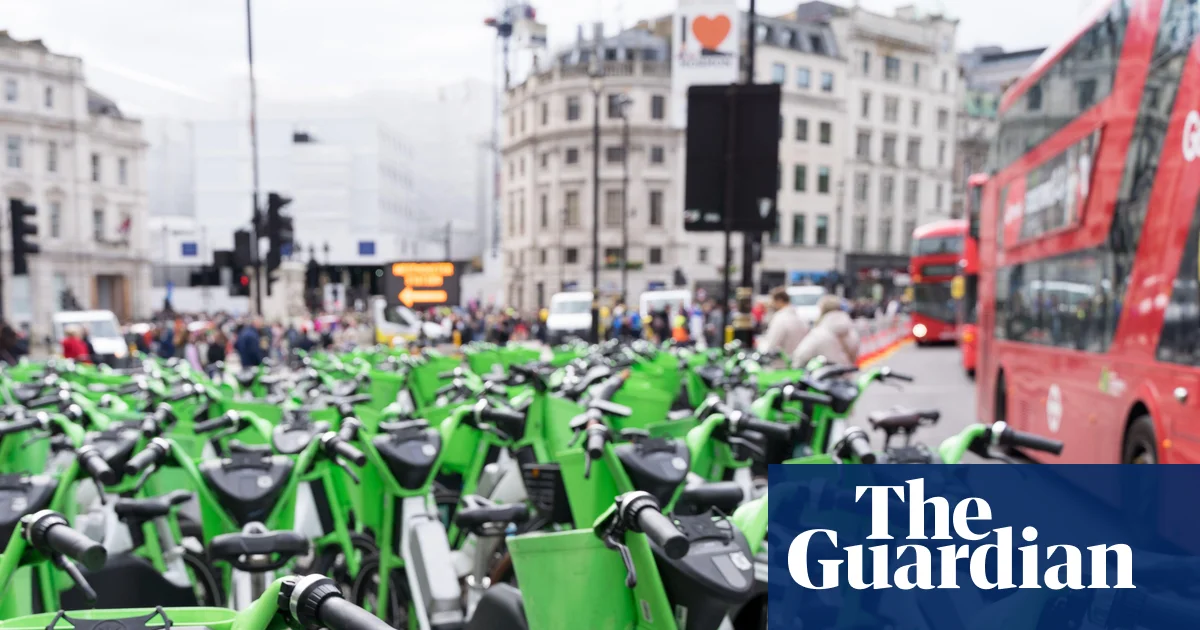
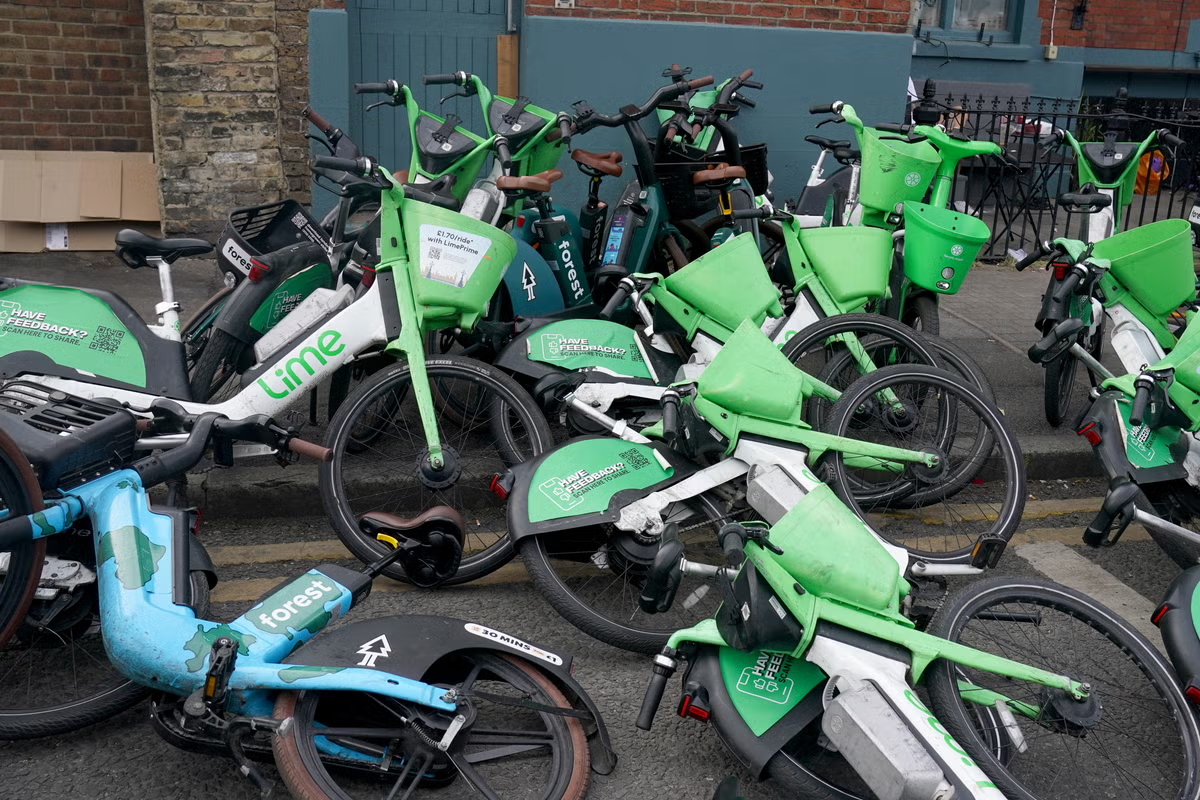
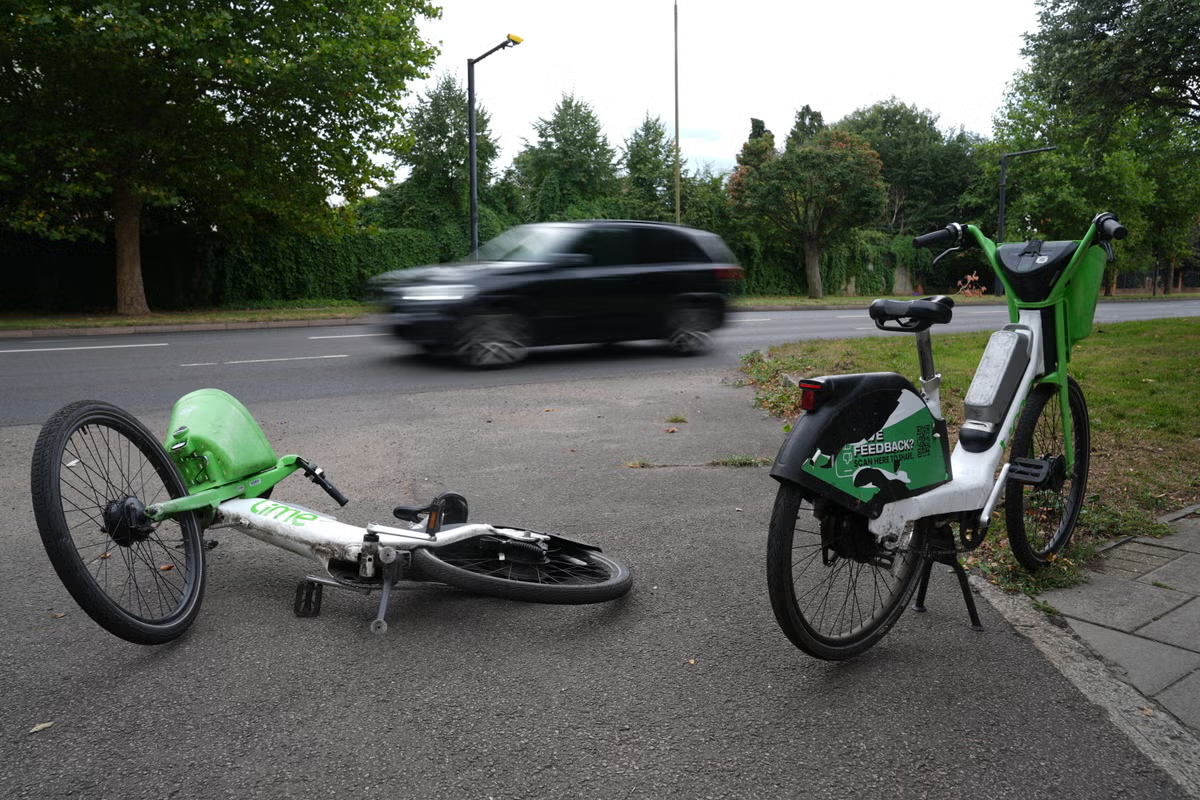
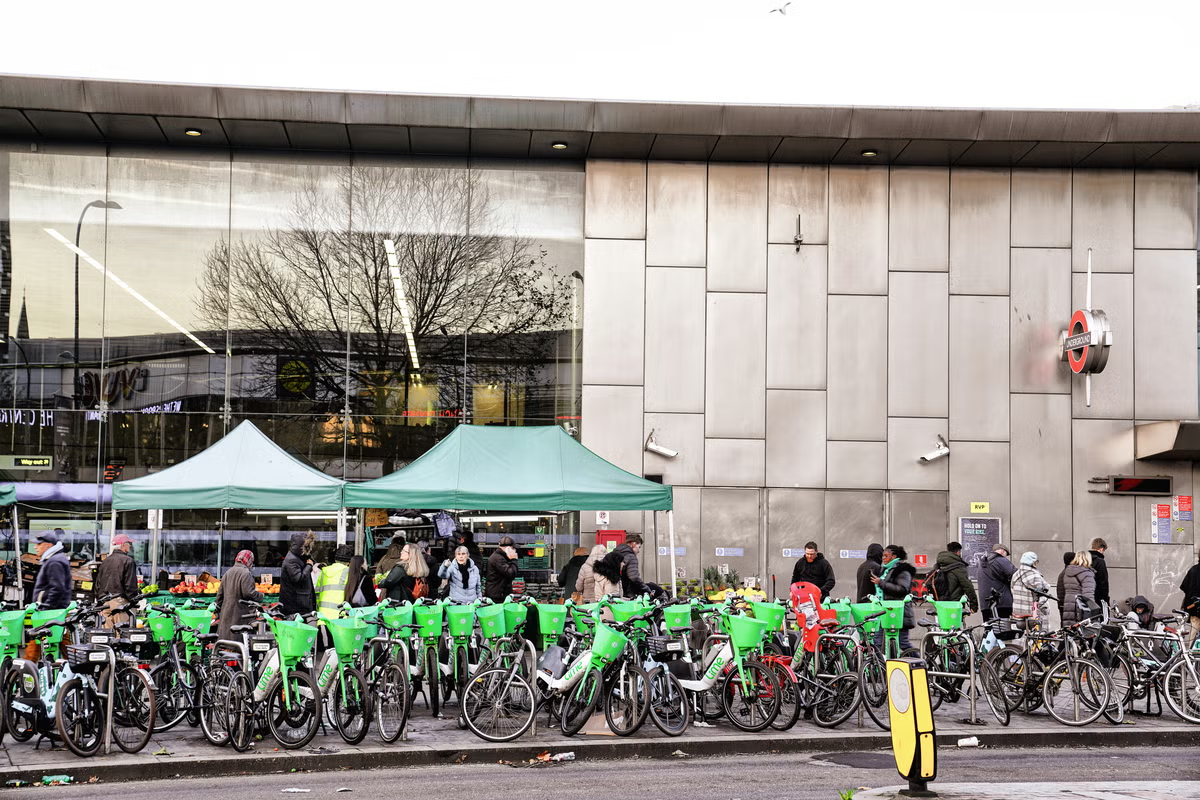
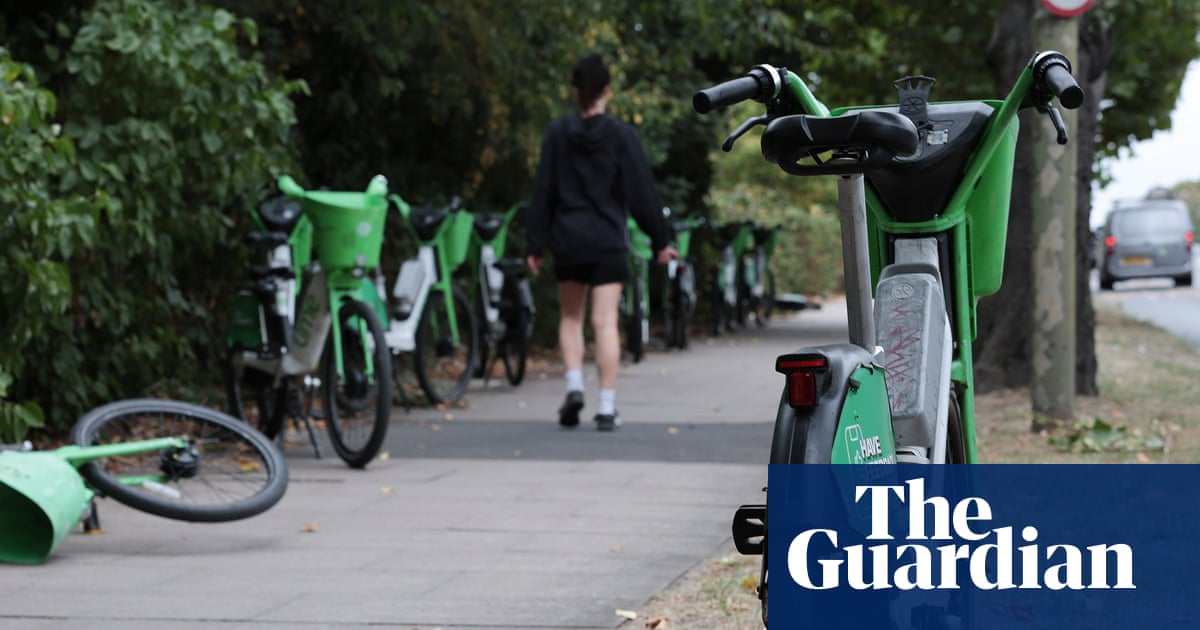
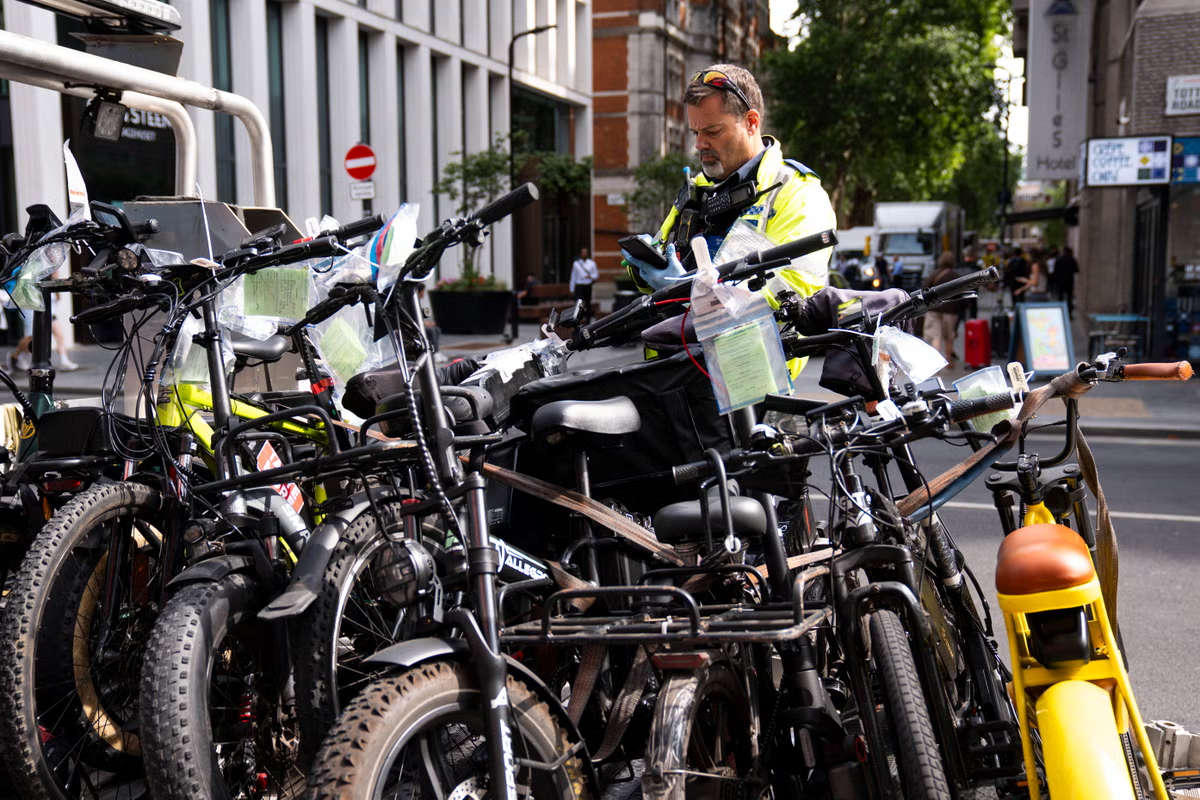
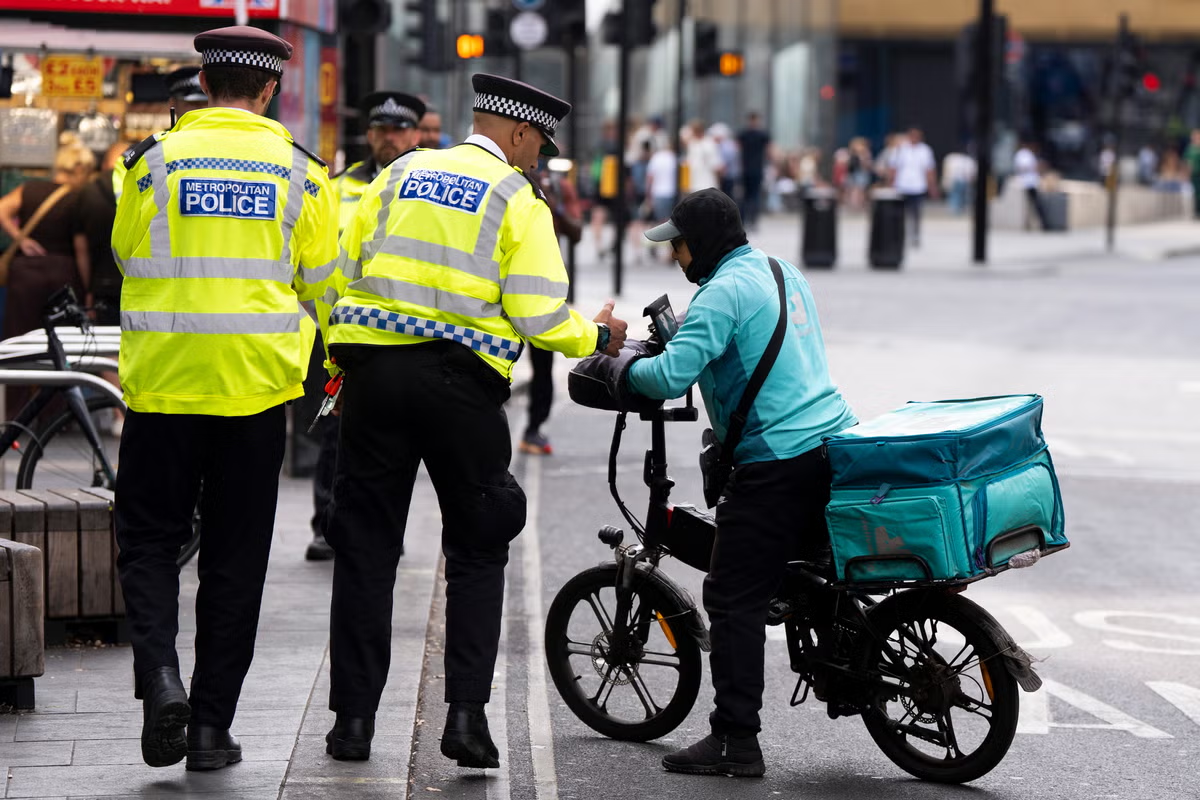
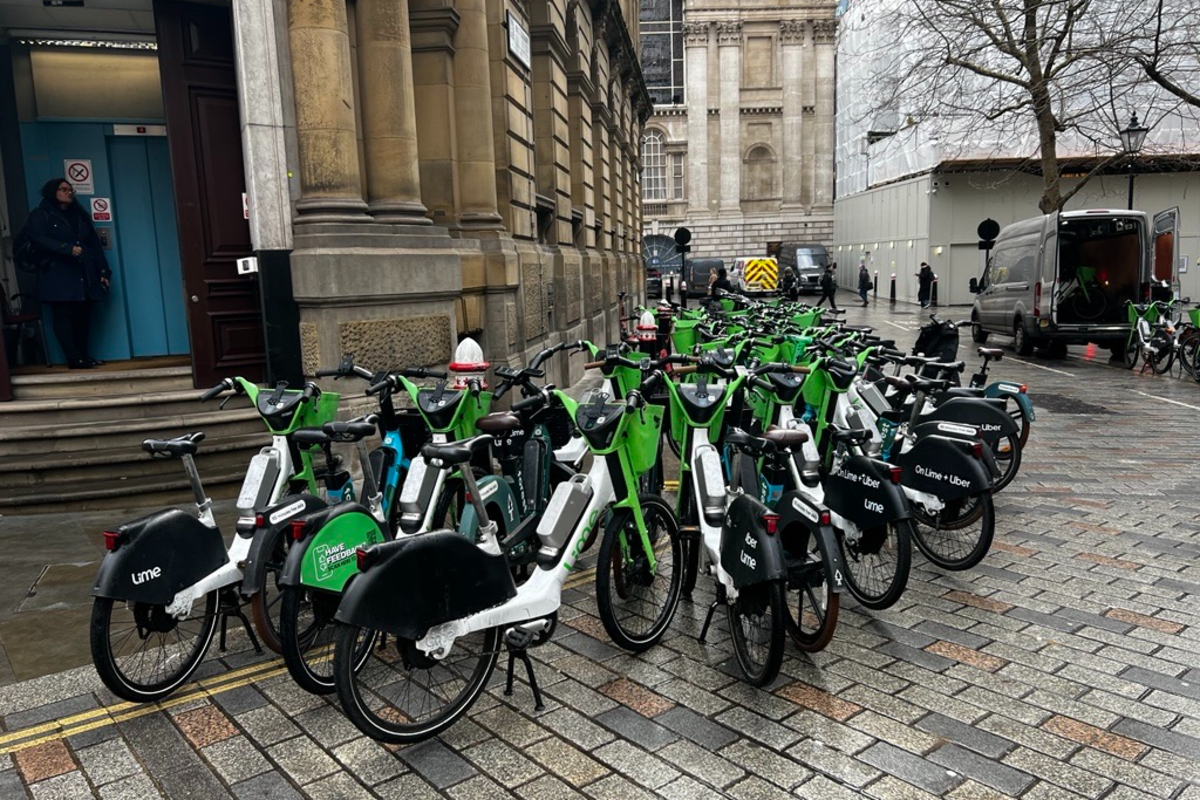
Cash-strapped London boroughs are squeezing e-bike operators with steep fee rises and growing enforcement charges, as the industry’s heavyweights warn councils are increasingly treating them as a cash cow.One London borough increased annual operating fees more than five-fold in a single year without adding any extra parking bays, according to figures seen by City AM.Across the capital, operators say charges have risen by as much as 15,100 per cent since 2022, while investment in parking infrastructure has failed to keep pace.The warnings come as Transport for London (TfL) prepares to take over regulation of London’s fragmented dockless bike market through a single licensing scheme, replacing the current patchwork of borough-by-borough agreements.Operators argue the current model is becoming financially unsustainable, with councils demanding annual licence fees, revenue-sharing agreements, low promotional fares and enforcement charges while failing to invest in the parking infrastructure needed to reduce pavement clutter.London Councils rejected the suggestion that boroughs were using e-bike schemes to raise money.Councillor Paul Osborn, London Councils’ executive member for transport and environment, said it was important that operators “contribute appropriately to managing their impact on public space”.He said revenue from operator fees and enforcement action helps boroughs manage e-bike schemes, including funding dedicated parking bays and council officers working to keep streets “clear and safe for residents”. Boroughs receive no additional funding from central government for the work, he added.Osborn said London Councils was working towards a more consistent approach across the capital, but argued: “Any move towards increased standardisation should balance consistency with room for boroughs to address those needs locally.”A person familiar with the sector warned the pressure risked a “Zipcar-style” outcome, with operators eventually forced to withdraw from parts of London if costs continue to rise.Figures seen by City AM show one borough increased annual operator fees by 403.6 per cent between 2024 and 2026 while expanding parking bays by just 46 per cent.Another raised fees by 277.2 per cent while increasing parking infrastructure by only 6.3 per cent, and a third increased charges by 166.7 per cent.City AM understands another operator faced permit and compliance costs of more than £80,000 before deploying a single bike in the City of London, alongside enforcement fines of around £10,000 a month for each issue area.Operators say the financial burden is compounded by tender requirements that can include discounted £1 fares, annual licence fees, a share of ride revenues and penalties for impounded bikes.People familiar with the matter also questioned how some borough tenders are assessed, saying councils can award contracts based largely on the percentage of revenue offered without requiring bidders to demonstrate how much revenue they are actually likely to generate.“A smaller revenue share from a busier operator could be worth considerably more than a larger share from one with fewer rides,” a person close to the matter told City AM.The concerns come after Kensington and Chelsea council leader Elizabeth Campbell boasted at the Conservative Party conference that the authority had opened “a new revenue stream” by seizing badly parked rental bikes.“We impound them and Lime have to pay us. We’ve fined Lime £50,000 over the last two weeks which is pretty good,” Campbell said, according to London Centric.Calls for greater transparencyOperators say the current system rewards councils for hiking prices rather than increasing parking capacity.Some borough contracts require companies to pay annual licence fees, hand over a share of ride revenue, fund discounted fares and cover the cost of impounded bikes.City AM understands operators also question procurement processes that place emphasis on the percentage of revenue offered to councils, rather than projected ridership.Christina Moe Gjerde, vice-president of Northern Europe at Voi, said rising costs were making it harder for operators to invest despite surging demand.“The opportunity is big and operators want to invest millions in a market they see huge potential”, she told City AM. “However, increased costs and rules that vary from borough to borough make it increasingly hard to deliver the investment we want to make”.She added that councils should be clearer about how operator fees are spent.“Where boroughs are charging significant fees, there should be greater transparency around how that money is used”, she said, adding that revenue should be reinvested into parking infrastructure and scheme management.Kensington and Chelsea said its e-bike enforcement programme operates on a cost-neutral basis and generated £135,614.80 from recovery and storage charges during 2025. It also cited storage costs, officer deployment and administration as reasons to inlfate costs. The borough added that it supports a London-wide licensing scheme in principle, subject to further detail on funding and enforcement.TfL takeoverLondon is currently the only major city where dockless bikes are regulated individually by boroughs rather than under a single city-wide framework.But the government is to allow Transport for London (TfL) to replace the current system with a single licencing regime across the capital. “A consistent, London-wide regulatory framework is what allows operators to invest for the long term, rather than negotiating market access borough by borough,” a Bolt spokesperson told City AM.“We’ve seen permit and compliance costs vary sharply between boroughs, and that unpredictability is what restricts investment, not the cost of operating well-used services.”Alice Pleasant, senior public affairs manager at Lime UK and Ireland, said operators recognised councils were under financial pressure but warned the current system was making cycling less attractive.“The most important consideration for councils when selecting a provider is whether they can deliver a high-quality service for residents that is affordable and accessible”, she said.“Our concern is that a fragmented, borough-by-borough model with different agreements, operators and rules risks making cycling less convenient and, ultimately, less attractive for Londoners.”Pleasant pointed to Richmond, where riders crossing the borough boundary can be forced to switch bikes and apps, highlighting how differing council rules create friction across London.Ealing Council said it supports legislation allowing the transport body to oversee a single rental e-bike contract. A spokesperson told City AM: “It will simplify the current system and help ensure residents receive a more consistent service across London.”TfL also backed the reforms, saying legislation would allow it to replace the current “patchwork” approach with a London-wide licensing scheme.“This would provide the future ability to replace the existing patchwork and borough-by-borough approach with a consistent licensing scheme for London”, a TfL spokesperson said.City AM understands the Department for Transport is expected to bring the necessary powers into force within the next 12 to 18 months.