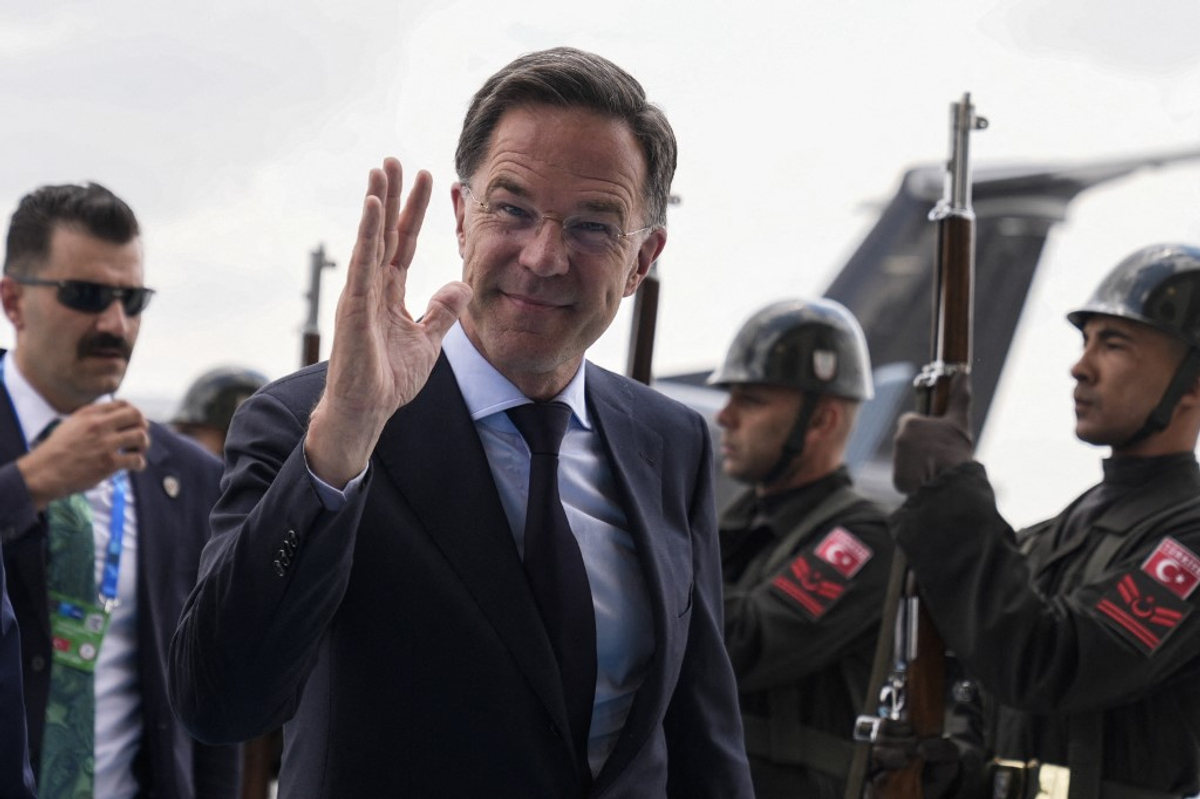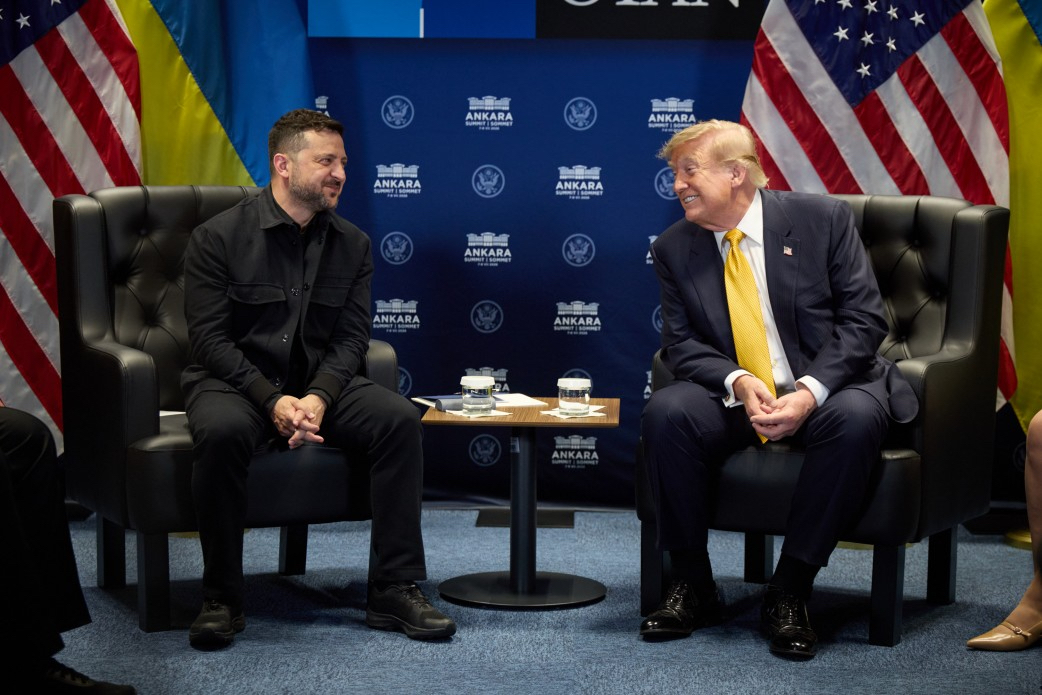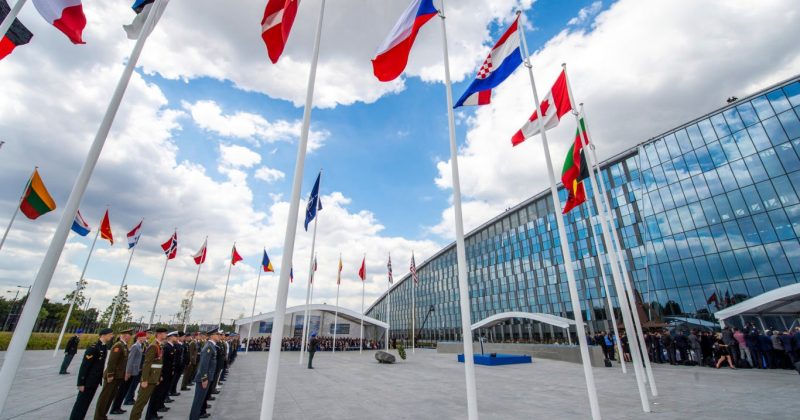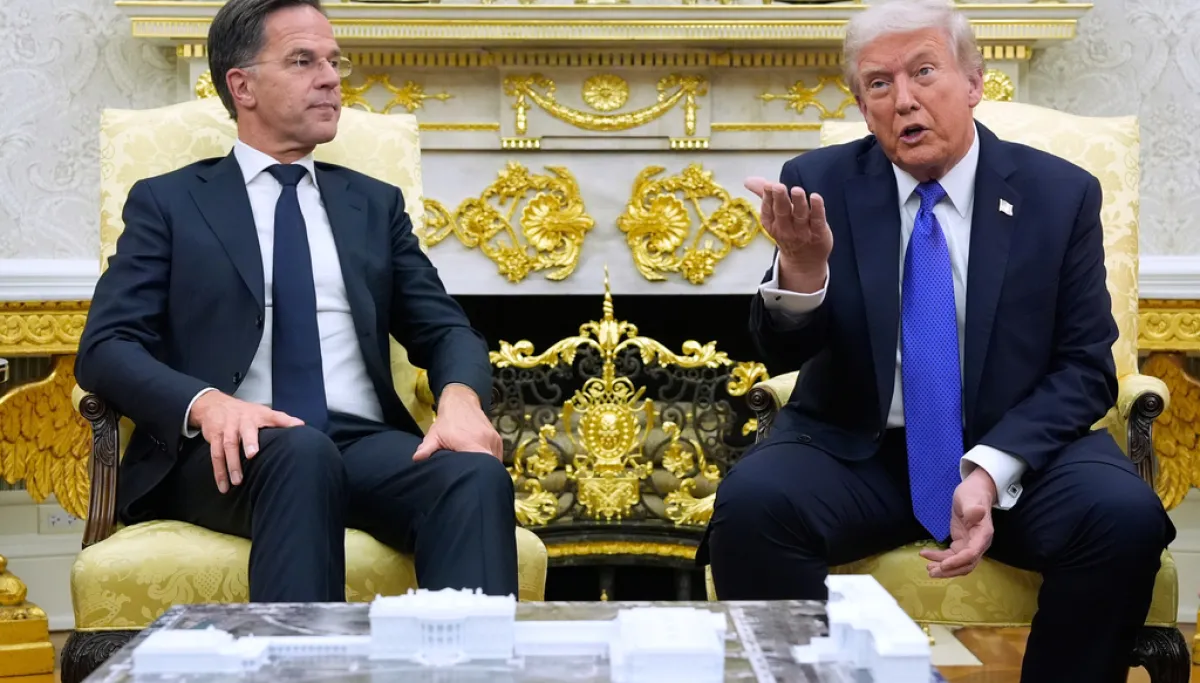
As allied leaders gathered in Ankara, Turkey, in early July, NATO Secretary-General Mark Rutte declared the dawn of “NATO 3.0,” a rebalanced alliance underwritten by a $80 billion military package for Kyiv. But behind the new architecture sat a familiar assumption, unchanged after four years of war: that enough conventional pressure on the battlefield will eventually force Russian President Vladimir Putin toward a negotiated off-ramp.
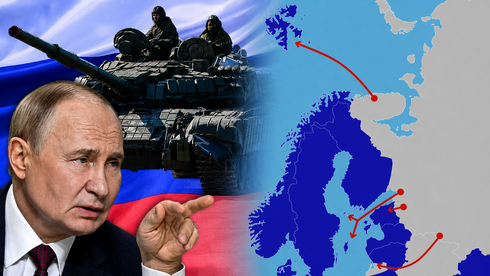
This is a mistake—a failure of Western mirror imaging, in that it projects a particular strategic logic onto a leader who is not playing by it. Putin’s war is not governed by rational international relations or conventional military strategy; it is governed by the political theory of autocracy and regime survival.
As allied leaders gathered in Ankara, Turkey, in early July, NATO Secretary-General Mark Rutte declared the dawn of “NATO 3.0,” a rebalanced alliance underwritten by a $80 billion military package for Kyiv. But behind the new architecture sat a familiar assumption, unchanged after four years of war: that enough conventional pressure on the battlefield will eventually force Russian President Vladimir Putin toward a negotiated off-ramp.
This is a mistake—a failure of Western mirror imaging, in that it projects a particular strategic logic onto a leader who is not playing by it. Putin’s war is not governed by rational international relations or conventional military strategy; it is governed by the political theory of autocracy and regime survival.