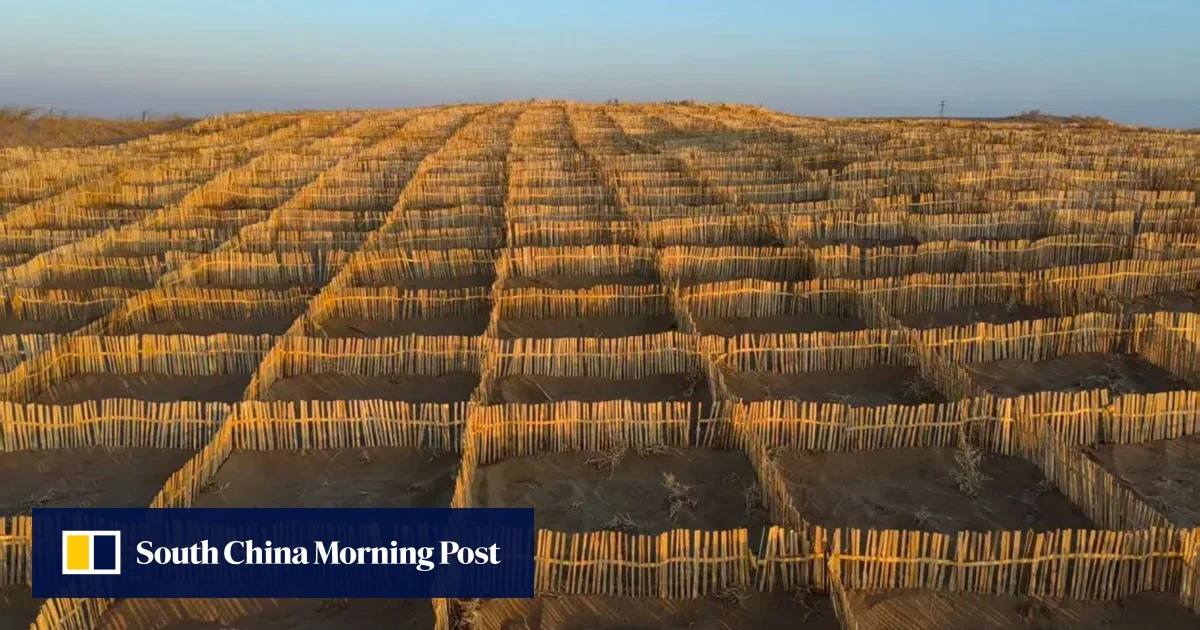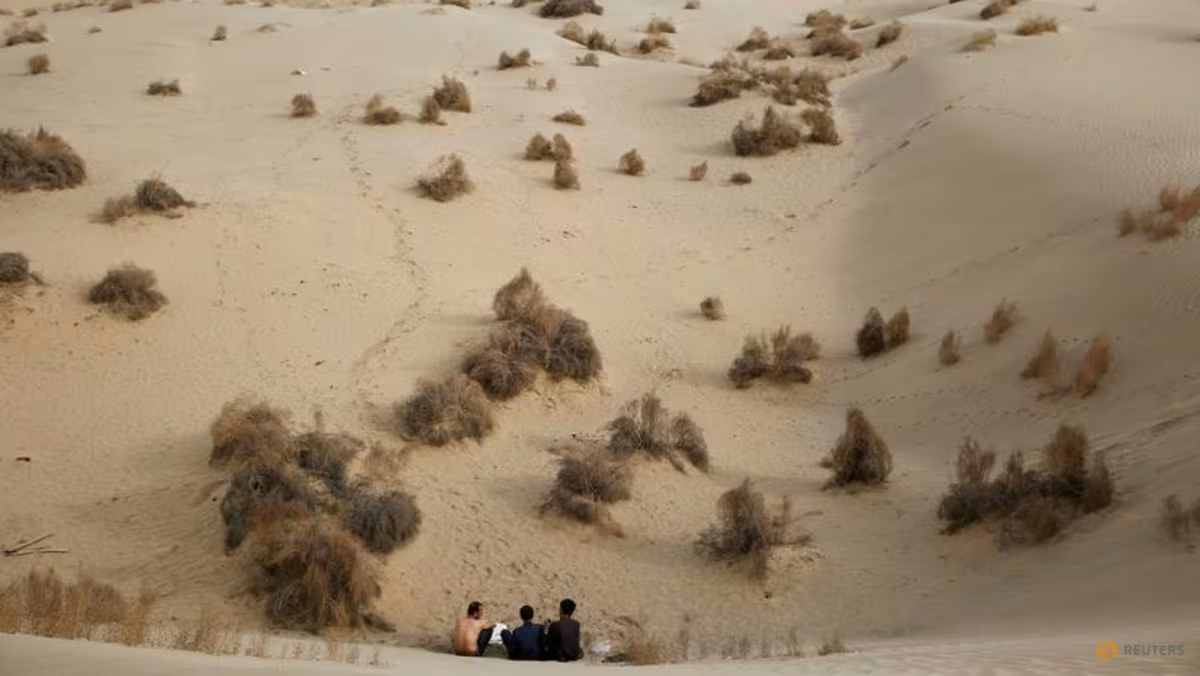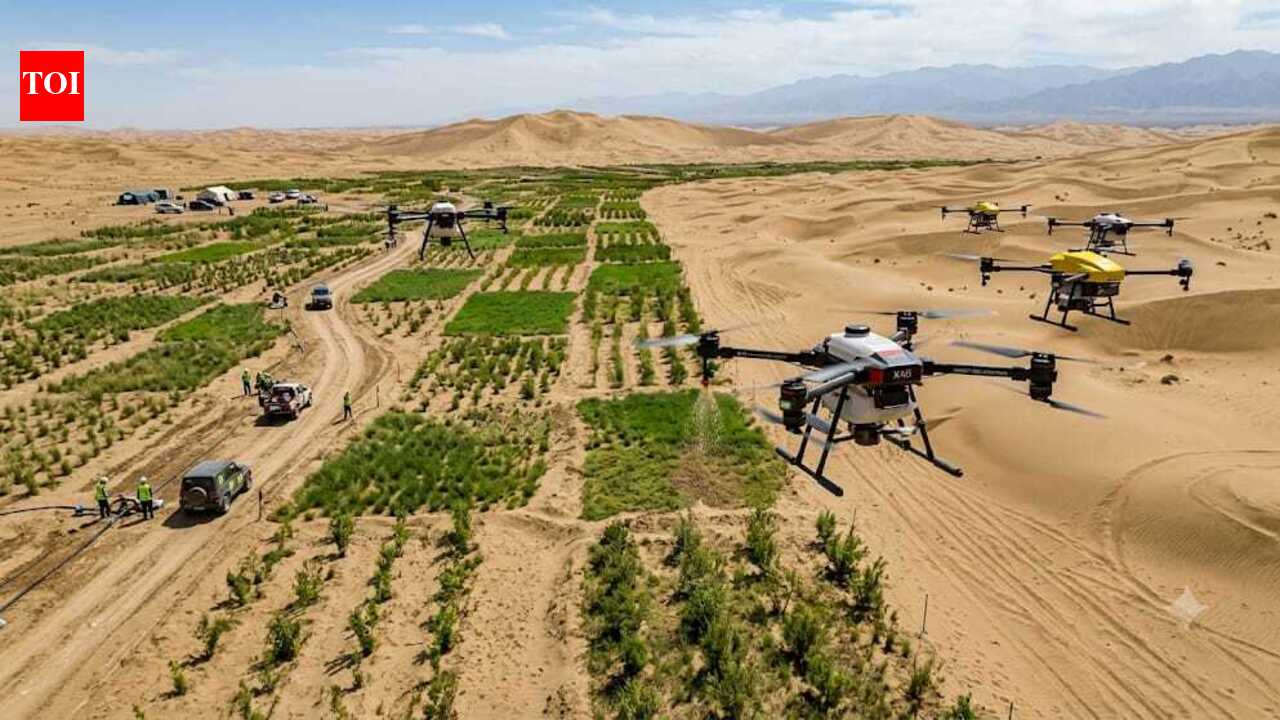
For decades, the Taklamakan Desert has symbolised one of nature's harshest environments, a vast expanse of shifting sand where strong winds, scarce rainfall and extreme temperatures make vegetation difficult to establish.
Today, however, new technology is changing how restoration is carried out.
Across parts of China's Xinjiang Uygur Autonomous Region, drones are being deployed to sow seeds across difficult terrain, allowing workers to restore vegetation more quickly and safely than traditional methods.
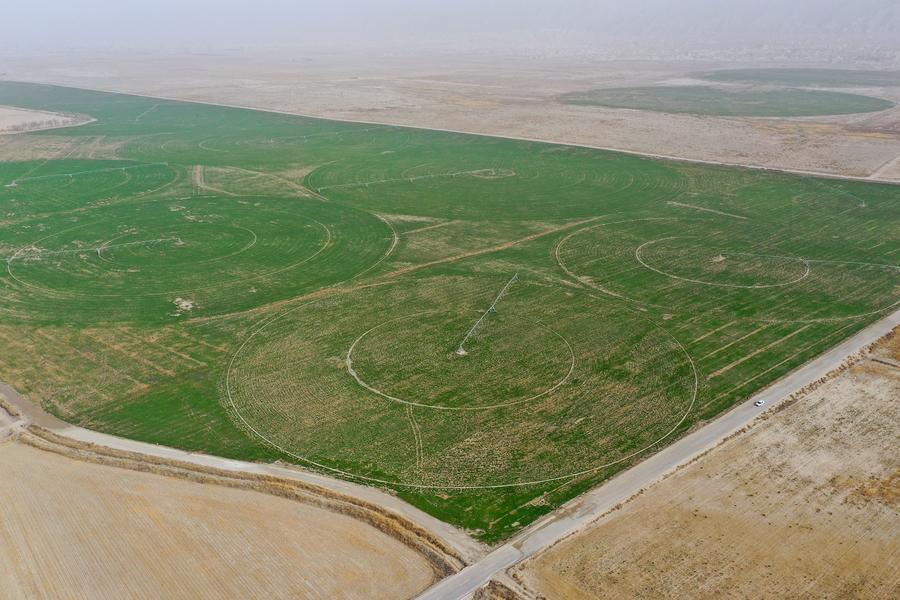
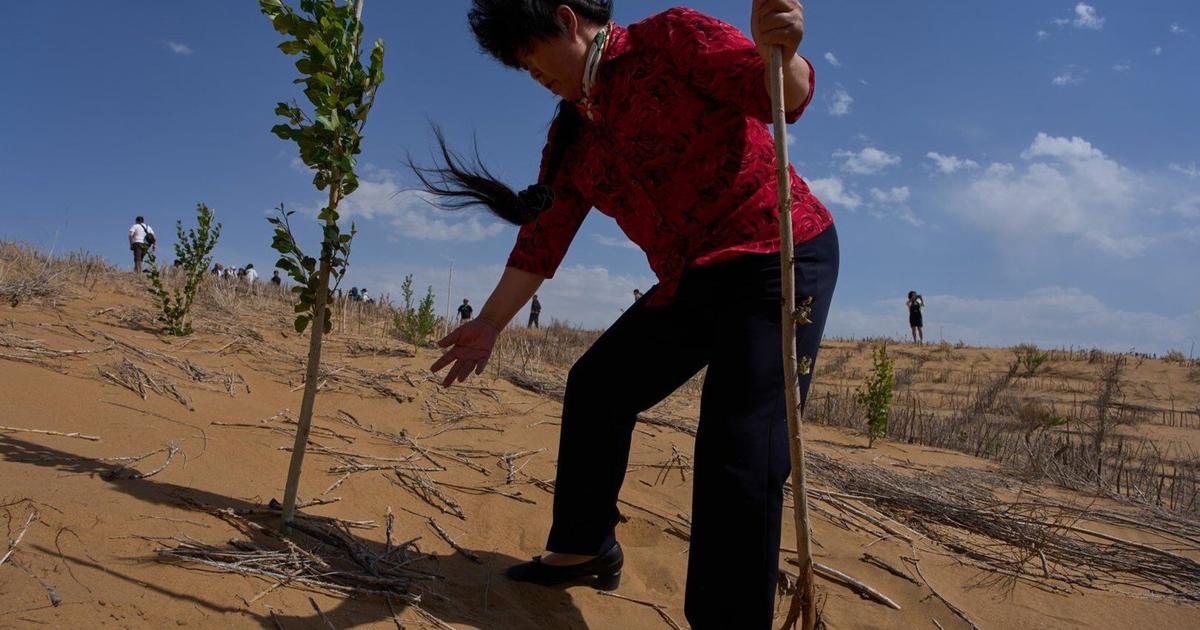
The approach forms part of China's broader campaign to combat desertification, combining ecological engineering with modern technology to stabilise sand dunes, restore degraded landscapes and create new opportunities for local communities.How drones are helping transform one of the world's largest shifting sand desertsAccording to reports from Global Times, drone seeding is becoming an increasingly important tool in China's afforestation efforts.
Instead of relying entirely on manual planting in remote and inaccessible areas, drones can distribute seeds efficiently across large stretches of desert while reaching locations that are difficult for vehicles or workers to access.The wider greening campaign also incorporates technologies such as light detection and ranging (LiDAR), satellite mapping and algorithm-based planning to identify the most suitable locations for restoration.