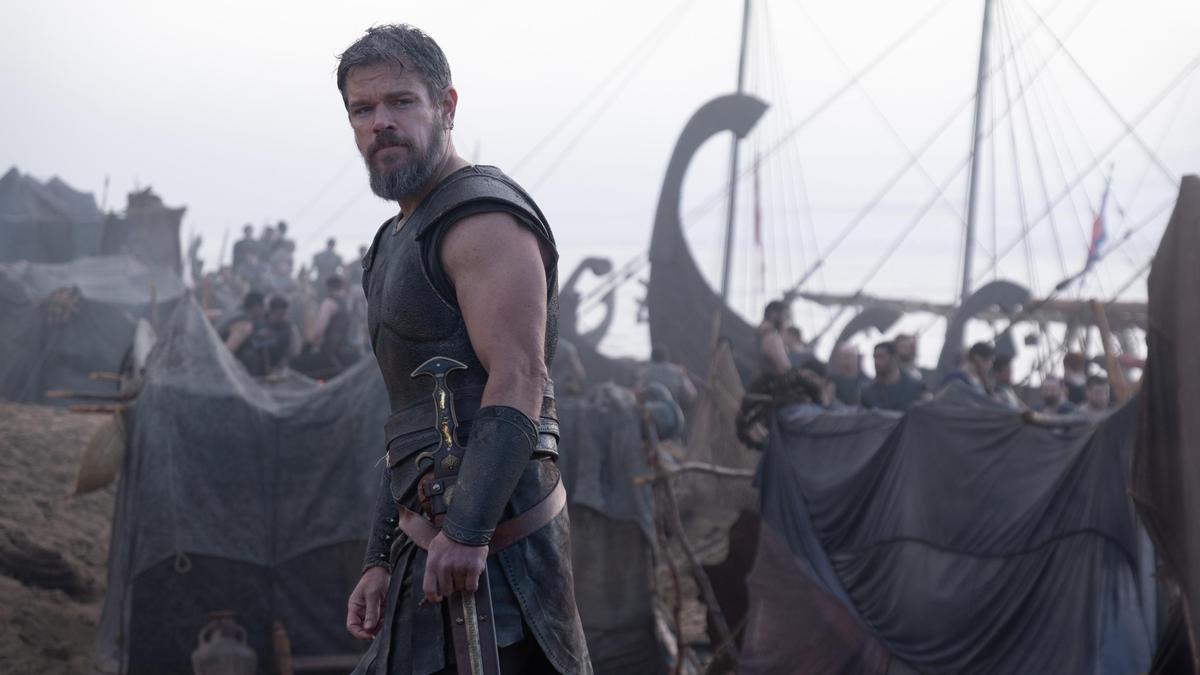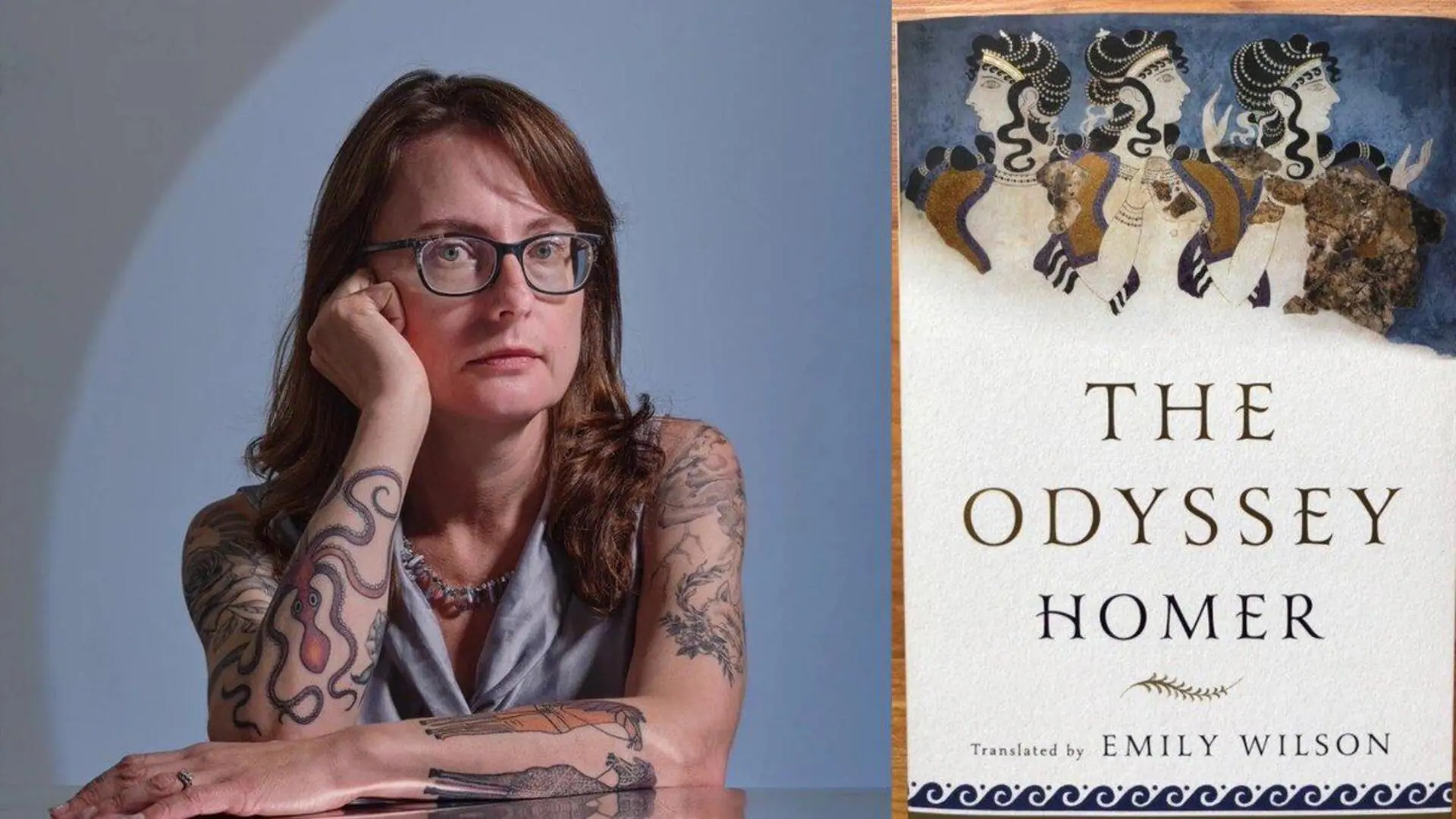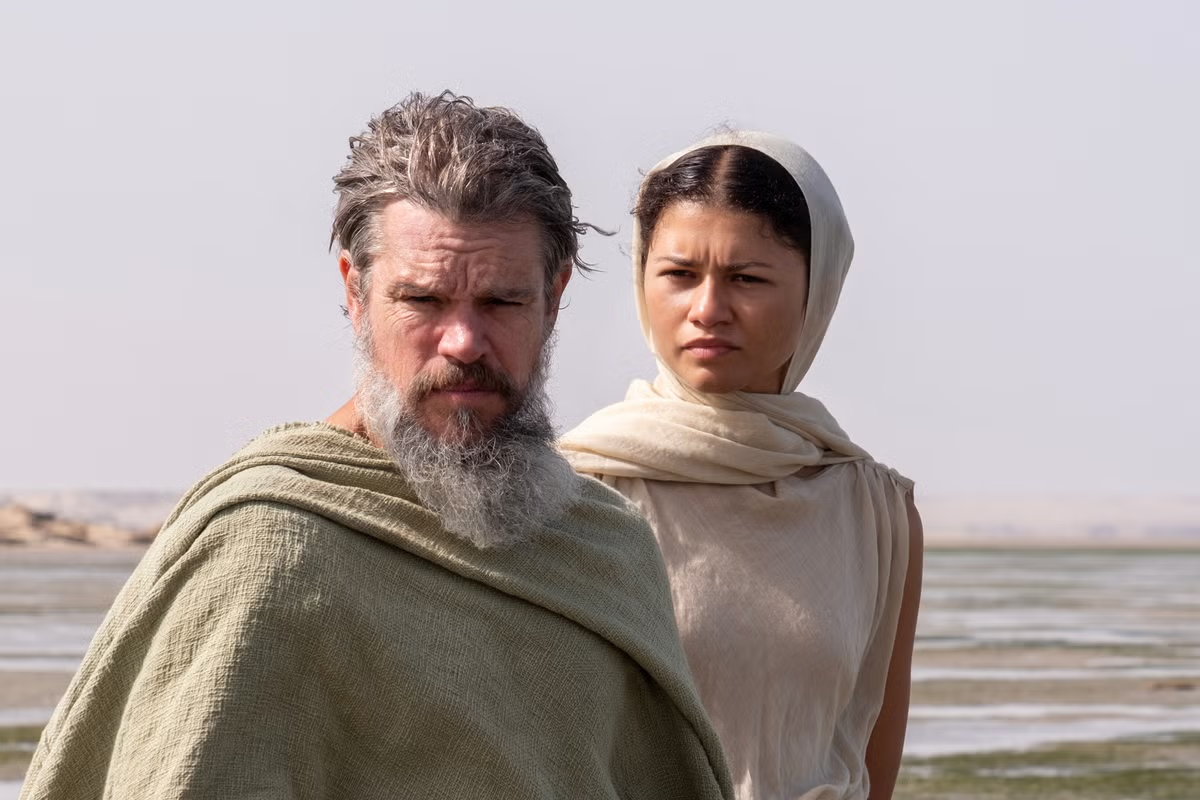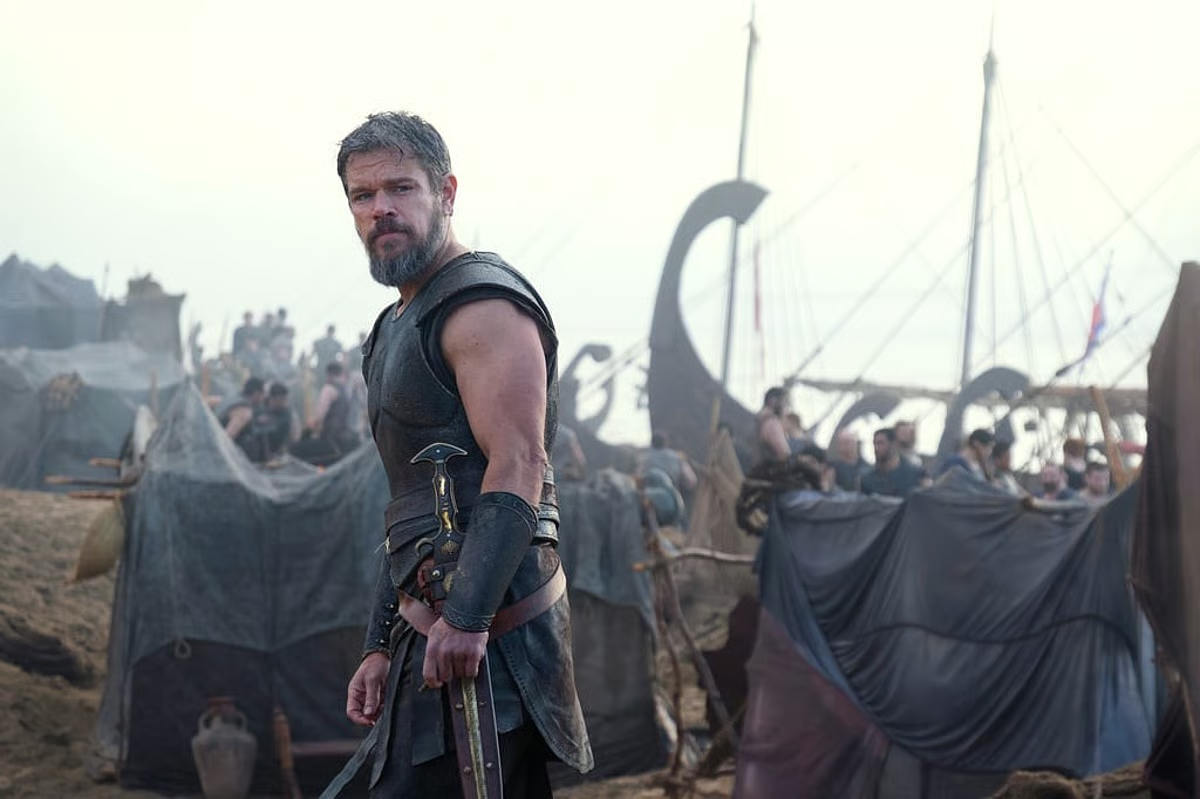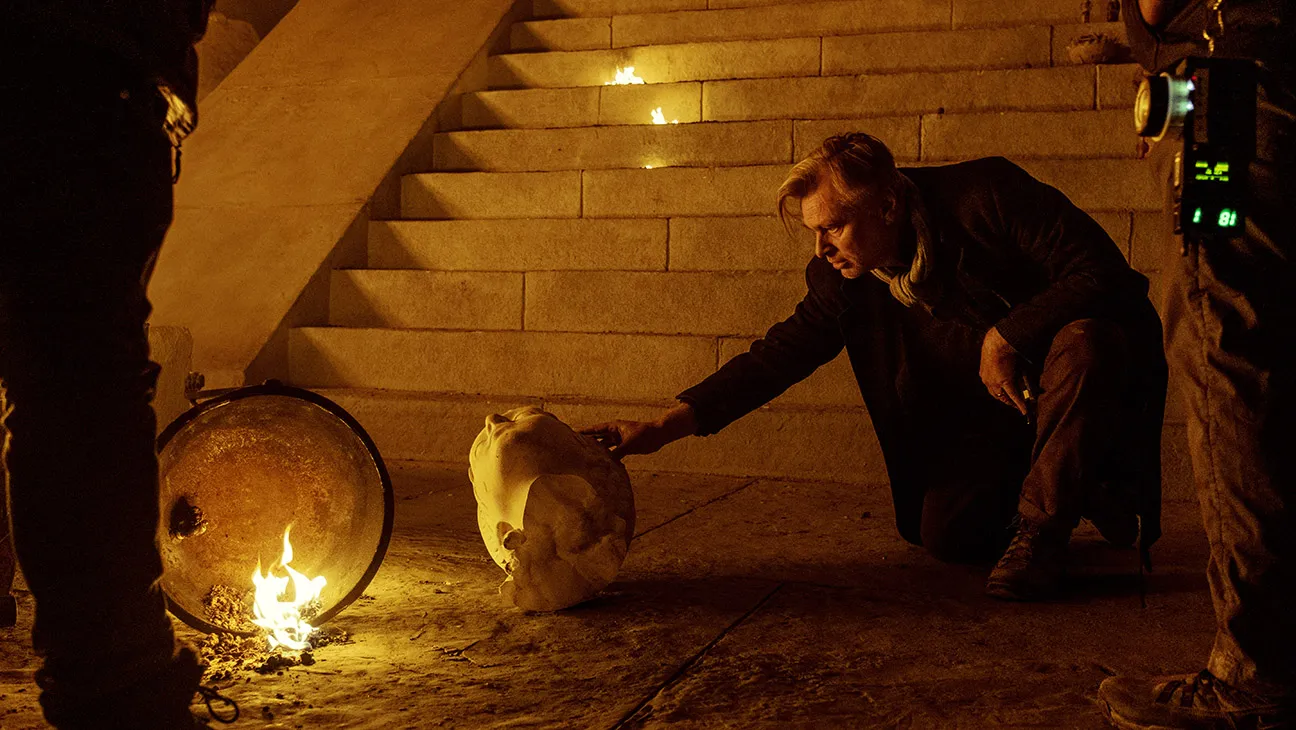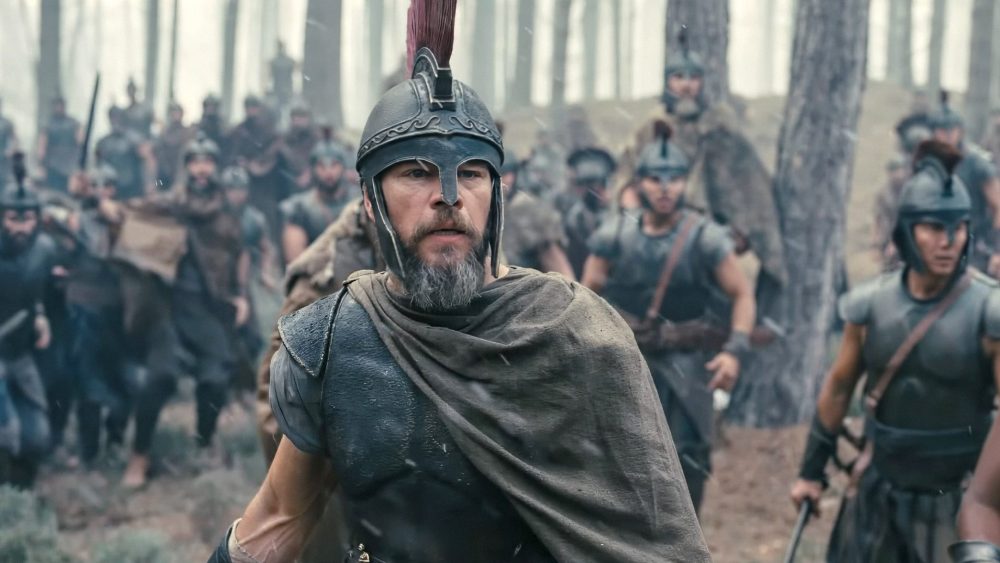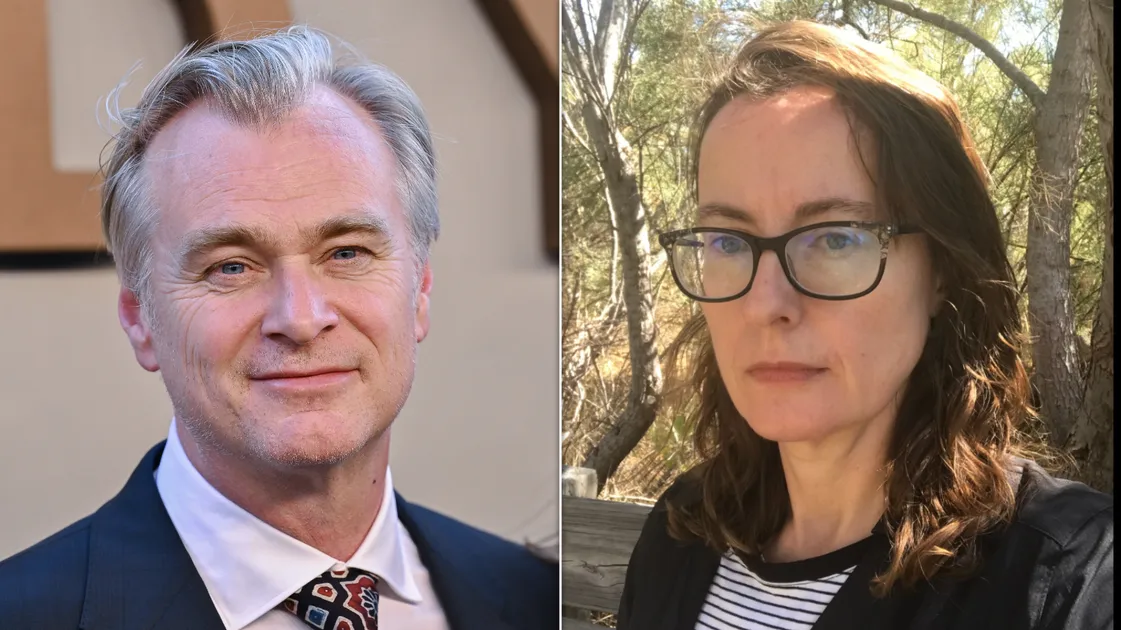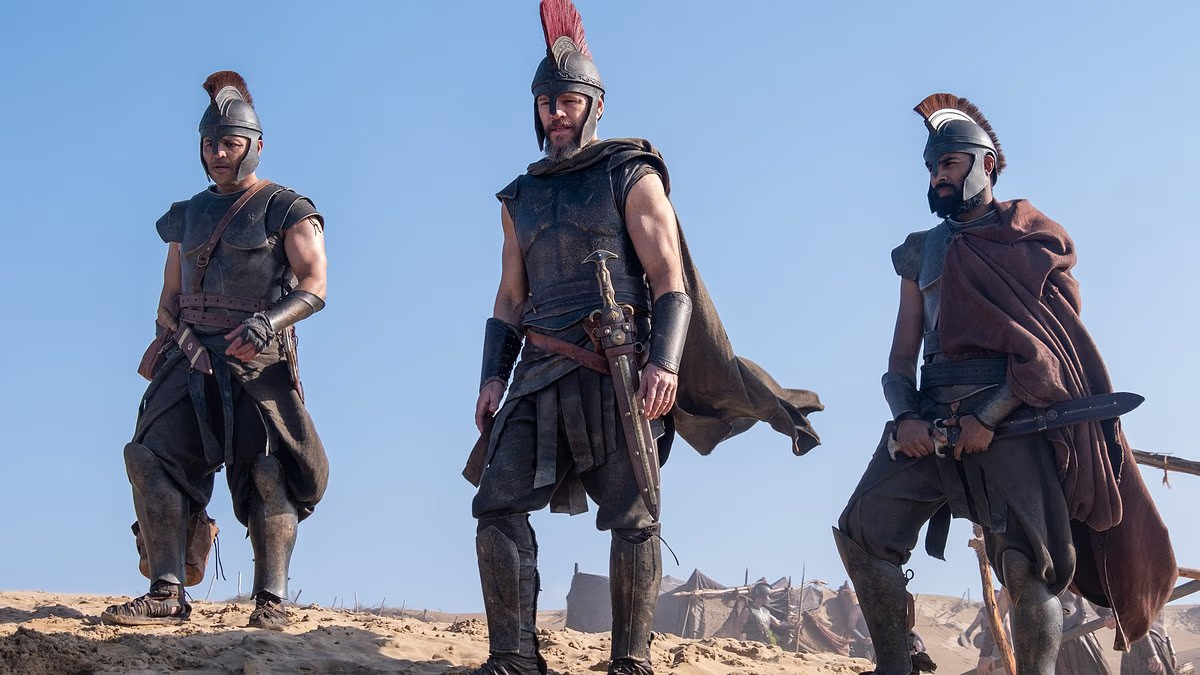
Christopher Nolan's blockbuster adaptation of the Odyssey has been blasted by a translator whose work he praised.Professor Emily Wilson, a classicist from the University of Pennsylvania, wrote a 2017 translation of Homer's Odyssey which Nolan cited while promoting the film.Now, Professor Wilson has gutted the British director's own attempt to bring the ancient Greek epic to modern audiences.In a scathing review, written for the London Review of Books, Professor Wilson vented: 'I would be ashamed to have written any part of this script.'The renowned translator stomped on Nolan's adaptation, branding the writing as 'abysmal' and concluding that it 'has nothing convincing to say'.She added: 'It lacks psychological, emotional, political and ethical depth. Its narrative structure is gimmicky.'Perhaps surprisingly, one of Professor Wilson's biggest complaints with the film is that it doesn't have enough sex scenes.'None of the characters has convincing motivation for their actions or words. There are no sex scenes, and all the food looks horrible,' she said. Christopher Nolan's blockbuster adaptation of the Odyssey has been blasted by the translator whose work he praised Professor Emily Wilson (pictured), a classicist from the University of Pennsylvania, wrote a 2017 translation of Homer's Odyssey that Nolan cited while promoting the filmProfessor Wilson's entanglement with Nolan can be traced back to early press for the movie, in which the director referenced the opening lines of her 2017 translation: 'Tell me about a complicated man.'While the academic says she was 'humbled' by this reference, she doesn't seem to think that Nolan learned much from reading her work.'I had hoped that Nolan's affinity with these Homeric themes might push him to new creative heights, and enable him to conjure more believable characters,' she writes.'But The Odyssey features his usual combination of grandiosity and superficiality.'Without a tub of wax for my ears ... I was exposed to the full din of thumping sticks, staffs, swords and clashing armour, thunderbolts, crashing waves, grunts, screams, toppling palaces and burning temples.'Professor Wilson laments that Odysseus isn't enough of a 'flirt' and 'rarely seems to sleep or have sex'.Referencing the section of the poem where Odysseus and his crew wander onto the island of the witch Circe, she complains that he does not stop to 'have sex with the goddess even for an hour, let alone a whole magical year'. However, the one aspect of the adaptation which the translator does not mind is Nolan's controversial choice to use modern language instead of archaic turns of phrase. Professor Wilson said she would be 'ashamed to have written any part of this script' and branded the writing as 'abysmal' Is the Odyssey a true story? There is no direct evidence that Odysseus existed, fought a war, and then suffered a nightmarish journey home to Ithaca. However, his story contains elements of historical memory and geographical accuracy.It is generally agreed that Helen, the woman of matchless beauty who indirectly caused the Trojan War by eloping with (or being abducted by) the Trojan prince Paris, belongs to the realm of fiction and not fact, as do Achilles and other mythological figures. It is not unlikely that she was based on a historical queen or noble woman.However, her origin myth, in which she was hatched from an egg laid by her mother, Leda, who had been ravished by Zeus in the guise of a swan, is plainly invention. Source: Britannica Online, many critics have been furious that the cast of The Odyssey speak in modern American accents and use colloquial phrases like 'dad'.This is somewhat unsurprising given that Professor Wilson's own translation of the poem proved controversial for its own use of modernised language.Professor Wilson also went on the attack in an interview with The Sunday Times, saying: 'It didn't land emotionally for me at all.'The characters don't have the kind of depth the Homeric characters have. I felt, "Do I really care if this guy gets back to his wife?"Professor Wilson also blasted the lack of food and sex scenes.She added: 'The Odyssey is all about eating and it's all about a man getting back to his marriage bed to have sex with his wife.'This is not the first public criticism that Christopher Nolan's adaptation has drawn.Most notably, the film has drawn the ire of right-wing commentators including the billionaire Elon Musk, who were furious about the use of 'colour-blind' casting. Professor Wilson said she was 'humbled' Nolan (pictured) had referenced her translation, but insisted that his adaptation 'features his usual combination of grandiosity and superficiality'In particular, critics were incensed to see a black woman, Lupita Nyong'o, cast as Helen of Troy and Clytemnestra.But, while these casting choices perhaps don't reflect the real ethnic makeup of 12th–century Mycenae, real historical experts simply don't care. Dr Stephan Blum, an archaeologist and Troy expert from the University of Tübingen, previously told the Daily Mail: 'Homer's epics are nearly three thousand years old.'I think contemporary adaptations can legitimately take certain creative liberties to make these stories resonate with modern audiences.'The nationality of the cast, in my view, is of little importance. What ultimately matters is whether the film captures the spirit, complexity, and enduring appeal of these extraordinary stories.'WHO WAS HOMER?There is very little known about exactly who or what Homer was, but is believed by the ancient Greeks to have been the first great epic poet.He is credited as being the first to write down The Illiad and The Odyssey.It is believed he was born some time between the 12th and 8th centuries BC.Some suggest that he compiled existing oral stories and then recited them from memory. He is seen more as a balladeer as opposed to a traditional poet.Many believe Homer was blind and he is often interpreted with thick curly hair, a beard and sightless eyes.Other works have been attributed to Homer over the centuries - particularly the Homeric Hymns - but only the two epic works are seen as definitely his.A guild of singing story tellers, or rhapsodes, later emerged known as the Homeridae and has led some to argue that Homer was actually a mythical figure whose name was derived from the guild.Some of the earliest written works attributed to Homer were found with the mummified remains of Green Egyptians from around 150-200 BC.
Odyssey translator BLASTS Christopher Nolan's blockbuster
Professor Emily Wilson has gutted Christopher Nolan's attempt to bring the ancient Greek epic to modern audiences.
1,035 words~5 min read