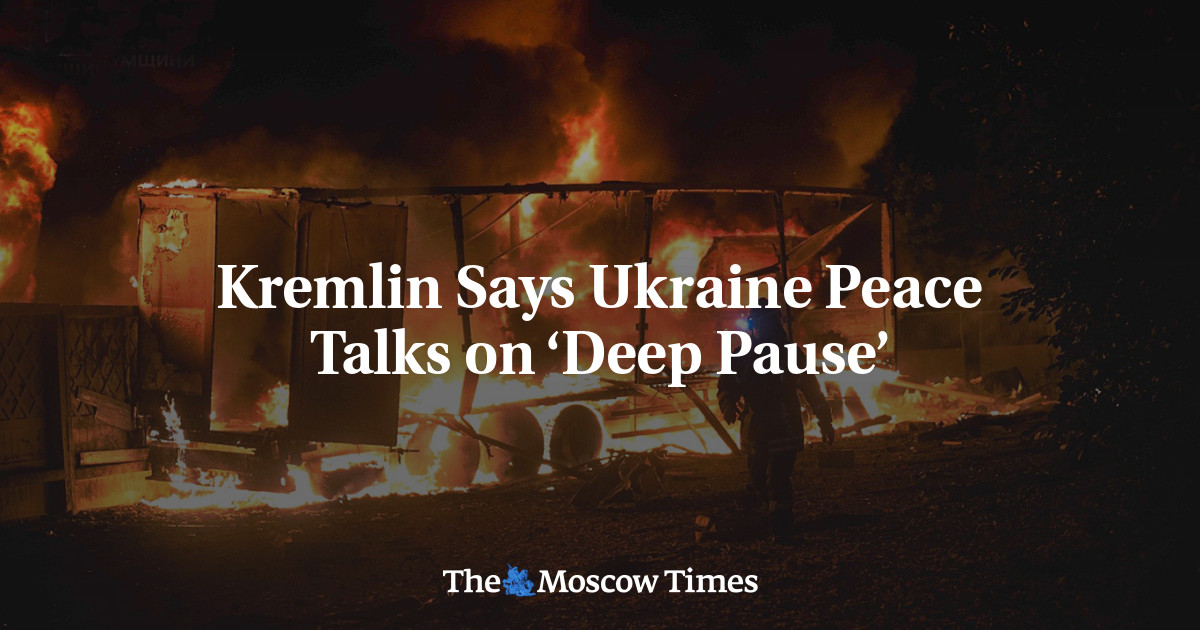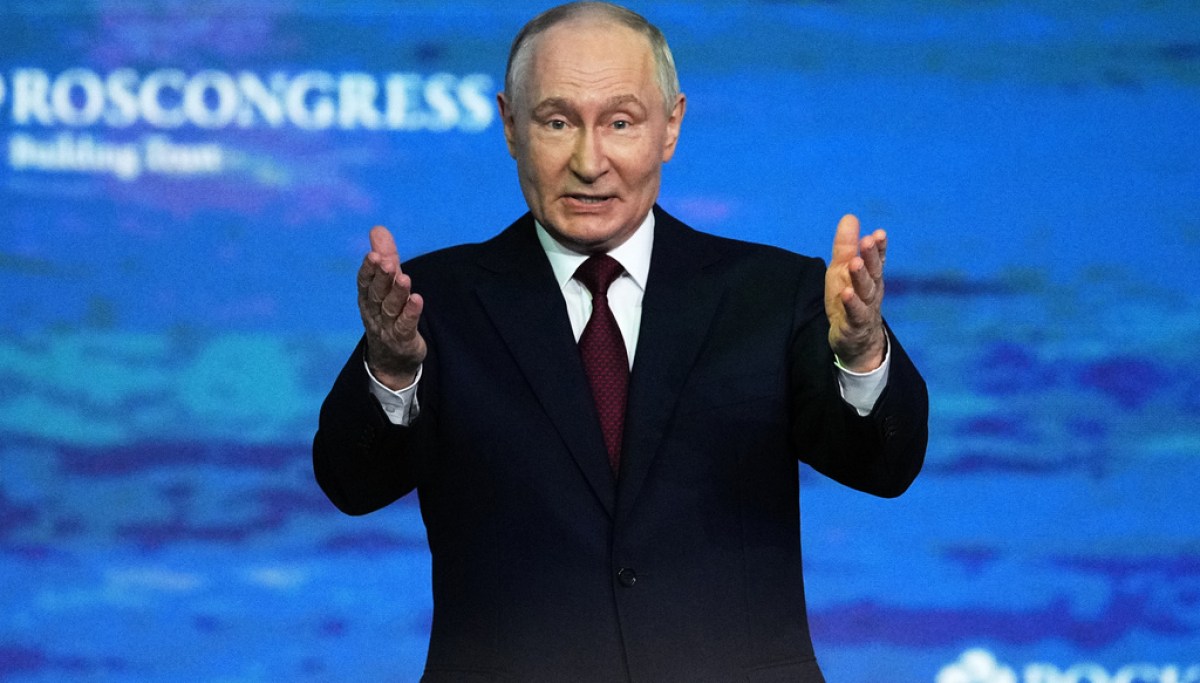
Five months ago, Russia was willing to give land back. Now it is not. Nothing happened at any negotiating table in between. The front line moved, and the price moved with it.In late February, Bloomberg reported that Moscow was prepared to sign a framework in which it would withdraw from occupied slivers of the Sumy, Kharkiv, and Dnipropetrovsk regions, drop its demand to cap the size of Ukraine’s army, and accept American-led ceasefire monitoring — in exchange for Ukrainian withdrawal from Donetsk.On July 22, Bloomberg reported the new terms, citing people close to the Kremlin. The land that was on offer in February is no longer available: The border districts of Sumy and Kharkiv remain where they are, rebranded as buffer zones. Vladimir Putin intends to take the rest of Donetsk by force, and Russia returns to talks only after he has it. His Defense Ministry has promised him Donetsk by the end of this year. Officers in his own military reportedly put it at 2027, if ever. The Kremlin’s spokesman said the report should not be taken seriously, which in Moscow is not a denial.
CONSERVATIVES ARE FINALLY FINDING OUT LINDSEY GRAHAM WAS RIGHT ABOUT PUTINBoth accounts rest on unnamed sources, and reasonable people can argue about the details. Grant the caveat and set the two side by side anyway, because the shape survives it. These are not two negotiating positions. They are two entries on a price list, and the price is indexed to the map. Every month spent talking is a month spent advancing, and every month spent advancing raises the asking price. That is not bargaining. That is a payment plan, and the West is on the paying end of it.Moscow’s own explanation, relayed through the same sources, is that Washington’s harder line convinced it that the informal understandings from the Alaska summit were dead. Read that claim carefully, because it will be used against every sanction now under discussion. The Kremlin is not saying pressure changed its goals. It is saying pressure gave it a reason to charge more — which it can do at no cost for as long as the line keeps moving.I have seen this arithmetic before, in my own country. Georgia signed ceasefires in the 1990s and again in 2008, and each one certified whatever the map already showed. The negotiation never determined the outcome. It ratified it, and then it was cited for years afterward as evidence that diplomacy had worked.The second track