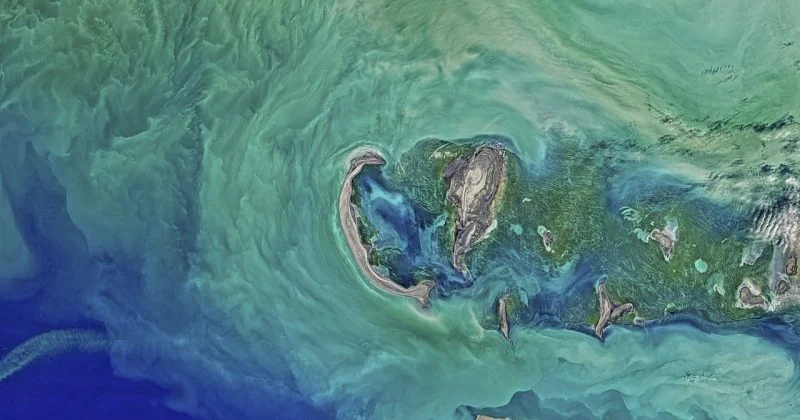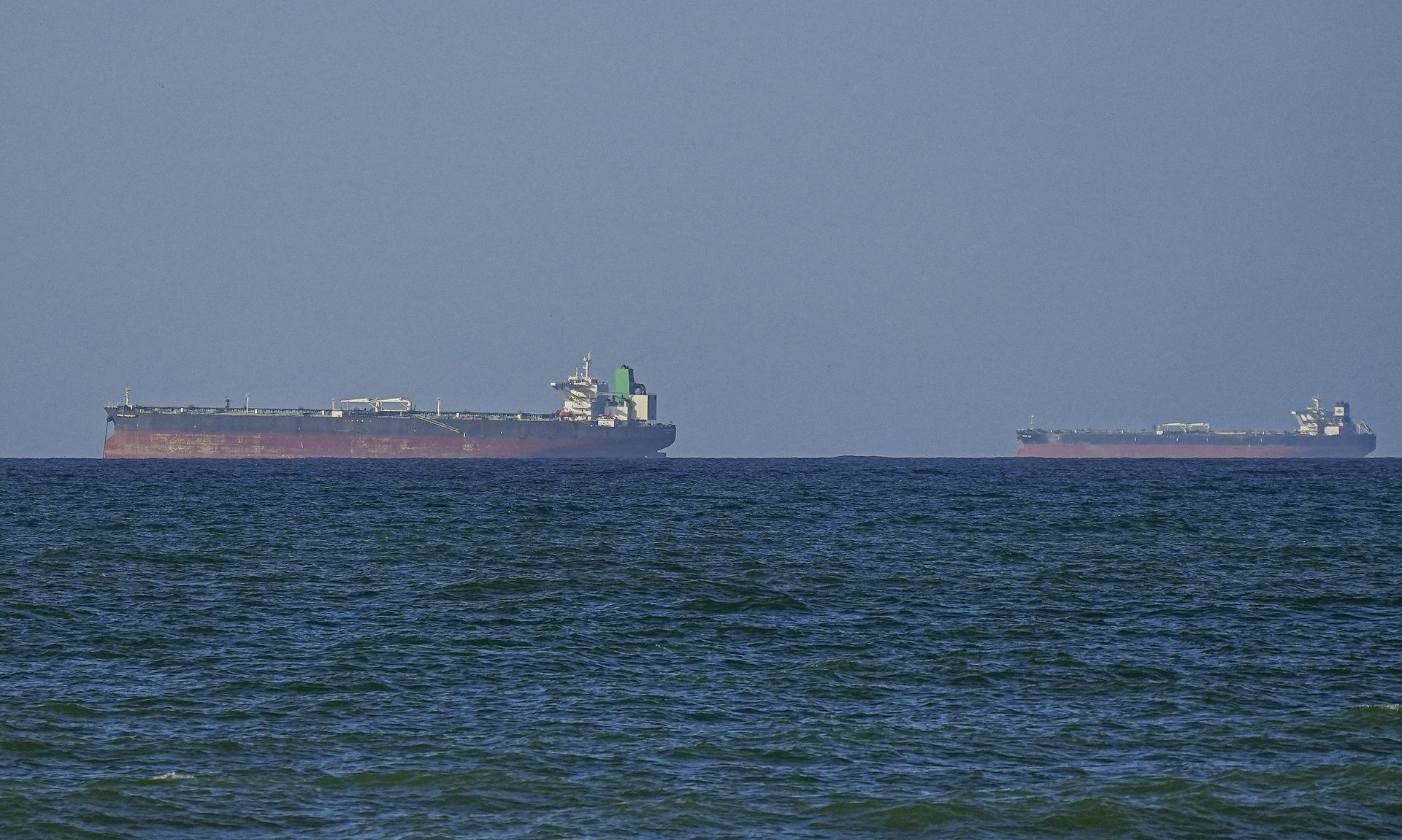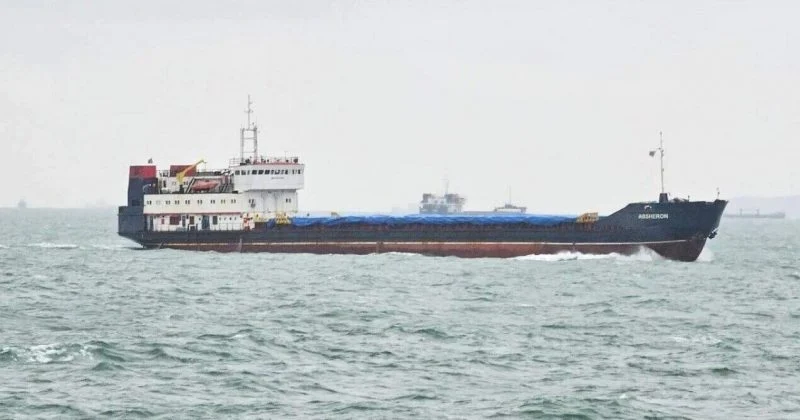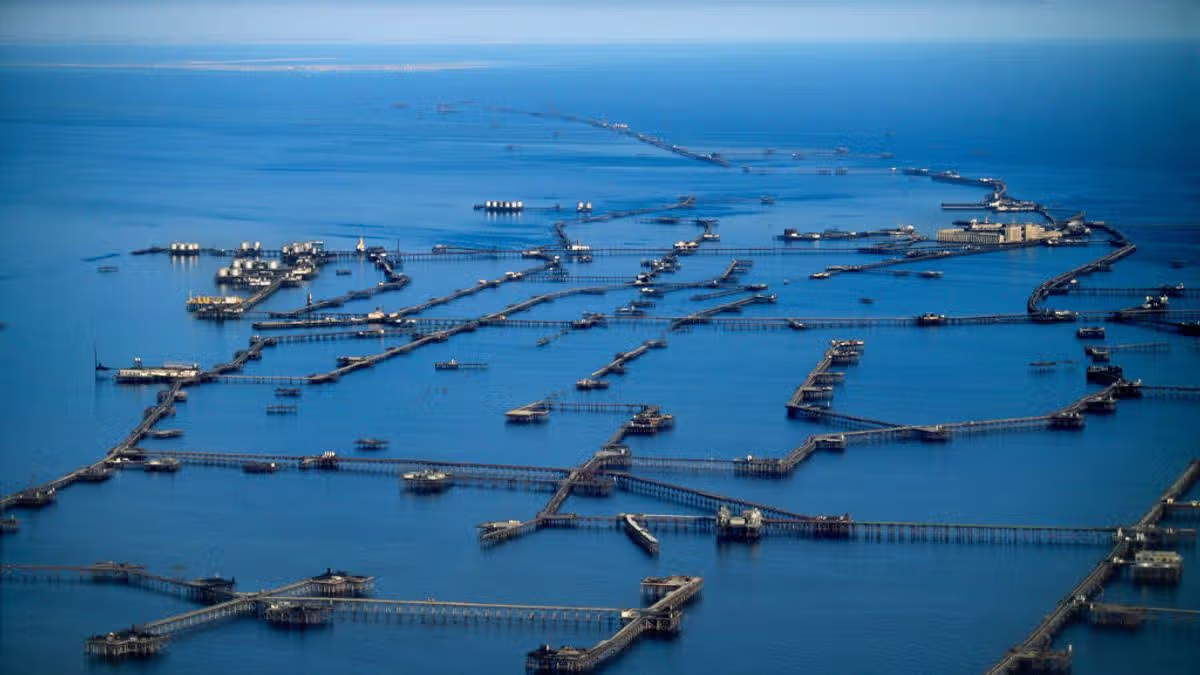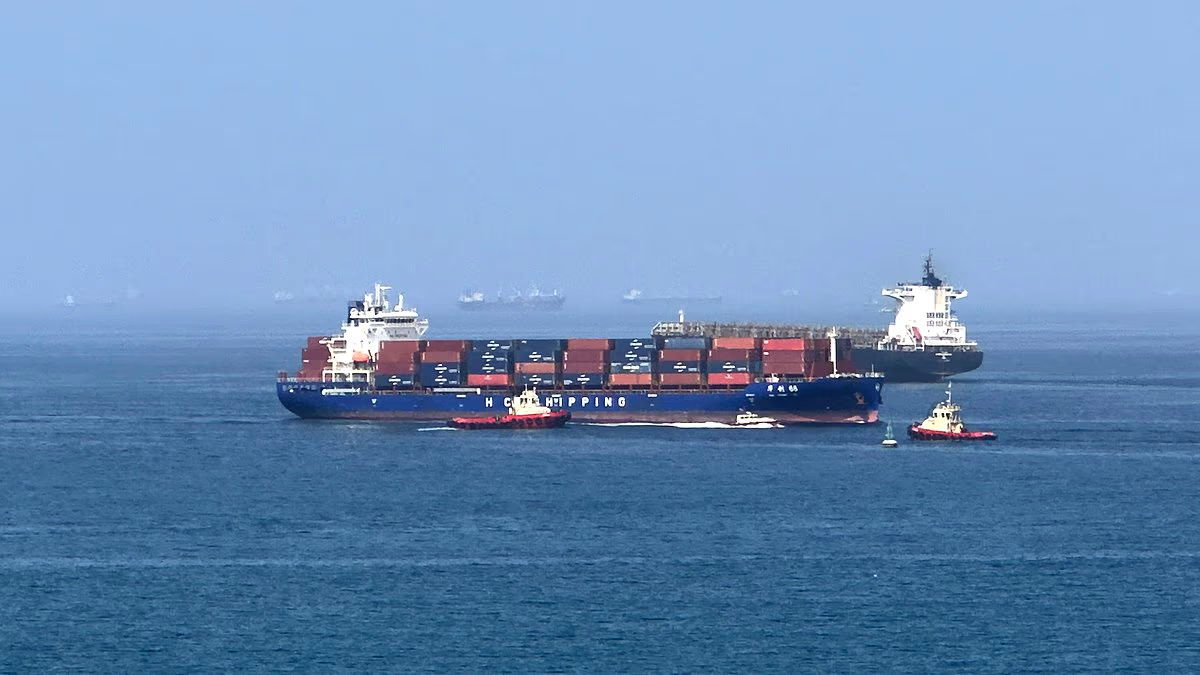
The Ukrainian government announced that it had struck an Iranian vessel in the Caspian Sea on July 25. The Iranian commercial ship was targeted at an outer anchorage of the Volga River near the port of Astrakhan. The attack left three people injured and resulted in the death of a sailor named Nima Moradi. Some experts close to the Islamic Republic have characterized the strike as an act of open "hot warfare" against Iran. State-aligned media outlets and the Ministry of Foreign Affairs view the operation as part of a multi-pronged strategy targeting the Islamic Republic, framing Ukraine as a proxy force acting on behalf of the United States and Europe.
Following the strike and hostile rhetoric from both sides, concerns have mounted that Tehran and Kyiv are heading toward a more confrontation. This comes as leaders from the United States, Ukraine, and Israel three nations currently engaged in military conflicts involving Iran are scheduled to meet in Washington on Tuesday. The summit raises the prospect of a multi-front, multi-lateral war against Iran, particularly as Israel’s ambassador to the U.S. noted that Tel Aviv and Kyiv are fighting a common enemy. However, while Tehran considers a response essential to avoid signalling vulnerability, officials worry that striking Ukrainian territory directly could facilitate the formation of a broader international coalition against Iran.