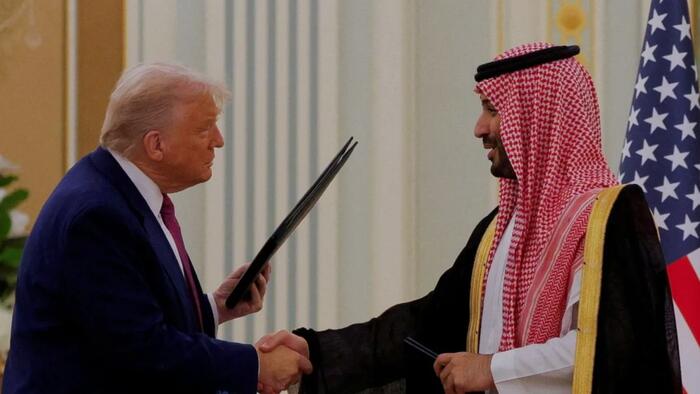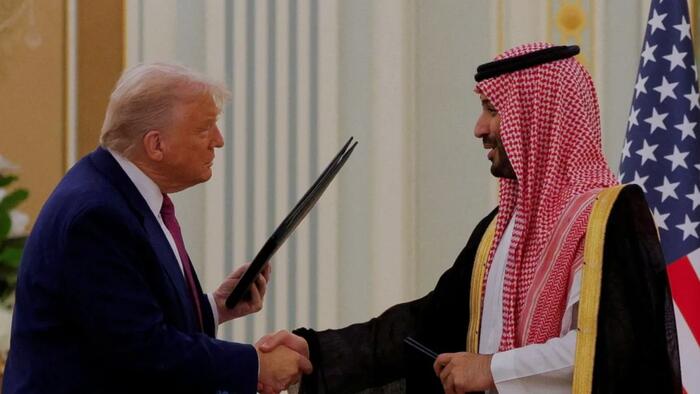
“Tweets don’t overturn signed agreements,” said a Saudi official last week. Amid America’s broiling ocean of surrealism, being instructed by a dynastic autocracy on the sanctity of the contract stands out.
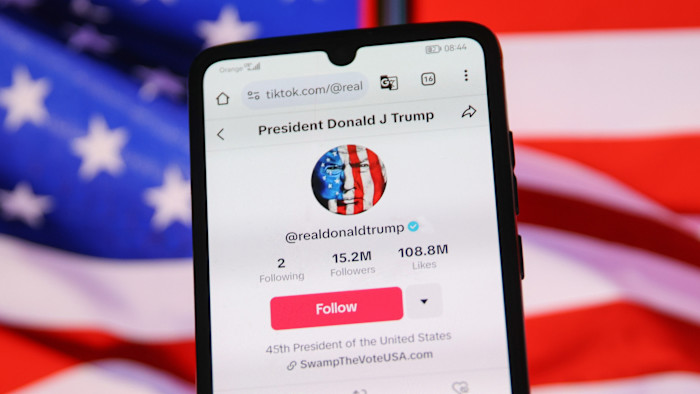
Donald Trump had claimed to amend a US-Saudi nuclear deal on his Truth Social site the day after it was signed. That the deal was controversial is one thing. That he thought he could change it without asking the Saudis was another. Trump keeps making fantasy announcements. His grip on power is suffering as a result.
That might seem paradoxical for a US president who has done more than any other to create an-all powerful presidency. But power is the ability to shape the world to your advantage. This should not be confused with constantly declaring how powerful you are.
Force is one of many means to an end, not the end in itself. Sometimes, as with Iran, military action creates the opposite end to the one you desire. Trump’s idea of power has led directly to his loss of ability to shape events in the Gulf.
That credibility drain is most visible in the markets. Early in Operation Epic Fury, Trump’s words triggered big market swings. The promise of death and destruction in Iran or a pledge to talk to its regime would produce wild gyrations. The more Trump declares things that are obviously untrue — by repeating, for example, that Iran has agreed to all his terms — the fewer people believe him. My colleague Robert Armstrong’s Taco motto (Trump always chickens out) has given way to a Wall Street shoulder shrug.