Get the latest news and updates from Dawn
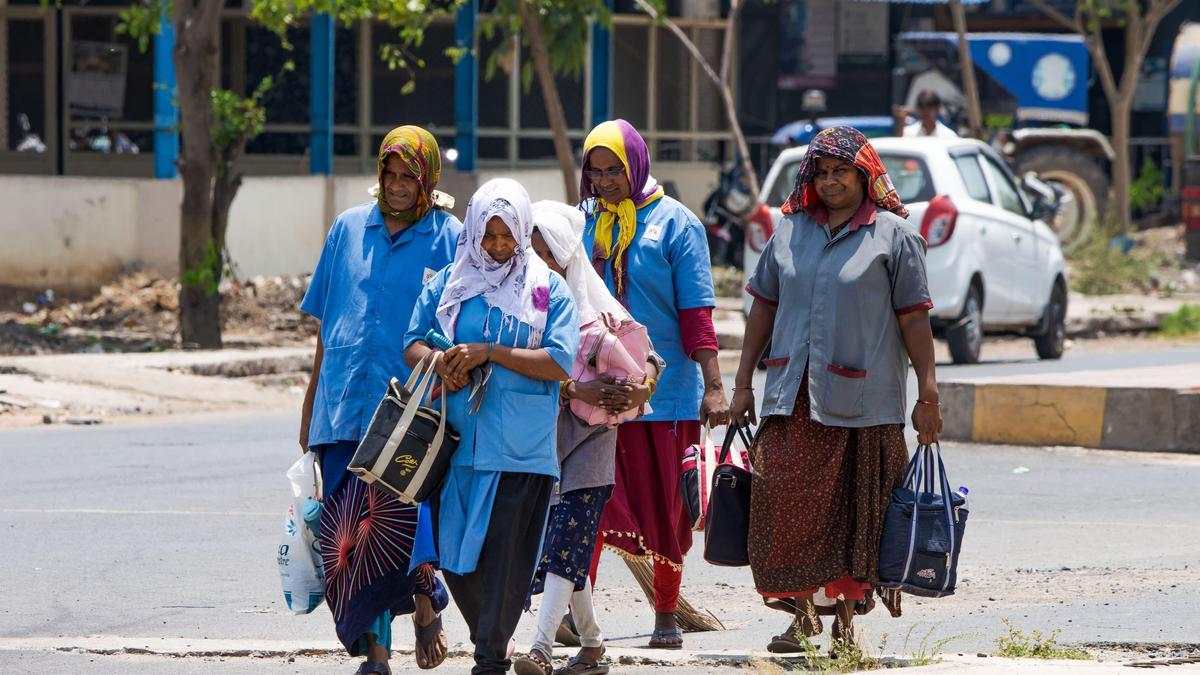
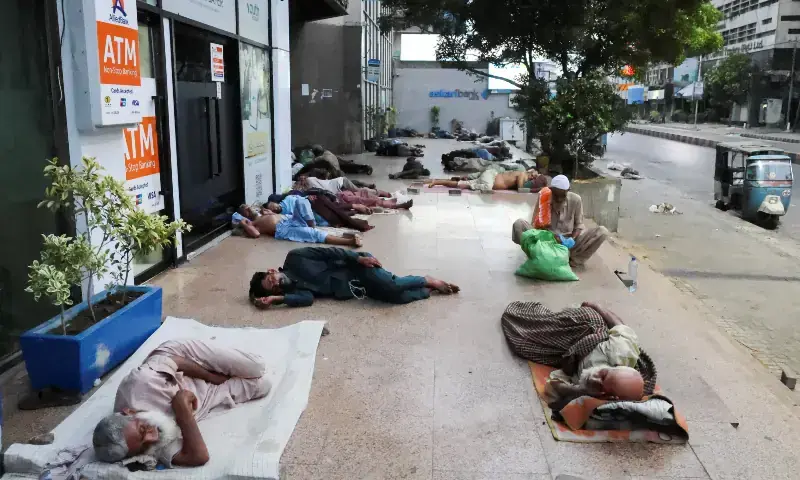
THE extreme heat in Karachi in recent days, with temperatures soaring to 41°C, has reminded us that heatwaves are a major cause of many life-threatening perils, and climate change has been absolutely overwhelming in its impact. Heatwaves are becoming the new normal as temperatures across the world continue to exceed records, ushering in a period of ‘global boiling’.
A mere 1°C increase in temperature is linked to an 18 per cent increase in morbidity and a 35pc increase in mortality. By 2030, it is expected to kill over 489,000 people yearly and result in $2.4 trillion in lost productivity. All of the previous 10 years have been the warmest on record, and July 2023 is already the hottest month ever. In 2024, the world passed an alarming threshold. Surprisingly, it is projected that at least half of the world would have dangerously high temperatures for at least one month of the year by 2050.
In general, a heatwave is characterised by a minimum of three consecutive days during which the daily mean temperature remains above the predetermined limits. Often referred to as the ‘silent killer’, it has particularly long-lasting and diffuse effects that may pose a major threat to human health, physical infrastructure and economic activity.