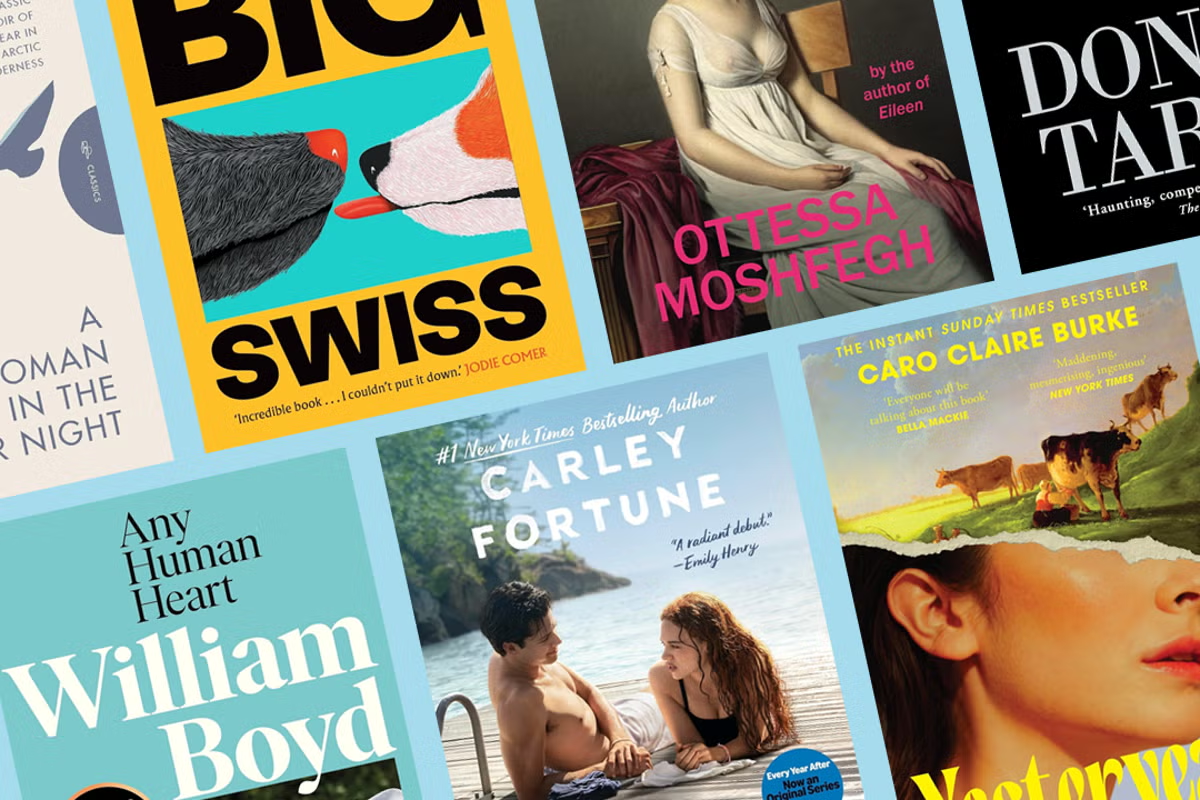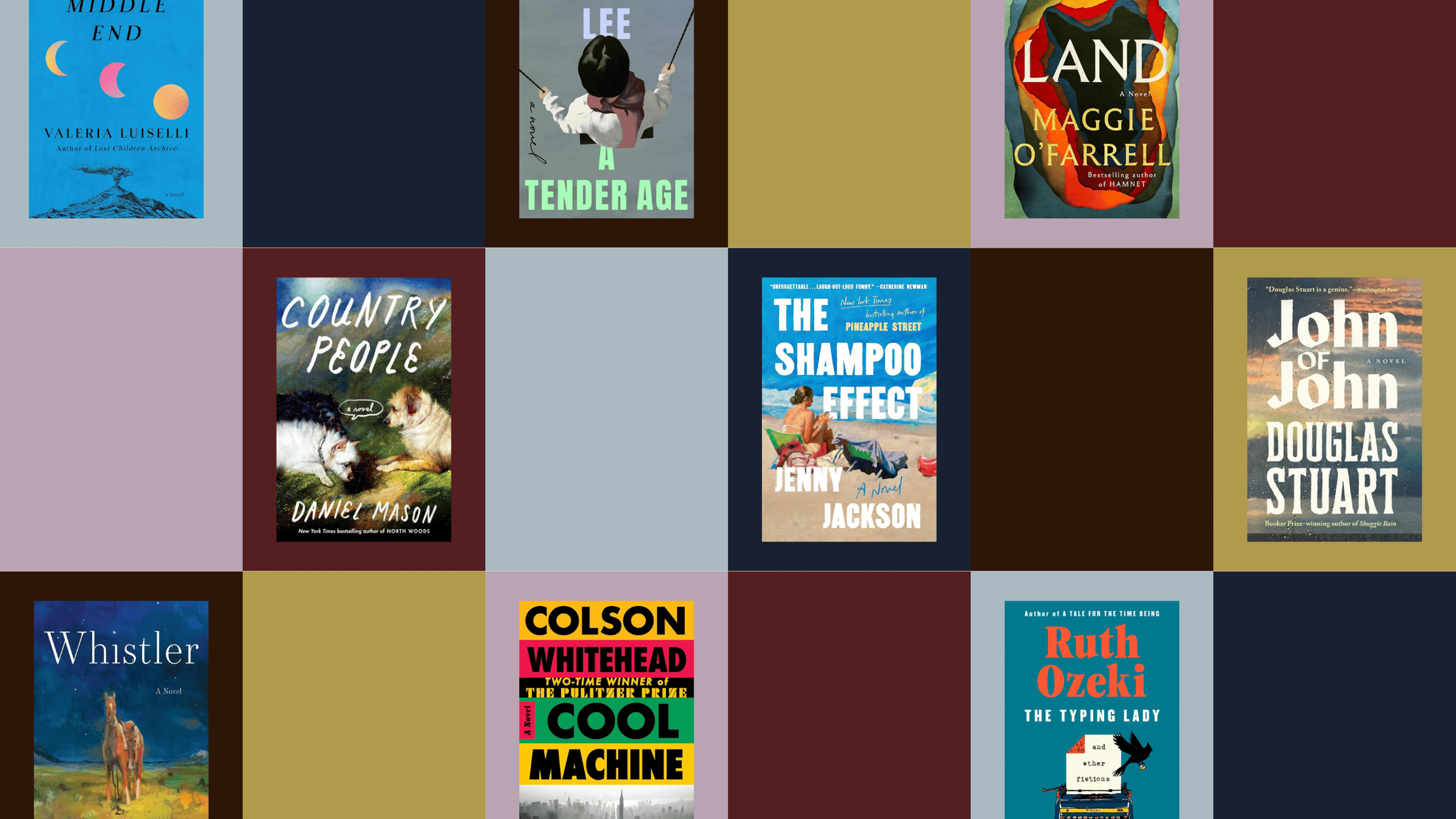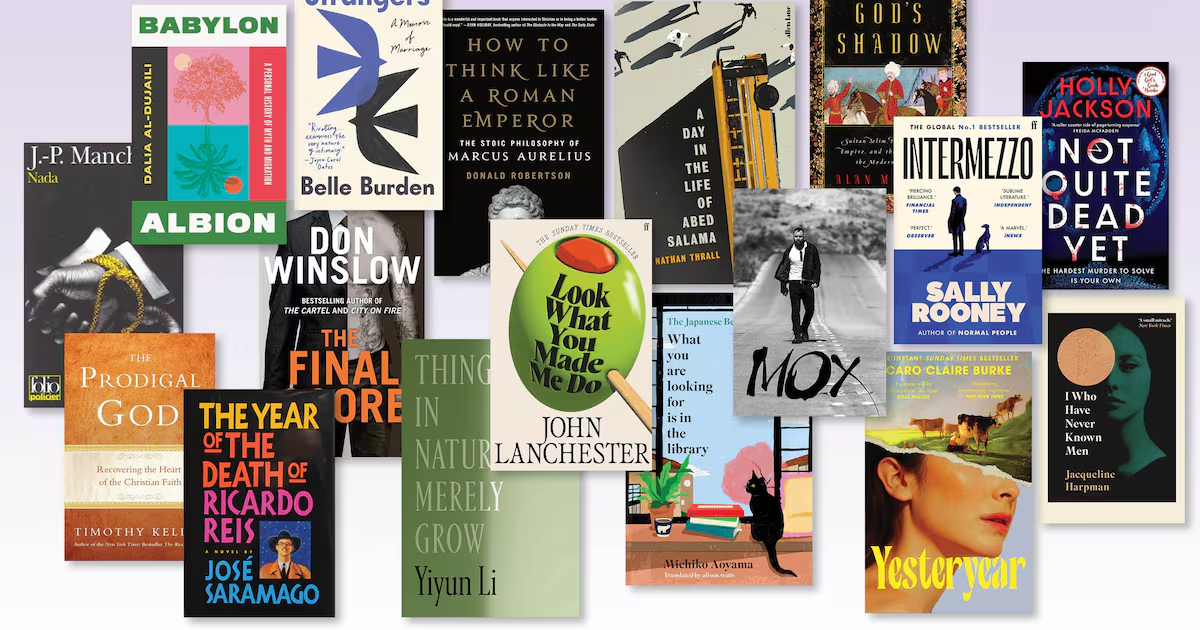
The lists begin to appear around Memorial Day with media as varied as NPR, Oprah Daily, New York Times Book Review, Forbes, and BookTok influencers touting the best summer reads. One recommends a gossipy thriller it describes as “White Lotus meets Gossip Girl,” another proclaims the opening of “Lit Girl Summer.”
At once a marketing strategy and a cultural phenomenon, Americans’ obsession with escapist (and sometimes scintillating) summer reading—aka “beach reads”—was born over 150 years ago. In the mid-19th century, the rapid rise of travel and tourism in the United States provided publishers with an opportunity to boost an otherwise slow (read: less-than-profitable) publishing season.
In the 1860s and 1870s, increasing numbers of middle-class Americans headed to Newport, Bar Harbor, Cape May, and other sites of summer leisure. Back then, light reading was suspect, with 19th-century clerics and cultural critics equating novel-reading with physical and moral debasement. For the Rev. T. De Witt Talmage, a dynamic Brooklyn preacher known for his theatrical sermons and large audiences, cheap paperbacks—the kinds hawked in railroad cars and sold in station kiosks—were a danger to one’s immortal soul.