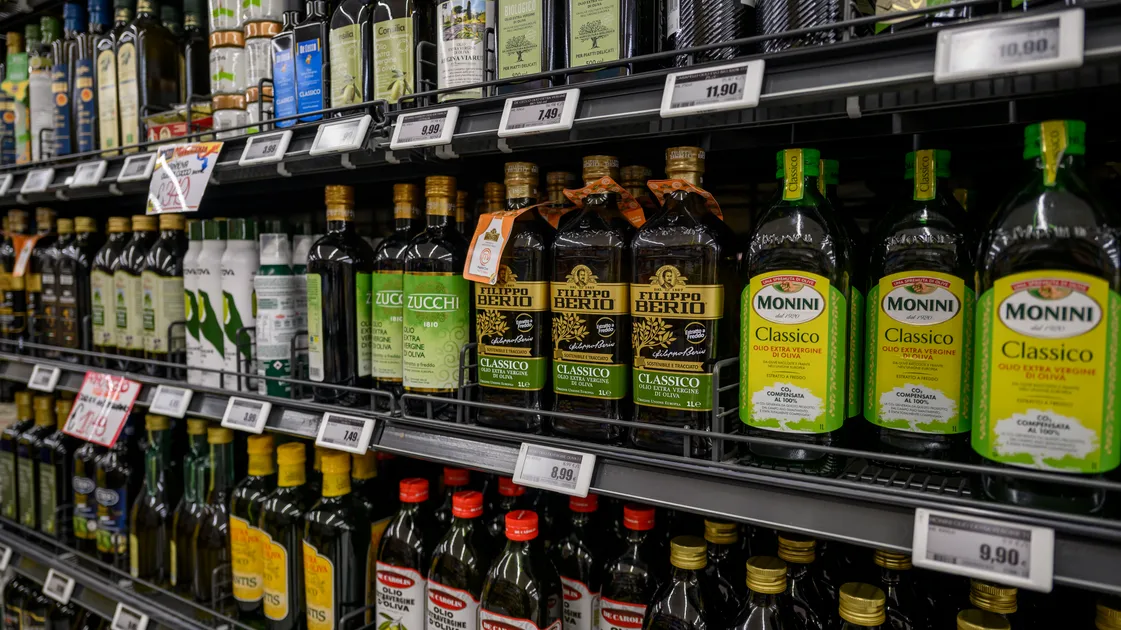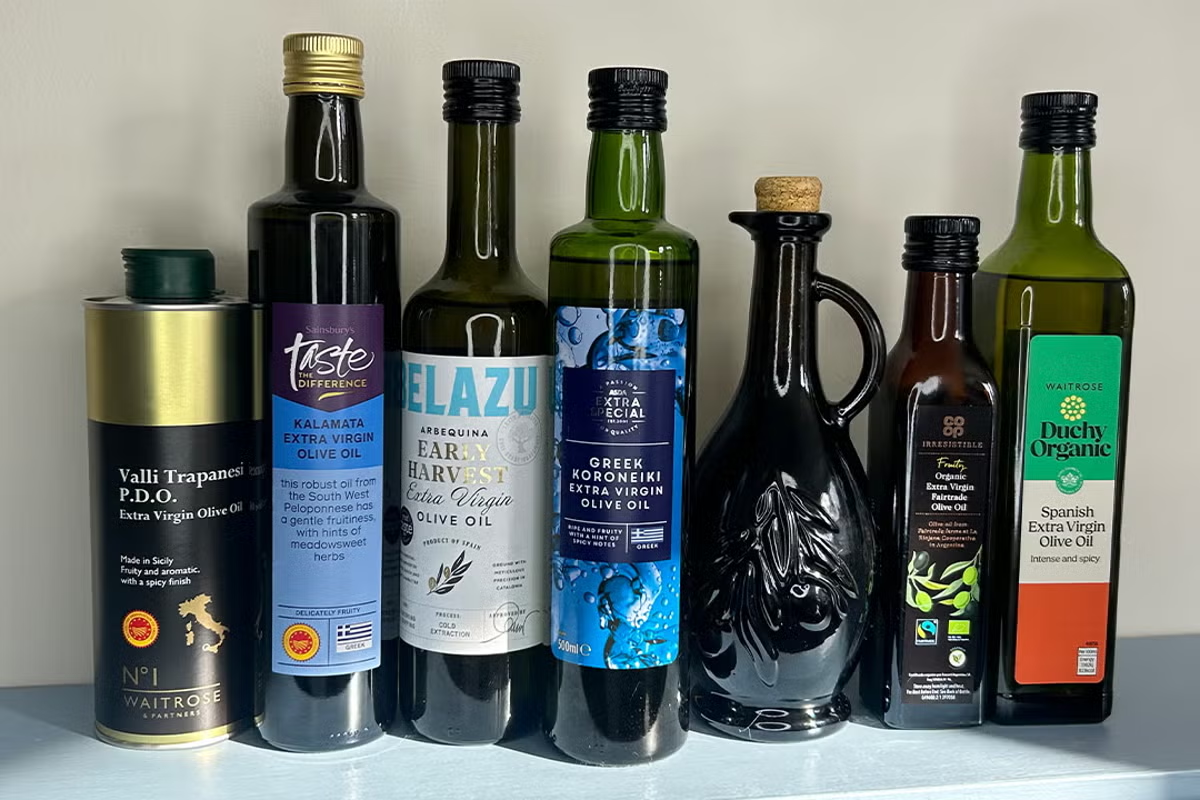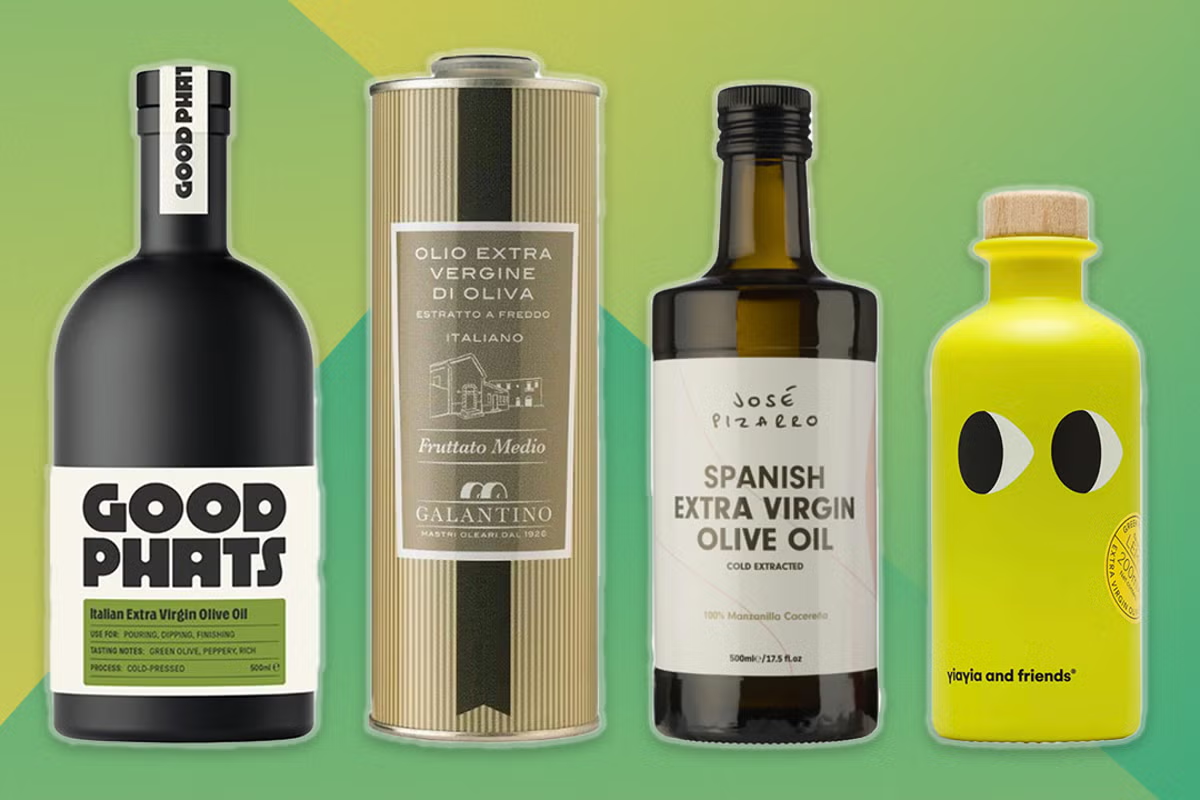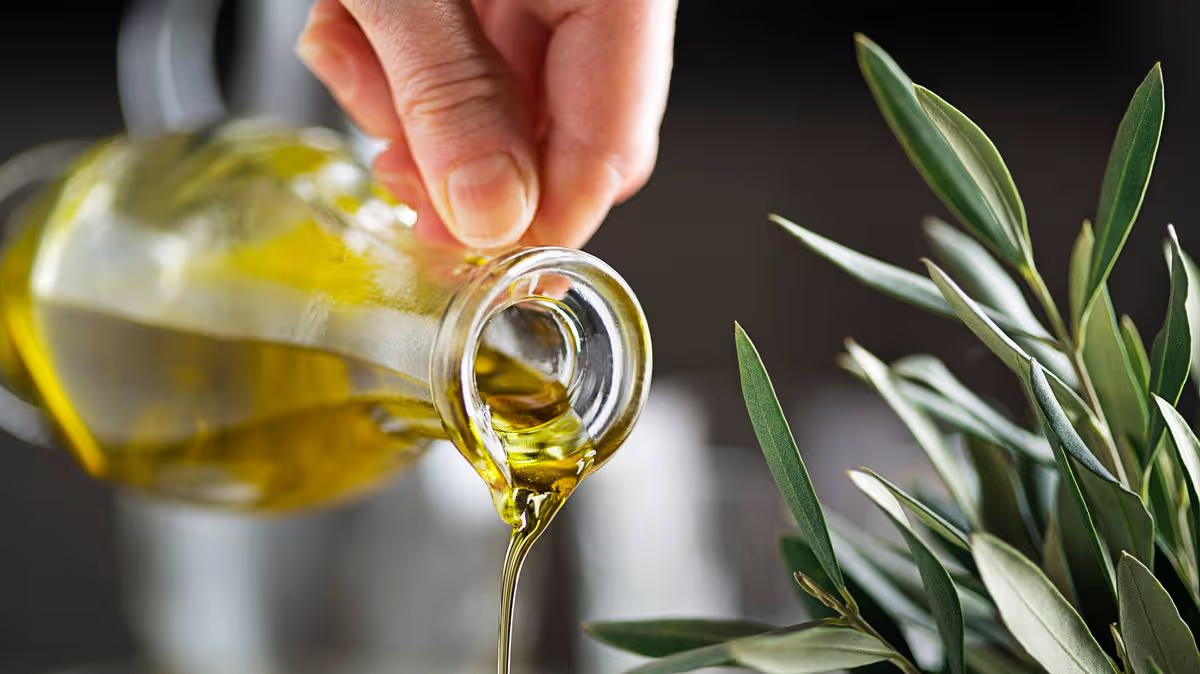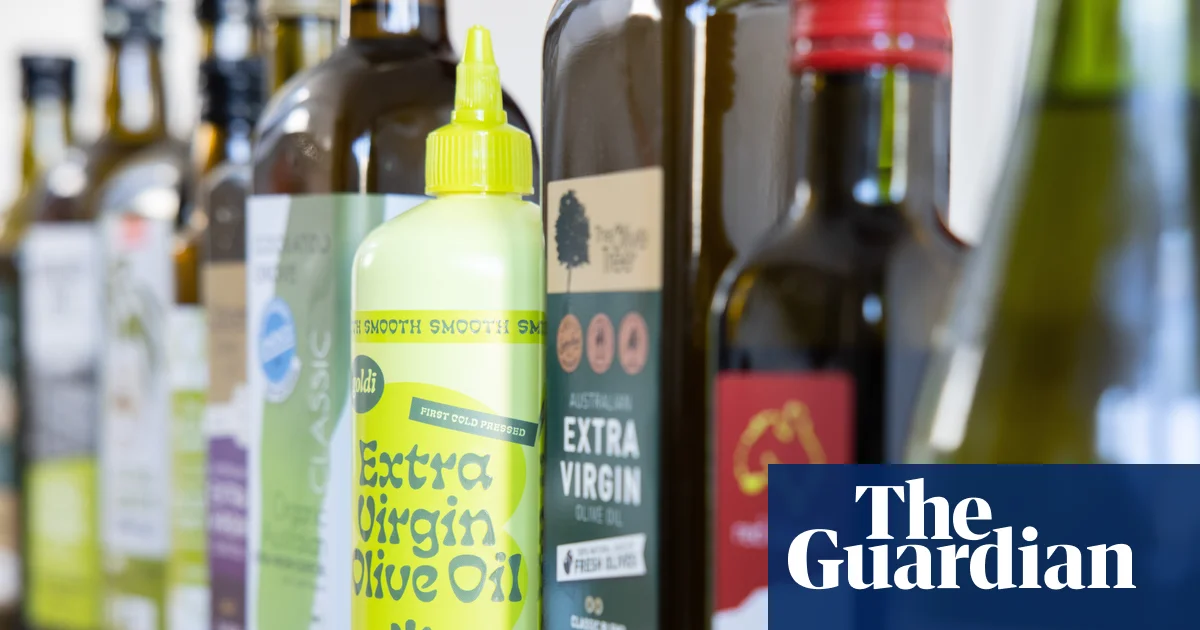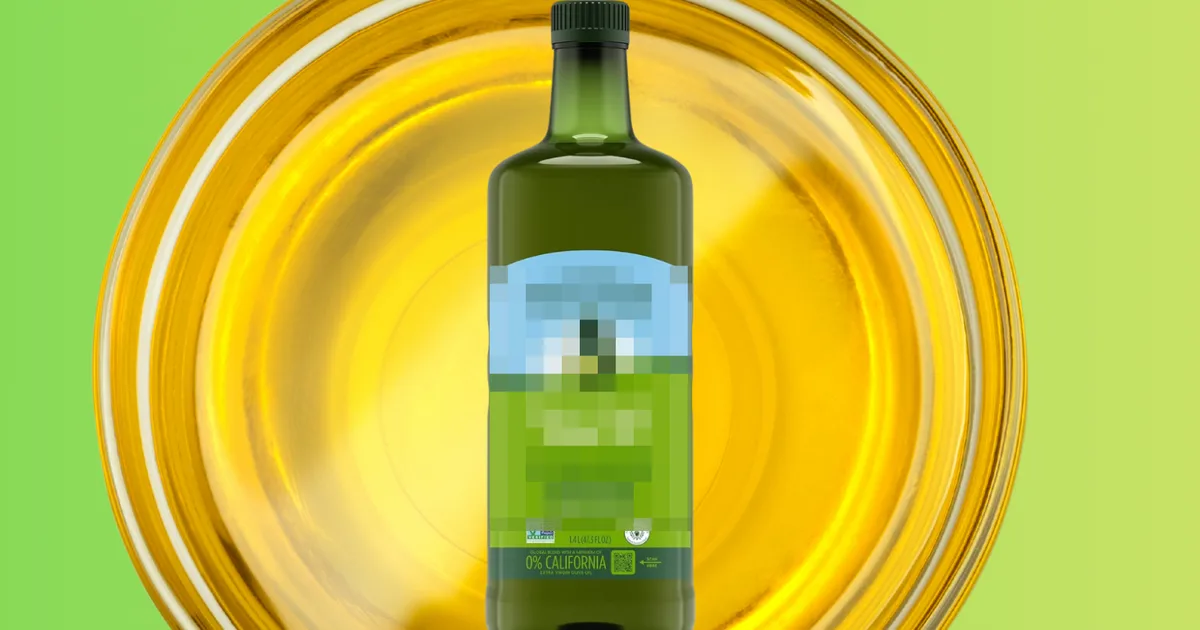
Whether it’s topping off a crusty slab of focaccia or perfectly coating a salad in a vinaigrette, olive oil is many chefs’ secret ingredient for adding flavor and depth to their favorite dishes. And with health experts touting the way its monounsaturated fats and polyphenol antioxidants help reduce inflammation and support heart health, it’s one of those rare foods that not only tastes great but is good for you, too. Registered dietitian nutritionist Barbara Ruhs told HuffPost, “If food is medicine, extra virgin olive oil is a powerful prescription that every household should consider as a staple in the pantry.”But when olive oil appears on the grocery list, do you have any idea which brand you ought to be buying? Sure, specialty stores have all sorts of fancy options, but perhaps you just need a few great glugs to add to tonight’s dinner, you’re already in the grocery store and you’re running out of time. Should you pick the one with the picture of happy, old-timey Italian peasants on the label? Or the one with an ancient patriarch’s stern portrait? How about that hand-drawn label that’s giving clear hippy dippy “maybe this was made with olives, but also maybe hemp” vibes? Without the ability to taste and compare, picking up a bottle of olive oil at the market can be confusing. That’s why we asked olive oil experts to offer some quick tips and easy guidance on what to look for when you’re buying, as well as which brands are their favorites to pick up on a quick trip to the market. First of all: When it comes to EVOO vs. “classic” oil, which do you choose?If you want the best flavor and a peak health profile, look for “extra virgin olive oil (EVOO)” on the label. “It’s the highest‑quality and least‑processed form of olive oil, made through cold pressing without heat or chemicals,” said RDN Jessica Clancy-Strawn. “That gentle extraction allows it to retain the olive’s natural antioxidants, known as polyphenols, along with its full flavor and aroma. That’s why EVOO has that rich, fruity, sometimes peppery taste and a deep green‑gold or slightly cloudy appearance. Because it’s unrefined, it preserves the maximum nutrients the olive contains.” RDN Vicki Shanta Retelny, author of “Total Body Diet For Dummies,” said, “EVOO is the gold standard of olive oils from a health standpoint. It’s among the 10 food groups that people should consume regularly to fend off cognitive decline and dementia.”When you’re stocking up on oil for some bigger cooking projects, you can save money by using regular olive oil for recipes where the flavor of the oil won’t be as noticeable, especially in cooked dishes, Clancy-Strawn said. “Even though EVOO contains the highest concentration of polyphenols and offers the strongest health benefits, regular olive oil, which is often labeled ‘classic’ or ‘pure,’ still has its place in the kitchen. Regular olive oil is made by blending a small amount of EVOO with refined olive oil. The refining process removes impurities, strong flavors, color and some nutrients, resulting in a lighter‑tasting oil with a higher smoke point. While it’s lower in polyphenols, it’s still a healthier option than many other cooking fats, and it works well when you want a more neutral flavor or need an oil that can tolerate higher heat.”What else to look for on the label:Daniela Puglielli is the founder of the Mediterranean Diet Roundtable, a think tank for the ingredients and cuisines from the Mediterranean region. She said that just by choosing a bottle of EVOO, you’re getting the highest-quality classification. And as you’re looking at packing, she suggests buying oil that’s in a dark glass bottle or other protective packaging like a tin or a bag-in-box system. “EVOO is very sensitive to light, heat and oxygen, all of which accelerate degradation, so the right packaging helps prevent that,” she said. The next thing to look for is the harvest date, not the sell-by date. “The oil shouldn’t be older than 18 to 24 months to guarantee the best flavor and healthy attributes,” she said, adding, “Unlike wine, olive oil doesn’t improve with age.” Other label information to consider includes country and region of origin, producer information and any certifications, including “organic.”In terms of country of origin, you’ll have to try a few varieties to discover your preference. Clancy-Strawn offered this overview: “Greece is known for bold, peppery oils, while Italy produces a wide range depending on the region. Spain is the world’s largest producer and often leans greener and more herbaceous, and countries like Tunisia now produce excellent, award‑winning oils that are often more affordable. What matters most is the transparency of stating a specific region, or noting if the oil is single‑origin or estate‑grown.” If oil comes from the European Union, you might see certifications like PDO / DOP, which means “protected designation of origin,” which requires that every single step of the oil growing, pressing and bottling process must take place in the specific designated region. The less strict designation of PGI / IGP means “Protected Geographical Indication,” and it requires at least one major phase of production to happen within the defined geographical area.Experts’ top pick: California Olive RanchAmazonCalifornia Olive Ranch 100% Extra Virgin Olive Oil was named more than any other brand. Described as having a well-rounded taste featuring notes of fresh herbs, fruit and green grass, it’s available in traditional glass bottles, eco-friendly bag-in-box options, aluminum and squeeze bottles. Nancy Harmon Jenkins is a leading authority on Mediterranean cuisines and the health benefits of the Mediterranean diet, as well as the author of “Virgin Territory: Exploring the World of Olive Oil.” She recommends this brand as a good grocery store option. Its flagship oil is pressed exclusively from California-grown olives, and it features a well-rounded, grassy profile with a peppery finish. RDN Keri Gans is also a fan: “It’s my go-to at the grocery store because it’s extra virgin, California-grown, widely available, delicious and versatile enough for both cooking and salad dressings,” she said. Clancy-Strawn likes it too, noting that it’s “American-grown and often labeled with the harvest date.” RDN Sharon Palmer said it’s one of her top picks for everyday cooking.Four other options the experts recommend:Bertolli Extra Virgin Olive Oil“It’s a good value, and it comes in glass bottles of various sizes,” said Retelny. Clancy-Strawn added, “It’s extremely accessible, has a mild flavor and is reliable for everyday cooking. It’s a Mediterranean blend typically from Spain, Greece, Italy and Portugal. Even better, it’s available at most major grocery chains.”Cobram Estate Extra Virgin Olive OilRegistered dietitian Jerlyn Jones said, “I’ve been cooking with it lately, and I’m pleased with the high-quality taste.” She’s also a fan of its Northern California roots and wide availability in food retailers nationwide. “It’s a high-quality oil that’s bottled in California,” Retelny said. “It has a fresh aroma and smooth, delicate flavor.” Palmer also uses this as a go-to for everyday dishes.Kirkland Signature Extra Virgin Olive OilThis highly popular, budget-friendly pantry staple is known for its quality and value. It features cold-pressed, certified organic or 100% single-origin oils that perform well in everyday cooking and as a finishing touch. It’s the preferred choice of Dr. Nneoma Oparaji, who practices internal medicine, obesity medicine and lifestyle medicine. She said that it meets many of her requirements: “It hits the sweet spot of being extra virgin, widely available at a major store, reasonably processed and with a reputation for freshness and quality control.” Clancy-Strawn also likes this brand. “It’s the bottle I currently have open in my kitchen,” she said. “The olives are typically sourced from Spain, Portugal, Greece and Tunisia.”Terra Delyssa Organic Extra Virgin Olive OilFor Clancy-Strawn, this brand is a clear favorite. “It’s produced in Tunisia, one of the world’s largest and most respected olive‑growing regions,” she said. The brand is vertically integrated, meaning the same company oversees the orchards, milling and bottling, which is a major reason for its consistency and clean flavor. “It’s widely available, organic, smooth and consistently well‑rated, which makes it a reliable choice for most households,” she said. And, because it’s sold at many major retailers as well as Amazon, she described it as “one of the most accessible organic EVOOs for everyday shoppers.”Keep in mind that olive oil is just one part of a nourishing diet.Gans noted that you’ll want to pay attention to how many “glugs” you’re including in each meal. “Olive oil is a healthy fat, but it’s still calorie-dense, so more is not always better,” she said. “The goal is not to pour it on everything, but to use it as your go-to fat to improve the overall quality of your eating pattern.”Palmer agreed, adding that much depends on what’s getting coated with all that healthful oil: “EVOO can’t take the place of a healthy diet,” she said. “If you pour it over less healthful foods, you don’t gain magic benefits. The best benefits come from including EVOO within an overall healthful eating plan, rich in plant proteins, whole grains and vegetables.”
The Top 5 Olive Oil Brands From The Grocery Store, According To Experts
Heads up: Those happy Italians on the label don’t necessarily mean it’s a brand worth buying.
1,505 words~7 min read