(Image credit: Getty / Bloomberg)
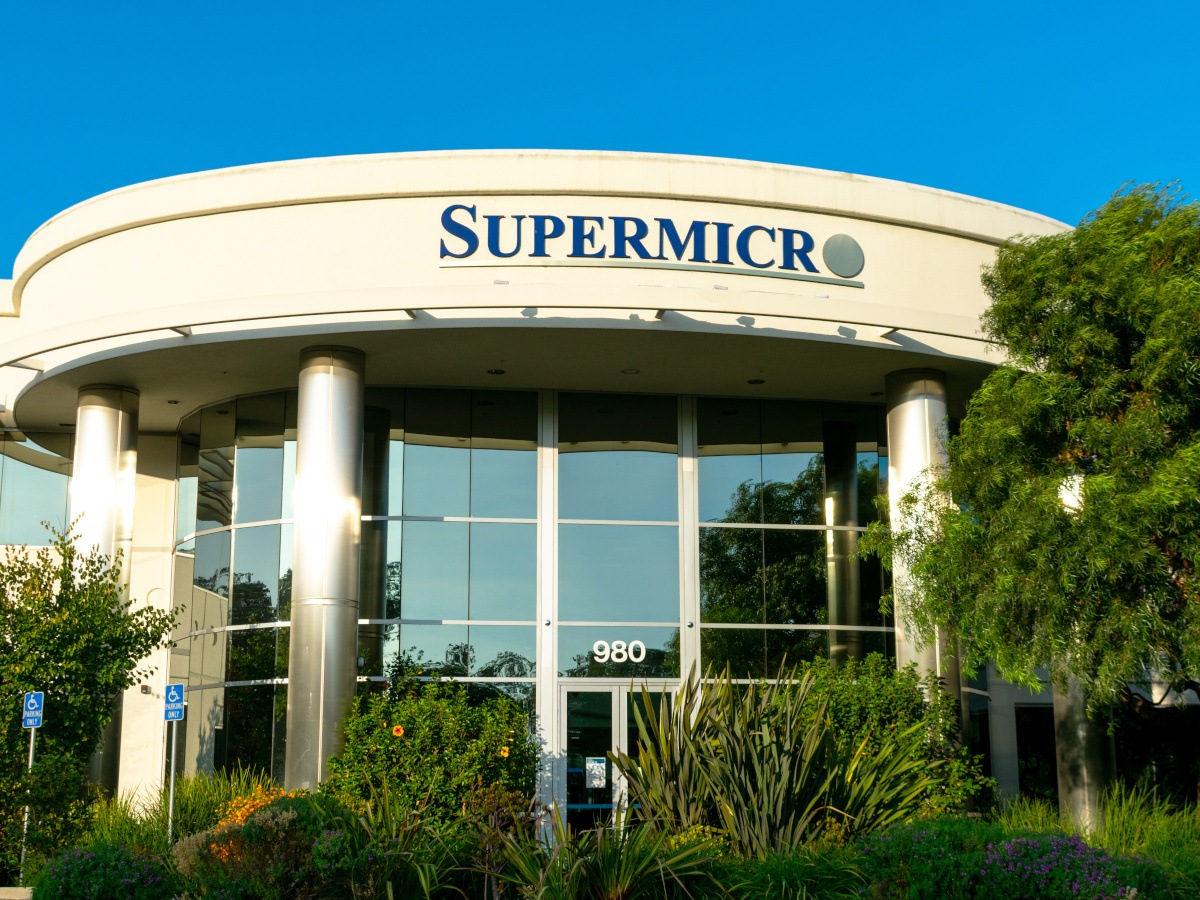
Taiwan's Keelung District Prosecutors' Office said on Tuesday it has detained a man surnamed Chang on suspicion of falsifying business documents, after investigators searched his home and his workplace on July 24 in connection with the AI chip smuggling case it opened in May. Bloomberg reports that Chang works for Nvidia and that the workplace search covered his desk at the company's Taipei office, which would make this the first known legal action against an Nvidia employee in a chip diversion case. Prosecutors said they consider him strongly suspected of the offenses and cited risks of flight, destruction of evidence, and collusion with witnesses, but haven’t accused Nvidia of any wrongdoing.Go deeper with TH Premium: Taiwan, trade, and tariffs"Smuggling is a nonstarter," an Nvidia spokesperson told Tom's Hardware. "We primarily sell our products to well-known partners, including OEMs, who help us ensure that all sales comply with U.S. export control rules. Even relatively small exporters and shipments are subject to thorough review and scrutiny on both sides of the globe, and any diverted products would have no service, support, or updates."Taiwan doesn't treat the unauthorized export of AI chips to China as a crime, which is why every detention in the case has so far concerned fraud accusations. The three people arrested in May were pursued over shipping declarations rather than the shipments, and the six summoned during June's raids on Super Micro and two supply-chain partners were questioned on the same basis.Huawei and SMIC were among 601 entities added to the International Trade Administration's strategic high-tech commodities entity list in June last year, a designation that requires government approval before a Taiwanese company can ship to any of them. The list works off buyer names and carries no performance threshold, so a rack of accelerators sold to a company that isn't on it needs no approval.It was reported last month that Taipei is weighing performance-threshold controls modeled on Washington's, and the Ministry of Economic Affairs confirmed consultations with the U.S. on bringing advanced chips under regulation without setting a timeline. Seven weeks on, prosecutors are still building the case out of the Criminal Code.Senator Elizabeth Warren, ranking member of the Banking Committee, wrote to Nvidia general counsel Tim Teter and audit committee chair Brooke Seawell on June 1 asking what records support Jensen Huang's public claim that "there's no evidence of any AI chip diversion," and whether the committee had reviewed export compliance following March's indictment of Super Micro co-founder Yih-Shyan "Wally" Liaw over roughly $510 million in diverted servers. She set a June 18 deadline for answers.A legal channel into China has existed since December, when the Bureau of Industry and Security began reviewing H200 export licenses case by case under a 25% revenue share, clearing around 10 Chinese buyers for up to 75,000 units each. Commerce Under Secretary Jeffrey Kessler told the House Foreign Affairs Committee on July 14 that shipments under those licenses remain trivial. Blackwell parts stay off the table entirely, and Chinese demand for them has pushed five-year-old A100 servers to $82,000 on the domestic gray market.Get Tom's Hardware's best news and in-depth reviews, straight to your inbox.