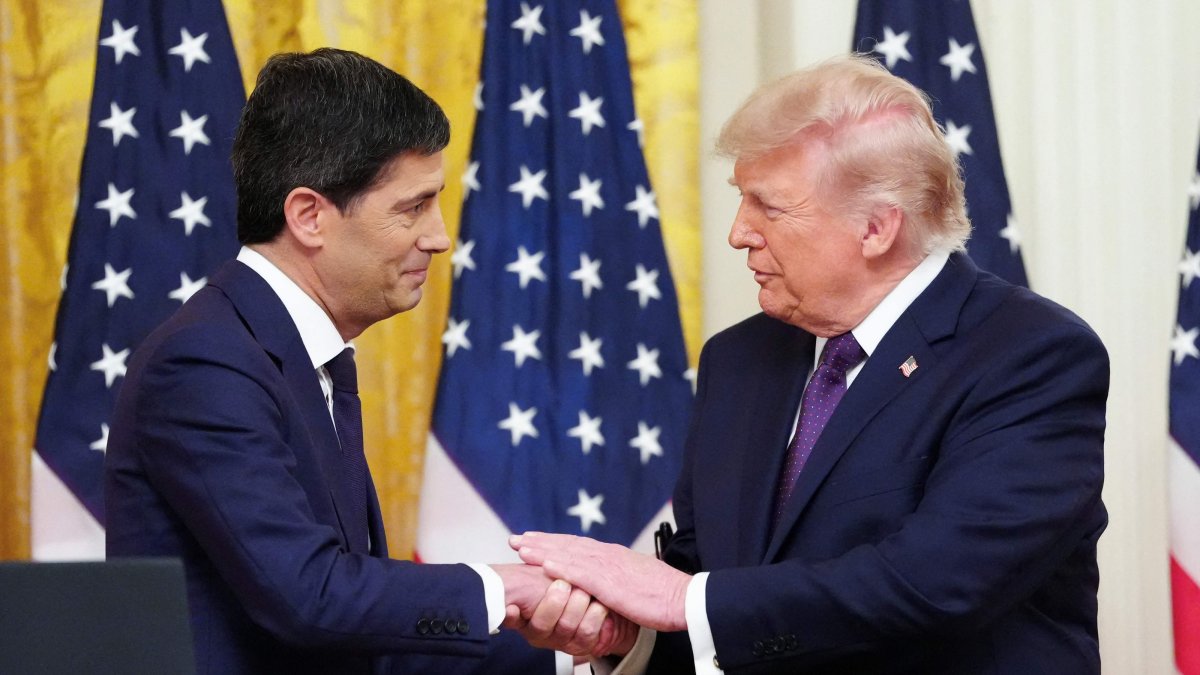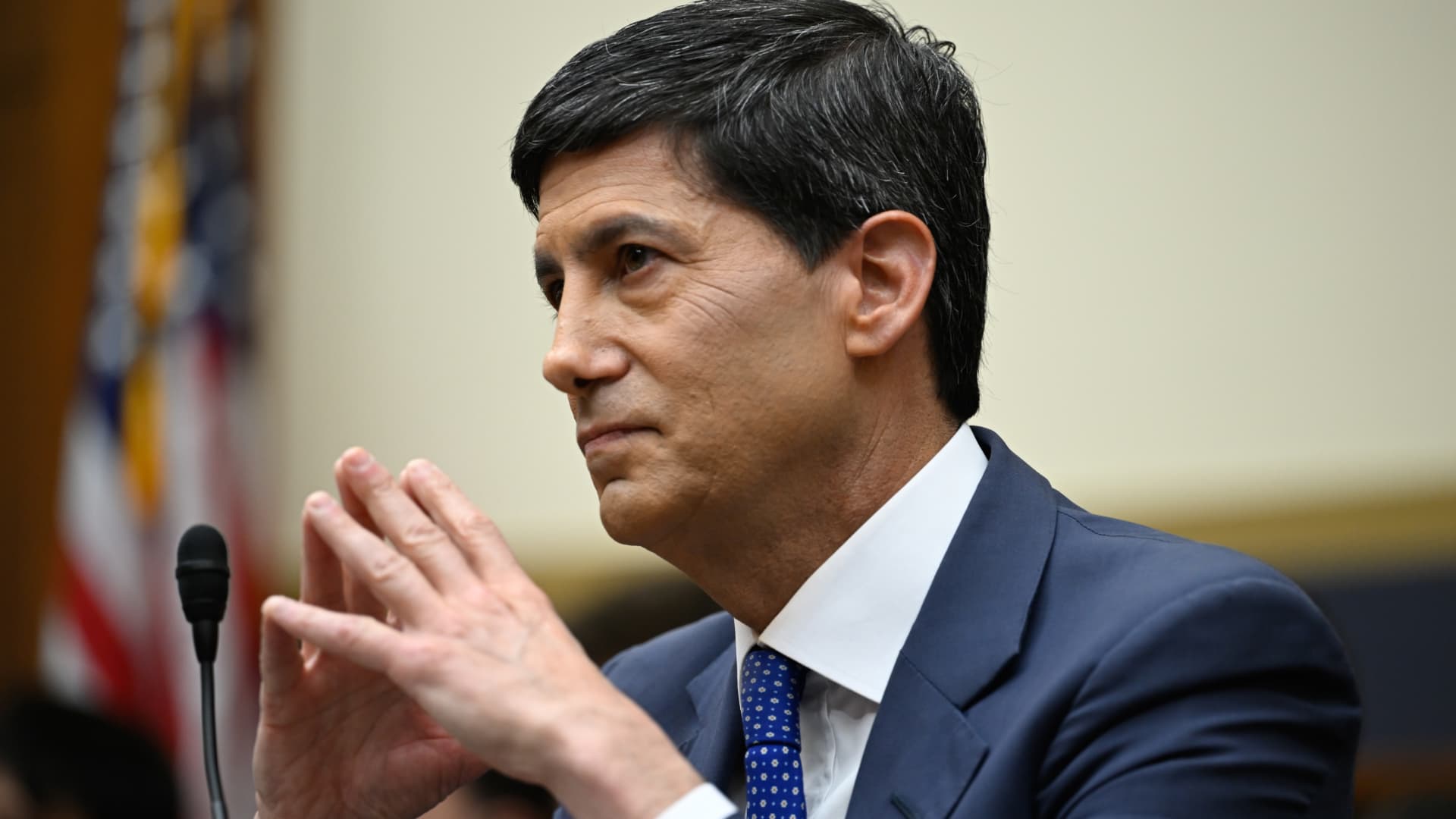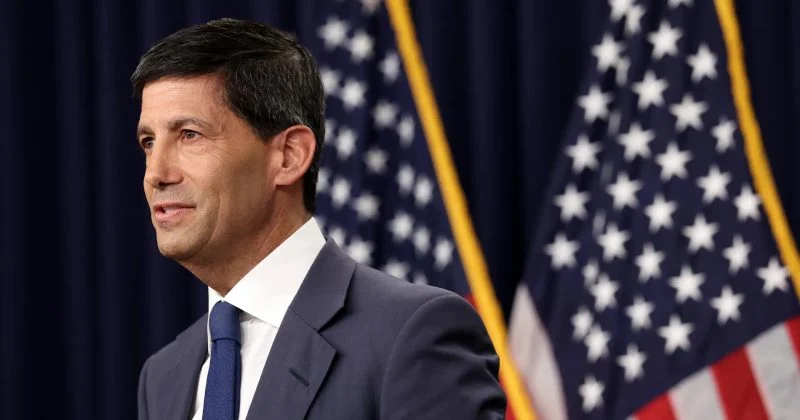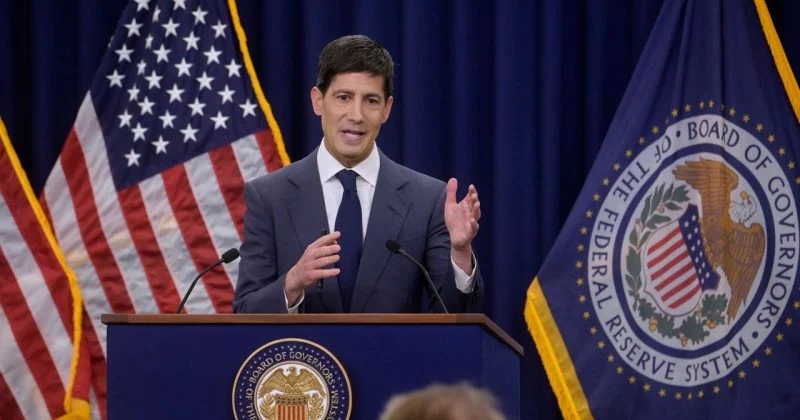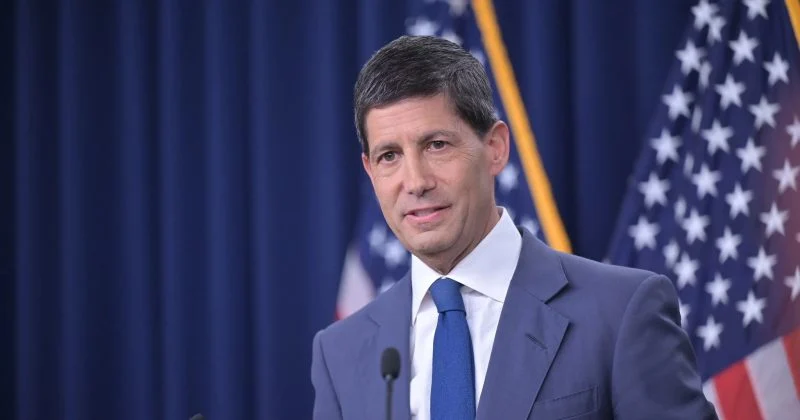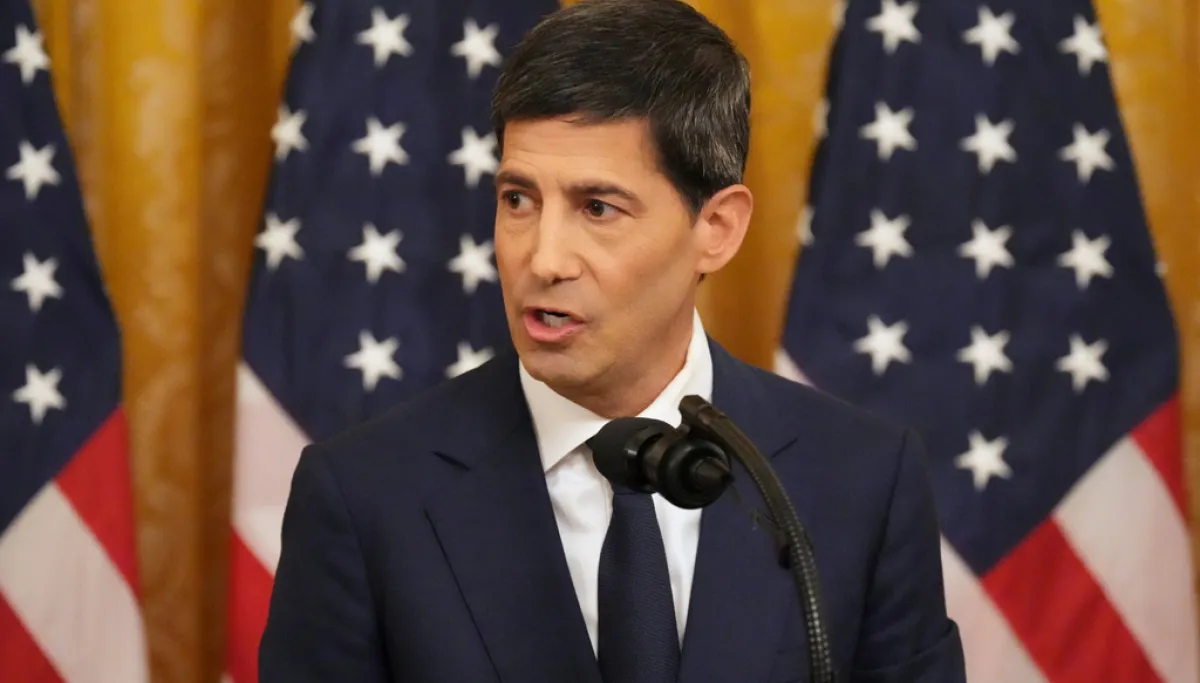
This will be Warsh’s second meeting leading the central bank, and his most challenging, as there appears to be a split on the Fed board over what should be done with interest rates. Investors are now uncertain about what the monetary policy committee will do, which is an infrequent occurrence.
Warsh can’t make interest rate policy decisions alone. Instead, the final decision comes through a vote of the Federal Open Market Committee. At Warsh’s June meeting, the vote to pause was unanimous. But this meeting is set to be more divided.“I do think there will be serious advocacy at this meeting on the part of some — and about half of the committee favors a rate hike before year-end,” Dennis Lockhart, former president of the Federal Reserve Bank of Atlanta, told the Washington Examiner.Lockhart said he thinks there is a case for hiking interest rates this week by a quarter of a percentage point to a range of 3.75% to 4%, although he predicts the Fed board will end up holding rates steady after its two-day meeting in Washington.Heading into Fed meetings such as this one, there is usually little doubt about what the Fed will vote to do.This time, though, investors seem to be unsure about what might happen.As of Monday afternoon, the implied odds of a rate pause on Wednesday were about 62%, according to CME Group’s FedWatch tool, which calculates the probability of rate changes using futures contract prices for rates in the short-term market targeted by the Fed.Investors assessed about a 38% chance the Fed would raise interest rates. Just a week ago, the odds of a rate hike at Wednesday’s meeting were only 16%.Ryan Young, senior economist at the Competitive Enterprise Institute, said that two key factors might be behind the shift. The first is the continued uncertainty with Iran and the ever-shifting question of when that war will end, along with when oil prices will fall.Also, over the past week or so, the Trump administration has announced new tariffs, including three executive orders imposing 50% tariffs on various Canadian products using Section 338 of the Tariff Act, as well as new Section 301 tariffs on 60 countries.Also, Young said there is another issue at play: the rising cost of borrowing attributable to the federal government’s mounting debt.“There’s a third factor underneath the surface that I don’t think is getting enough attention, and that is long-term debt interest rates — those have been creeping up because of people losing faith in the government’s long-term finances,” Young told the Washington Examiner.Warsh might see the importance of working to return inflation to the Fed’s 2% goal as helping restore confidence in the government.“The more they do to fight inflation and solidify the government’s finances, the more that’ll do to help tame rising long-term debt interest rates a little bit,” Young said.While there has been some good news on inflation in the form of the June consumer price index report, underlying price growth remains too high.In the month of June alone, prices fell by 0.4%, the largest such decrease since 2020, according to the most recent report by the Bureau of Labor Statistics.But inflation was still 3.5% on the year ending in June.Perhaps even worse, core inflation — which strips out the energy component and thus cannot be chalked up merely to the effects of the Iran conflict — is still too high. Core inflation was at 2.5% in June, according to the CPI.