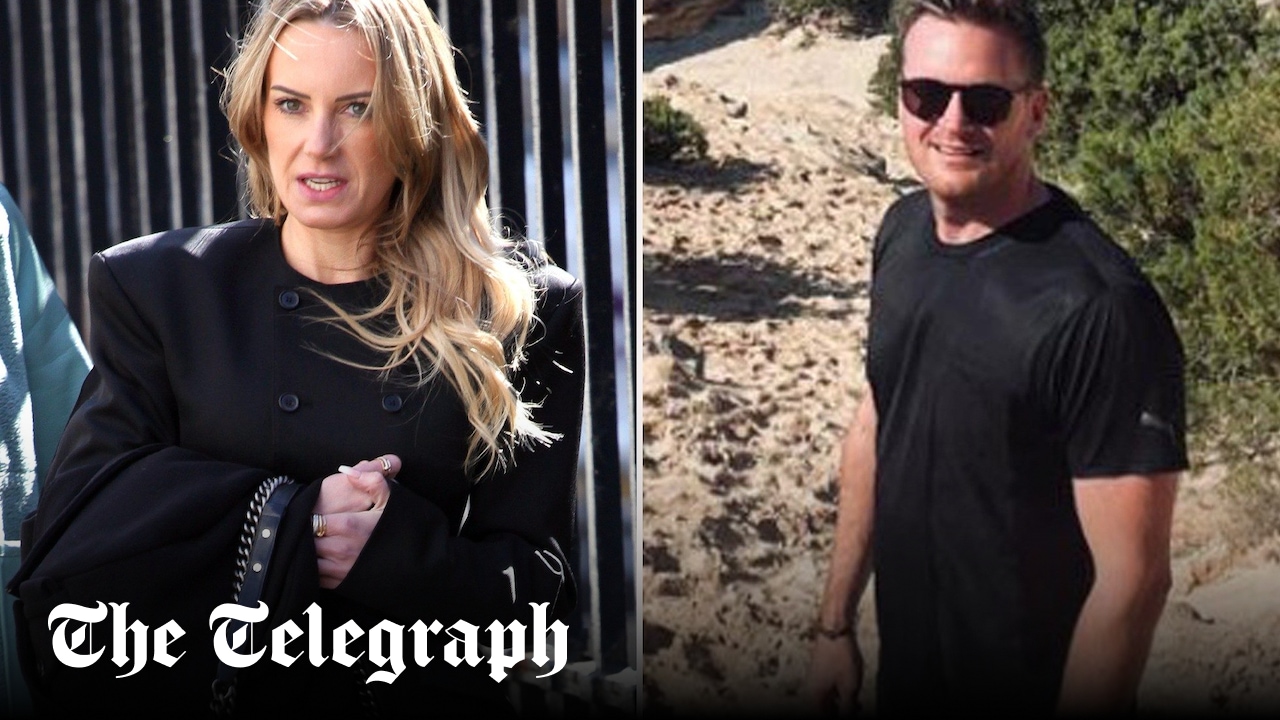
A woman who may be entitled to her deceased husband’s entire €3 million estate after he died intestate denies she “deserted” him more than 20 years ago and is thus “unworthy” to succeed, the High Court has heard.In her ruling on Monday on a dispute between the man’s sister and his wife concerning who should get limited letters of administration of his estate, Judge Siobhán Stack appointed an independent solicitor to do so.The judge directed that the parties, who are all Irish, cannot be identified. She was told the sister is contemplating taking proceedings under the Succession Act arguing the wife is unworthy to inherit on grounds of alleged desertion. She also heard both sides are willing to consider mediation.The administration application arose in a case involving a “very unusual set of facts” and she did not want to pre-empt any application alleging desertion, the judge said. The position of each party on that was “not unstateable”. This made the administration issue more difficult because, depending on any proceedings under section 120 of the Succession Act, either the man’s wife or his siblings get all, she said. That meant a grant of administration to the wife, or sister, could be issued to a person with no entitlement.The estate is valuable and complex, including properties, lands and shareholdings, and, in this “unusual” situation, it is appropriate to have it dealt with by an independent solicitor, the judge ruled. Earlier, counsel for the sister said her brother had died without making a will, had no children, and is survived by siblings. Counsel said the sister understood he was in a relationship with the woman and they may have gone through a blessing or other ceremony, but she did not have specific details. The “mystery” about this relationship status was solved when the wife provided an affidavit with civil and religious certification of their marriage in another country, counsel said. While willing to accept they were married, the sister contended her brother’s wife had deserted him and was thus “unworthy”, within the meaning of section 120, to succeed to his estate. The sister also argued she was more familiar with his assets and in a better position to administer the estate.The wife admitted in an affidavit she was living apart from her husband for more than two decades, counsel said. The wife said the man was not upset by anything she had done; that he had rejected her, causing their marital difficulties, and that he did not want them to live together, but they remained friendly, including sometimes holidaying together.The wife had said the man did not want a separation or divorce and that he had not replied to a letter from her solicitor seeking for their situation to be regularised, the court heard.The man had said he would “get around” to making a will, but died unexpectedly. Counsel for the wife said she did not wish or need to be in court explaining the intimate details of her relationship with the man over many years. A letter was written to her in June last asking her was she married and accusing her of desertion, he said. Had she been approached in “a more conciliatory way”, “who knows what might have happened”. The wife’s affidavit said they later lived apart in line with his wishes, but remained friendly, and she was very upset by his death. Merely living apart does not amount to unworthiness to succeed and it is not a requirement for a limited administrator of an estate to be familiar with the assets, counsel argued. The wife, he added, is willing to undertake not to distribute the proceeds of the estate pending further order or any proceedings.
Woman who could inherit husband’s €3m estate denies she ‘deserted’ him over 20 years ago
Judge told man’s sister is considering taking case claiming his wife is ‘unworthy’ to succeed to estate
616 words~3 min read